The integration of overhead
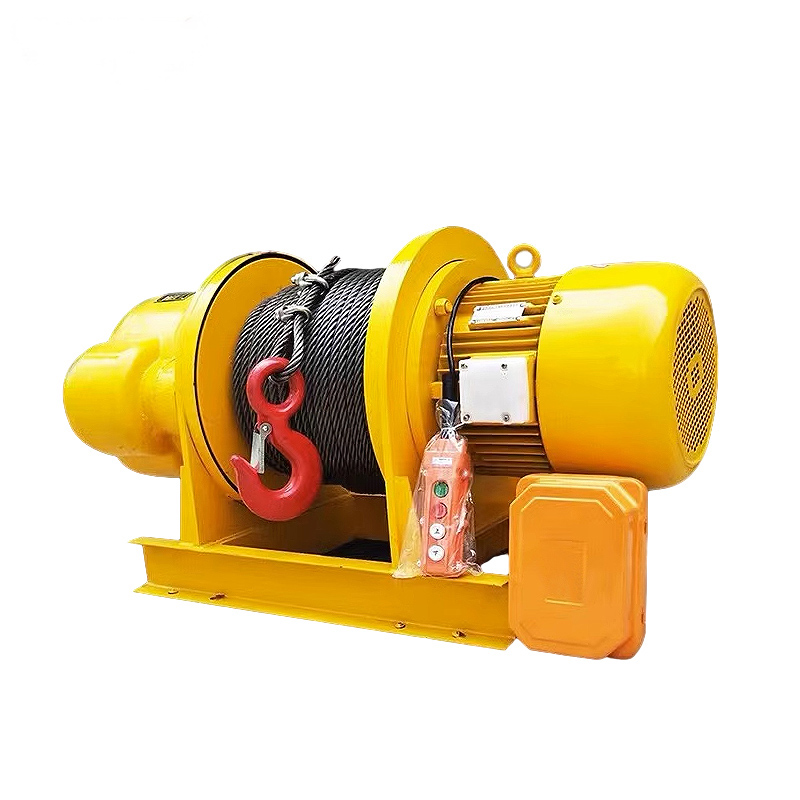
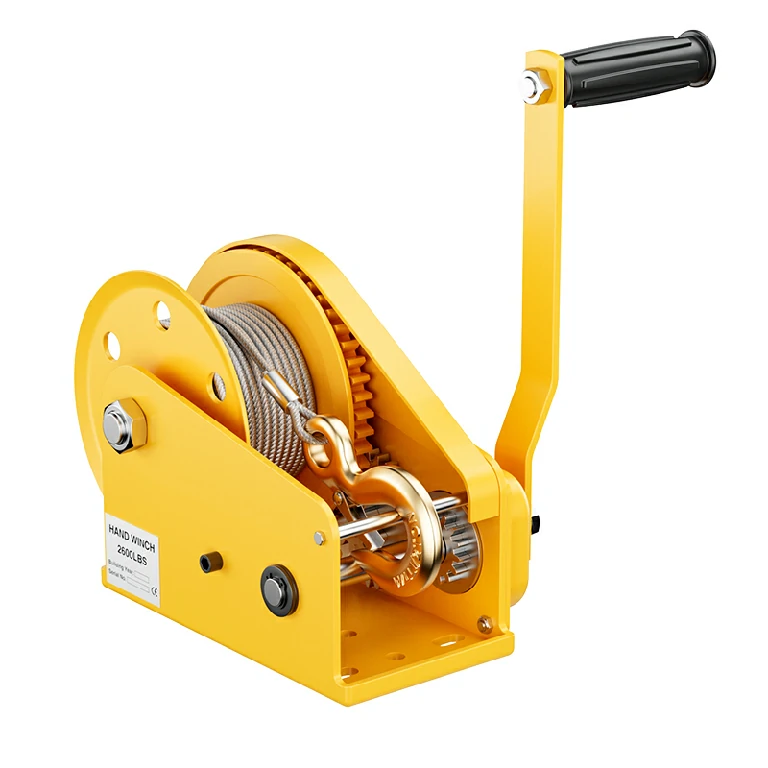
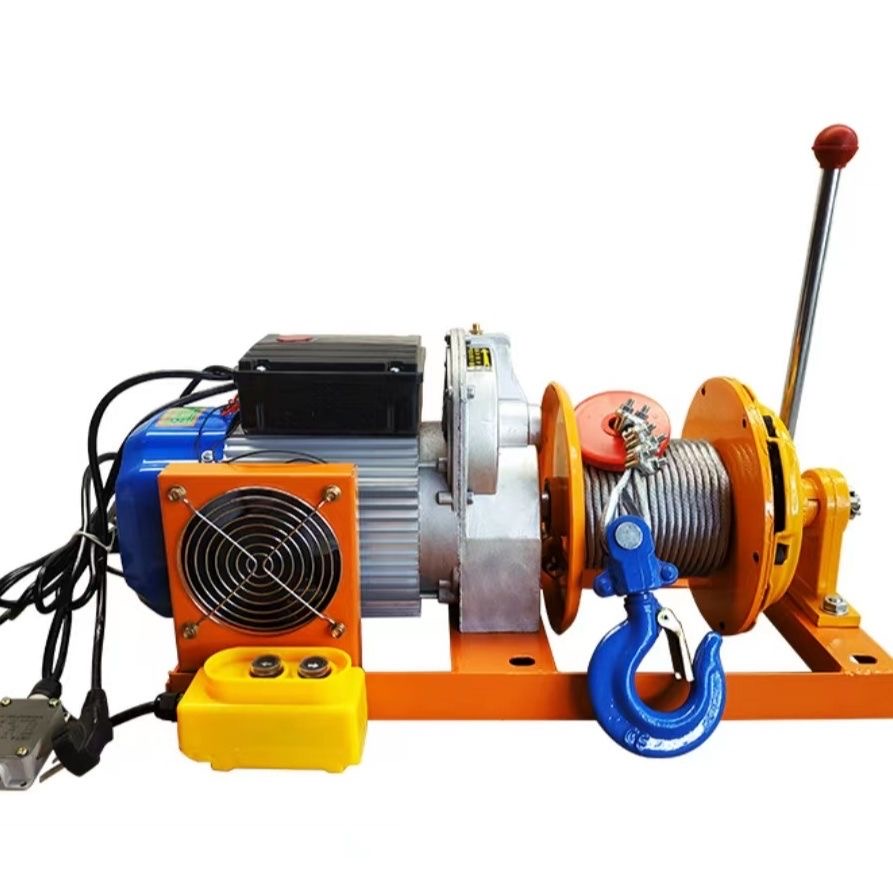
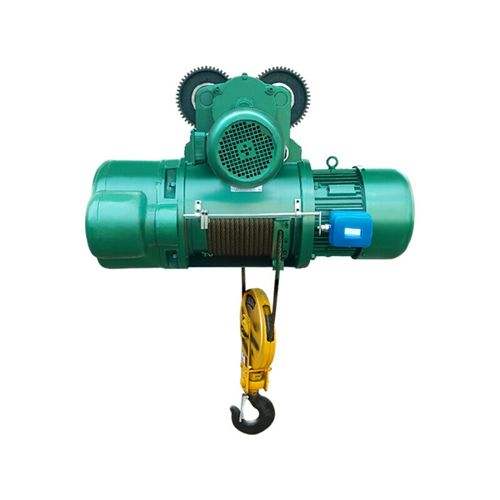
lifting equipment—such as bridge cranes, gantry cranes, jib cranes, and hoists—into factory workshops represents a critical investment in operational infrastructure. Hebei Chuanghe Hoisting Machinery Manufacturing Co., Ltd. From a professional engineering and operations management perspective, these systems deliver substantial advantages that enhance safety, productivity, flexibility, and cost efficiency.
1. Enhanced Workplace Safety and Ergonomics
Overhead cranes fundamentally improve shop floor safety by mechanizing the movement of heavy, bulky, or hazardous loads. By eliminating manual handling and forklift traffic for overhead moves, they significantly reduce the risks of musculoskeletal injuries, strikes, and drops. Properly designed systems confine heavy lifting to a dedicated vertical plane, separating personnel from danger zones and ensuring compliance with stringent occupational health and safety regulations (e.g., OSHA, ISO). Ergonomically, they minimize operator strain, leading to a healthier workforce and lower injury-related costs.
2. Optimized Production Efficiency and Throughput
Cranes enable rapid, precise positioning of materials, components, and assemblies at various stages of the production line. This streamlines workflow, reduces load transfer times, and minimizes production bottlenecks. In assembly, machining, and storage areas, overhead systems facilitate just-in-time material delivery, keeping workstations supplied without clutter. The result is a measurable increase in throughput, shorter cycle times, and better utilization of both labor and floor space.
3. Maximized Spatial Utilization and Layout Flexibility
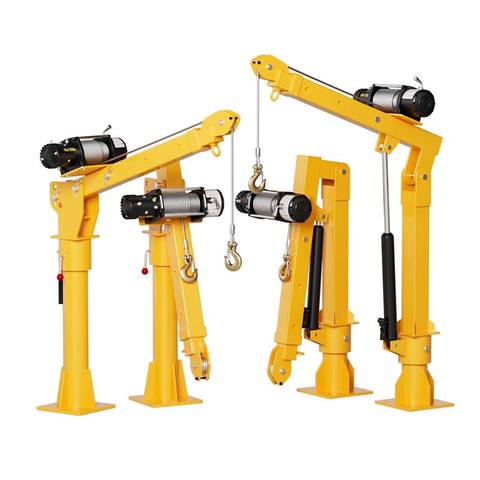
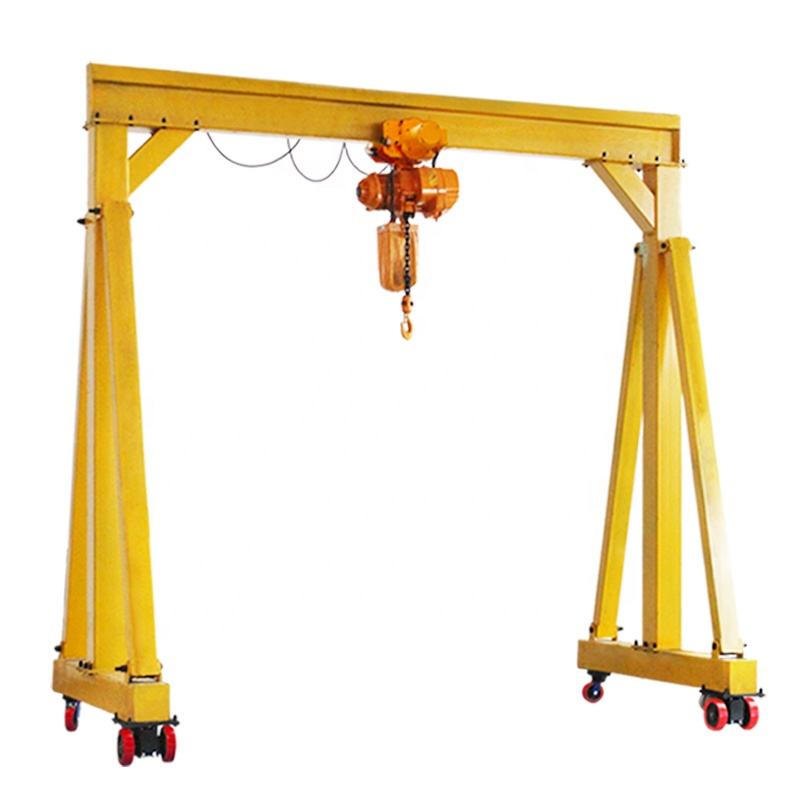
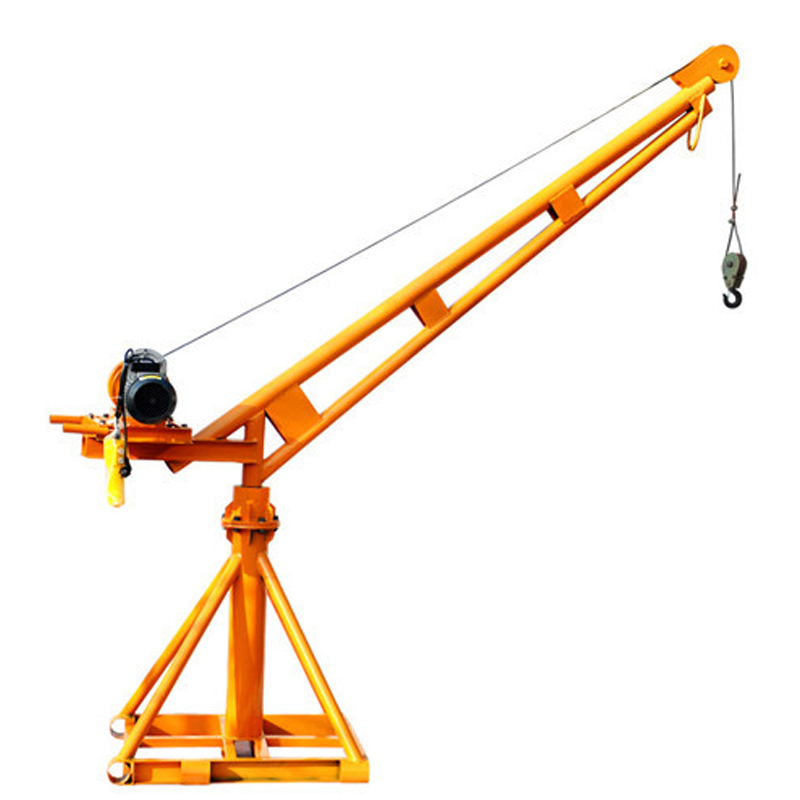
Unlike floor-based equipment, overhead cranes operate in the largely unused ceiling space of a facility. This preserves valuable floor area for production machinery, storage, and movement. The clear floor space enhances layout flexibility, allows for easier reconfiguration of work cells, and improves overall housekeeping. Modular designs, such as adjustable jib cranes or relocatable gantries, further support dynamic production needs and facility changes.
4. Superior Load Handling Precision and Control
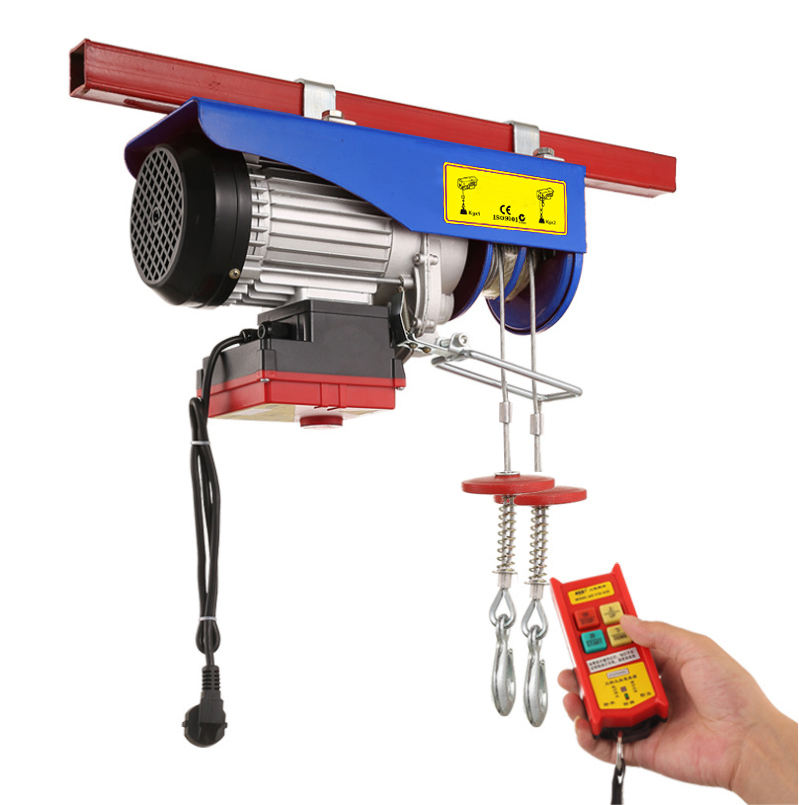
Modern overhead cranes are equipped with precise control systems (variable frequency drives, radio remote controls, automated positioning) that allow for smooth acceleration, accurate placement, and careful handling of delicate or high-value loads. This precision reduces product damage, improves quality during assembly or installation, and allows for handling of technically challenging loads—such as large molds, precision machinery, or sensitive assemblies.
5. Reduced Long-Term Operational Costs
While the initial investment can be significant, overhead lifting systems offer a strong return through reduced labor requirements, lower damage rates, decreased maintenance (compared to internal combustion forklifts), and diminished risk of costly accidents. Their durability and long service life, with proper maintenance, lead to lower total cost of ownership. Energy-efficient motors and drives further contribute to sustainability and cost-saving goals.
6. Support for Automation and Industry 4.0 Integration
Advanced crane systems can be integrated into automated workflows and smart factory ecosystems. Through programmable logic controllers (PLCs), sensor systems, and connectivity with manufacturing execution systems (MES), cranes can perform repetitive moves with high repeatability, interface with AS/RS, and provide valuable data for logistics optimization and predictive maintenance.
7. Improved Material Flow and Logistics
In large workshops, cranes create an efficient overhead material highway, moving items between receiving, storage, fabrication, assembly, and shipping areas without interfering with ground-level activities. This organized flow reduces handling steps, shortens travel distances, and supports lean manufacturing principles by minimizing waste in transportation and motion.


 Click:1951Edit: Admin
 Time:2025-09-13 16:03:39


 Tel:
+8613653129869
Tel:
+8613653129869 Whatsapp:
+8613653129869
Whatsapp:
+8613653129869 Email:
chuanghehoist@gmail.com
Email:
chuanghehoist@gmail.com Address:Donglu Village, Donglu Township, Qingyuan District, Baoding City, Hebei Province
 English
 Français
 Español


 Email
Email +8613653129869
 +8613653129869
 Home
Home Whatsapp
 chuanghehoist@gmail.com