

 Click:2854Edit: Admin
 Time:2025-10-16 09:16:09
Types of Cranes Commonly Used in Ports
Port cranes are specialized for heavy-duty lifting and precise maneuvering.
The primary types include:
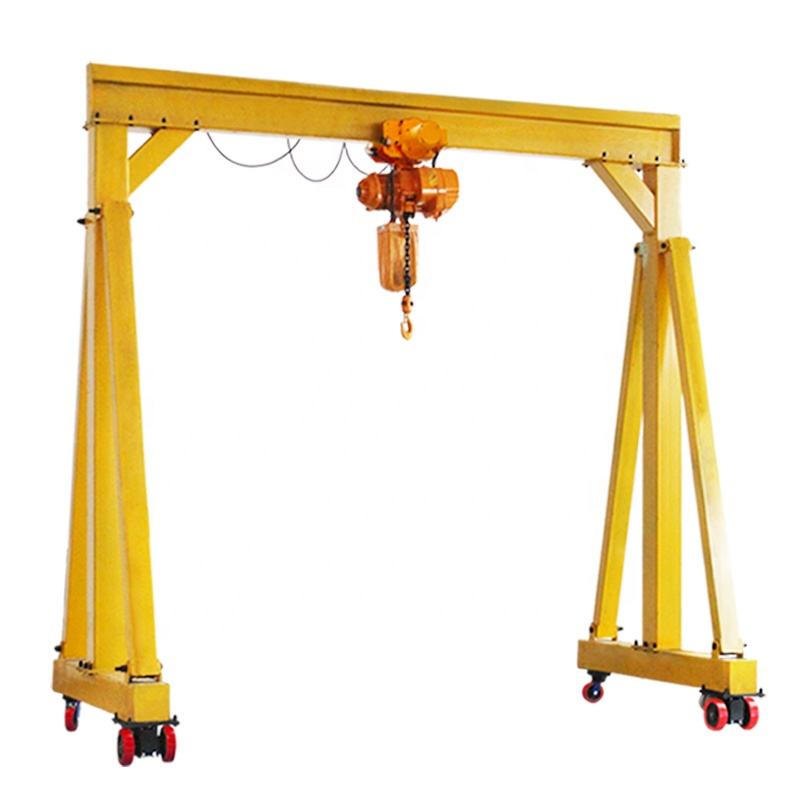
1. Portal Cranes (e.g., Gantry Cranes):
Consist of a bridge structure supported by legs, allowing movement along tracks.
Ideal for container yards, offering high lifting capacity and wide spans.
2. Floating Cranes (Floating Cranes):
Mounted on barges or specialized vessels, providing mobility across water.
Critical for ship-to-shore transfer and construction projects.
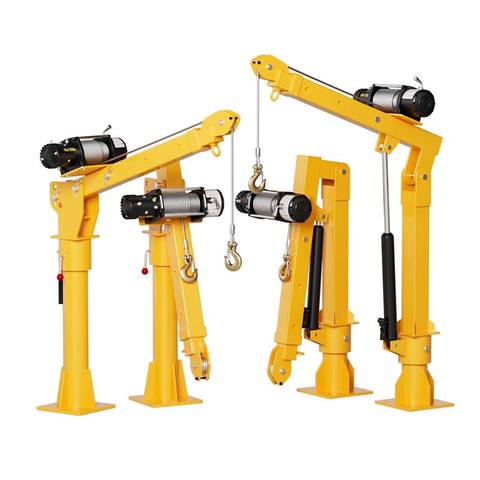
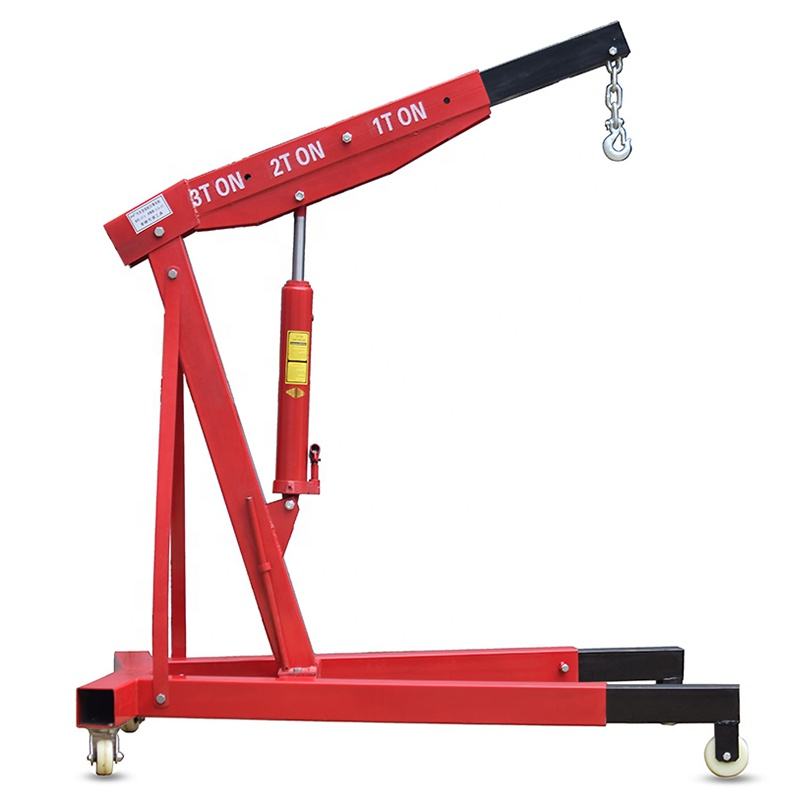
3. Boom Cranes (e.g., Foldable Boom Cranes, Telescopic Boom Cranes):
Feature articulated or extendable booms for flexible reach.
Suited for dense container stacking or precise positioning.
4. Quay Cranes (Ship-to-Shore Cranes):
Fixed alongside quays, specialized for rapid container.
Equipped with advanced automation systems.


 Tel:
+8613653129869
Tel:
+8613653129869
 Whatsapp:
+8613653129869
Whatsapp:
+8613653129869
 Email:
chuanghehoist@gmail.com
Email:
chuanghehoist@gmail.com
 Address:Donglu Village, Donglu Township, Qingyuan District, Baoding City, Hebei Province

 English
 Français
 Español

 Email
Email +8613653129869
 +8613653129869
 Home
Home Whatsapp
 chuanghehoist@gmail.com