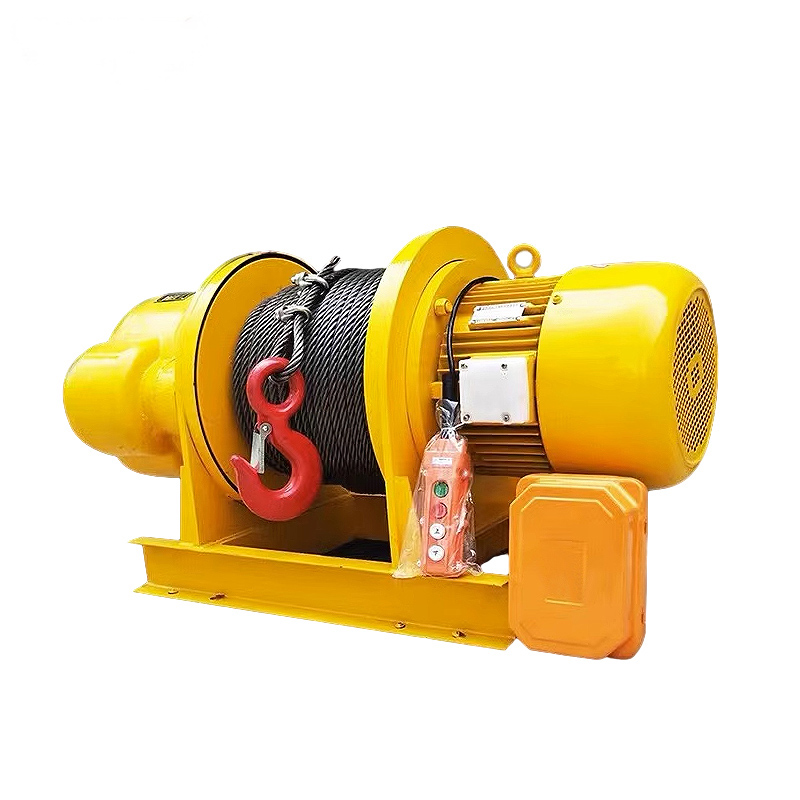
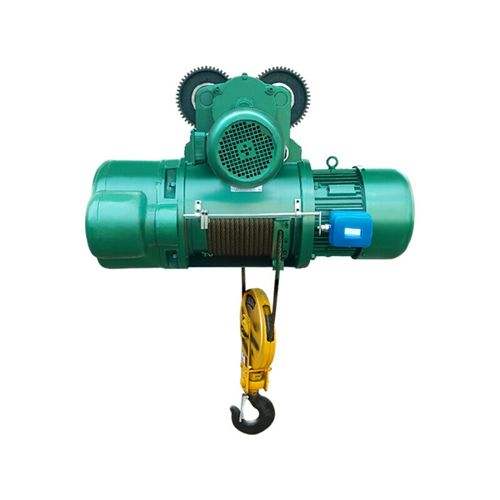
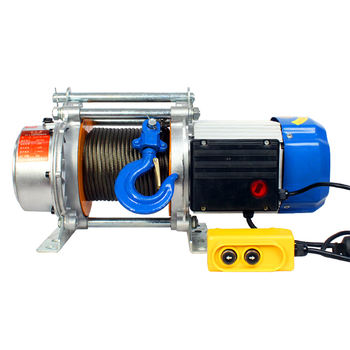
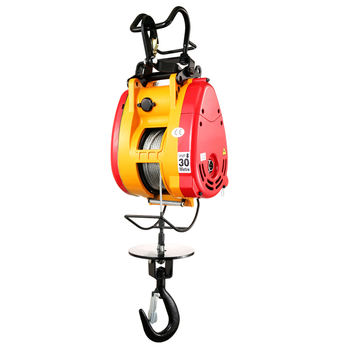
Electric wire rope hoists are a fundamental piece of material handling equipment on construction sites, renowned for their robustness, reliability, and versatility in lifting heavy loads.
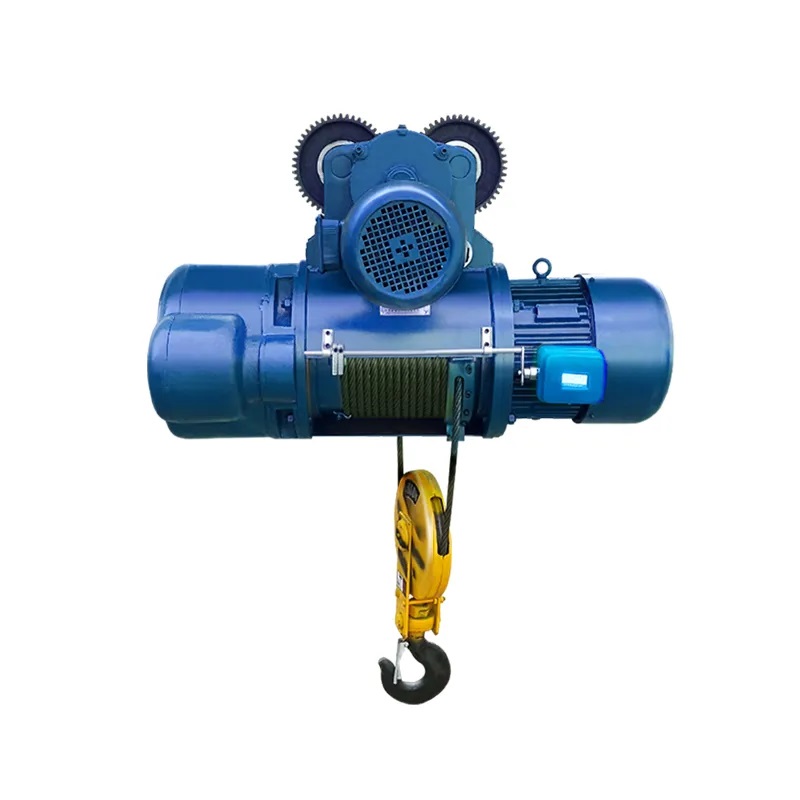
High Lifting Capacity & Heavy-Duty Performance: Designed to handle the most demanding tasks, they can lift loads ranging from a few hundred kilograms to several hundred tons, making them ideal for steel erection, precast concrete placement, and machinery installation.
Superior Durability & Toughness: Built with rugged components, wire rope hoists excel in harsh construction environments. They are resistant to impact, abrasion, and exposure to weather elements (when properly rated), unlike more delicate chain hoists.
Long Lift Heights: The wire rope is wound on a drum, allowing for significantly greater lifting heights (often over 100 meters) compared to chain hoists. This is critical for high-rise construction.
Faster Lifting & Travel Speeds: Electric power enables higher single and dual-speed lifting, as well as traversing speeds along a beam or gantry. This dramatically improves work cycle times and overall productivity.
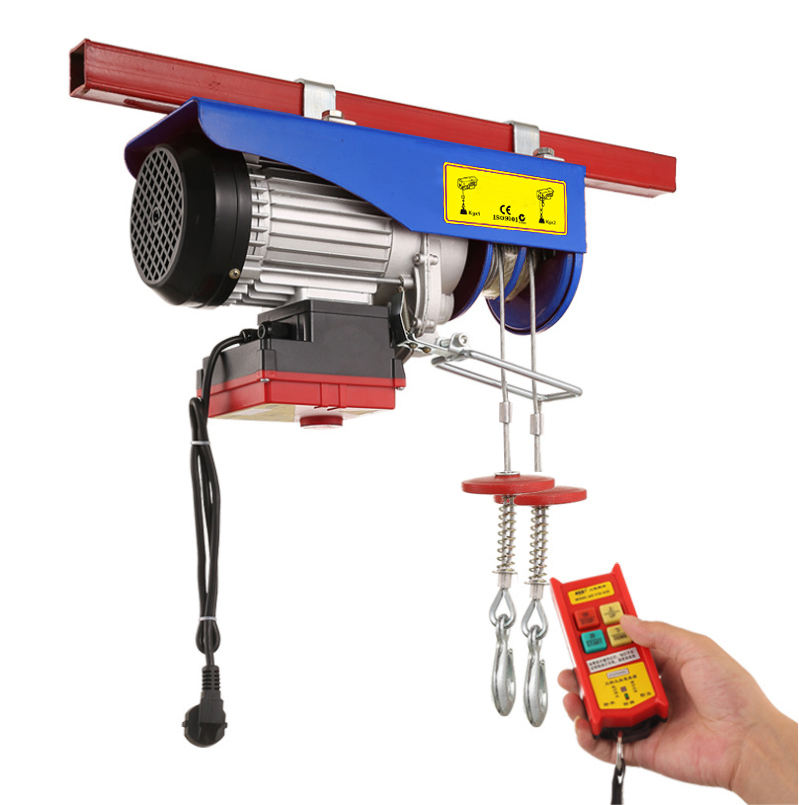
Reduced Manual Labor & Increased Safety: They eliminate the need for extremely labor-intensive and dangerous manual lifting. Operators control loads from a safe distance using a pendant or radio remote control, minimizing the risk of injury.
Precision Control: Modern hoists feature variable speed control and precise braking systems, allowing for smooth acceleration, deceleration, and accurate spotting of loads—essential for careful alignment and placement of materials.
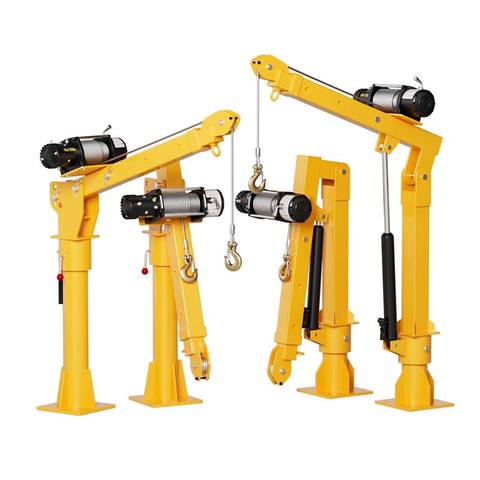
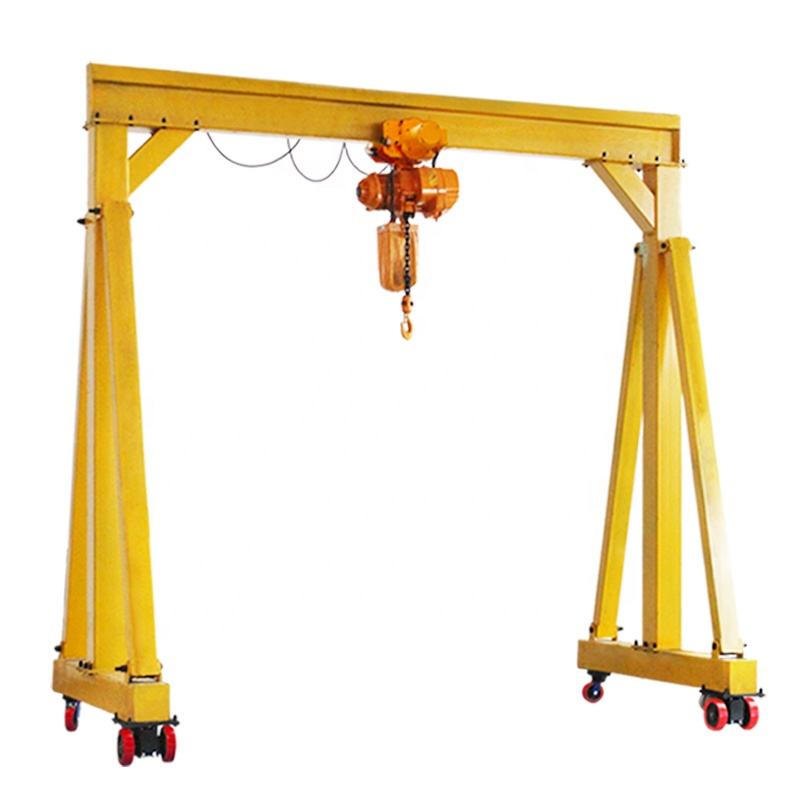
Versatility of Installation: They can be configured in multiple ways: as a stationary hoist, mounted on a trolley for horizontal movement along an I-beam, or integrated into a gantry crane or overhead crane system for full coverage of a work area.
Defining Characteristics
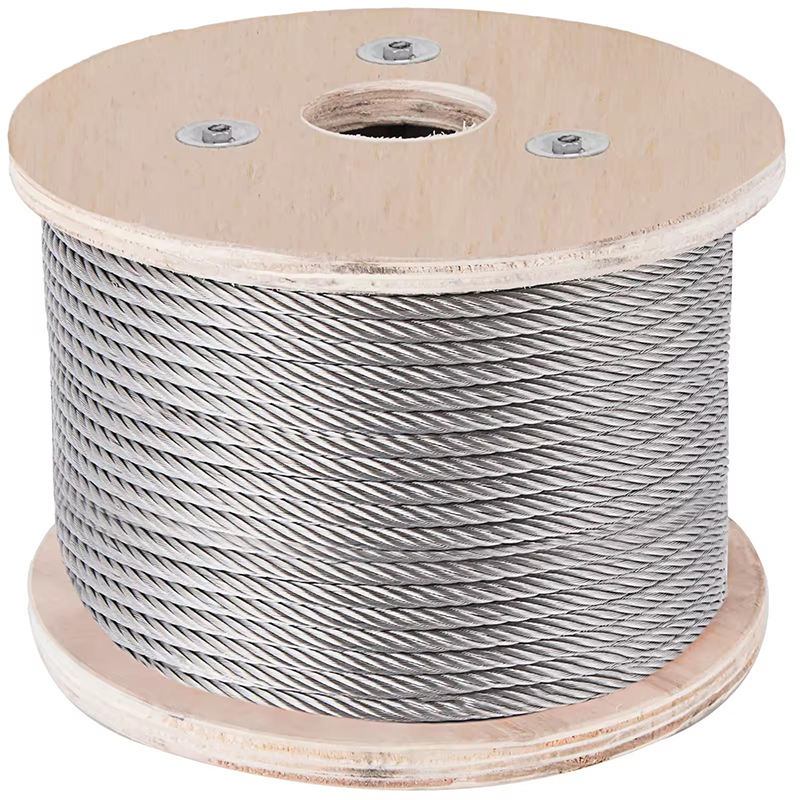
Lifting Medium: Steel Wire Rope: Provides excellent strength-to-weight ratio, flexibility, and redundancy (multiple strands). It is less prone to sudden failure and can be inspected easily for wear.
Power Source: Electric Motor: Typically a three-phase induction motor, offering consistent power for heavy and frequent use. Requires a reliable site power supply or generator.
Gearing System: Uses a high-ratio gearbox to reduce the motor's high speed to powerful, manageable lifting speeds, providing the necessary torque.
Braking Systems: Employ multiple safety brakes:
Primary Load Brake: An automatic, fail-safe mechanical brake that engages when power is cut.
Regenerative/Electronic Brake: Assists in controlling the load during descent.
Safety & Protection Features:
Upper and Lower Limit Switches: Automatically stop the hoist at preset heights to prevent over-travel and rope damage ("two-blocking").
Overload Limit Device: Prevents the hoist from lifting loads beyond its rated capacity.
Thermal Overload Protection: Protects the motor from burnout due to overuse.
IP Rating: Indicates protection against dust and water ingress (e.g., IP54, IP65). A higher IP rating is crucial for outdoor or dusty site use.
Common Construction Site Applications
Erecting structural steel beams and columns.
Lifting and placing precast concrete panels, walls, and double tees.
Installing Mechanical, Electrical, and Plumbing (MEP) units like HVAC systems.
Handling formwork, scaffolding, and construction materials.
Positioning heavy machinery and equipment.
Maintenance and repair work in temporary workshops.
In conclusion, the electric wire rope hoist is the workhorse of the construction industry due to its power, speed, durability, and safety features. Its ability to perform reliable, heavy-lift cycles in tough conditions makes it an indispensable tool for improving efficiency, reducing physical strain on workers, and ensuring the safe handling of critical loads on a dynamic construction site.


 Click:2873Edit: Admin
 Time:2025-10-16 09:20:09


 Tel:
+8613653129869
Tel:
+8613653129869 Whatsapp:
+8613653129869
Whatsapp:
+8613653129869 Email:
chuanghehoist@gmail.com
Email:
chuanghehoist@gmail.com Address:Donglu Village, Donglu Township, Qingyuan District, Baoding City, Hebei Province
 English
 Français
 Español


 Email
Email +8613653129869
 +8613653129869
 Home
Home Whatsapp
 chuanghehoist@gmail.com