In the evolving world of material handling and industrial operations, I’ve consistently observed one piece of equipment proving its value across countless scenarios—the electric winch. While it may appear simple at first glance, its role in improving efficiency, ensuring safety, and supporting heavy-duty operations is far more significant than many realize.
As industries continue to push toward automation and higher productivity, electric winches are no longer just auxiliary tools. They are becoming core components in lifting, pulling, positioning, and load-handling systems. In this article, I will go deep into how electric winches work, where they excel, and how to choose the right one for long-term operational success.
Understanding the Electric Winch: More Than Just a Pulling Tool
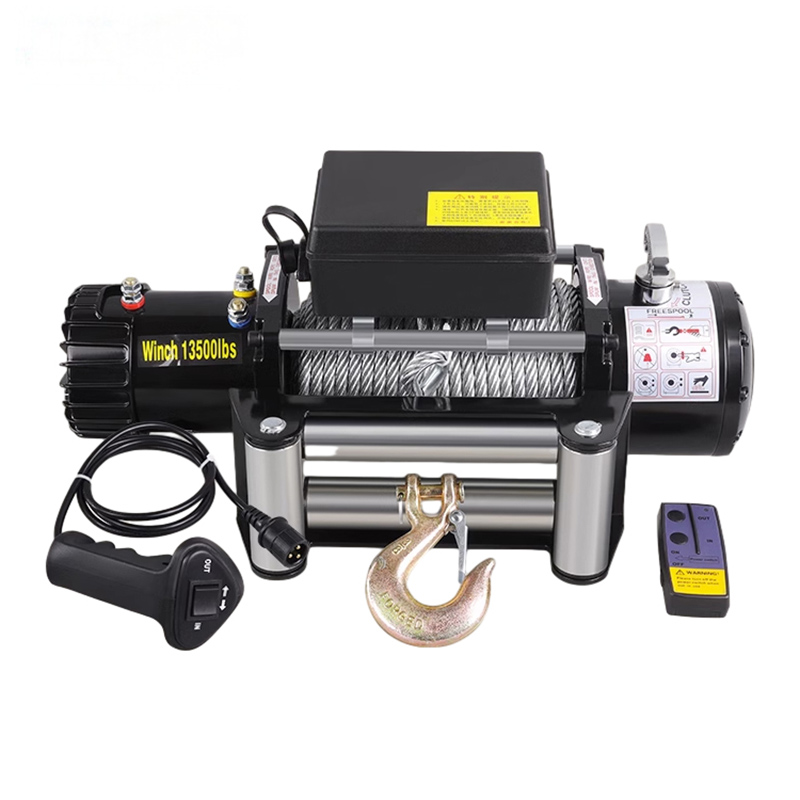
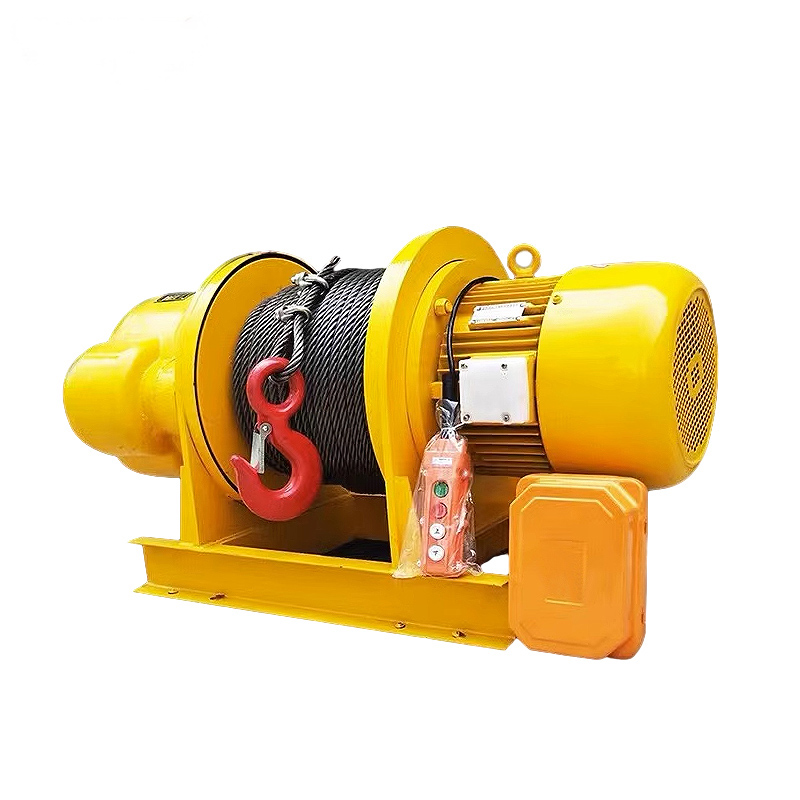
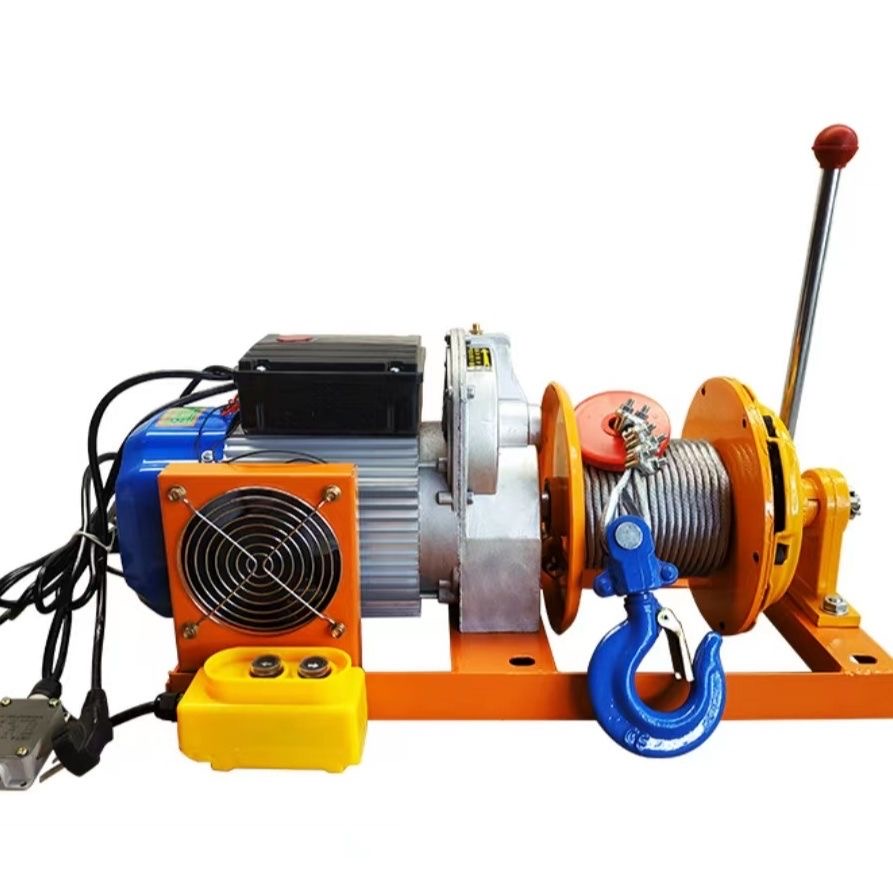
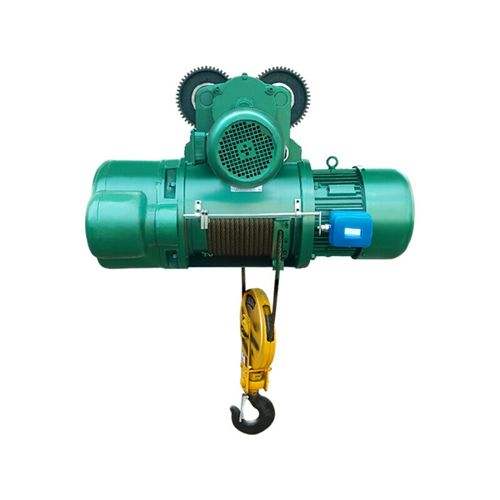
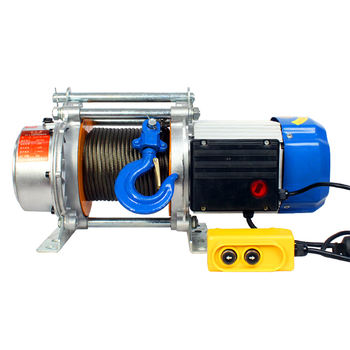
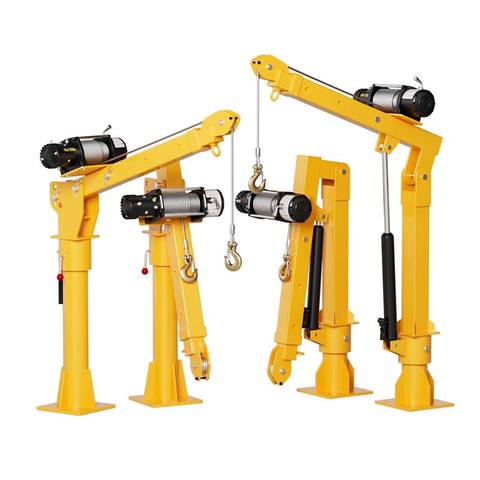
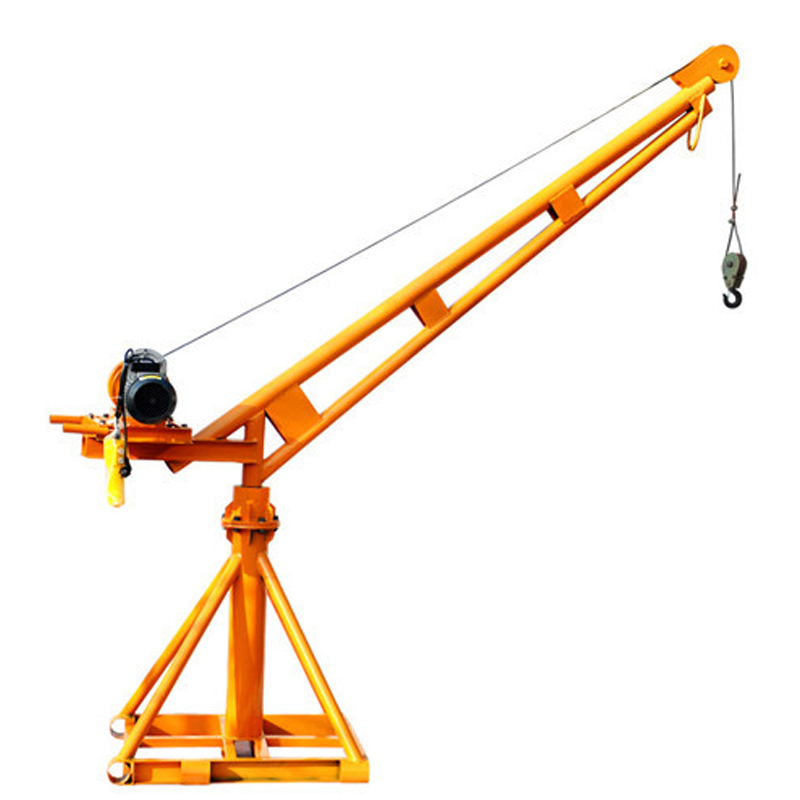
An electric winch is a motor-driven device designed to wind or unwind a rope or cable around a drum, generating force to pull or lift loads. The core components typically include:
·Electric motor
· Gear system
· Drum
· Wire rope or synthetic rope
· Control system
From my experience, what truly differentiates a high-quality electric winch from a standard one is not just its pulling capacity, but its reliability under continuous load and its ability to maintain control in demanding environments.
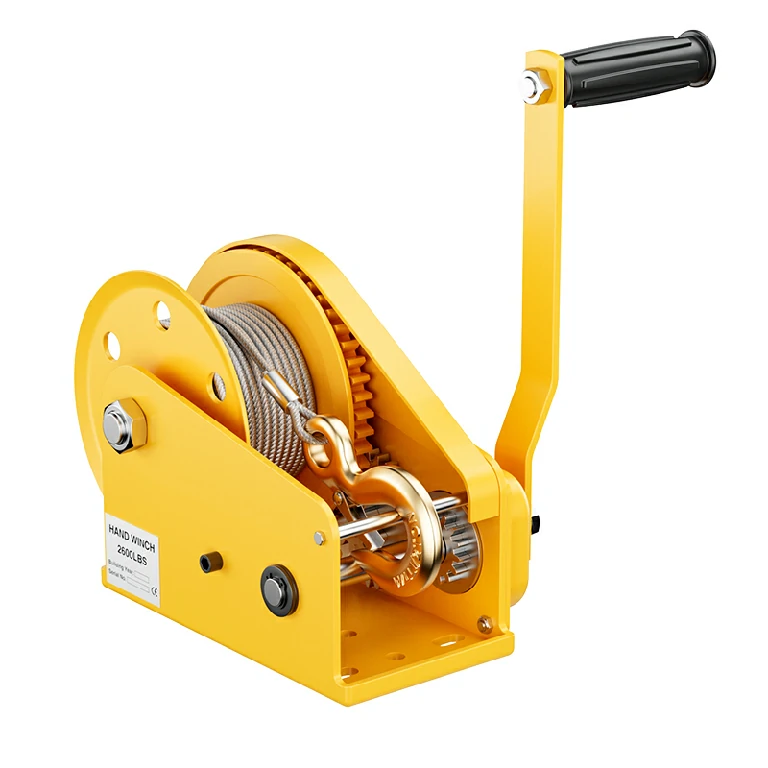
Unlike manual winches, which rely on physical effort, or hydraulic winches that require complex systems, electric winches strike a balance between power, control, and convenience.
Why Electric Winches Are Becoming Industry Standard
1. Operational Efficiency at Scale
In modern operations, time is directly tied to cost. Electric winches drastically reduce manual handling time. Tasks that once required multiple workers can now be completed by a single operator with precision.
I’ve seen warehouses reduce loading times significantly simply by integrating electric winches into their workflow.
2. Safety Is No Longer Compromised
Safety is one of the biggest challenges in lifting operations. Electric winches address this through:
· Automatic braking systems
· Overload protection
· Emergency stop functions
· Controlled speed operation
These features not only protect the load but also reduce risks to operators. In many cases, investing in a higher-quality winch directly correlates with fewer workplace incidents.
3. Adaptability Across Applications
One of the reasons I often recommend electric winches is their adaptability. They are used in:
· Construction sites for lifting steel, concrete, and equipment
· Marine environments for anchoring, mooring, and boat handling
· Logistics and warehousing for moving heavy pallets and machinery
· Off-road and recovery operations for vehicle pulling
· Manufacturing plants for positioning heavy components
Few pieces of equipment can match this level of versatility.
Types of Electric Winches and Their Use Cases
Understanding different types of electric winches is essential before making a decision.
Light-Duty Electric Winches
These are typically used for small-scale applications such as trailers, light vehicles, or workshop tasks. They are compact, cost-effective, and easy to install.
Heavy-Duty Industrial Winches
Designed for continuous operation and high load capacity, these winches are commonly used in construction, factories, and ports. They are built with robust materials and advanced safety systems.
Planetary Gear Winches
Known for their compact design and high efficiency, planetary gear systems provide smooth operation and are suitable for applications requiring precise control.
Worm Gear Winches
These offer higher load-holding capability due to their self-locking nature, making them ideal for applications where safety is critical.
From my perspective, choosing between these types depends heavily on your application, frequency of use, and required level of control.
Key Technical Considerations When Selecting an Electric Winch
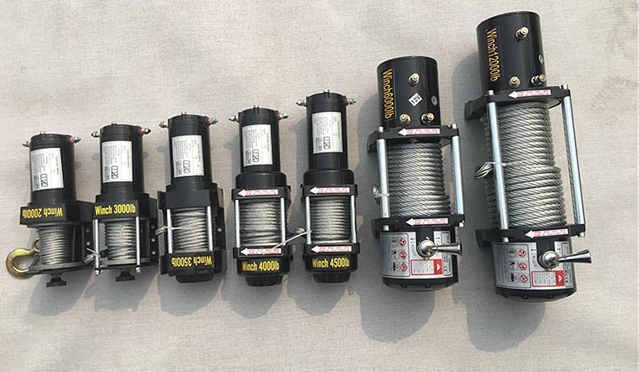
Choosing the right electric winch is not just about picking the highest capacity model. I always emphasize a balanced evaluation:
Rated Line Pull
This determines the maximum load the winch can handle. It’s best practice to select a winch with at least 20–30% higher capacity than your actual requirement.
Line Speed
Faster is not always better. In many industrial applications, controlled and stable speed is more important than raw speed.
Duty Cycle
This defines how long the winch can operate without overheating. For frequent or continuous use, a higher duty cycle is essential.
Power Requirements
Electric winches may run on DC or AC power. Industrial environments typically use AC-powered winches, while mobile applications often rely on DC systems.
Rope Selection: Wire vs Synthetic
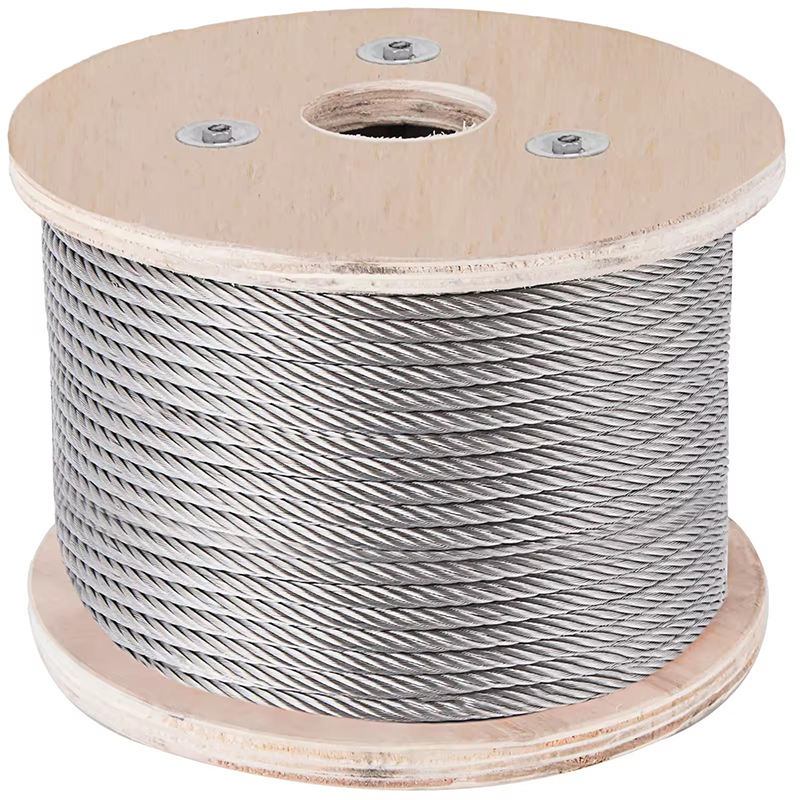
Wire Rope:
· High strength
· Abrasion resistant
· Ideal for heavy-duty applications
Synthetic Rope:
· Lightweight
· Safer in case of breakage
· Easier to handle
I usually recommend wire rope for industrial use and synthetic rope for mobile or safety-sensitive environments.
Installation and Integration Considerations
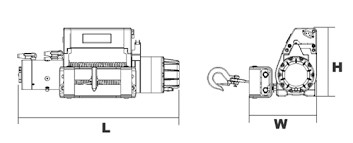
An electric winch is only as effective as its installation. Improper mounting or alignment can lead to performance issues or safety risks.
Key points I always highlight:
· Ensure a solid mounting structure
· Align the rope correctly with the load direction
· Avoid side pulling whenever possible
· Use proper electrical connections and protection
In more advanced setups, electric winches are integrated into automated systems, allowing remote operation and synchronization with other machinery.
Maintenance: The Key to Longevity
Even the best electric winch will fail without proper maintenance. I’ve seen many cases where minor neglect leads to major downtime.
Regular maintenance should include:
· Inspecting the rope for wear or damage
· Checking motor performance
· Lubricating gears and moving parts
· Testing safety features
Routine inspection not only extends equipment life but also ensures consistent performance.
Emerging Trends in Electric Winch Technology
The industry is moving toward smarter and more efficient solutions. Some trends I’ve been following closely include:
Remote and Wireless Control
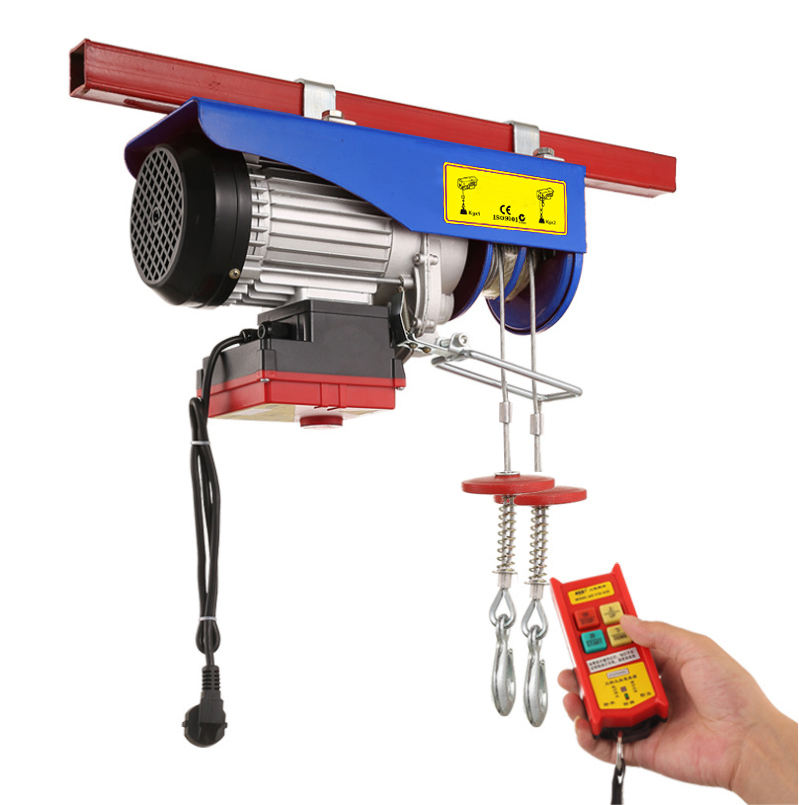
Operators can now control winches from a safe distance, improving both safety and convenience.
Smart Monitoring Systems
Sensors and digital interfaces allow real-time monitoring of load, temperature, and performance.
Energy Efficiency Improvements
Modern electric winches are designed to consume less power while delivering higher output.
Integration with Automation
In advanced facilities, winches are becoming part of fully automated material handling systems.
These innovations are shaping the future of lifting and pulling operations.
Common Mistakes to Avoid
Over the years, I’ve noticed several recurring mistakes when businesses choose or use electric winches:
· Selecting based on price alone
· Ignoring duty cycle requirements
· Overloading the winch
· Skipping regular maintenance
· Improper installation
Avoiding these mistakes can save both time and money in the long run.
Final Thoughts
Electric winches are no longer optional equipment in modern industry—they are essential tools that directly impact efficiency, safety, and operational capability.
From my experience, the right electric winch does more than just move loads. It streamlines workflows, reduces labor intensity, and enhances overall productivity.
For businesses looking to stay competitive, investing in a high-quality electric winch and using it correctly is not just a smart decision—it’s a necessary one.



 Click:911
Edit: Chuanghe Hoisting
Click:911
Edit: Chuanghe Hoisting Time:2026-04-23 14:33:41


 Tel:
+8613653129869
Tel:
+8613653129869 Whatsapp:
+8613653129869
Whatsapp:
+8613653129869 Email:
chuanghehoist@gmail.com
Email:
chuanghehoist@gmail.com Address:Donglu Village, Donglu Township, Qingyuan District, Baoding City, Hebei Province
 English
 Français
 Español



 Email
Email +8613653129869
 +8613653129869
 Home
Home Whatsapp
 chuanghehoist@gmail.com