


Si vous avez des questions, veuillez contacter notre service clientèle en ligne immédiatement
 Cliquez:192
Modifier: Chuanghe Hoisting
 Temps:2026-09-10 14:13:46
Modern warehouses are under increasing pressure to move more goods in less time while improving workplace safety and reducing operating costs. As a result, efficient material handling equipment has become an essential part of warehouse and logistics operations.
Among the different types of pallet handling equipment available today, the ride-on electric stacker is an increasingly popular solution for businesses that need efficient pallet transportation and stacking.
Unlike a traditional manual stacker, a ride-on electric stacker uses an electric drive system and electric lifting system to reduce operator effort. The operator can stand on the platform and control the machine while moving pallets around the warehouse.
This combination of electric power, ride-on operation, compact design, maneuverability, and lifting capability makes the ride-on electric stacker suitable for warehouses, logistics centers, manufacturing plants, distribution centers, and other industrial environments.
In this guide, we will look at how ride-on electric stackers work, their advantages, applications, safety features, maintenance requirements, and the key factors buyers should consider when selecting a machine.
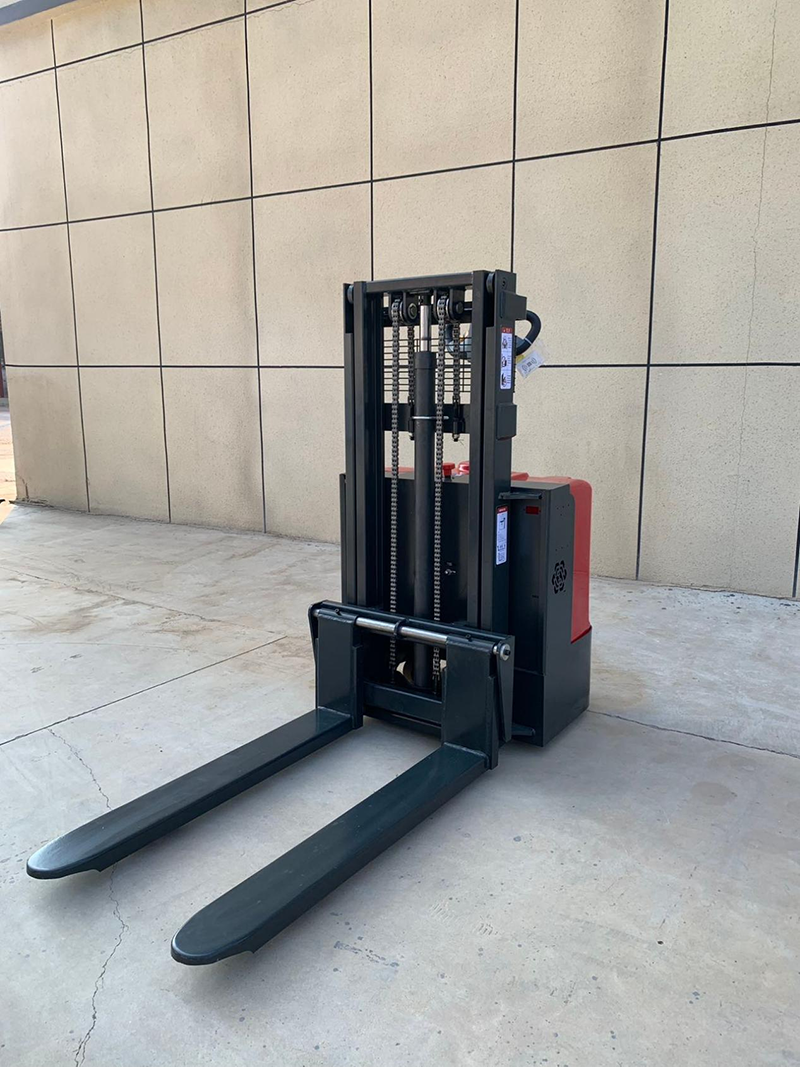
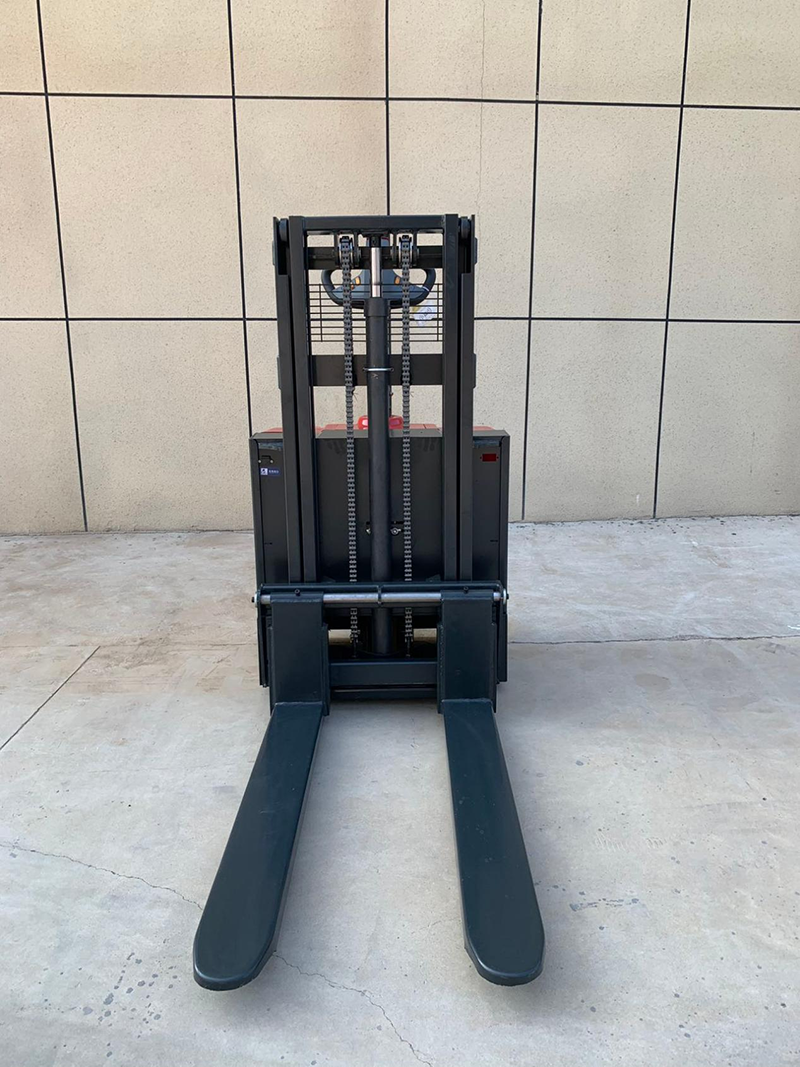
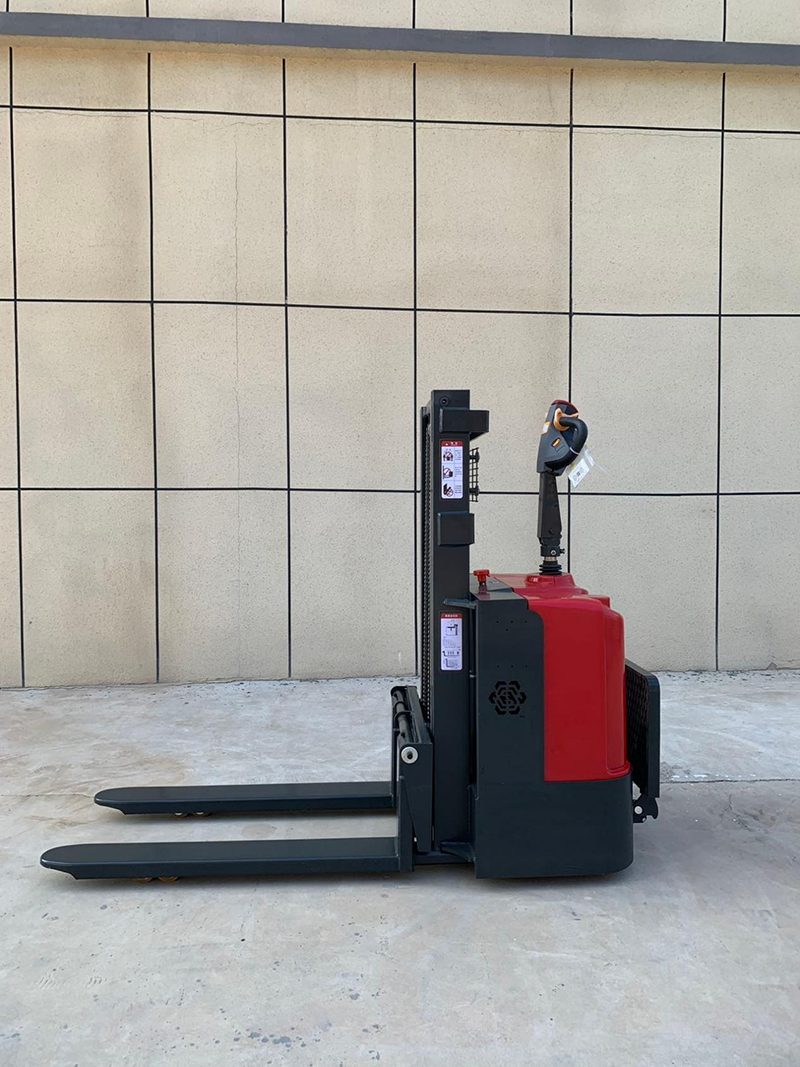
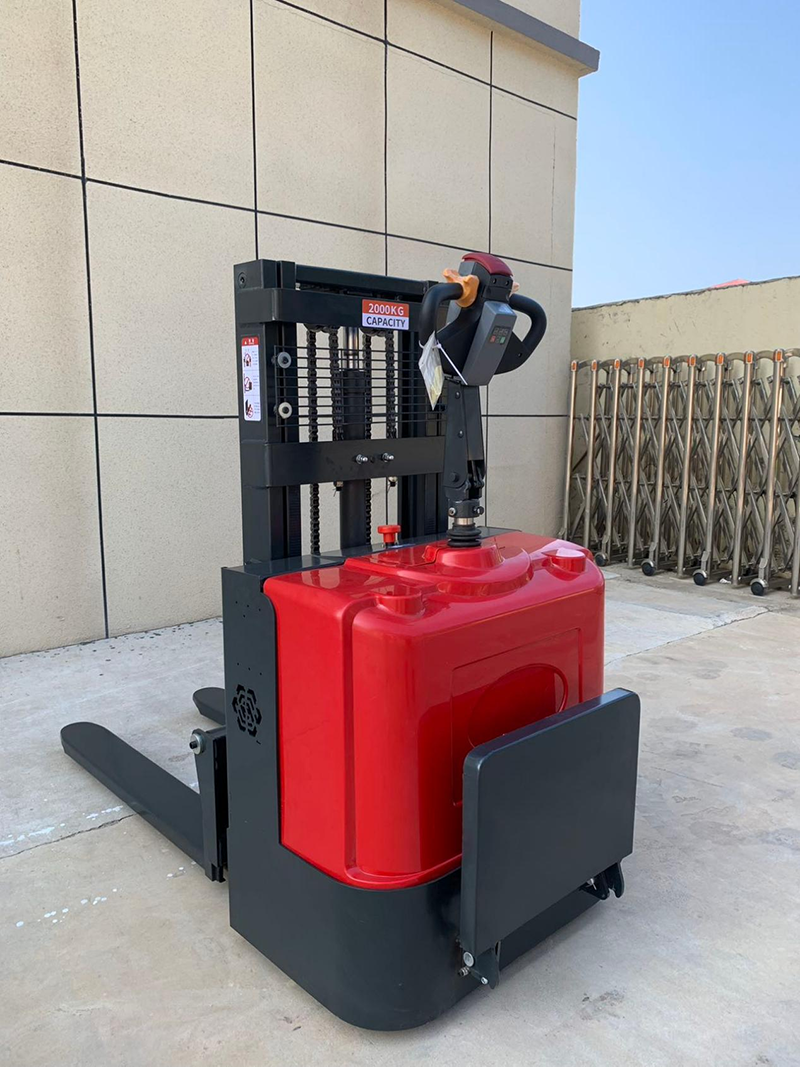
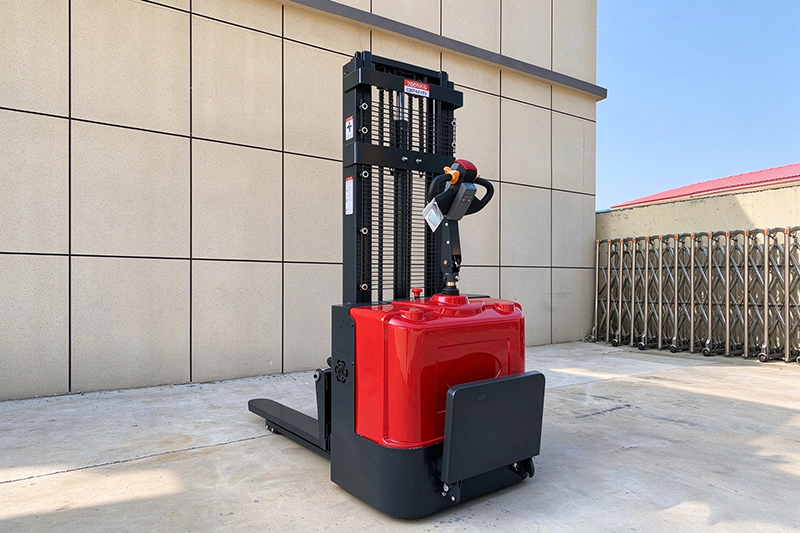
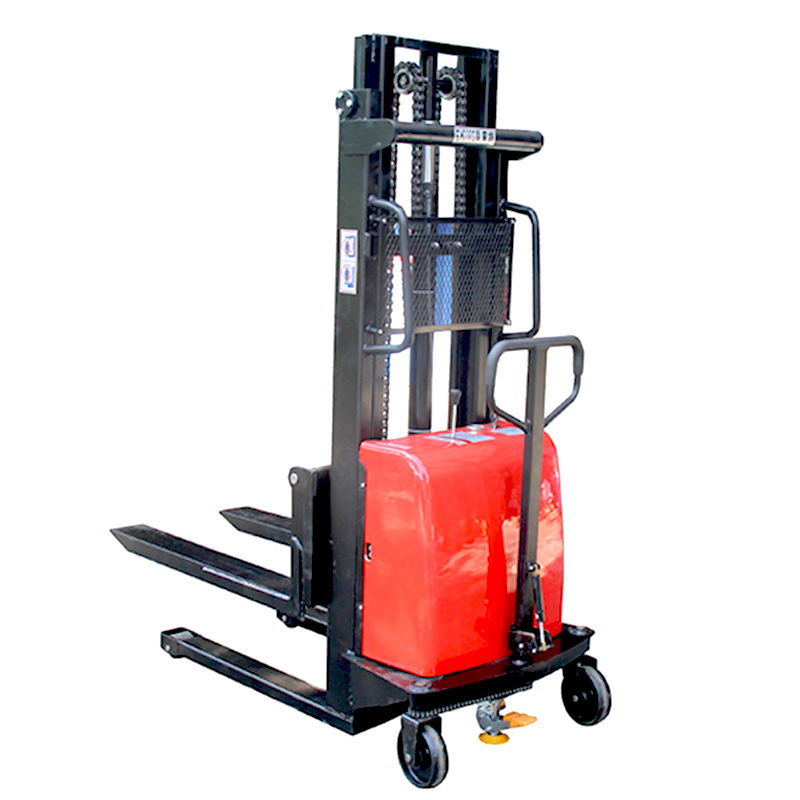
A ride-on electric stacker is a battery-powered material handling machine designed to transport and lift palletized goods.
Unlike a walkie stacker, where the operator walks behind the machine, a ride-on model allows the operator to stand on a dedicated platform while the machine travels electrically.
This operating configuration can be especially useful when pallets need to be moved over relatively long distances within a warehouse.
The main functions normally include:
Electric forward and reverse travel
Electric fork lifting
Electric fork lowering
Pallet transportation
Pallet stacking
Loading and unloading
Short- and medium-distance warehouse transportation
The exact specifications vary according to the model and configuration, so buyers should always confirm rated capacity, lifting height, battery type, and dimensions before ordering.
A ride-on electric stacker integrates several major systems.
The drive motor provides the power required to move the stacker.
Because travel is electrically powered, the operator does not need to manually push the machine, which can significantly reduce physical effort during frequent pallet transportation.
The lifting system raises the forks and pallet to the required height.
This allows operators to stack pallets at different levels and position loads more efficiently.
A rechargeable battery supplies power to the driving, lifting, and control systems.
Battery capacity should be selected according to the expected workload and daily operating hours.
The mast supports vertical lifting and determines the available lifting height.
Different warehouse layouts may require different mast configurations.
The forks enter the pallet openings and support the load.
Fork dimensions and load center must be compatible with the pallets being handled.
The operator platform is one of the major differences between a ride-on electric stacker and a walkie stacker.
The operator can stand on the platform while traveling, which can make longer warehouse transportation tasks more efficient.
One of the biggest benefits is improved productivity.
When workers need to move pallets repeatedly over longer distances, walking behind a conventional stacker can take considerable time and energy.
A ride-on electric stacker allows the operator to travel with the machine, helping shorten transportation time.
This makes it particularly suitable for warehouses where pallet movement is frequent.
Manual pallet handling can place significant physical demands on workers.
An electric drive system eliminates the need to manually push heavy loads.
The operator can control the machine through the operating handle while standing on the platform.
This can improve operator comfort during long working shifts.
Electric lifting makes pallet stacking easier and more consistent.
Instead of manually pumping a hydraulic handle, the operator can control the lifting function electrically.
This is especially useful when pallets need to be lifted and lowered many times during daily operations.
Compared with many conventional forklifts, electric stackers can have a more compact design.
This can be an important advantage in warehouses with:
Narrow aisles
Limited turning space
Smaller storage areas
Dense pallet storage
Indoor material handling requirements
The exact maneuverability depends on the machine dimensions and configuration.
Because the machine uses an electric power system rather than an internal combustion engine, it is well suited to many indoor applications.
This can help create a cleaner and quieter working environment.
For companies looking to improve their warehouse sustainability, electric material handling equipment can also be an attractive option.
Both machines are designed for pallet handling, but their operating methods are different.
Feature | Walkie Electric Stacker | Ride-On Electric Stacker |
Operator position | Walking behind | Standing on platform |
Travel | Electric | Electric |
Lifting | Electric | Electric |
Long-distance movement | Moderate | More suitable |
Operator fatigue | Low to moderate | Lower during longer travel |
Maneuverability | Excellent | Excellent, depending on model |
Warehouse use | Small/medium areas | Medium/larger handling routes |
Productivity | High | Higher for frequent travel |
A walkie stacker can be ideal for compact warehouses and short-distance pallet movement.
A ride-on model becomes particularly attractive when the operator needs to move pallets frequently over longer internal transportation routes.
Electric pallet trucks and ride-on stackers are both important warehouse machines, but their primary functions are different.
An electric pallet truck is mainly designed for horizontal pallet transportation.
Typical applications include:
Moving pallets between warehouse areas
Loading and unloading
Short-distance transportation
Order preparation
Ride-On Electric Stacker
A ride-on stacker combines transportation with vertical pallet lifting.
Typical applications include:
Pallet stacking
Rack handling
Loading and unloading
Warehouse transportation
Vertical material handling
Therefore, if your operation mainly requires horizontal transportation, an electric pallet truck may be sufficient.
If your warehouse requires both transportation and pallet stacking, a ride-on electric stacker may provide greater functionality.
Warehouses
Warehouses are one of the most important application areas.
Ride-on electric stackers can be used to:
Transport pallets
Stack goods
Reorganize storage areas
Move materials between warehouse zones
Load and unload palletized products
Logistics and Distribution Centers
Logistics operations often require continuous pallet movement.
The ride-on design can be particularly useful when operators need to travel between receiving, storage, picking, and shipping areas.
Factories frequently need to transport raw materials and finished products.
A ride-on electric stacker can help move:
Components
Raw materials
Finished products
Packaging materials
Pallets
between production and storage areas.
Large retail operations often use palletized goods.
Electric stackers can assist with moving goods from receiving areas into storage and distribution zones.
Selecting the correct machine is critical for safety and productivity.
First determine the maximum weight of the pallets you need to handle.
Never select a machine based only on average load weight.
The maximum expected load should be considered.
Also pay attention to the load center because rated capacity can be affected by the distance between the load's center of gravity and the fork face.
Determine the highest point to which the pallets need to be lifted.
Consider:
Warehouse rack height
Pallet stacking height
Ceiling height
Door clearance
Truck/container loading requirements
Choosing the correct mast configuration helps prevent unnecessary limitations during operation.
Battery capacity should match daily working requirements.
For occasional use, a standard battery may be adequate.
For intensive warehouse operations, buyers should consider:
Battery capacity
Charging time
Daily operating hours
Charging frequency
Replacement battery availability
Warehouse aisle width is another critical factor.
Before purchasing, measure:
Aisle width
Turning radius
Door openings
Rack spacing
Loading areas
A machine that is too large for the warehouse can reduce rather than improve efficiency.
Electric stackers generally perform best on suitable warehouse floors.
Check whether the working area has:
Smooth concrete
Uneven surfaces
Ramps
Thresholds
Slopes
Outdoor areas
The wheel type should also be selected according to the actual working environment.
Safety should always be the first priority when using pallet handling equipment.
Operators should receive appropriate training before using a ride-on electric stacker.
Important safety practices include:
Never Exceed Rated Capacity
Do not lift loads above the rated capacity of the machine.
Keep Loads Stable
Pallets should be positioned correctly on the forks and should not be unstable.
Drive at Appropriate Speeds
Speed should be adjusted according to the warehouse environment, pedestrian traffic, load weight, and floor conditions.
Use Emergency Stop Functions
Operators should understand how to use the emergency stop system.
Keep Pedestrians Clear
Warehouse traffic should be organized to minimize the risk of collisions between equipment and pedestrians.
Inspect Before Operation
Operators should inspect the equipment before each shift.
Regular maintenance can help improve reliability and extend equipment service life.
Before operation, check:
✔ Battery condition
✔ Forks
✔ Wheels
✔ Brake system
✔ Emergency stop
✔ Control handle
✔ Mast
✔ Lifting system
✔ Warning devices
✔ Visible bolts and fasteners
Any abnormal noise, vibration, leakage, or damaged components should be investigated before continued operation.
Warehouse operations are becoming more efficient, automated, and technology-driven.
Companies increasingly need equipment that can provide:
Higher productivity + lower operator effort + better maneuverability + electric operation
A ride-on electric stacker can fit well into this development.
Instead of using large forklifts for every warehouse task, companies can use specialized electric equipment according to the specific application.
For pallet stacking and internal transportation, an electric stacker can provide a practical solution without requiring the footprint of a conventional forklift in every situation.
For material handling equipment distributors, adding ride-on electric stackers to their product portfolio can help meet the growing demand for warehouse electrification.
A distributor can combine electric stackers with:
Electric pallet trucks
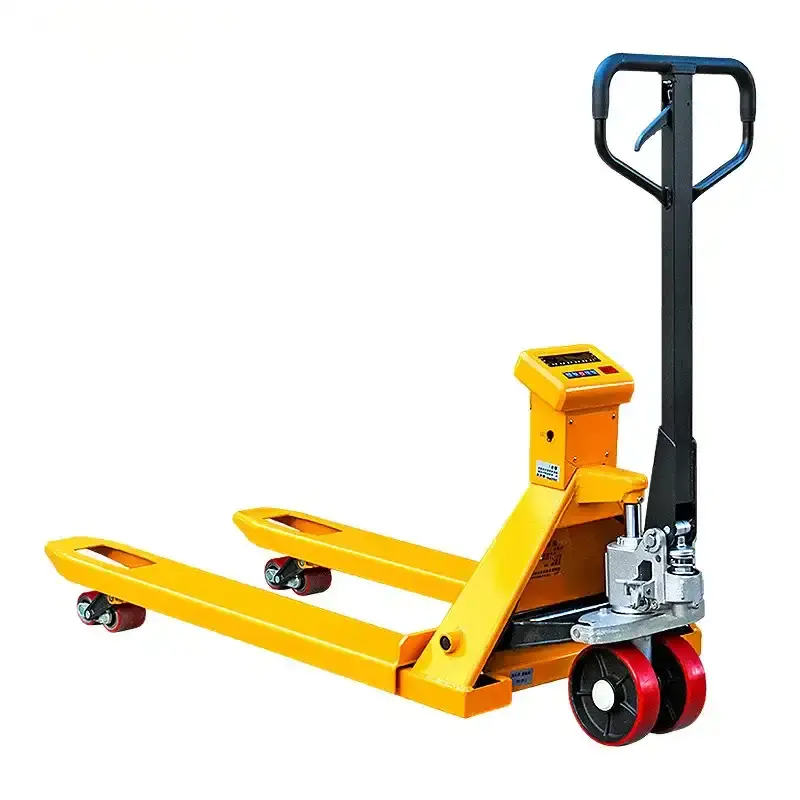
Manual pallet trucks
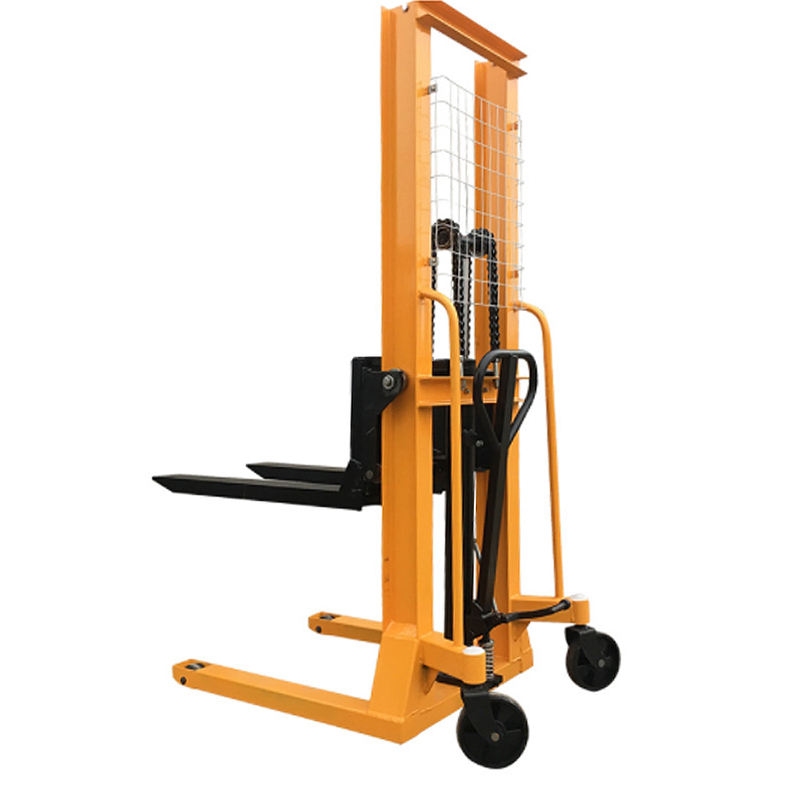
Manual stackers
Electric hoists
Hand chain hoists
Lever hoists
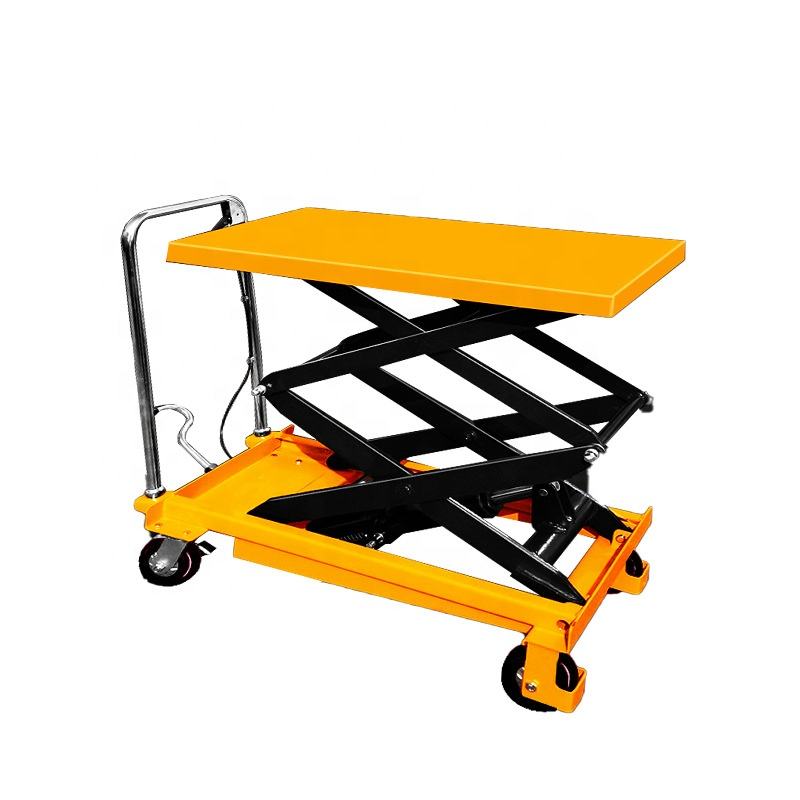
Hydraulic lift tables
Lifting accessories
This creates a broader material handling product portfolio.
When choosing a Chinese manufacturer, distributors should evaluate:
Factory production capability
Product quality
Technical specifications
Spare parts support
Packaging
Delivery time
OEM/ODM capability
Certifications
After-sales service
CH HOIST provides a range of lifting and material handling equipment for industrial, warehouse, logistics, and distribution applications.
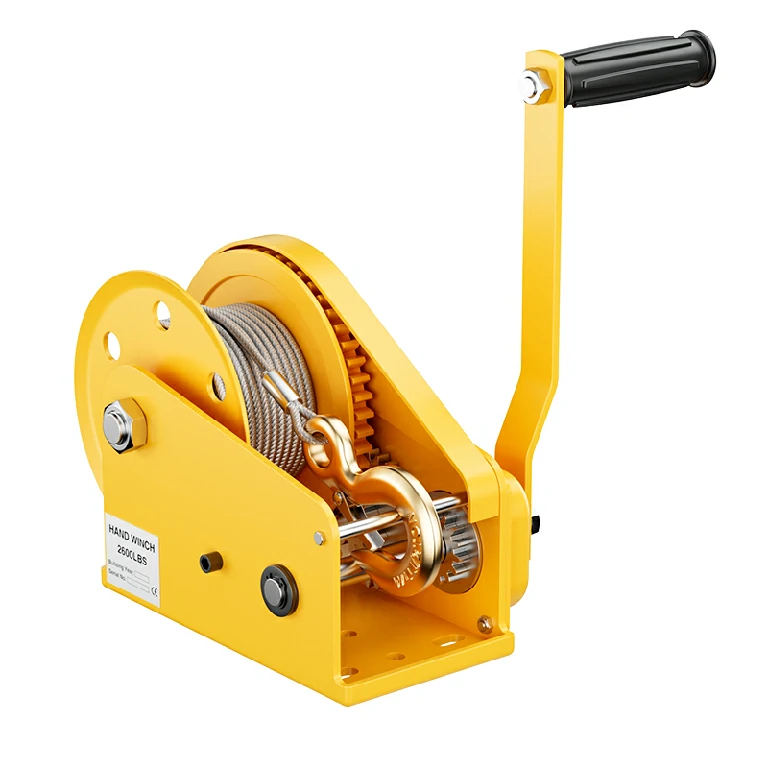
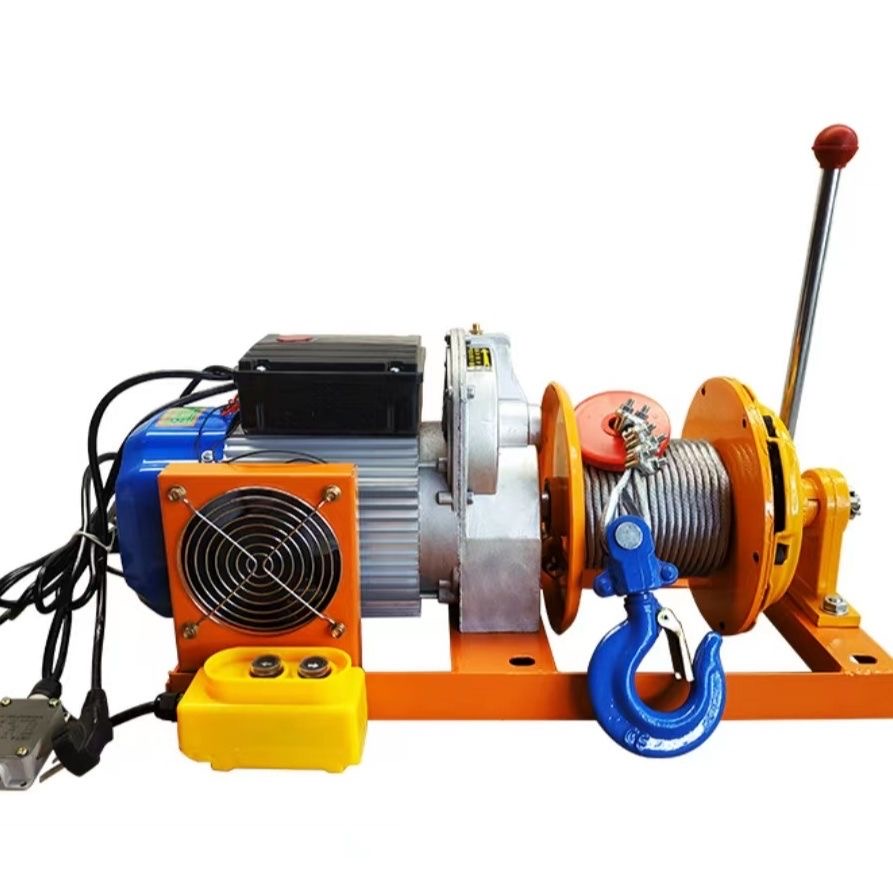
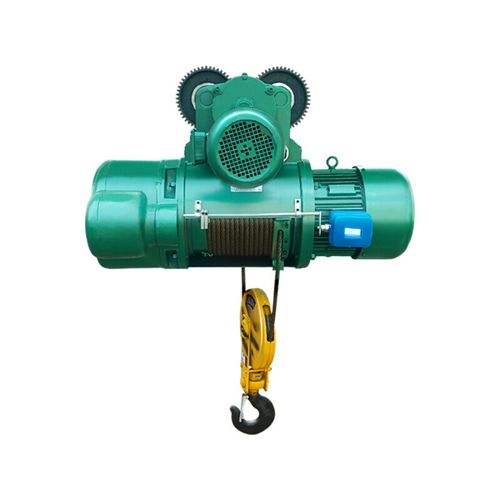
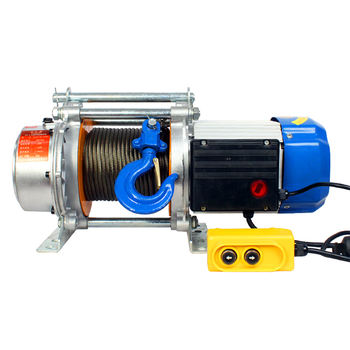
The company's product portfolio includes electric pallet trucks, stackers, manual pallet trucks, electric hoists, manual chain hoists, winches, lifting equipment, and rigging products.
For international buyers, working with a supplier that can provide multiple categories of material handling equipment can simplify sourcing and help distributors build a more complete product range.
For specific ride-on stacker projects, buyers should confirm the exact configuration, including:
Rated load capacity
Maximum lifting height
Fork dimensions
Battery specification
Travel speed
Mast type
Wheel configuration
Overall dimensions
before placing an order.
The ride-on electric stacker is an efficient solution for warehouses and logistics operations that require both pallet transportation and vertical lifting.
Its electric travel system reduces manual effort, while the electric lifting system makes pallet stacking more convenient. The ride-on platform can further improve efficiency when pallets need to be transported over longer distances.
For warehouses, manufacturing plants, logistics centers, and distribution facilities, selecting the right stacker can help improve productivity and make daily material handling operations more efficient.
For importers and distributors, electric stackers also represent an important product category within the growing electric material handling equipment market.
The key is to select equipment according to the real application—not simply the lowest price.
The right capacity, lifting height, battery, dimensions, and safety configuration can make a significant difference in warehouse performance.
Empileur électrique: un Guide complet pour choisir le bon équipement d’empilage d’entrepôt
2026-10-21Voir plus →
Mini palan électrique à fonctionnement de Type PA: un Guide complet sur la sélection, les Applications et le fonctionnement sûr
2026-10-20Voir plus →
Transpalette à pesage électrique complet un Guide complet de la manutention de palettes motorisées avec mesure de poids intégrée
2026-10-15Voir plus →


 Tél:
+8613653129869
 WhatsApp:
+8613653129869
 Courriel:
chuanghehoist@gmail.com
 Adresse:Donglu Village, Donglu Township, Qingyuan District, Baoding City, Hebei Province

 Français
 English
 Español




 Courriel
 +8613653129869
 +8613653129869

 Accueil
 WhatsApp
 chuanghehoist@gmail.com