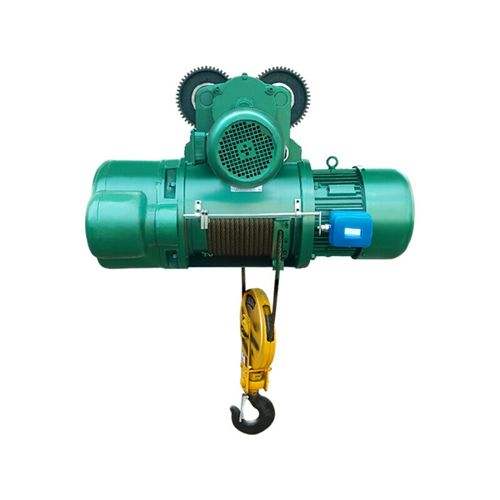
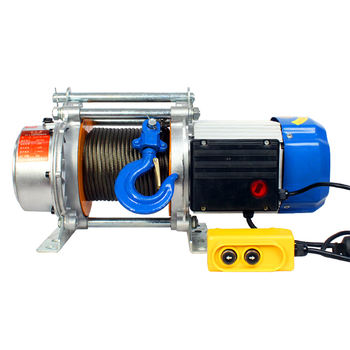
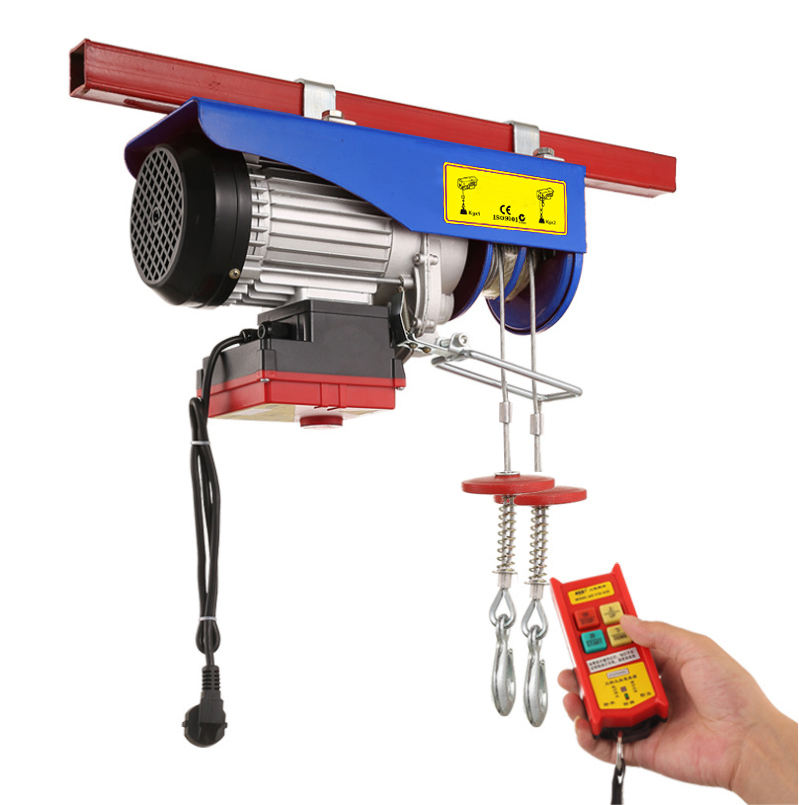
Wire Rope Hoist for Sale: What Factory and Warehouse Buyers Really Care AboutIn factories and warehouses, lifting equipment is not something people like to replace frequently. Once a hoist is installed, it is expected to work every day, often under pressure, and usually with little tolerance for failure. That is why when buyers look for a wire rope hoist for sale, the real concern is not only price or appearance, but whether the equipment can handle daily work without causing problems.From practical experience, wire rope hoists remain one of the most reliable solutions for medium to heavy lifting in industrial environments. Below is a straightforward look at how they are used, how they compare with chain hoists, and how to choose the right model based on real working conditions.
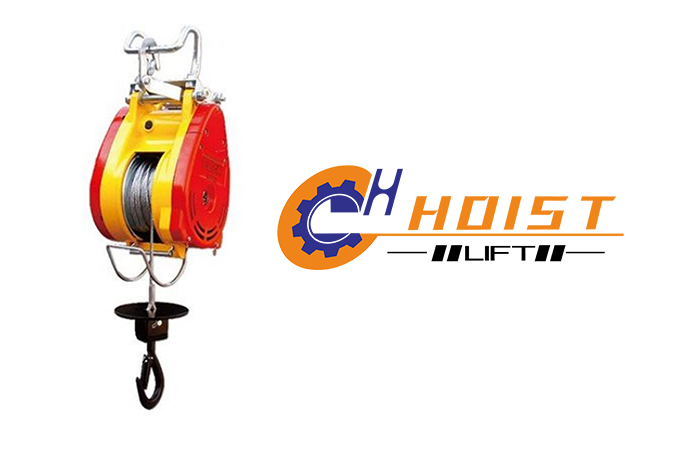
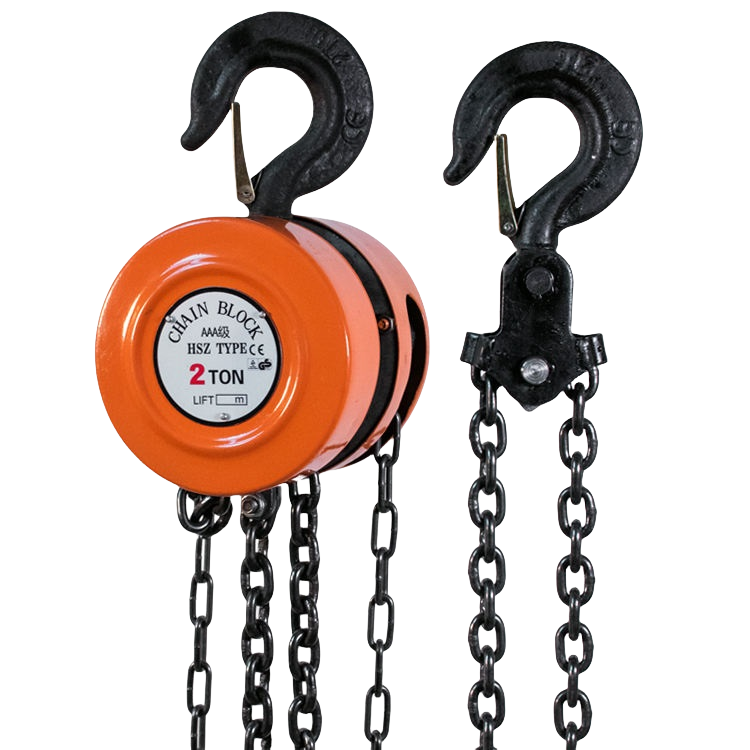
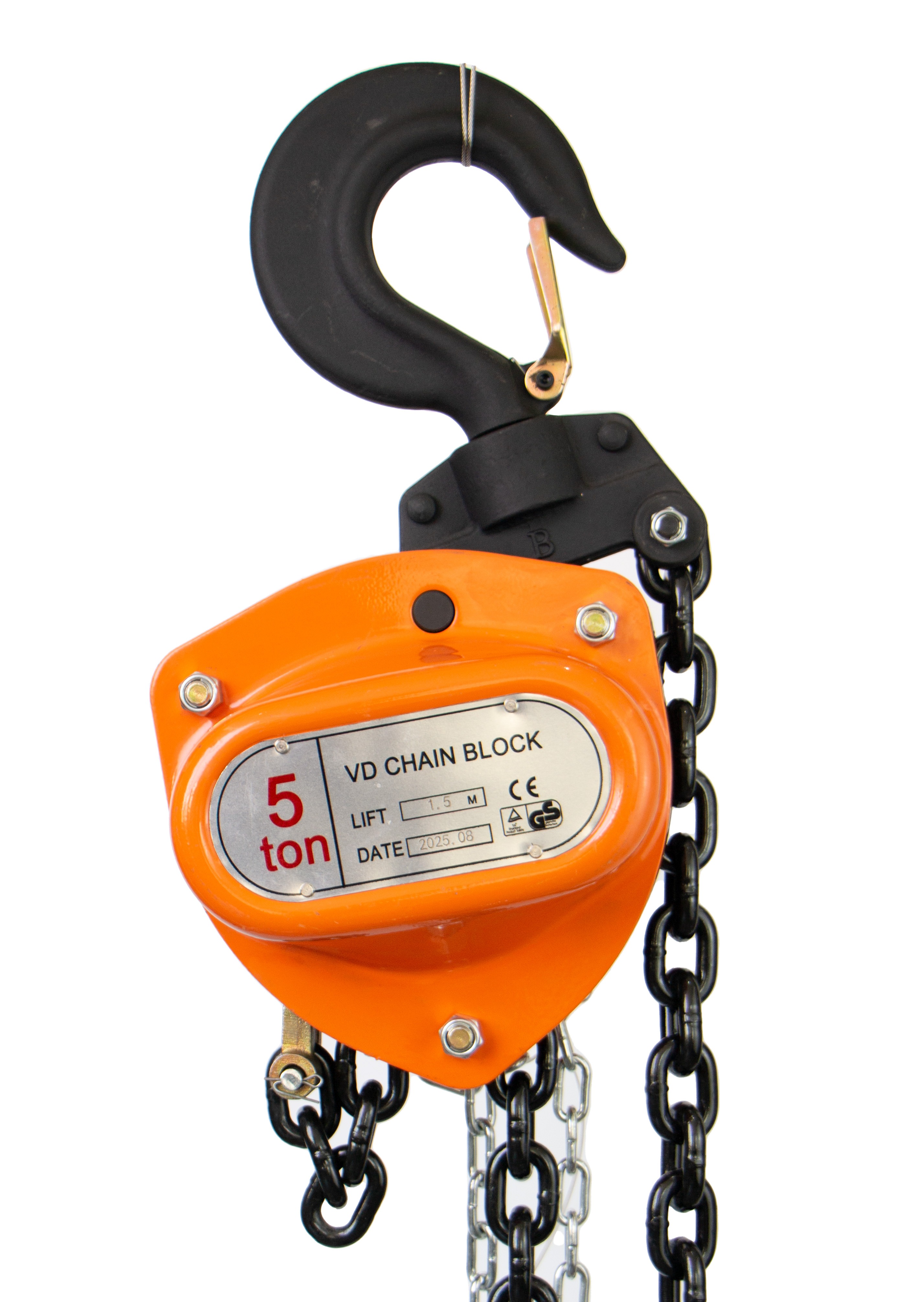
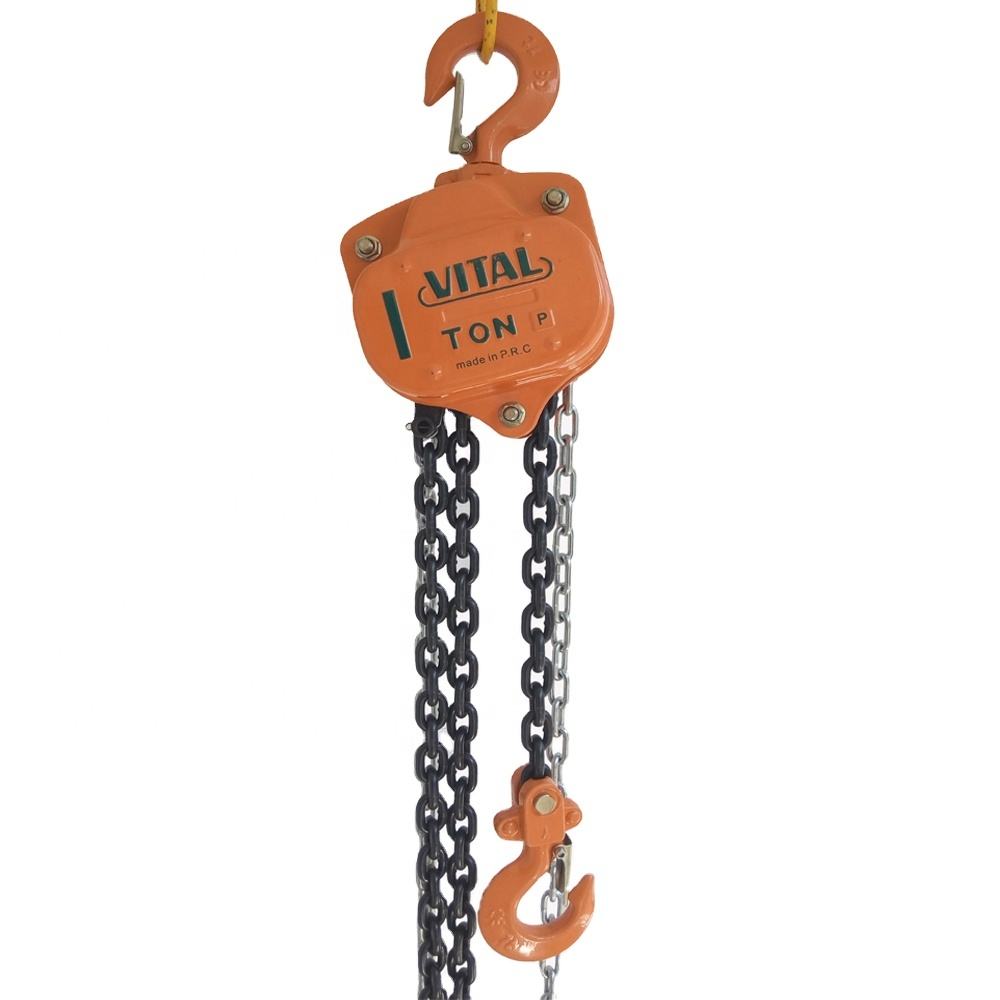
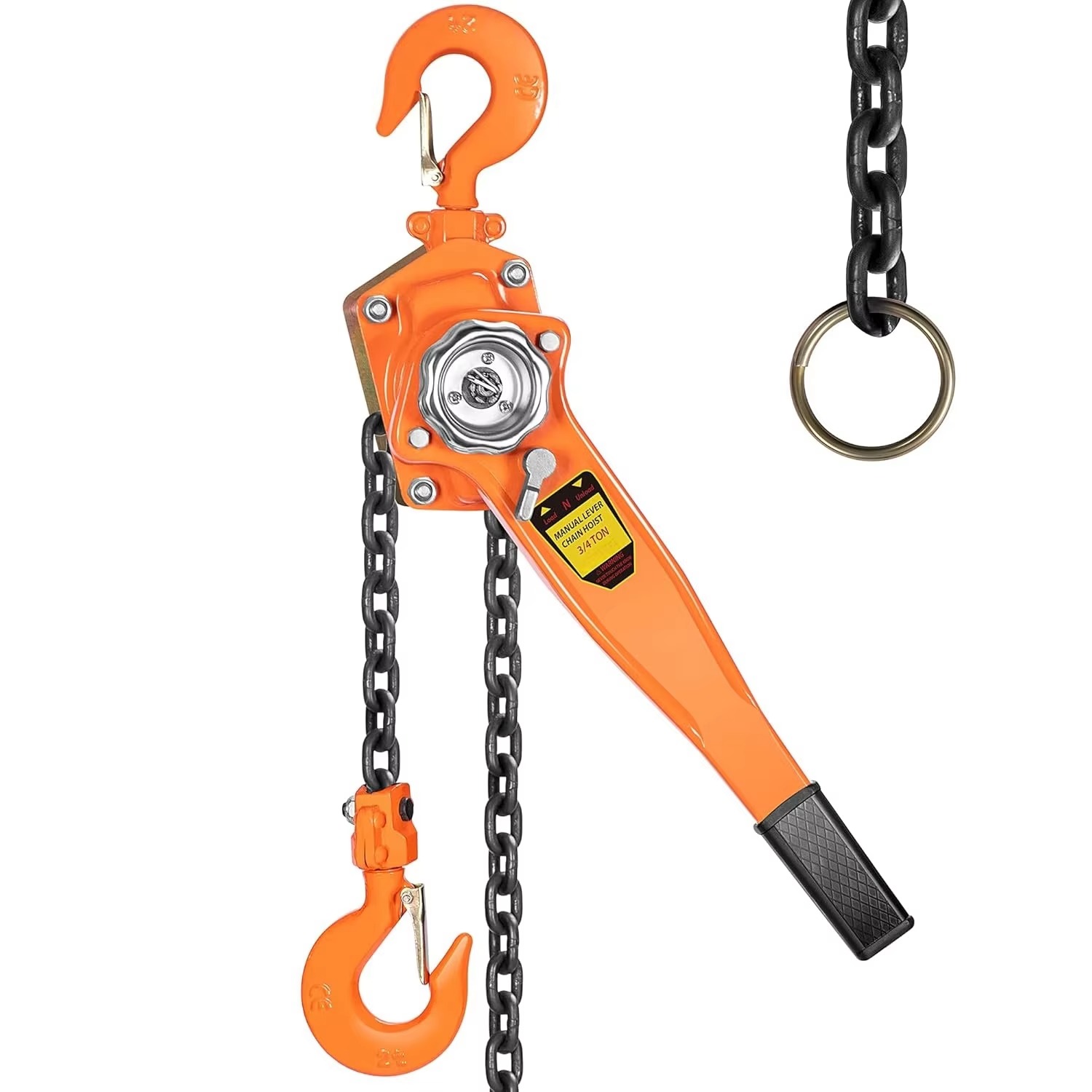
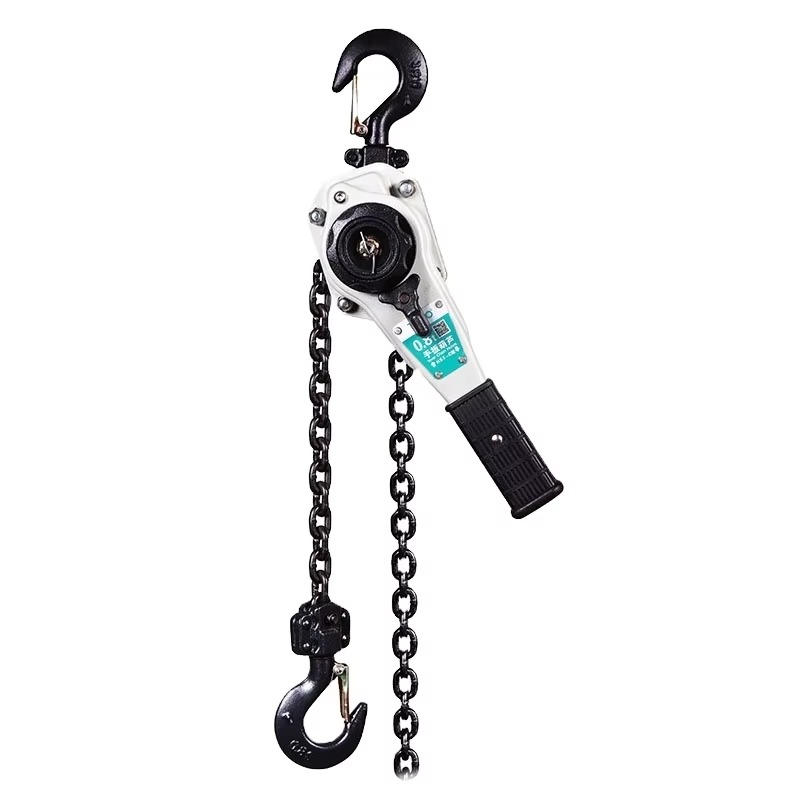
Wire Rope Hoist vs Chain Hoist: Practical Differences in Daily UseThe comparison between wire rope hoist vs chain hoist comes up often, especially during early-stage equipment selection. On paper, both can lift loads. In real operations, however, the difference becomes clear after weeks or months of use.Wire rope hoists are commonly chosen in factories and warehouses because they handle: - Heavier loads with better stability - Longer lifting heights without speed loss - Repeated lifting cycles throughout the day - Smoother operation with less load swingChain hoists are still useful, but they tend to work best for: - Lighter loads - Short lifting distances - Maintenance tasks or occasional use - Areas where space is very limitedIn facilities where lifting is part of the daily workflow rather than an occasional task, wire rope hoists usually prove to be more efficient and easier on operators over time.
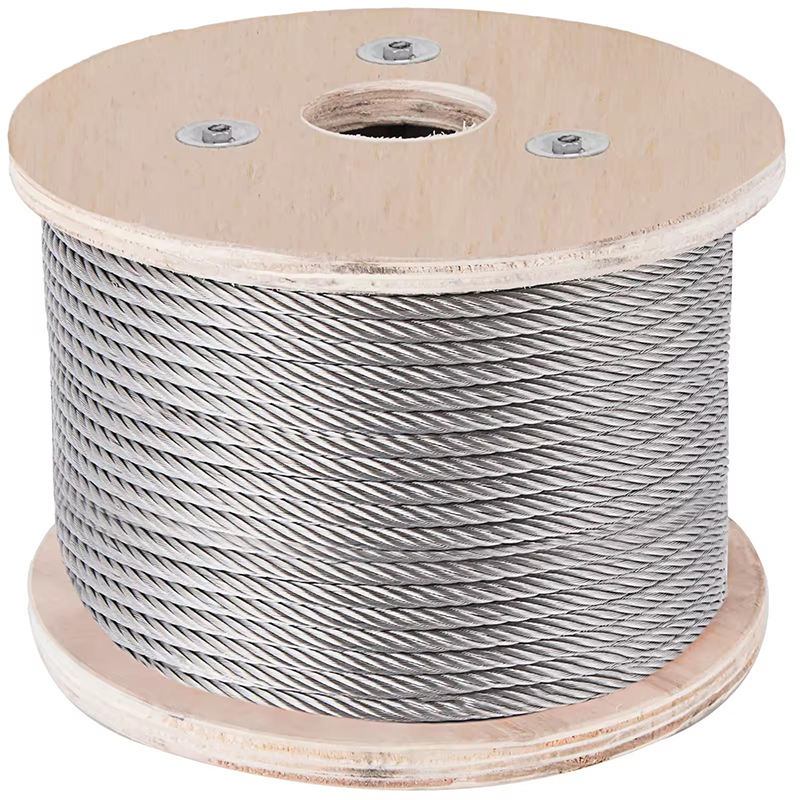
How to Choose the Best Wire Rope Hoist for Factory OperationsSelecting a wire rope hoist should start from how the equipment will actually be used, not just from technical parameters listed in a catalog.Load Capacity and Working FrequencyIt is always safer to choose a hoist with some capacity margin. If the hoist is used frequently or runs multiple shifts, the duty class becomes more important than the rated load alone.Lifting Height and Operating SpeedThe lifting height must match the building structure, but speed also matters. A hoist that is too slow reduces efficiency, while one that moves too fast can make precise positioning difficult.Power Supply and Control PreferenceMost factories use pendant control because it is simple and reliable. In warehouses with wider working areas, remote control is often preferred, as it allows operators to keep a clear view of the load.Installation ConditionsBefore choosing a model, it is important to confirm whether the hoist will run on a single girder crane, double girder crane, or monorail system. A well-matched installation avoids unnecessary adjustments later.Maintenance in Real ConditionsEasy access to wire rope, brake, and motor components saves time during routine inspection. In long-term operation, simple maintenance often matters more than advanced features.
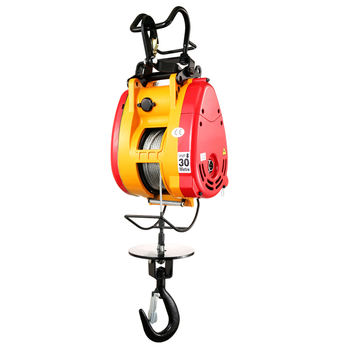
Reviews of Popular Wire Rope Hoist Models for WarehousesWarehouses place different demands on lifting equipment depending on layout and workload. Based on common applications, several wire rope hoist types are widely used.Compact wire rope hoists are often selected for low-headroom warehouses. They fit well in limited spaces while still providing stable lifting performance.Standard-duty wire rope hoists are the most common choice in logistics centers. They are used for pallet handling, loading machinery, and moving steel components, offering a good balance between durability and cost.Heavy-duty wire rope hoists are typically installed in high-throughput warehouses or distribution hubs. These models focus on continuous operation, reliable braking, and long service life.Regardless of category, well-regarded wire rope hoist models usually share a few traits: smooth lifting movement, low operating noise, predictable braking response, and consistent wire rope quality.
ConclusionChoosing a wire rope hoist is not just a purchasing decision, but a long-term operational choice. Understanding the real differences between wire rope hoists and chain hoists, and matching the equipment to actual working conditions, helps avoid costly adjustments later.For companies currently evaluating a wire rope hoist for sale, focusing on reliability, suitability, and ease of maintenance often leads to better results than selecting equipment based on specifications alone.



 Click:2427
Edit: Chuanghe Hoisting
Click:2427
Edit: Chuanghe Hoisting Time:2025-12-18 17:32:54


 Tel:
+8613653129869
Tel:
+8613653129869 Whatsapp:
+8613653129869
Whatsapp:
+8613653129869 Email:
chuanghehoist@gmail.com
Email:
chuanghehoist@gmail.com Address:Donglu Village, Donglu Township, Qingyuan District, Baoding City, Hebei Province
 English
 Français
 Español
 Email
Email +8613653129869
 +8613653129869
 Home
Home Whatsapp
 chuanghehoist@gmail.com