(1) Safety First: Going Beyond Compliance
In 2026, safety will remain a top priority for businesses operating material handling equipment. According to the British Safety Council, approximately 1,300 people are involved in forklift-related accidents each year, several of which are fatal. Failure to maintain a safe working environment can result in serious legal consequences for both companies and their directors. As a result, there is growing recognition that forklifts must deliver maximum value in terms of safety.
Ensuring that trucks are correctly specified for their intended tasks and equipped with essential safety features is critical. Sealed wet disc brakes, automatic parking brakes, speed limiters, collision avoidance systems, flashing beacons, reversing alarms and pedestrian warning “blue light” systems are now considered standard equipment. As manufacturers continue to introduce more advanced safety technologies, this trend is expected to intensify by 2026.
Vehicle design is closely linked to safety performance, yet configuration options vary significantly between brands. Choosing well-designed, inherently safe warehouse and counterbalance trucks that are fit for specific applications is becoming increasingly complex—and increasingly important. This complexity is driving the growing adoption of mixed fleets and multi-brand operations.
Comprehensive operator training programs and robust maintenance regimes will also play a crucial role in reducing risks to people, goods and equipment in 2026. Many organizations will aim to move beyond basic legal compliance to foster a strong, proactive safety culture in the workplace.
(2) Sustainability as a Competitive Advantage
Sustainability has become a major driver of change in the warehousing sector. By 2026, the adoption of rooftop solar installations, intelligent HVAC systems and—most importantly—electric forklifts is expected to increase significantly. Rising demand from consumers and regulators for greener business practices, along with stricter supply chain compliance requirements aimed at reducing carbon emissions, is fundamentally reshaping how warehouses consume energy and resources.
Many businesses now recognize that investing in green energy solutions can provide a clear competitive advantage and help secure new business opportunities.
(3) Electric Forklifts Gain Momentum
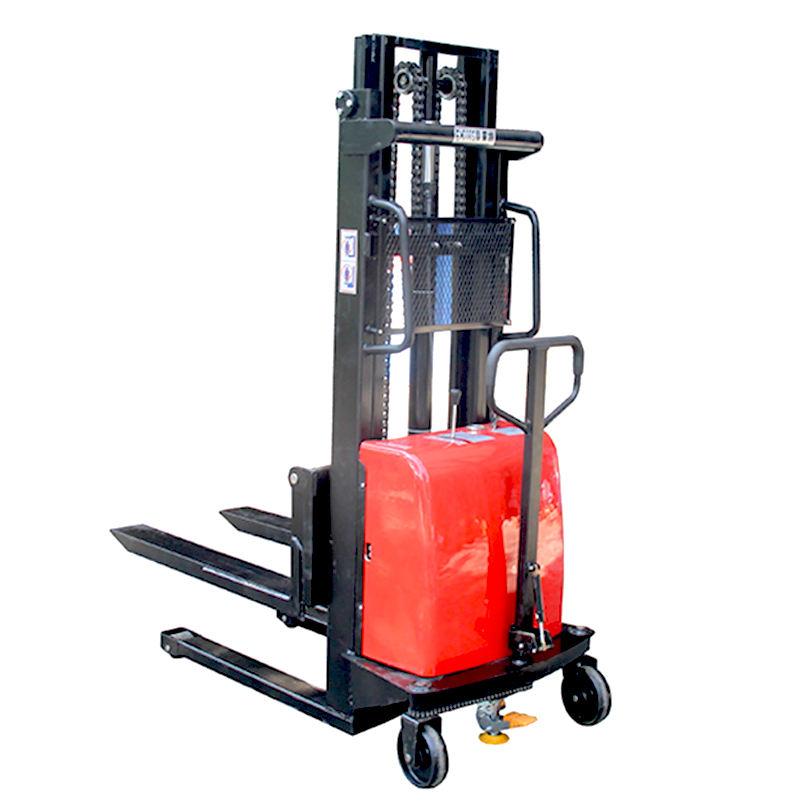
For decades, the market share between internal combustion (IC) forklifts and electric counterbalance trucks remained at roughly 60:40, with diesel models dominating. That balance is now shifting rapidly—and the pace of change is expected to accelerate further by 2026.
Driven by sustainability goals and increasingly stringent EU regulations on carbon, NOx and particulate emissions, buyers are prioritizing environmentally friendly solutions. Advances in battery technology are supporting this transition. Modern electric counterbalance forklifts can now operate eight-hour shifts in dirty, dusty environments such as construction sites and heavy industrial applications.
Heavy-duty lifting is no longer exclusive to IC trucks. Electric forklifts with load capacities of 8,000 kg and above are already widely deployed.
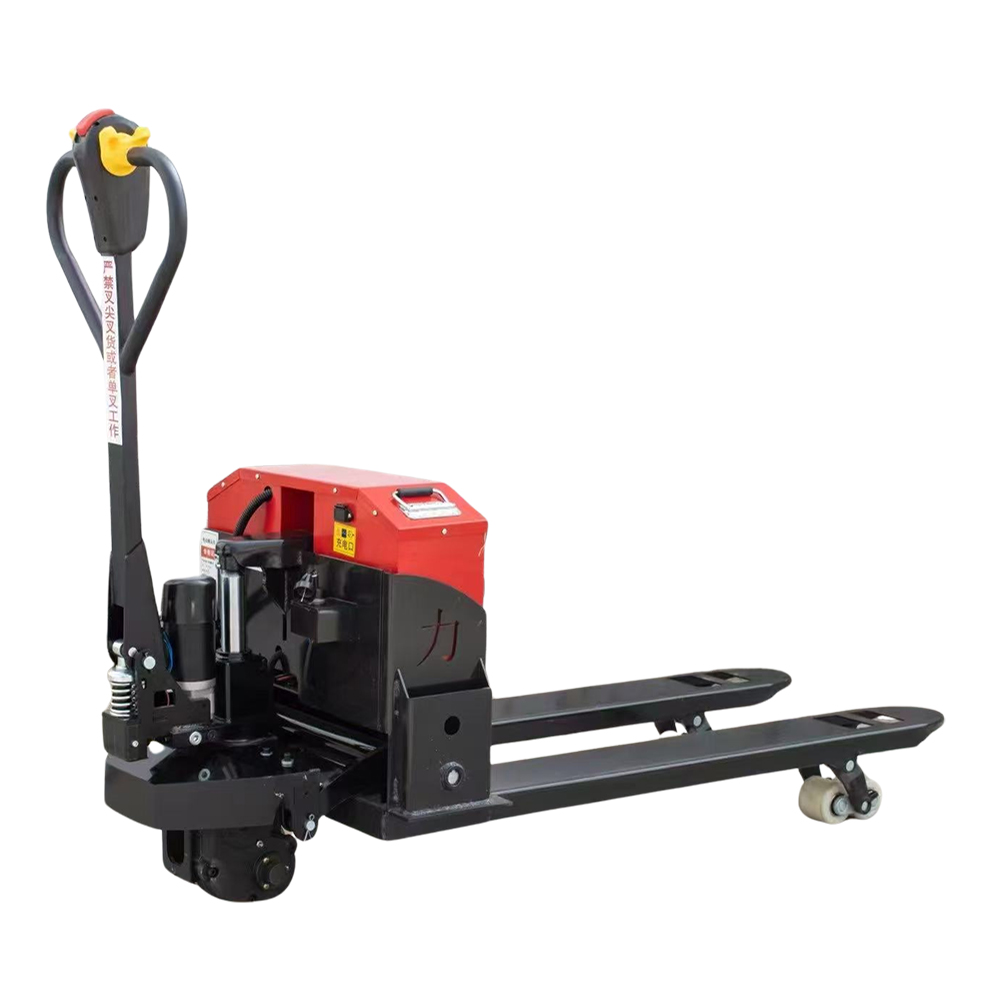
Electric forklifts are cleaner, quieter and typically cheaper to maintain, but selecting the right battery type and charging strategy is essential. Lithium-ion batteries are increasingly common in fast-paced, multi-shift operations, although sufficient time must be allocated for opportunity charging. In many applications, lead-acid batteries still remain the most suitable solution.
While IC forklifts may continue to be preferred for certain niche applications, hydrogen-powered forklifts are likely to gain traction as buyers move away from carbon-based fuels such as diesel and LPG—a trend expected to accelerate toward 2026.
(4) The Drive for Flexibility and Agility Fuels Mixed Fleets
Many businesses face uncertainty about future demand and how logistics operations may need to adapt. Will promotions increase? Will sales peaks become sharper—or longer, with higher return volumes? Will product ranges change? Will SKU counts rise dramatically? How will spontaneous marketing campaigns impact operational processes?
With so many unknowns heading into 2026, companies must maximize operational flexibility to minimize risk and respond quickly to change—delivering the speed customers expect while building resilience into logistics operations.
Reliability, flexibility and high performance will define material handling fleets in 2026. As businesses shift toward flexible rental and leasing models, traditional ownership structures are becoming less attractive. These solutions allow organizations to scale up or down rapidly without tying up significant capital.
Material handling equipment providers that can support fast response and agile operations through integrated, “best-for-purpose” mixed fleets will play a critical role for businesses in 2026.
(5) Strengthening the Power of People
People are at the heart of every successful business—and this is especially true in warehousing and logistics. Motivated, well-trained and highly skilled employees are more productive and engaged, leading to improved performance, safer workplaces and higher retention rates.
As a result, investment in operator training programs is expected to increase in 2026, with a strong focus on safety, employee wellbeing and continuous improvement. Forklift training, in particular, will receive heightened attention as companies strive to raise on-site safety standards.
(6) Automation and “Connected Fleets” in the Digital Age
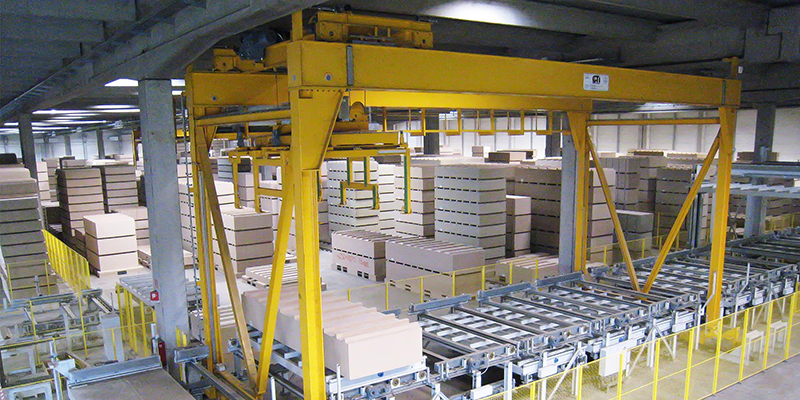
Warehouses and logistics centers are becoming more integrated, intelligent and connected. By 2026, digital transformation will continue to accelerate, with higher levels of automation through autonomous mobile robots (AMRs), automated guided vehicles (AGVs), shuttle systems and advanced conveyor solutions.
However, organizations must ensure they have the necessary expertise to implement practical solutions and achieve acceptable returns on investment.
As part of this strategy, forklift fleets are becoming increasingly integrated into warehouse operations. “Connected fleets” are no longer limited to large fleet owners—they are now a reality for a growing number of businesses. Insights derived from vehicle usage data can significantly improve operational efficiency and provide valuable guidance for optimizing fleet size and structure.
Telematics and intelligent fleet management software enable the collection of real-time data on truck utilization and overall fleet performance. This allows management to make informed, data-driven decisions—such as reallocating resources to where they are needed most. Remote access for off-site service engineers will also increasingly support higher uptime through predictive maintenance, faster diagnostics and enhanced operational resilience.
(7) Managing Complexity to Unlock Productivity
As businesses face rising cost pressures in 2026, demands for improved warehouse performance and operational resilience will intensify. Meeting these challenges requires coordinated action—and often specialist support.
Professional material handling service and support providers work closely with fleet owners throughout the contract lifecycle to maximize overall fleet performance. This includes specifying and recommending the most suitable trucks for each application—regardless of brand—along with delivering comprehensive, scheduled maintenance, rapid breakdown response and on-site performance reviews.
By analyzing usage patterns for each truck, experts can identify opportunities for significant cost savings while improving efficiency and reliability, ultimately maximizing asset value across the entire fleet lifecycle.



 Click:1589
Edit: Chuanghe Hoisting
Click:1589
Edit: Chuanghe Hoisting Time:2026-01-28 15:42:54


 Tel:
+8613653129869
Tel:
+8613653129869 Whatsapp:
+8613653129869
Whatsapp:
+8613653129869 Email:
chuanghehoist@gmail.com
Email:
chuanghehoist@gmail.com Address:Donglu Village, Donglu Township, Qingyuan District, Baoding City, Hebei Province
 English
 Français
 Español

 Email
Email +8613653129869
 +8613653129869
 Home
Home Whatsapp
 chuanghehoist@gmail.com