


If you have any questions, please contact our online customer service staff immediately
 Click:1911
Edit: Chuanghe Hoisting
Click:1911
Edit: Chuanghe Hoisting Time:2026-01-06 14:05:45
As a manufacturer, exporter, and solution provider in the material handling equipment industry, the start of 2026 feels less like a turning point and more like a continuation of steady adjustment.

Over the past few years, customers have become more experienced buyers. They ask better questions, compare more carefully, and look beyond brochures and specifications. This has changed how equipment is selected and how suppliers are evaluated.
From daily communication with customers across manufacturing, logistics, construction, and warehousing, a few clear patterns are shaping the market in 2026.
Customers today are not chasing trends. They are looking for equipment that fits their real working conditions.
Questions are no longer limited to price and delivery time. Instead, buyers ask about load testing, material thickness, welding quality, brake structure, safety factors, and service life. They want to understand how equipment performs after two or three years of use, not only how it looks when it is new.
This favors manufacturers who focus on consistent quality and stable production rather than constant design changes.
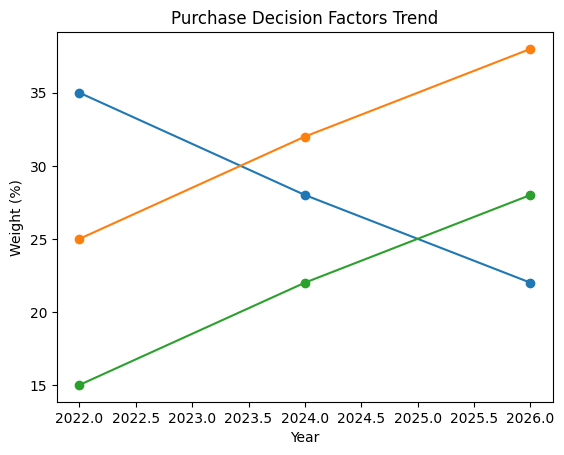
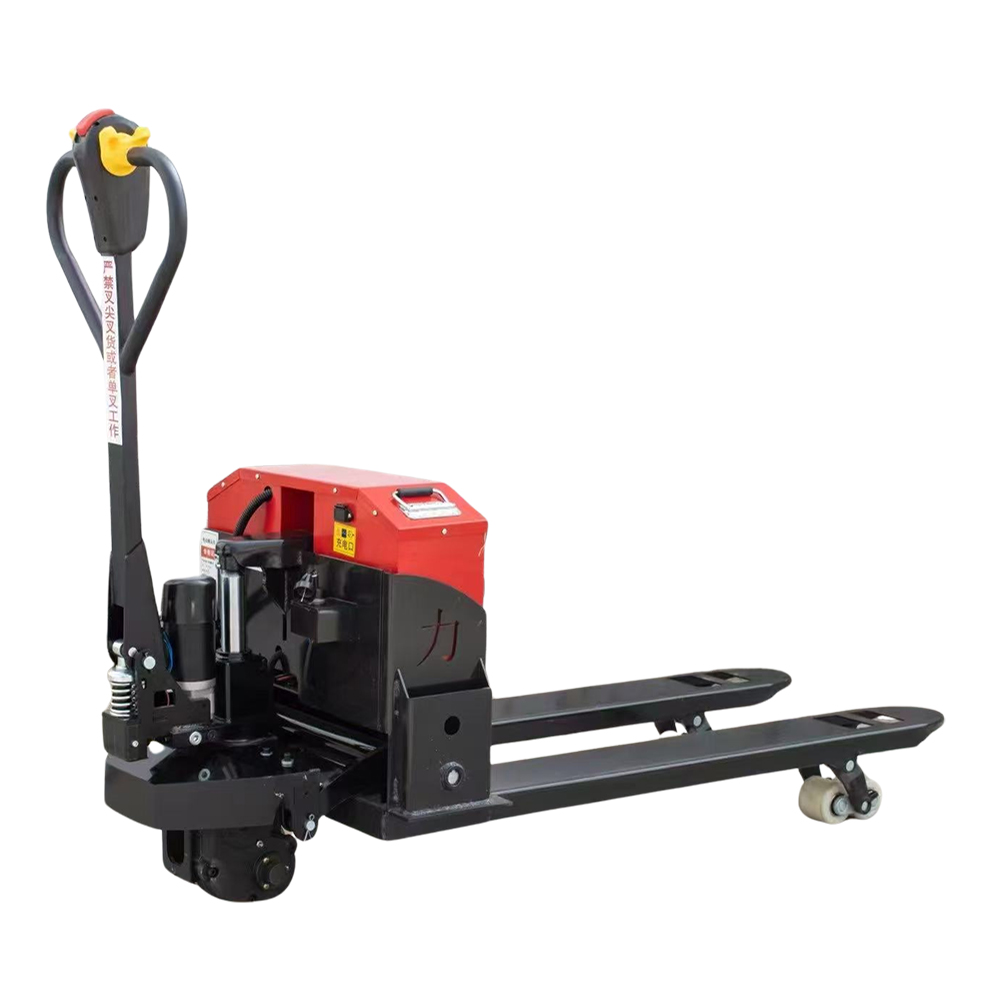
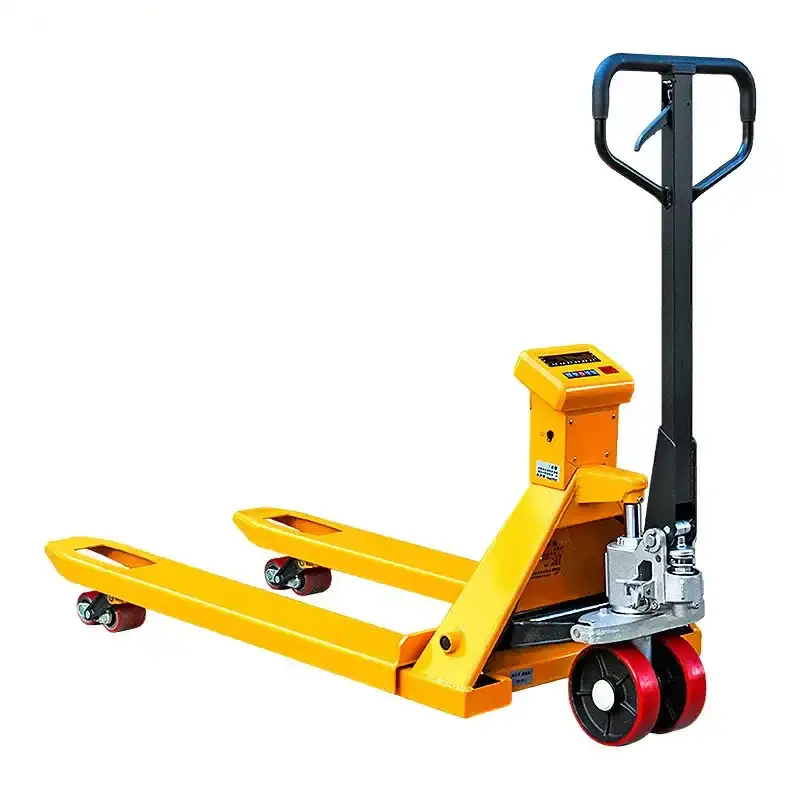
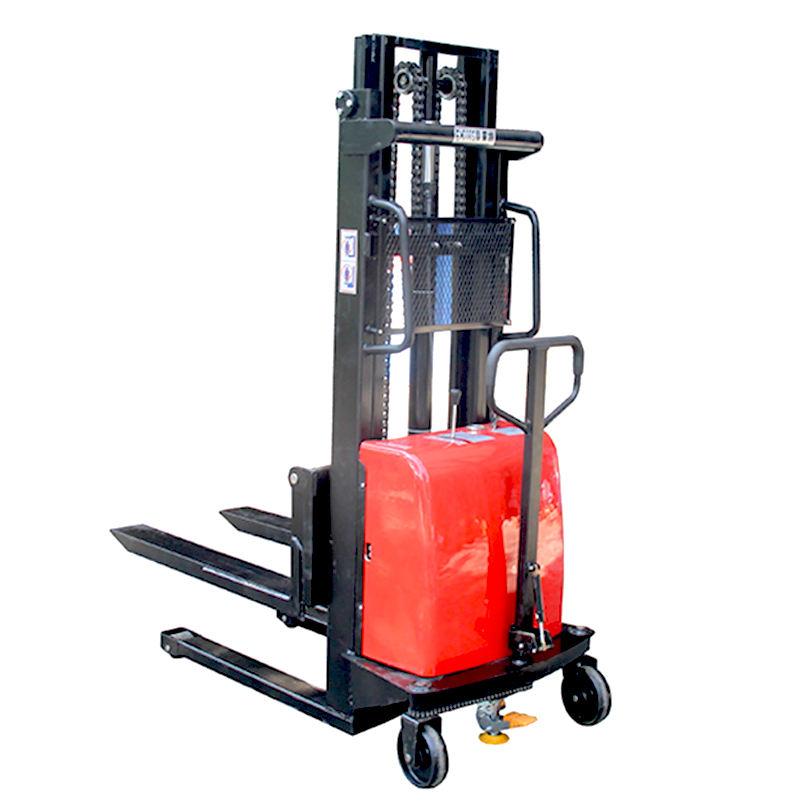
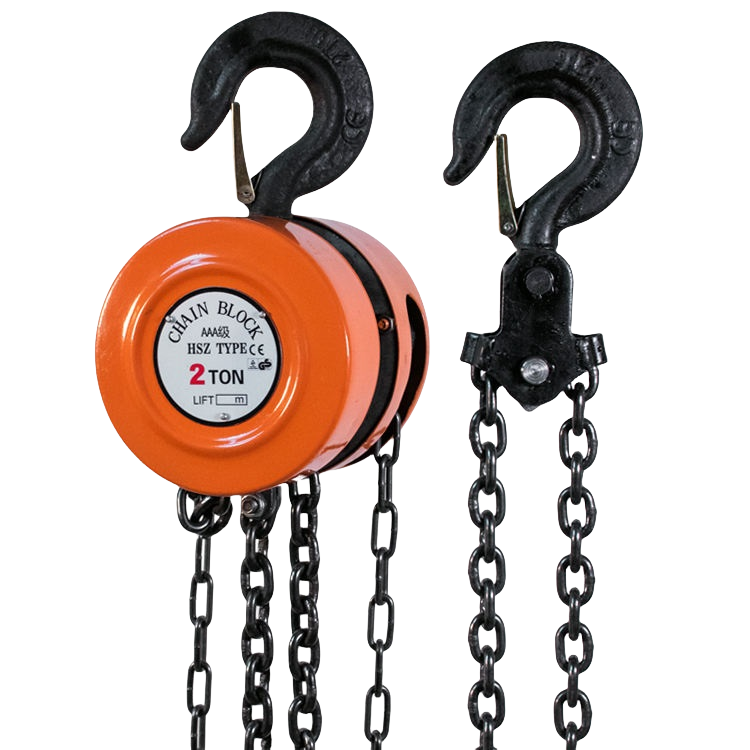
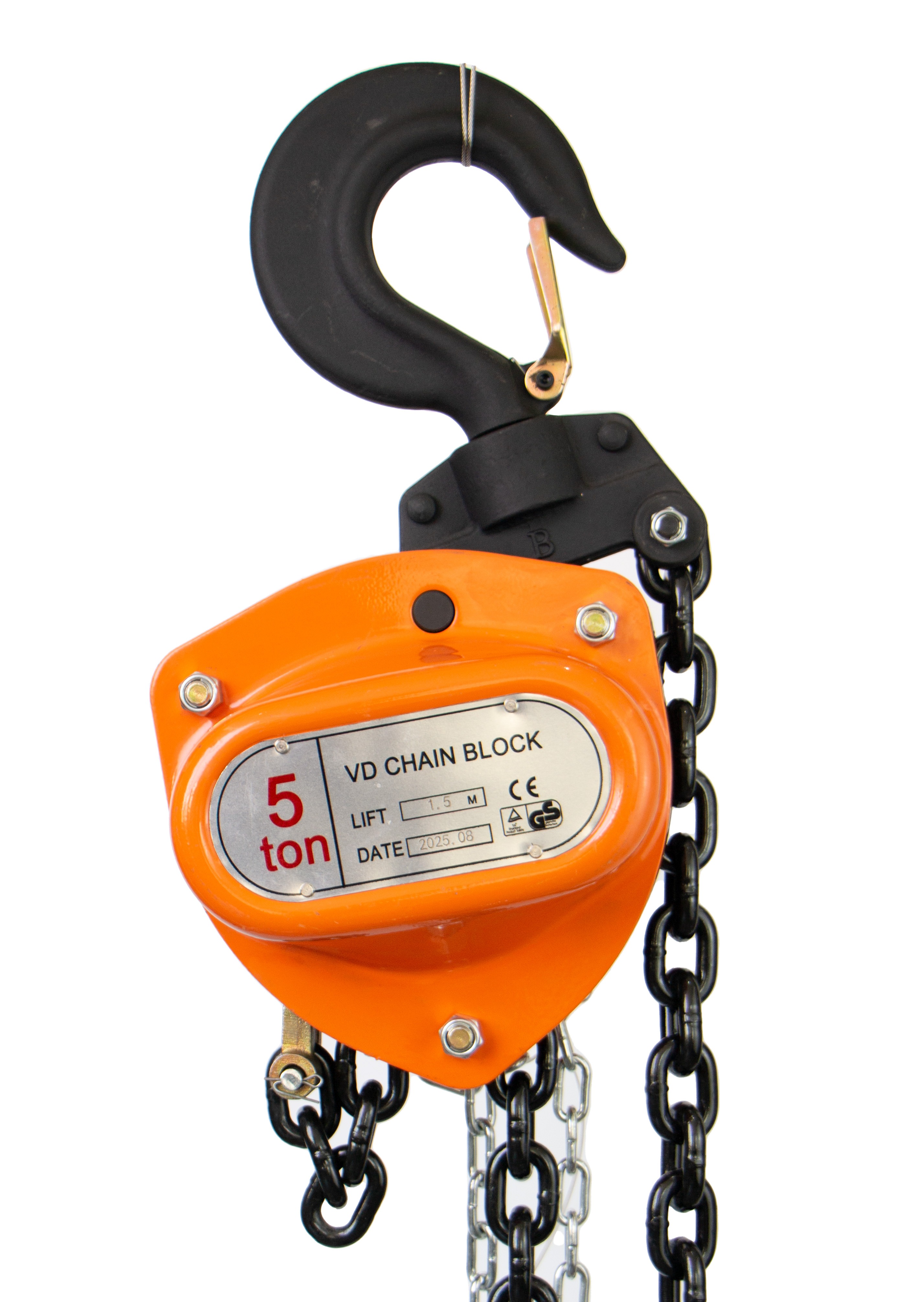
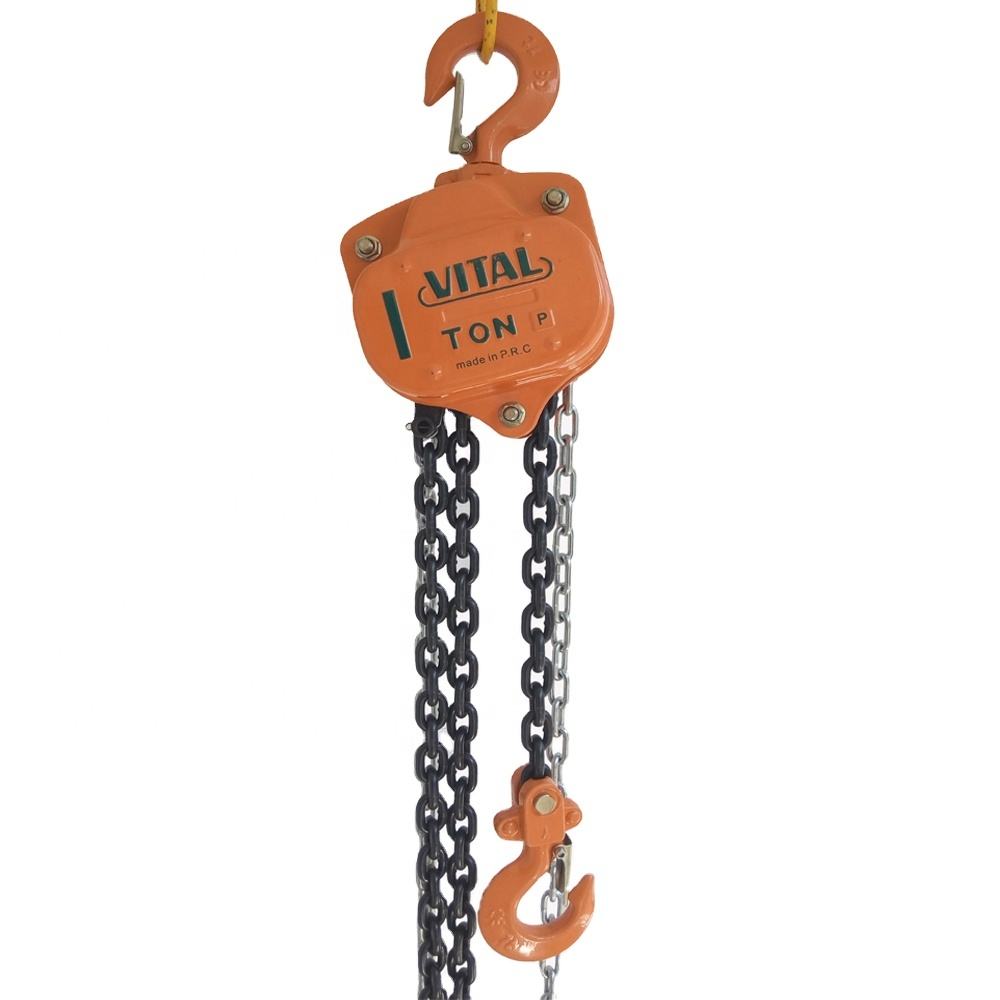
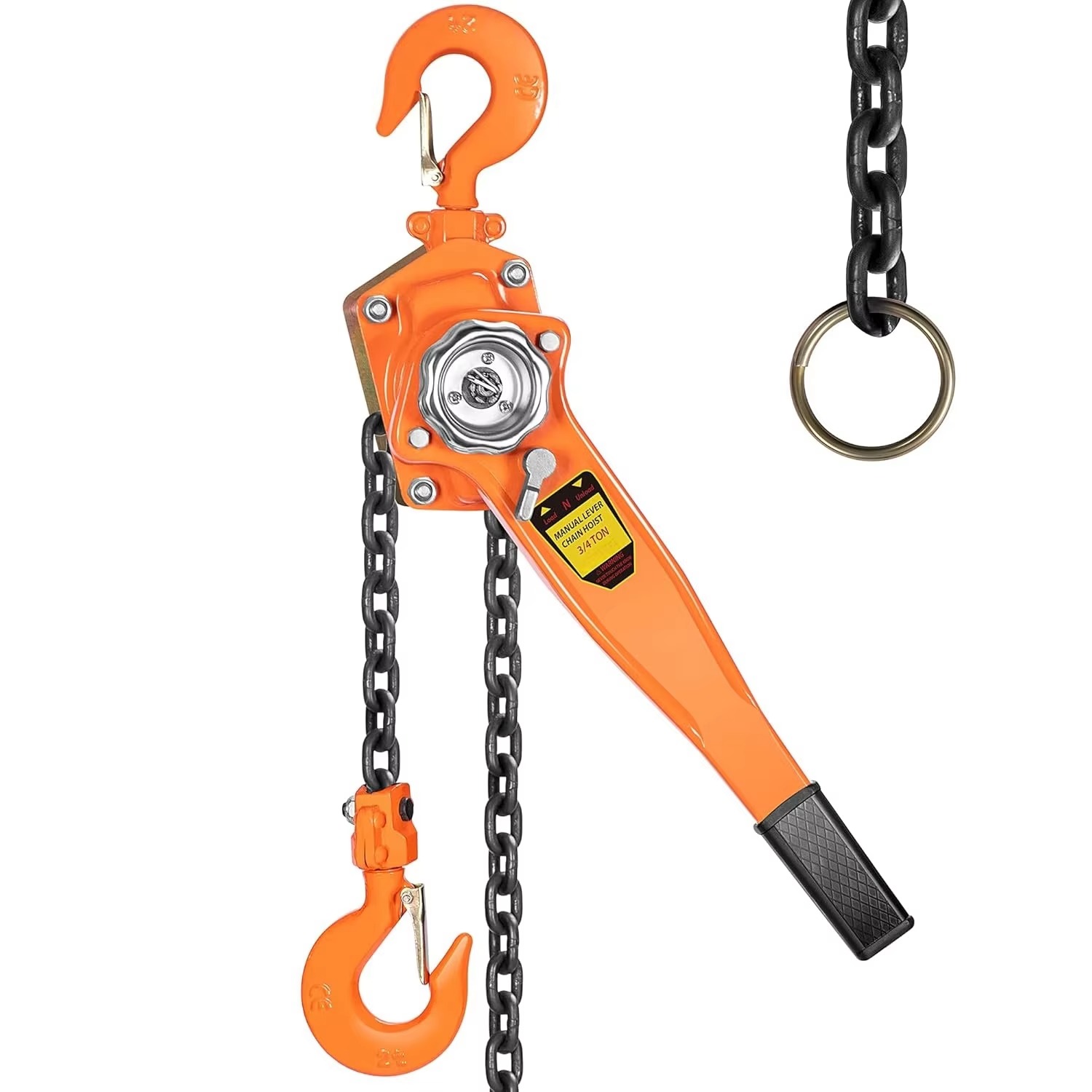
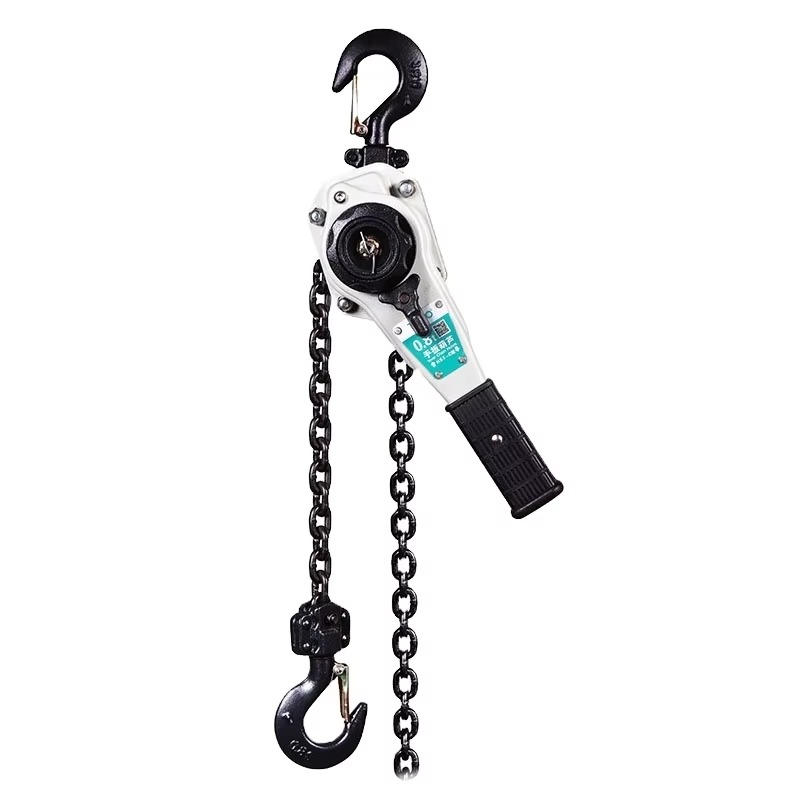
Standard models remain the foundation of most orders. Manual chain hoists, lever hoists, hand pallet trucks, manual stackers, and basic lifting frames continue to be widely used because they are reliable, affordable, and easy to maintain.
At the same time, more customers request small adjustments: different lifting heights, fork sizes, wheel materials, paint colors, nameplates, or packaging. They are not asking for fully custom machines, but they do expect suppliers to adapt standard products to their applications.
This is where being both a manufacturer and a solution provider becomes important — not just delivering a product, but helping it fit into the customer’s process.
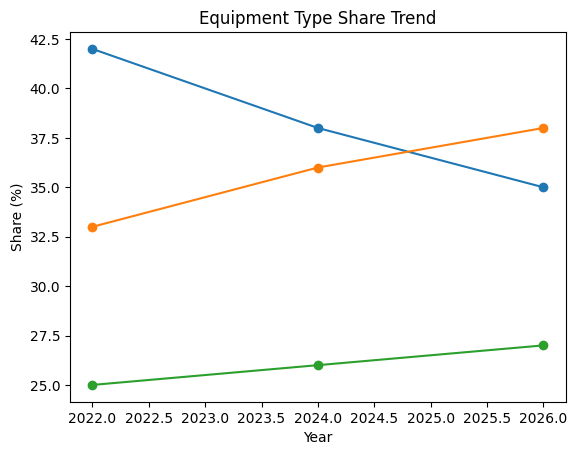
In 2026, safety is not a selling point. It is a requirement.
Customers expect equipment to meet relevant standards before they even start discussing price. They look for proper certification, traceable production, and consistent inspection procedures. Missing documents or unclear test reports can stop a project immediately.
This puts pressure on suppliers to improve internal quality control and documentation, not only production.
International trade has not slowed down, but it has become more cautious.
Buyers take more time to verify suppliers, check references, and confirm specifications. They want stable long-term cooperation, not one-time transactions. For exporters, this means communication, transparency, and follow-up are as important as production capacity.
Clear drawings, honest lead times, realistic technical advice, and consistent response matter more than aggressive sales language.
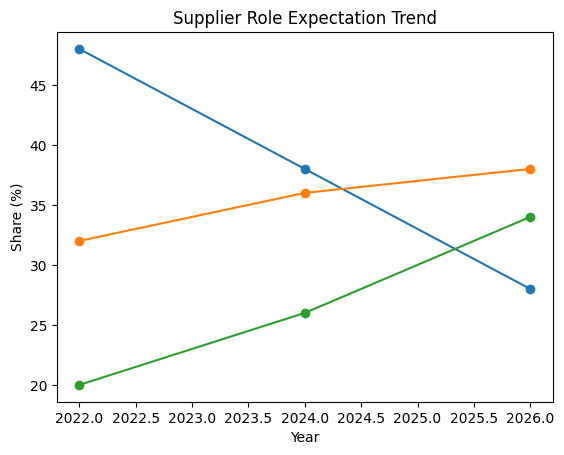
The material handling equipment market in 2026 is not driven by big promises or rapid change. It is driven by trust, performance, and suitability.
Manufacturers who understand their own products deeply, exporters who communicate clearly, and solution providers who think from the customer’s side will continue to stand out.
The industry is moving in a direction where fewer things are exaggerated, fewer shortcuts are accepted, and fewer mistakes are tolerated. This may not be dramatic, but it is healthy.
For us, 2026 is a year to keep doing the basics well: build reliable equipment, ship what is promised, support what is delivered, and stay close to the real needs of the people who use our products every day.
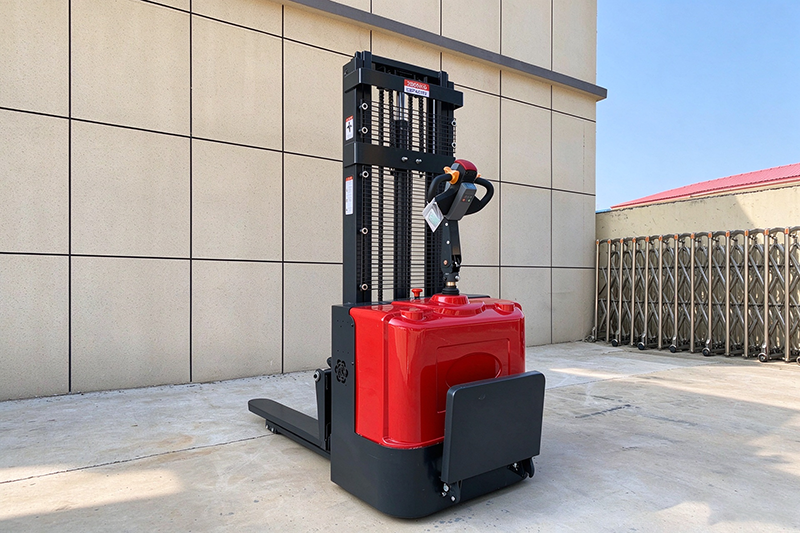
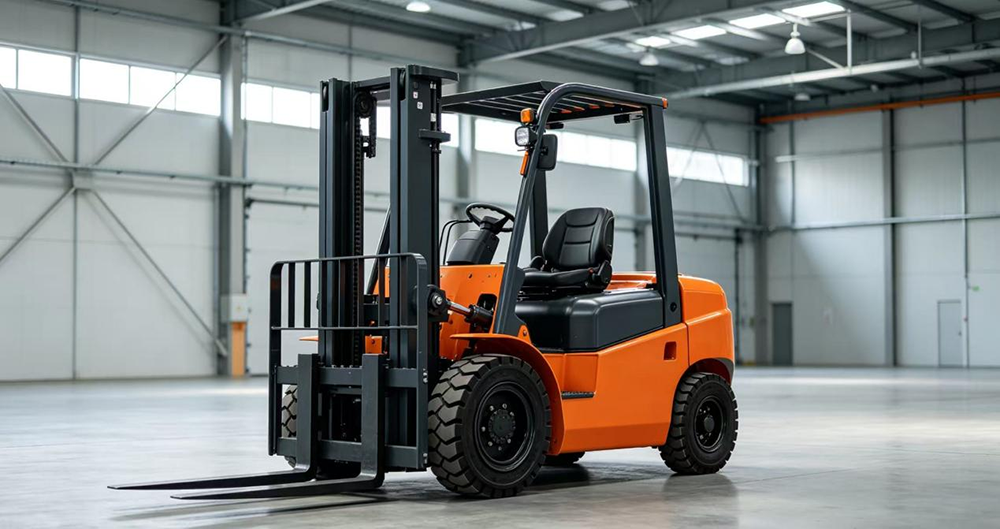
Modern warehouses, distribution centers, and manufacturing facilities need efficient ways to lift, move, and stack palletized goods. As businesses handle more products and work to optimize storage space, choosing the right material handling equipment becomes increasingly important.
2026-10-21View More →
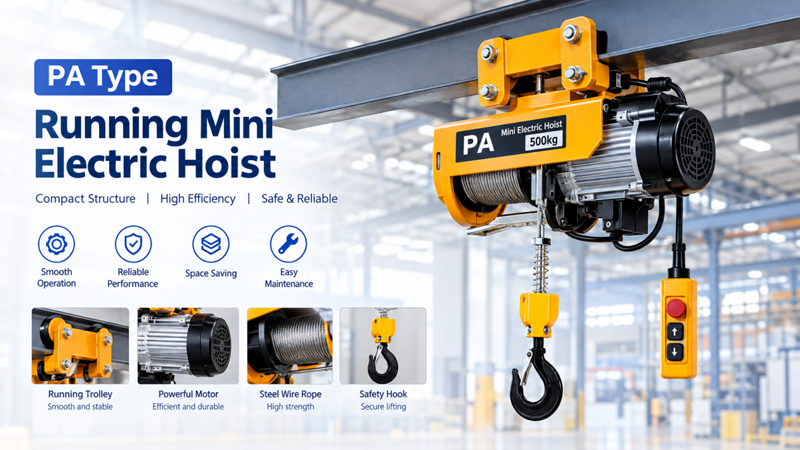
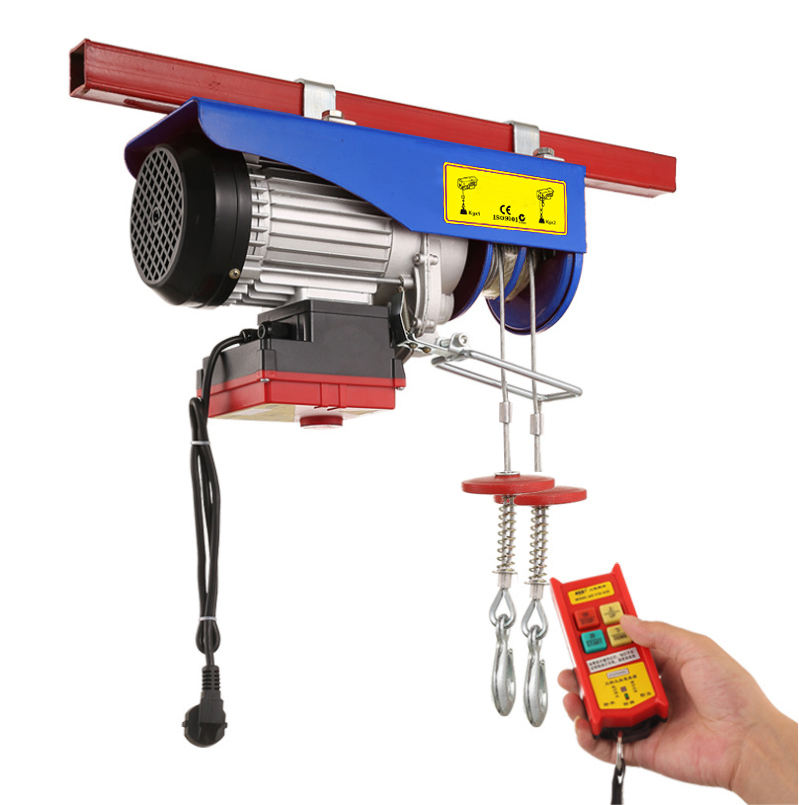
Learn about PA type running mini electric hoist, including key selection factors, typical applications, safety operation tips for small lifting jobs.
2026-10-20View More →
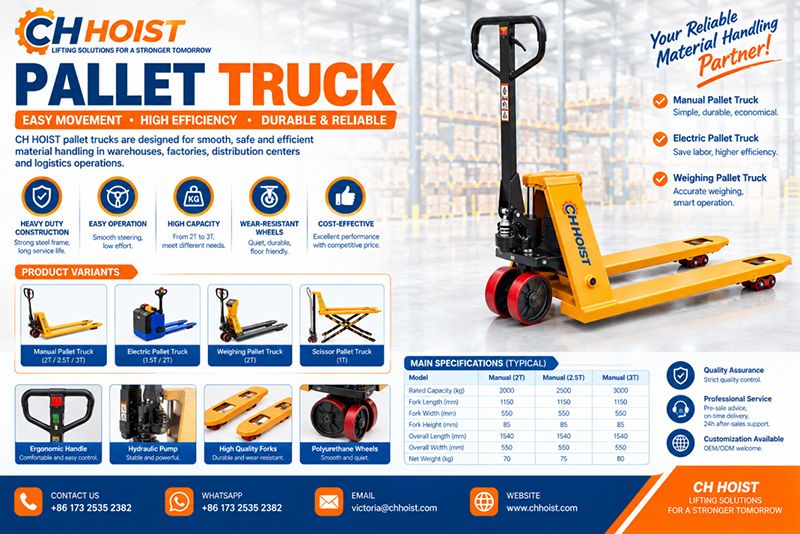
A pallet truck, also known as a pallet jack or pallet trolley, is one of the most practical tools for transporting palletized materials over short distances. Compared with moving goods manually, pallet trucks help reduce physical effort, improve workflow, and make warehouse operations more efficient.
2026-10-19View More →


 Tel:
+8613653129869
Tel:
+8613653129869
 Whatsapp:
+8613653129869
Whatsapp:
+8613653129869
 Email:
chuanghehoist@gmail.com
Email:
chuanghehoist@gmail.com
 Address:Donglu Village, Donglu Township, Qingyuan District, Baoding City, Hebei Province

 English
 Français
 Español

 Email
Email +8613653129869
 +8613653129869
 Home
Home Whatsapp
 chuanghehoist@gmail.com