


If you have any questions, please contact our online customer service staff immediately
 Click:1873
Edit: Chuanghe Hoisting
Click:1873
Edit: Chuanghe Hoisting Time:2025-12-25 17:12:46
Material handling is not something most companies plan to spend time thinking about. It’s just part of the job. Boxes arrive, pallets move, parts go from one station to another. It happens all day, every day — and usually nobody notices it until something goes wrong.
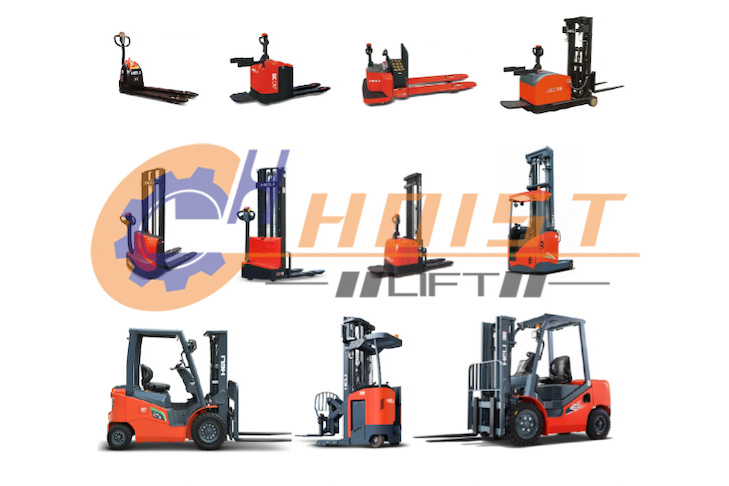
A worker gets hurt. A shipment is delayed. A machine breaks down at the worst possible moment. Then suddenly material handling becomes a “problem”.
One of the most common issues is still cost. Large equipment is expensive to buy, expensive to maintain, and often more than what a facility actually needs. Many warehouses don’t need a full forklift fleet or a complex automated system. They need something simpler, something that fits the space, the volume, and the people they have.
Safety is another point that’s hard to ignore. Anyone who has spent time on a warehouse floor has seen how easy it is for someone to lift the wrong way, rush a job, or try to handle a load that is just a bit too heavy. These small decisions add up. Over time they lead to back injuries, strained shoulders, and people being out of work longer than expected.
Then there is the question of speed. Not “how fast can we go at full capacity”, but how smoothly work flows on a normal day. When workers walk back and forth too much, when loads are handled twice instead of once, or when people wait for equipment to become available, time is lost quietly, minute by minute.
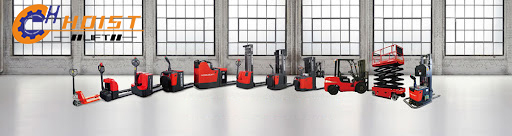
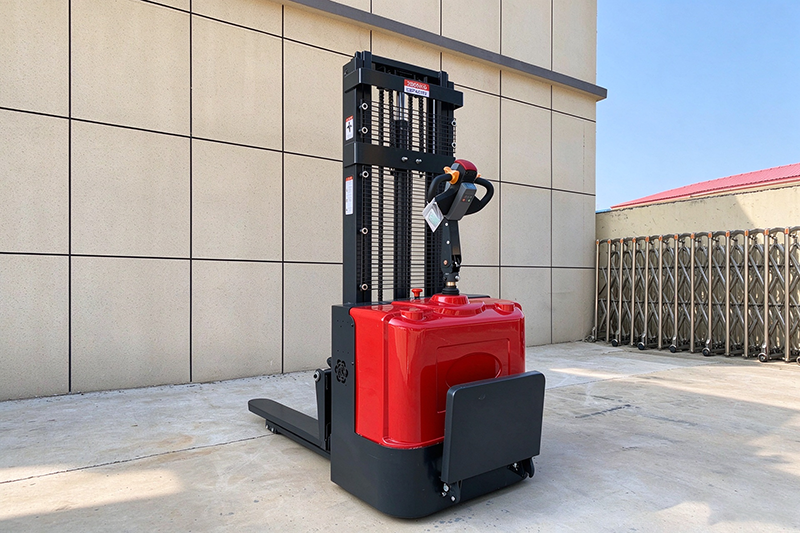
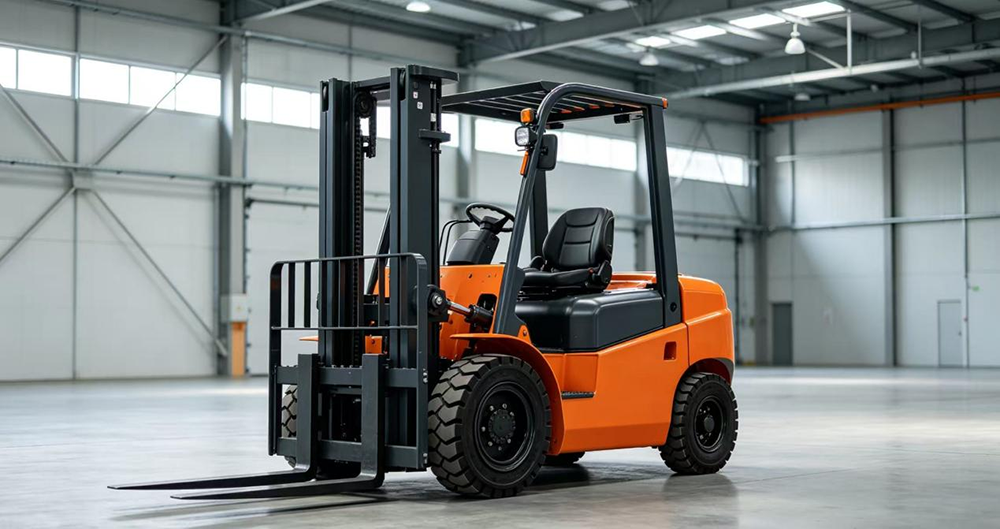
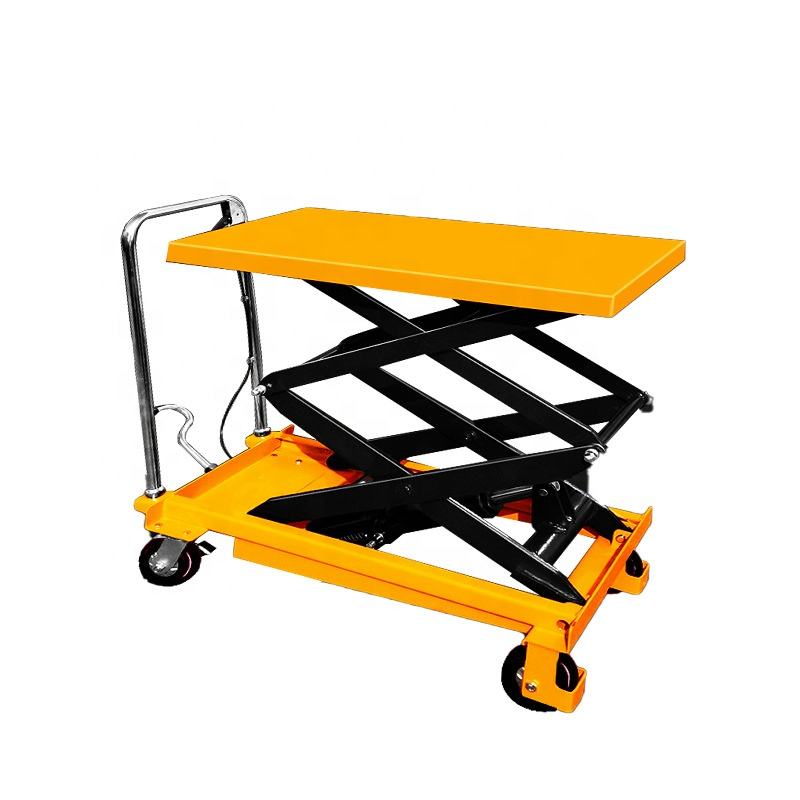
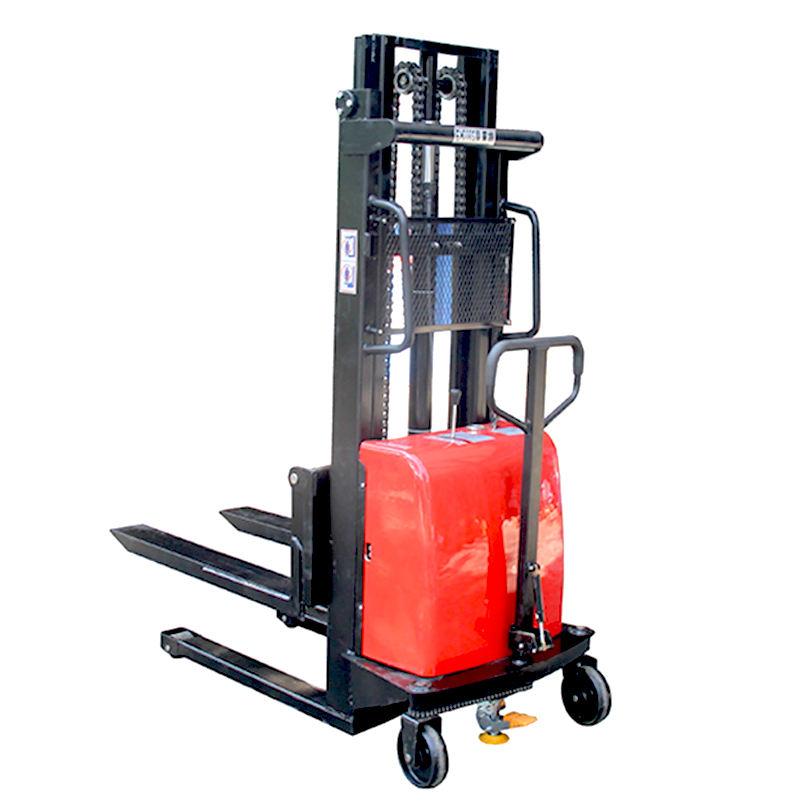
Modern warehouses, distribution centers, and manufacturing facilities need efficient ways to lift, move, and stack palletized goods. As businesses handle more products and work to optimize storage space, choosing the right material handling equipment becomes increasingly important.
2026-10-21View More →
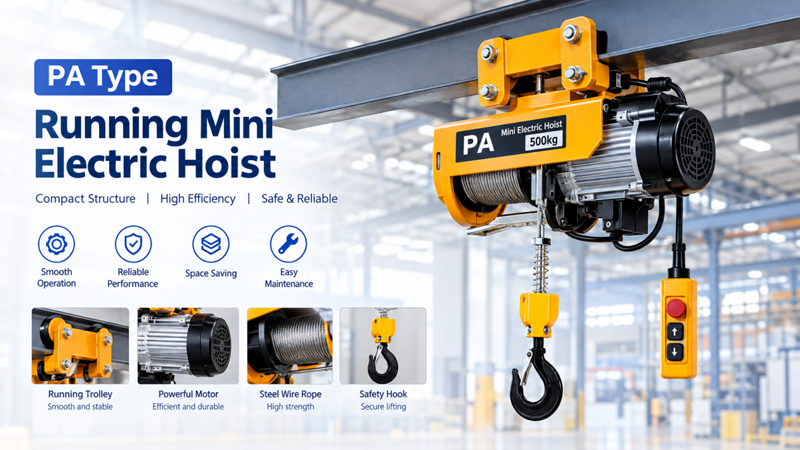
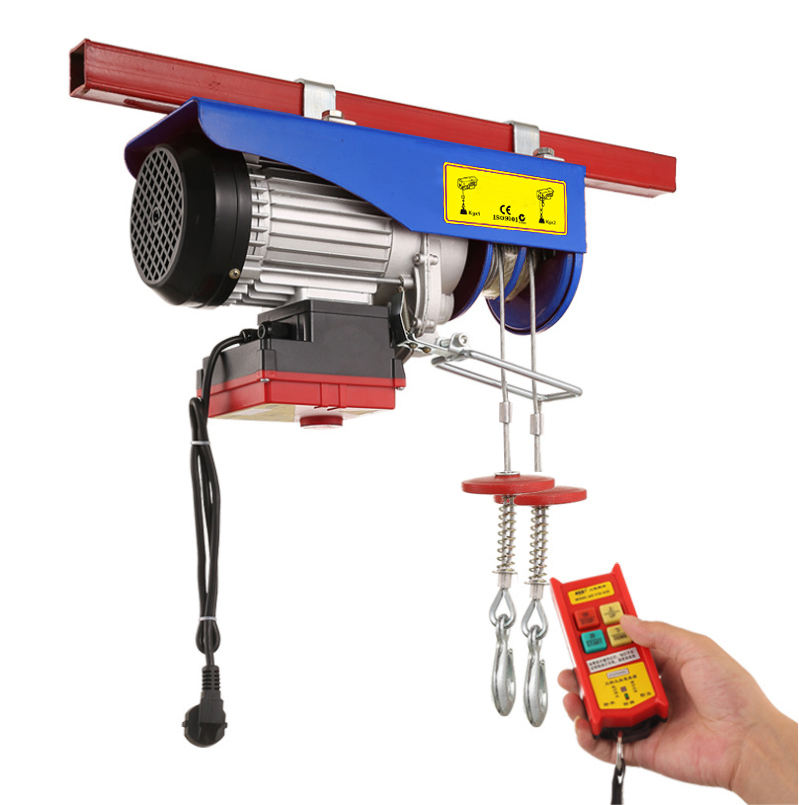
Learn about PA type running mini electric hoist, including key selection factors, typical applications, safety operation tips for small lifting jobs.
2026-10-20View More →
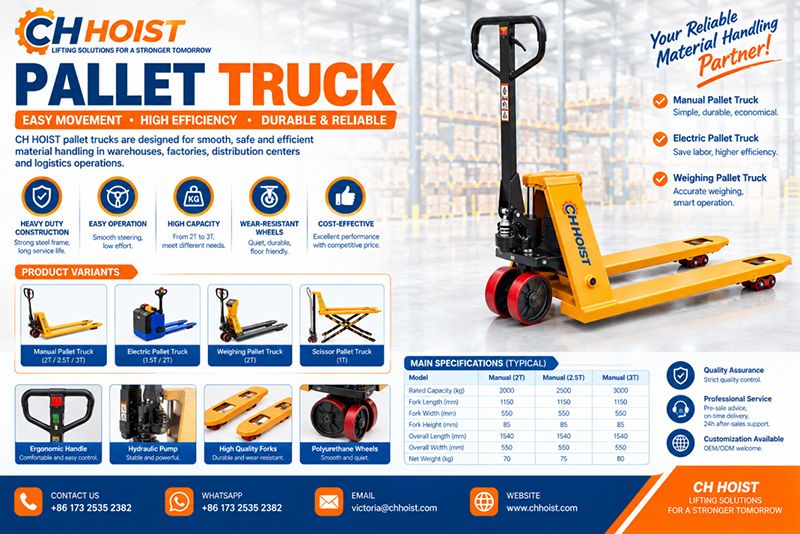
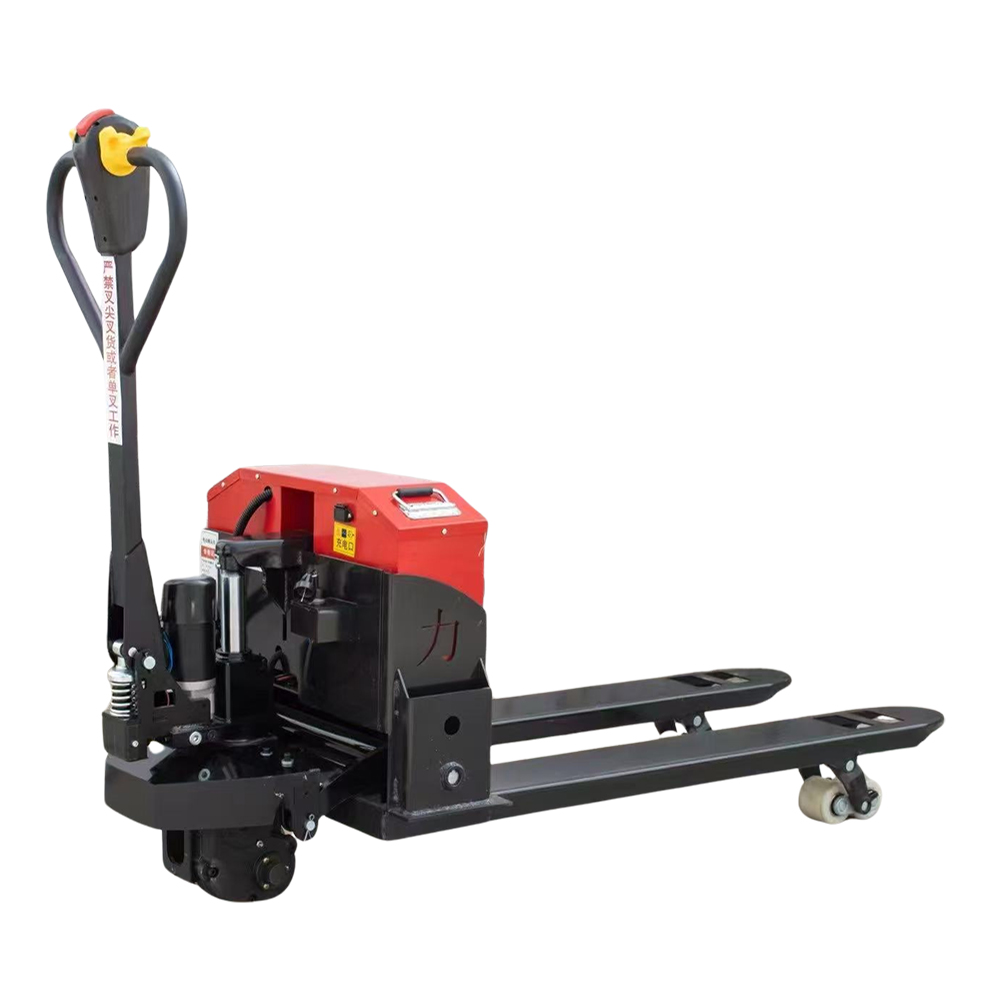
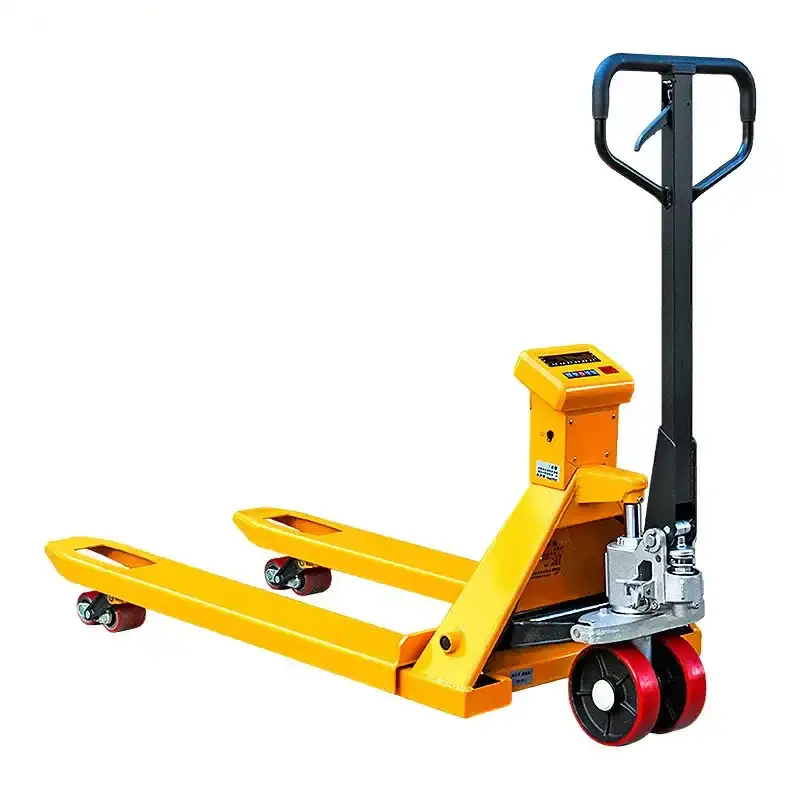
A pallet truck, also known as a pallet jack or pallet trolley, is one of the most practical tools for transporting palletized materials over short distances. Compared with moving goods manually, pallet trucks help reduce physical effort, improve workflow, and make warehouse operations more efficient.
2026-10-19View More →


 Tel:
+8613653129869
Tel:
+8613653129869
 Whatsapp:
+8613653129869
Whatsapp:
+8613653129869
 Email:
chuanghehoist@gmail.com
Email:
chuanghehoist@gmail.com
 Address:Donglu Village, Donglu Township, Qingyuan District, Baoding City, Hebei Province

 English
 Français
 Español

 Email
Email +8613653129869
 +8613653129869
 Home
Home Whatsapp
 chuanghehoist@gmail.com