


If you have any questions, please contact our online customer service staff immediately
 Click:4
Edit: Chuanghe Hoisting
 Time:2026-10-29 14:16:38
Lifting and positioning heavy materials is a routine requirement in factories, workshops, warehouses, maintenance facilities, and construction-related operations. When loads need to be raised and lowered repeatedly, a suitable electric hoist can help improve handling efficiency and reduce manual effort.
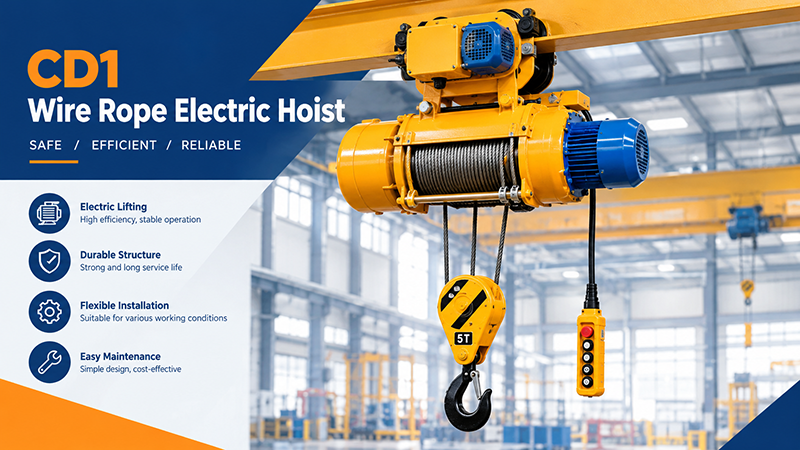
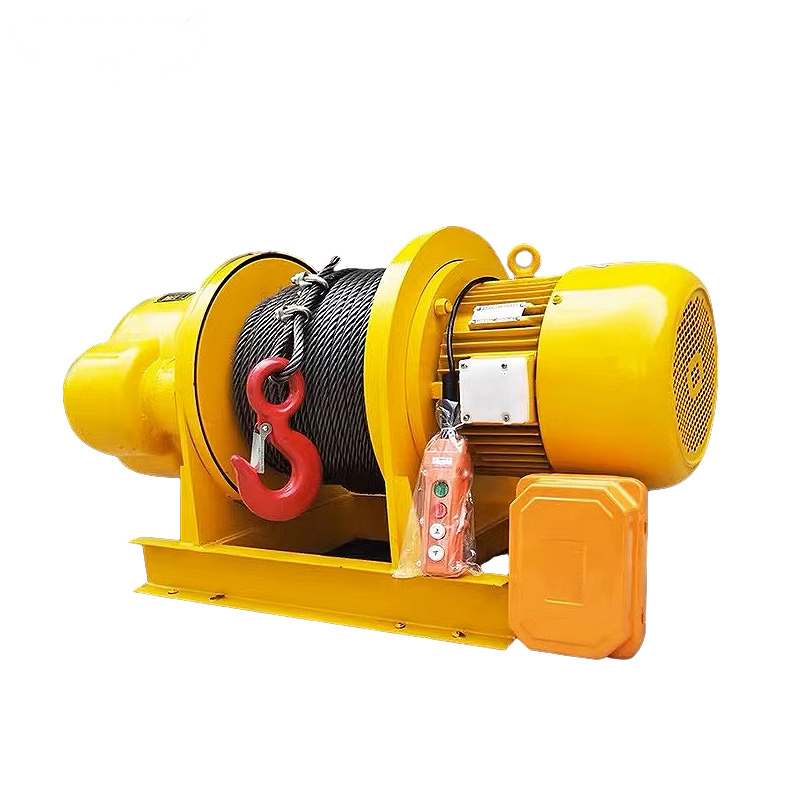
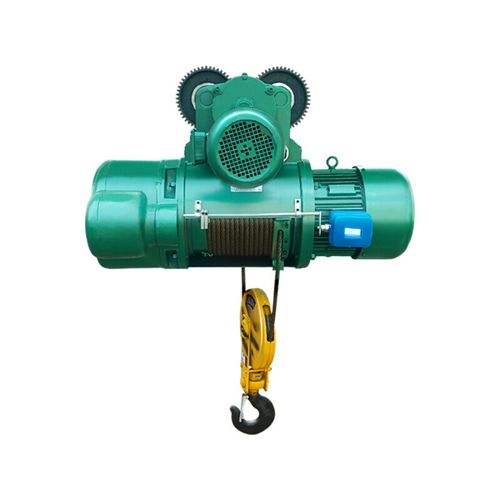
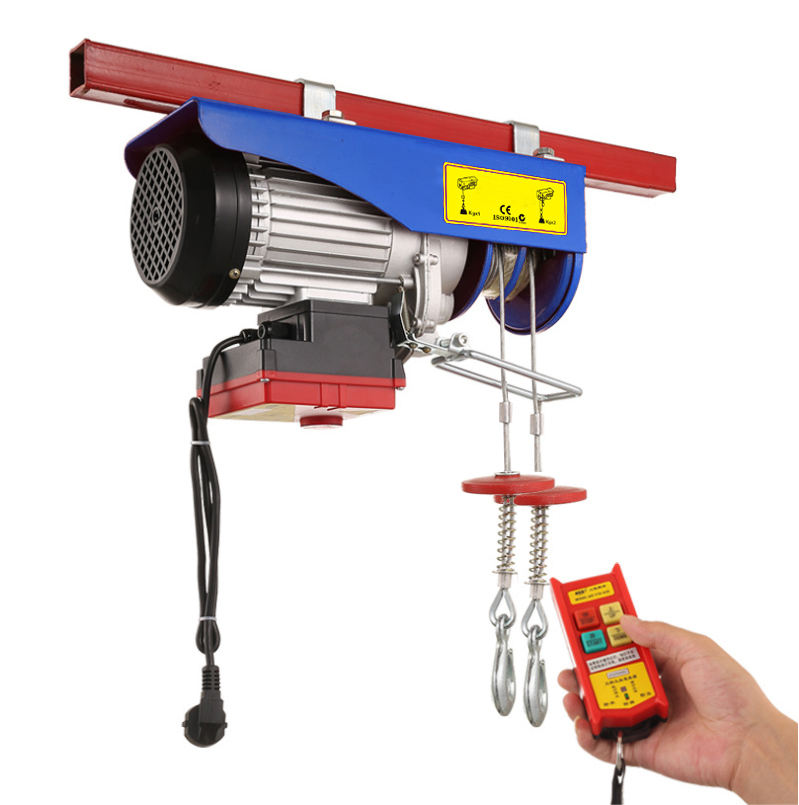
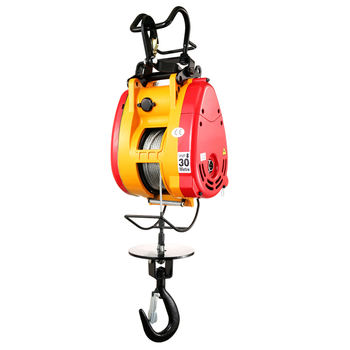
A CD1 wire rope electric hoist is a commonly used electric lifting device. In typical configurations, an electric motor drives a lifting mechanism that winds a wire rope around a drum, raising or lowering a load through a hook assembly. It is often installed on a fixed suspension point or paired with a compatible trolley to travel along a beam.
The exact configuration, rated capacity, lifting height, travel arrangement, and electrical requirements vary by model and manufacturer. Buyers should confirm these details against the specific product datasheet before ordering.

A CD1 wire rope electric hoist is a powered lifting device designed to lift and lower loads using a wire rope. The CD1 designation is commonly associated with a conventional single-speed hoist series; however, naming conventions and available configurations can vary by supplier. Confirm the operating speeds and technical configuration with the manufacturer.
A typical unit may include the following components:
· Electric motor
· Gearbox or reduction mechanism
· Wire rope and rope drum
· Hook assembly and safety latch
· Brake system
· Limit switch or travel limit device
· Electrical controls and pendant
· Hoist frame and mounting arrangement
Some configurations are supplied with a trolley for horizontal movement along a suitable I-beam or track. A fixed-mounted version lifts and lowers loads from one position.
The basic operating sequence is straightforward, but the operator must follow the specific manufacturer's instructions.
Check the wire rope, hook, latch, controls, brake, limit devices, and supporting structure. Confirm that the load is within the rated capacity.
Position the hook directly above the load where possible. Secure the load with suitable, correctly rated lifting accessories and ensure the load is balanced.
Use the control pendant to operate the lifting motor. The drive mechanism turns the rope drum and winds the wire rope, raising the hook and load.
If a compatible trolley is installed, move the load along the beam according to the equipment instructions. Do not assume every hoist includes powered horizontal travel.
Operate the lowering control to lower the load in a controlled manner. Keep people clear of the suspended load and place it on a stable surface before detaching the lifting accessories.
Motorized lifting reduces the need for manual lifting and can support repetitive material-handling tasks.
Electric operation can be useful in workshops and production areas where loads are raised and lowered regularly.
Depending on the model, a hoist may be fixed-mounted or used with a compatible trolley and beam system.
Pendant controls allow the operator to command lifting and lowering. Actual speed, control features, and precision depend on the selected configuration.
Wire rope electric hoists are used in many settings, provided the selected unit is suitable for the load, duty cycle, environment, and installation.
Lifting components, tooling, and materials between workstations or onto production equipment.
Handling suitable loads where a properly designed overhead beam or lifting frame is available.
Removing or positioning machinery parts during servicing and repair.
Positioning metal components and assemblies during manufacturing processes.
Supporting maintenance tasks where a rated lifting system and safe access are provided.
Both products lift loads, but they suit different working patterns. The best choice depends on lifting frequency, available power, installation, budget, and operating conditions.
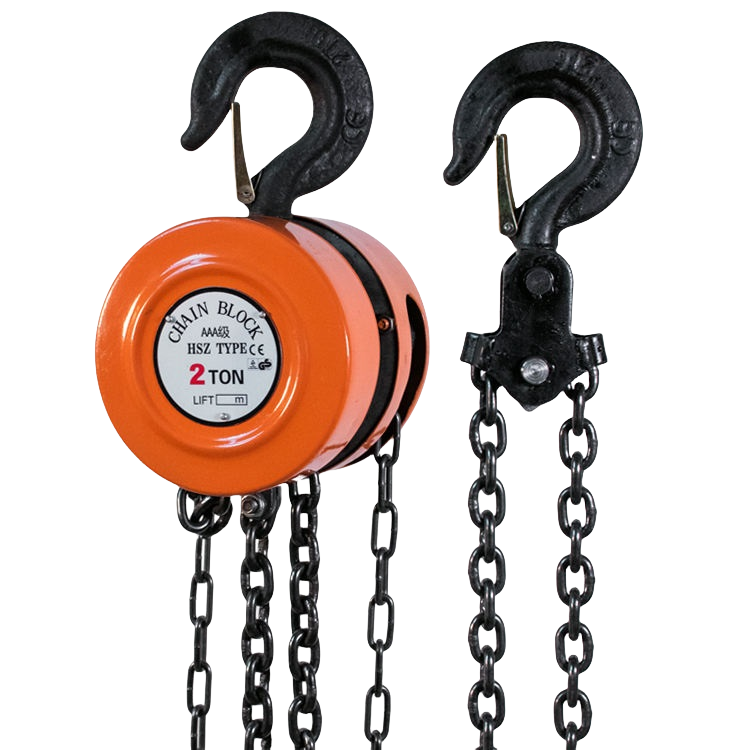
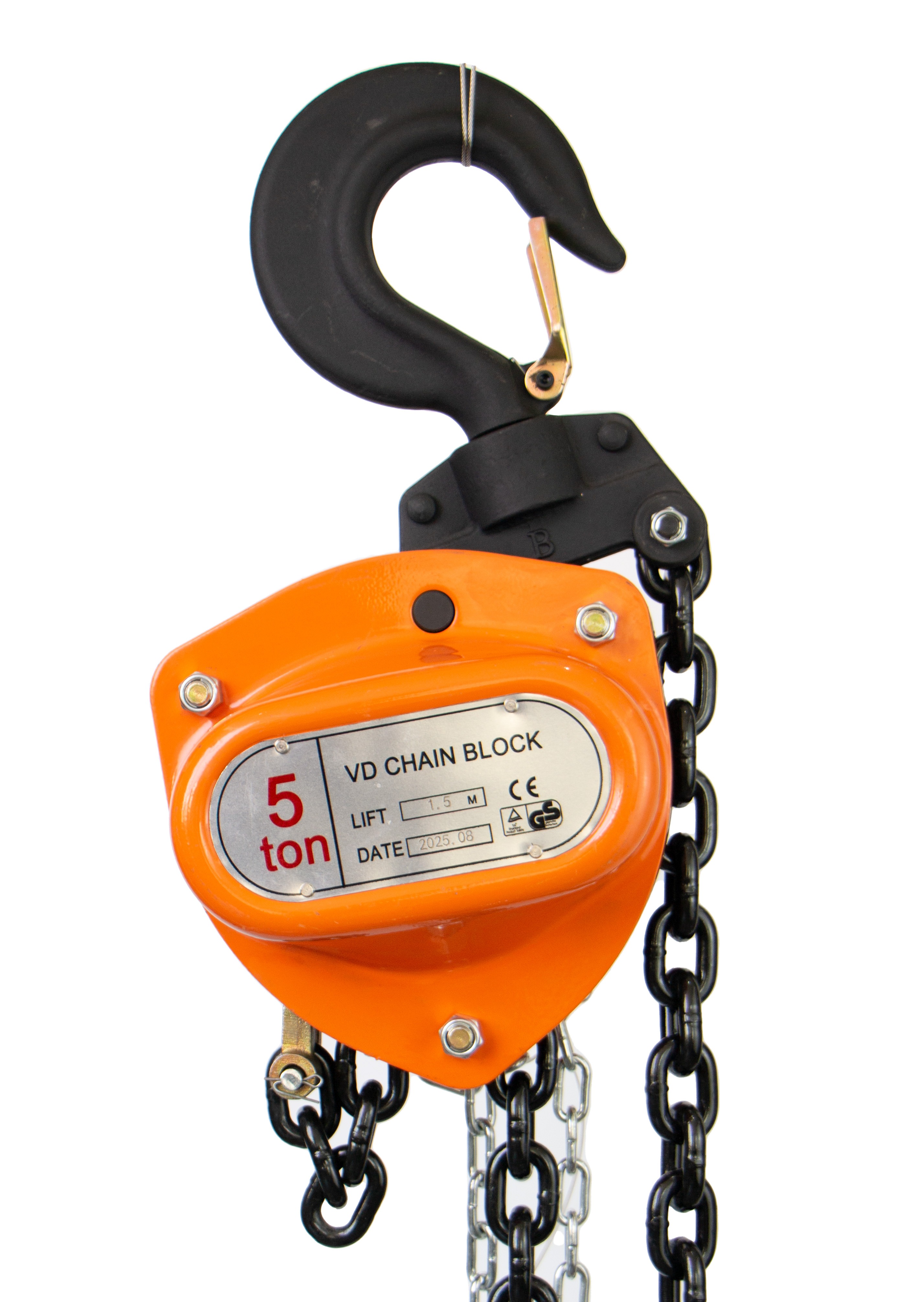
Feature | CD1 Wire Rope Electric Hoist | Manual Chain Hoist |
Power source | Electric power required | Manual operation |
Lifting effort | Motor-driven | Operator pulls hand chain |
Typical use pattern | Repeated or higher-frequency lifting, subject to duty rating | Intermittent lifting or locations without suitable power |
Installation | Fixed mount or compatible trolley, depending on model | Suspension point or compatible trolley |
Maintenance | Electrical, mechanical, rope, brake, and control checks | Chain, brake, hook, and mechanical checks |
Selection priority | Capacity, lift height, duty rating, power, mounting | Capacity, lift height, chain pull, mounting |
Do not select a hoist based on rated capacity alone. Confirm the application and installation requirements with the supplier.
Choose a rated capacity that safely covers the heaviest intended load, including any relevant lifting accessories. Never exceed the rated capacity.
Specify the required vertical travel from the lowest to the highest working position. Make sure the rope length and available headroom suit the installation.
Confirm the rated lifting speed and whether the application requires single-speed or another control arrangement. Do not assume all CD1-branded products share identical specifications.
Confirm voltage, frequency, phase, control voltage, and local electrical requirements before ordering. These must match the specific motor and control system.
Decide whether the hoist will be fixed-mounted or travel along a beam. For trolley installation, verify beam profile, flange width, load rating, and compatibility.
Describe how often the hoist will operate, the average lifting time, and the expected load pattern. Select a duty classification suitable for the actual work.
Consider dust, moisture, temperature, corrosive conditions, and indoor or outdoor use. Request a suitable protection level or special configuration where necessary.
Confirm wire-rope specifications, hook configuration, brake arrangement, limit devices, and other safety features in the technical documentation.
The following are inquiry fields rather than guaranteed specifications. Values must be filled in from the exact model datasheet or a confirmed factory quotation.
Specification | Confirm for the Selected Model |
Model / series | CD1 — exact model code to be confirmed |
Rated capacity | Confirm with manufacturer |
Lifting height | Confirm with manufacturer |
Lifting speed | Confirm with manufacturer |
Power supply | Voltage / frequency / phase to be confirmed |
Motor power | Confirm with manufacturer |
Wire rope diameter and construction | Confirm with manufacturer |
Control method | Pendant / other configuration to be confirmed |
Mounting type | Fixed / trolley-mounted, as ordered |
Duty rating | Confirm for the intended work cycle |
Protection rating | Confirm for the installation environment |
Applicable standards and certificates | Request current documentation for the offered model |
Electric hoists can create serious hazards if installed or operated incorrectly. Only trained and authorized personnel should operate the equipment.
· Inspect the wire rope for kinks, crushing, broken wires, corrosion, or other damage before use.
· Check the hook, safety latch, brake, controls, and limit devices according to the manual.
· Verify the load weight and ensure all lifting accessories are correctly rated.
· Position the hook above the load to minimize side pulling.
· Keep people away from suspended loads and never lift people with equipment not designed and approved for that purpose.
· Never exceed the rated capacity or use the hoist to drag a load sideways.
· Do not use a limit switch as a routine stopping control unless the manufacturer explicitly permits it.
· Stop operation if abnormal noise, rope damage, brake problems, or unexpected movement occurs.
· Follow local regulations, the installation instructions, and the manufacturer's operating manual.
A planned inspection and maintenance program helps identify wear and reduce unexpected downtime. Follow the manufacturer's service intervals and applicable local requirements.
Inspect for visible damage, deformation, corrosion, and lubrication condition. Replace rope only using the specified type and approved procedure.
Check for deformation, cracks, wear, and correct latch operation. Remove damaged components from service.
Verify operation according to the manual. Brake adjustment and repair should be performed by qualified personnel.
Look for unusual noise, overheating, damaged cables, loose connections, or inconsistent control response. Isolate power before maintenance.
Check for leakage, abnormal noise, and lubrication requirements specified by the manufacturer.
Inspect fasteners, trolley wheels, beam condition, and supporting structure for wear or damage.
For lifting-equipment distributors, a CD1 wire rope electric hoist can complement a broader range of material handling products. Potential customers may include:
· Manufacturing plants
· Machine shops and fabrication companies
· Warehouses and logistics facilities
· Maintenance contractors
· Industrial equipment dealers
· Construction and installation businesses
Distributors may also discuss related products such as manual chain hoists, lever hoists, lifting chains, slings, jacks, and compatible material-handling equipment. Compatibility, certification, and intended use should be confirmed for each product.
Electric hoists can help make repeated lifting tasks more efficient when the equipment is correctly selected, installed, and maintained. A CD1 wire rope electric hoist should be chosen according to the real load, lifting height, work cycle, electrical supply, mounting arrangement, and operating environment.
For buyers and distributors, a clear technical inquiry is the best starting point. Share the required capacity, lifting height, power supply, installation type, and working conditions with the supplier so that the proposed configuration can be checked before purchase.
CH HOIST supplies lifting and material handling equipment for distributors, wholesalers, factories, warehouses, and industrial customers. Product availability, specifications, customization, and documentation should be confirmed with the sales team for each inquiry.
For a quotation, provide the required rated capacity, lifting height, voltage/frequency, quantity, destination, and whether a trolley is required.
A CD1 wire rope electric hoist is a commonly used electric lifting device. In typical configurations, an electric motor drives a lifting mechanism that winds a wire rope around a drum, raising or lowering a load through a hook assembly.
2026-10-29View More →
In recent years, with the continuous development of global cross-border e-commerce, intelligent manufacturing, third-party logistics and industrial warehousing industries, the daily cargo turnover of factories, distribution centers, retail warehouses and freight yards has increased year by year.
2026-10-28View More →
A Practical Lifting Solution for Steel Plates, Blocks, Bars, and Round Materials In steel fabrication, metal processing, machinery manufacturing, and industrial workshops, moving heavy steel materials efficiently is an important part of daily operations.
2026-10-27View More →


 Tel:
+8613653129869
 Whatsapp:
+8613653129869
 Email:
chuanghehoist@gmail.com
 Address:Donglu Village, Donglu Township, Qingyuan District, Baoding City, Hebei Province

 English
 Français
 Español




 Email
 +8613653129869
 +8613653129869

 Home
 Whatsapp
 chuanghehoist@gmail.com