In lifting work, experience teaches lessons that brochures never mention.
Over the years, I’ve noticed that most buyers searching online are asking the same practical questions:
● Best manual hoist brands for industrial lifting
● How to choose the right manual hoist for construction work
● Compare come-along pullers vs chain hoists
● Manual hoist weight capacity comparison
● Safety guidelines for operating a hand hoist
Instead of giving textbook answers, I’d like to share how I actually look at these questions in real projects.
Best Manual Hoist Brands for Industrial Lifting
In industrial lifting, reputation matters — but performance matters more.
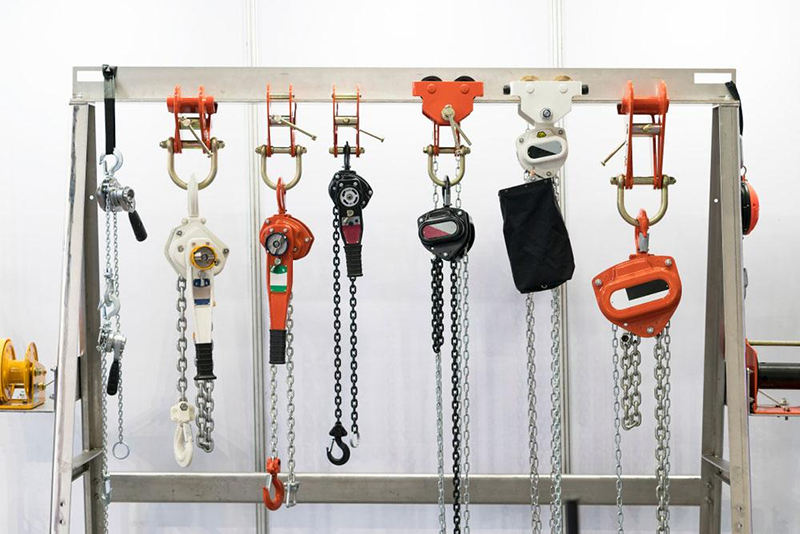
Some globally recognized brands include:
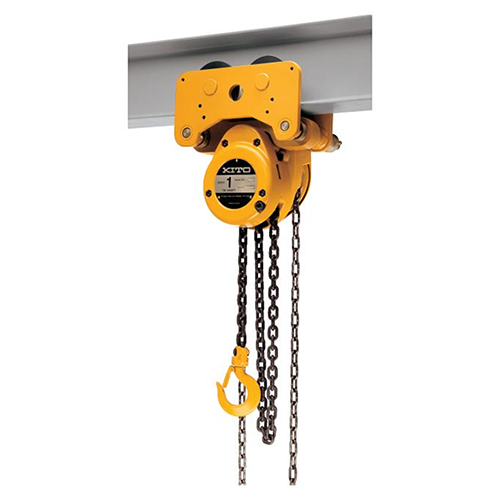
● KITO – Extremely smooth hand chain operation, strong braking reliability.
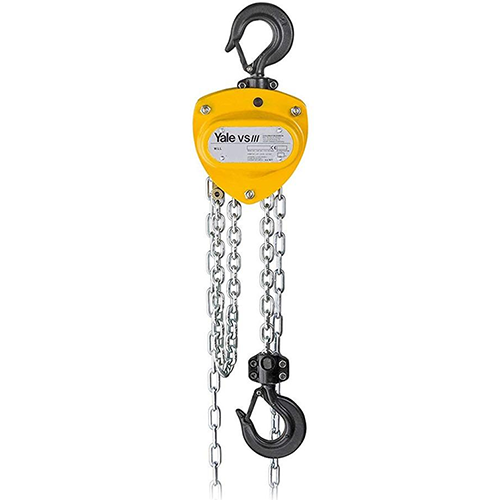
● Yale – Solid European engineering, very strict safety standards.
● CM Lodestar – Popular in North America, especially in industrial maintenance.
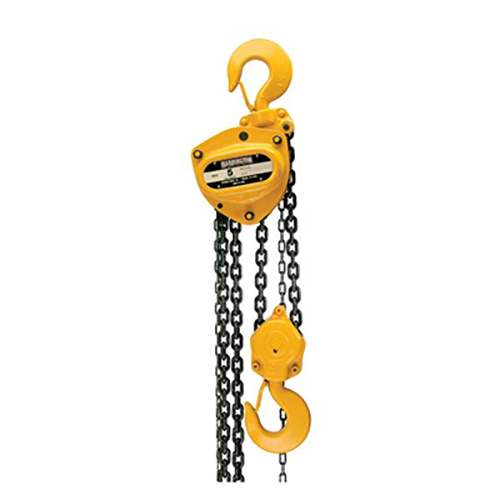
● Harrington – Known for durability and long service cycles.
But here’s something many people don’t say openly:
For many construction contractors and overseas distributors, brand is only part of the equation.
What they really evaluate is:
● Brake reliability under real load
● Chain grade (G80 / G100)
● Gear precision and wear resistance
● Spare parts availability
● Delivery time consistency
A hoist that stops production for three weeks because of missing parts is more expensive than any premium brand.
How to Choose the Right Manual Hoist for Construction Work
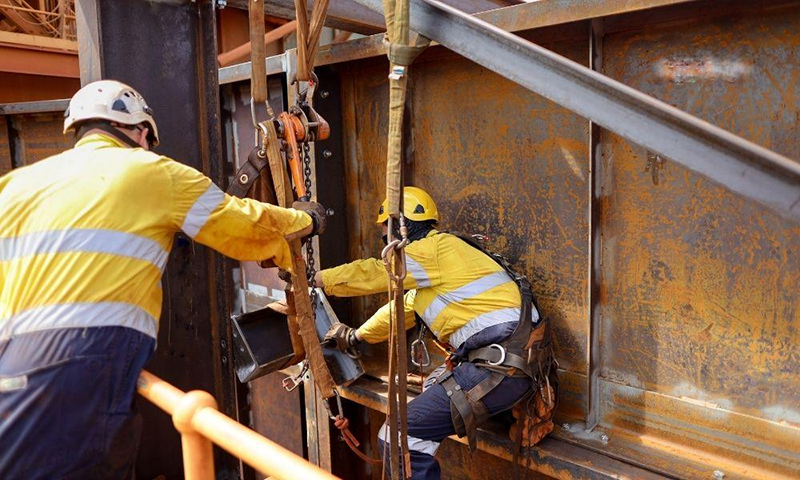
Construction sites are harsh. Dust, wind, rain, uneven surfaces — everything tests equipment.
When I help a contractor choose a manual hoist, I walk through these real questions:
1. What Is the True Load?
Many buyers say “2 tons.”
I always ask: Is that static weight? Is there movement? Is there angle pulling?
If steel beams are being adjusted or positioned, dynamic force may exceed rated weight. In such cases, upgrading one capacity level is a safer decision.
2. How Often Will It Be Used?
● Occasional installation → Standard chain block is enough.
● Daily heavy lifting → Higher-grade chain and hardened gears are essential.
Frequent use accelerates internal gear wear. Choosing the right quality level at the beginning saves maintenance costs later.
3. Working Height and Chain Length
Standard lift is usually 3 meters.
But in steel structure projects or warehouse construction, 6m, 9m or even 12m lift may be required. Longer chains increase overall weight, so portability must be considered.
4. Outdoor or Indoor?
Outdoor environments demand:
● Corrosion-resistant coating
● Strong double pawl braking system
● Sealed bearings to prevent dust intrusion
Small details determine service life.
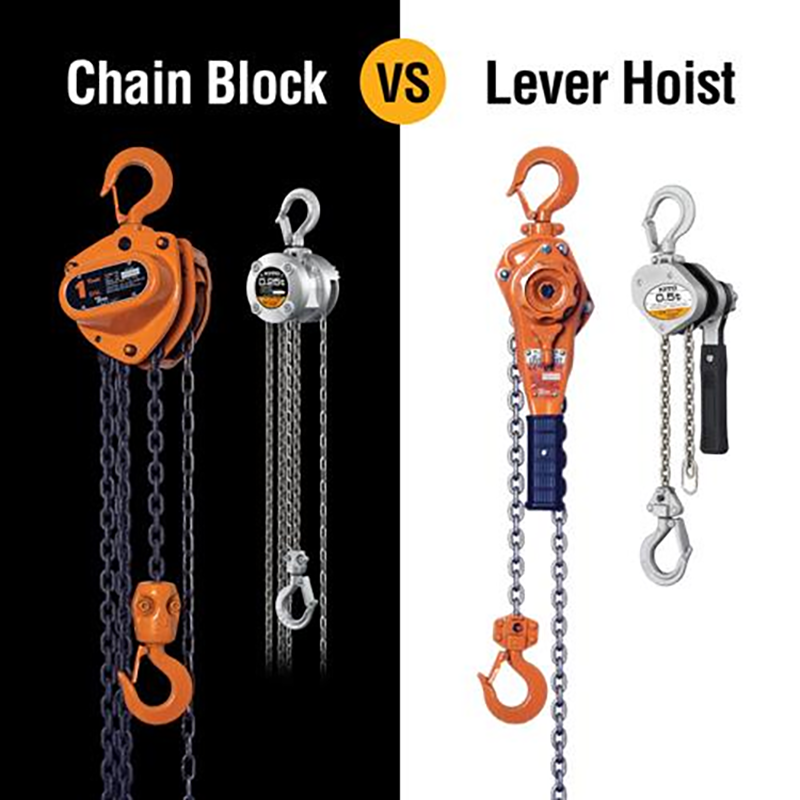
Compare Come-Along Pullers vs Chain Hoists
This is one of the most misunderstood comparisons.
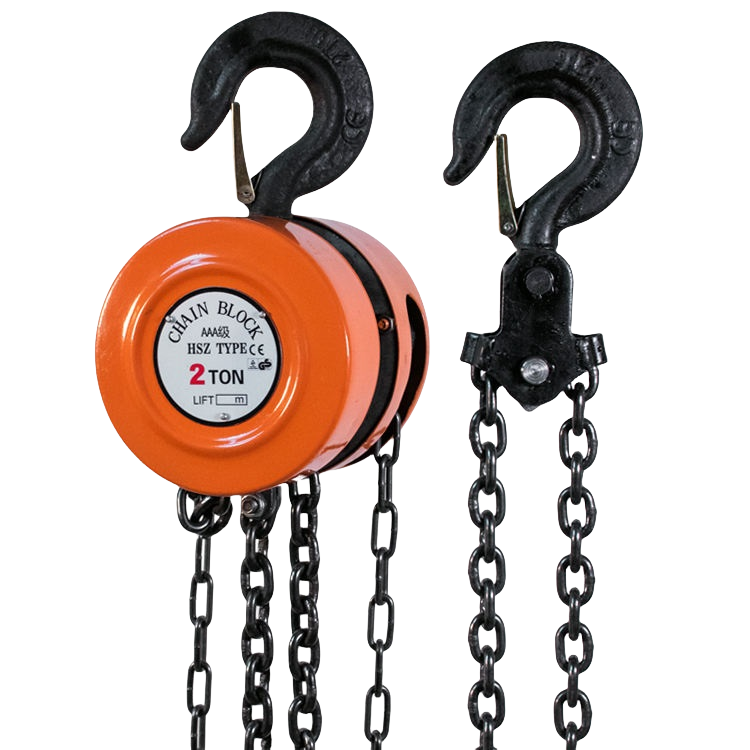
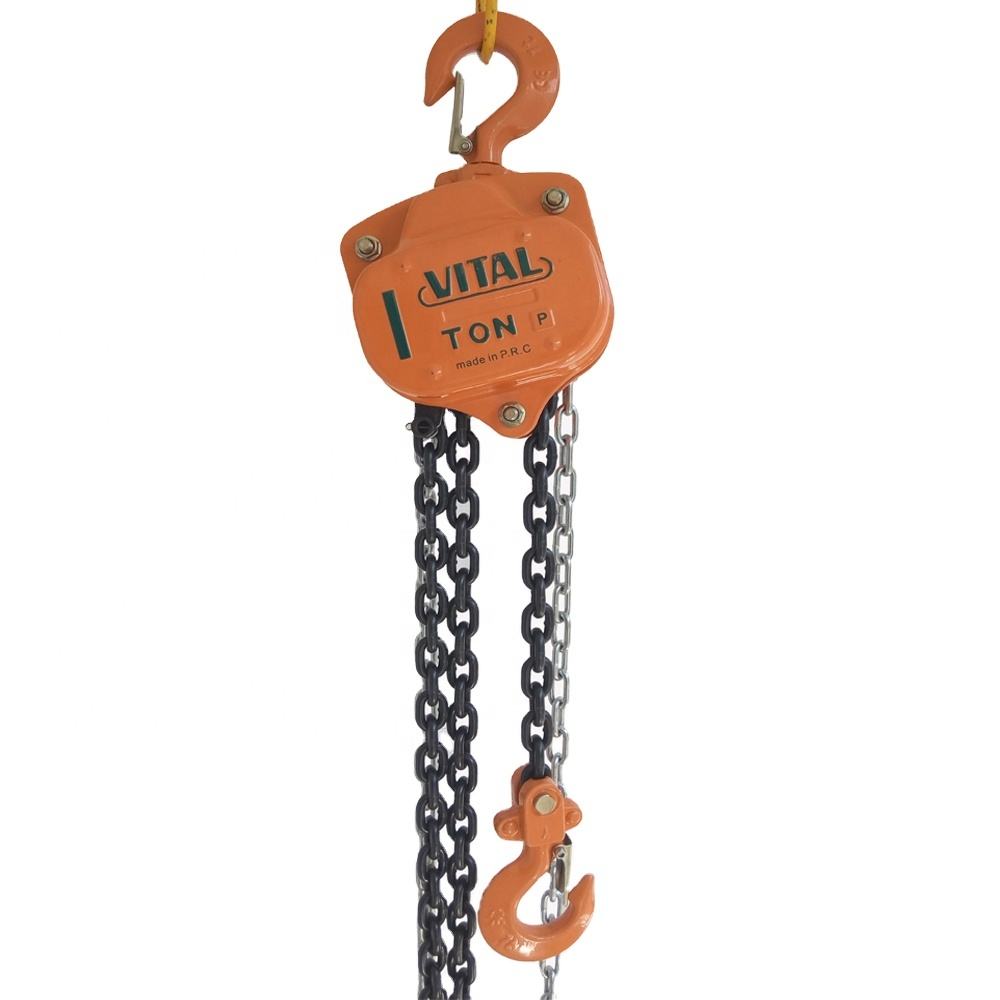
● Designed primarily for vertical lifting
● Suspended from beam, trolley, or fixed structure
● Higher lifting capacities available
● Very stable for overhead loads
Best for: lifting heavy equipment straight up.
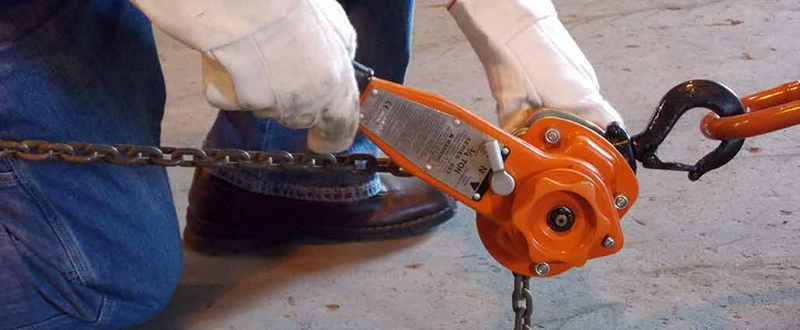
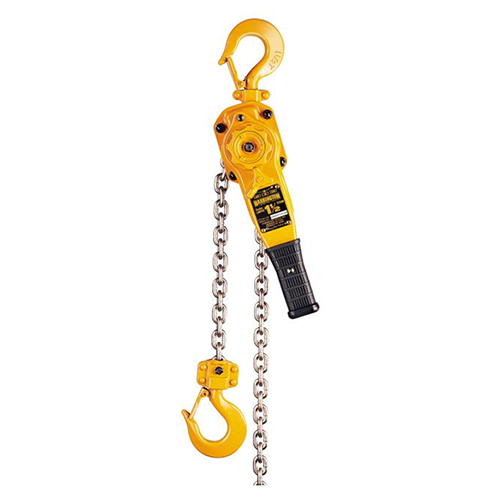
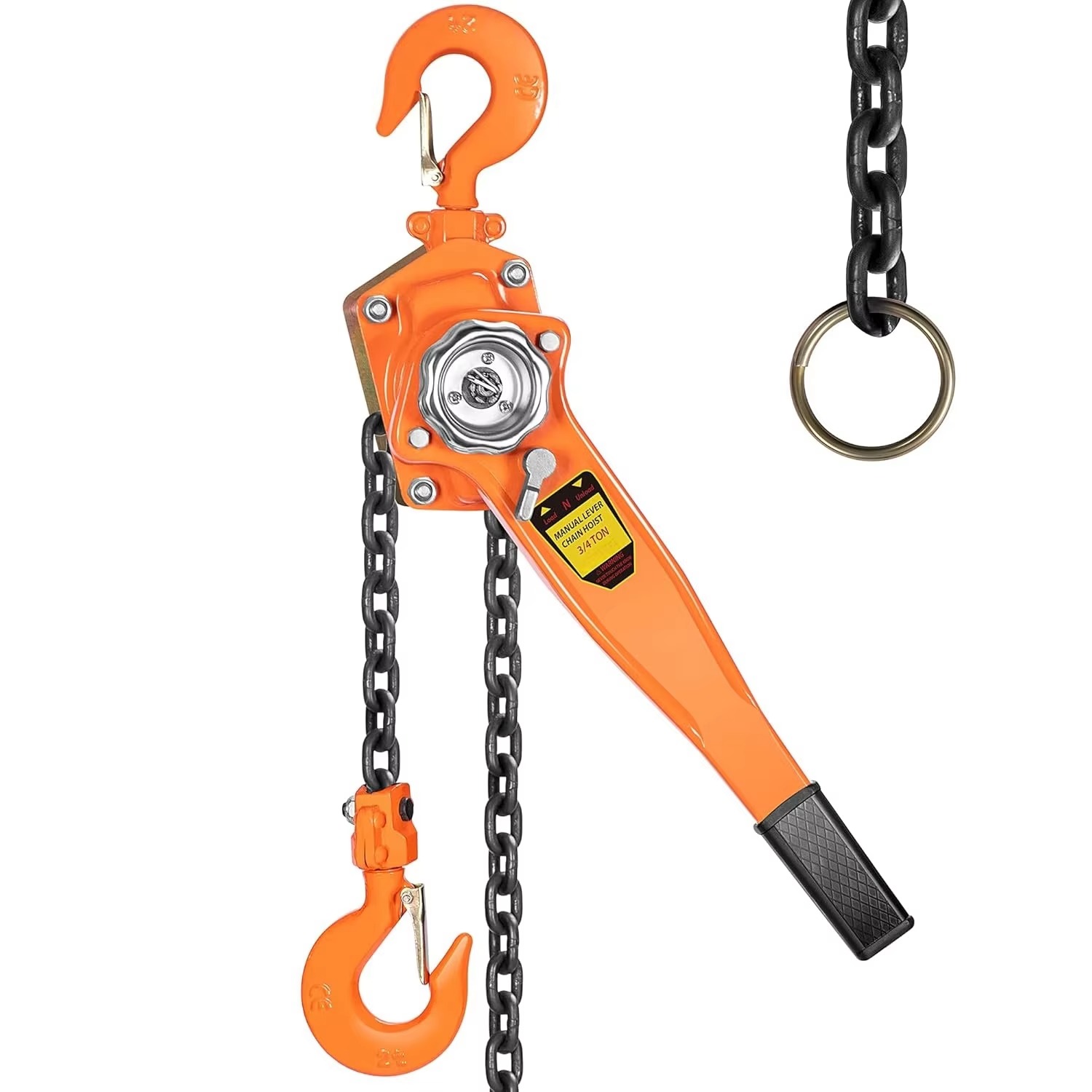
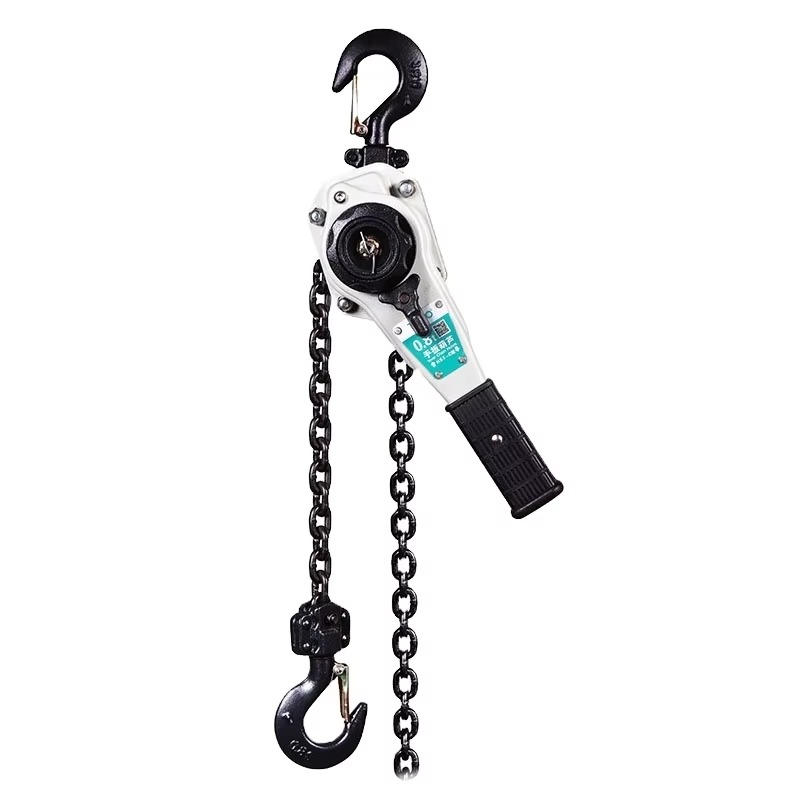
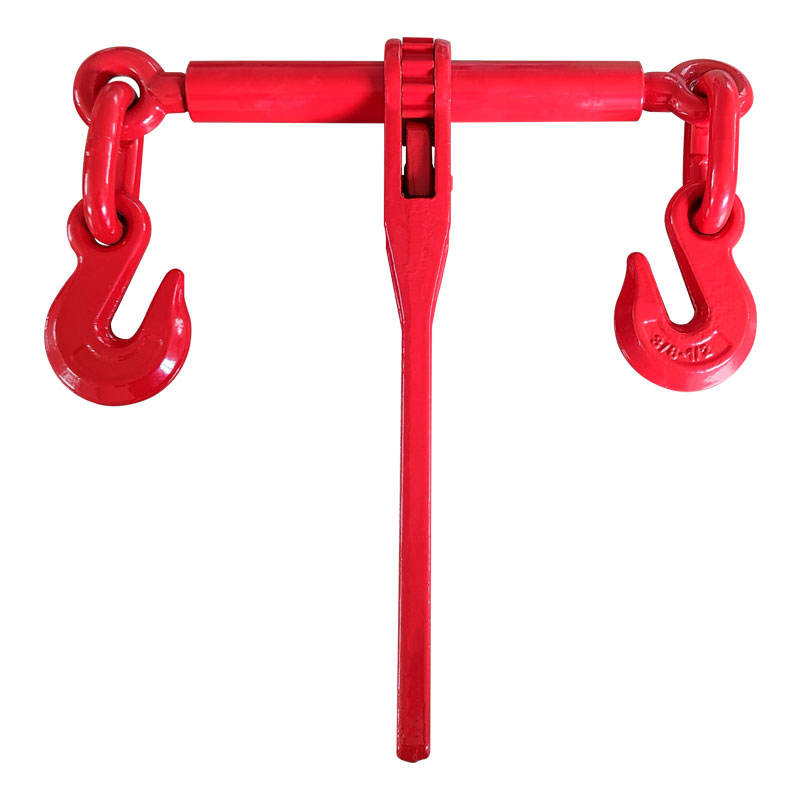
Come-Along Puller (Lever Hoist / Ratchet Puller)
Designed for pulling and positioning
Works horizontally, vertically, or at angles
Compact body, flexible use
Ideal for alignment and tensioning
Best for: pulling machinery into place, tightening structures, field installation work.
They serve different purposes. Choosing the wrong one is not a product issue — it’s an application mistake.
Manual Hoist Weight Capacity Comparison
Here’s how capacities typically align with job types:
| Capacity | Common Applications |
| 0.5 Ton | HVAC installation, light maintenance |
| 1 Ton | Small equipment positioning |
| 2 Ton | General site lifting |
| 3 Ton | Structural steel adjustment |
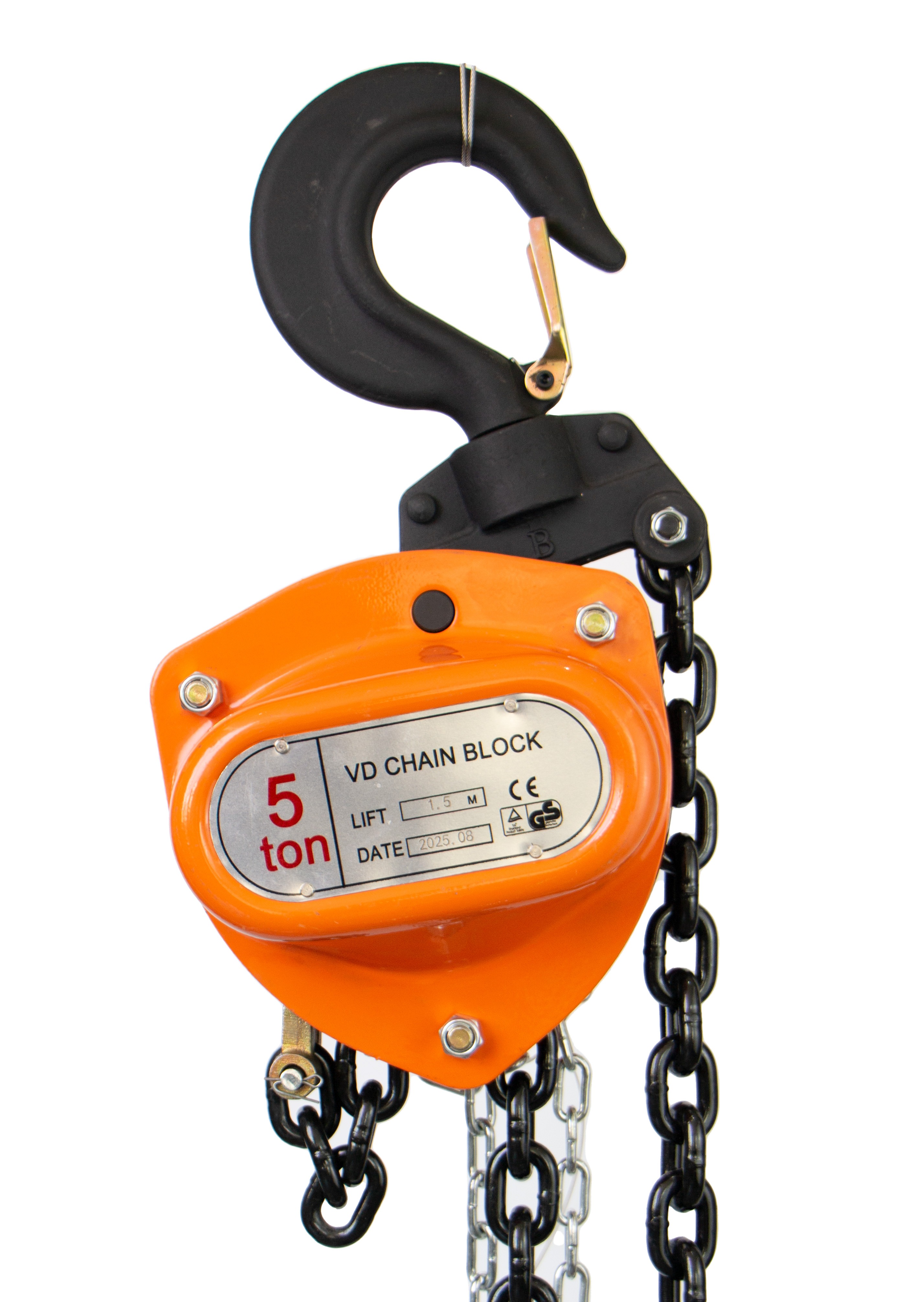
| 5 Ton | Machinery handling |
| 10 Ton + | Heavy industrial lifting |
However, capacity ratings assume:
● Vertical load
● Proper hook engagement
● Even load distribution
● No impact force
Real-life lifting often introduces side force or shock load. This is why training matters as much as hardware.
Safety Guidelines for Operating a Hand Hoist
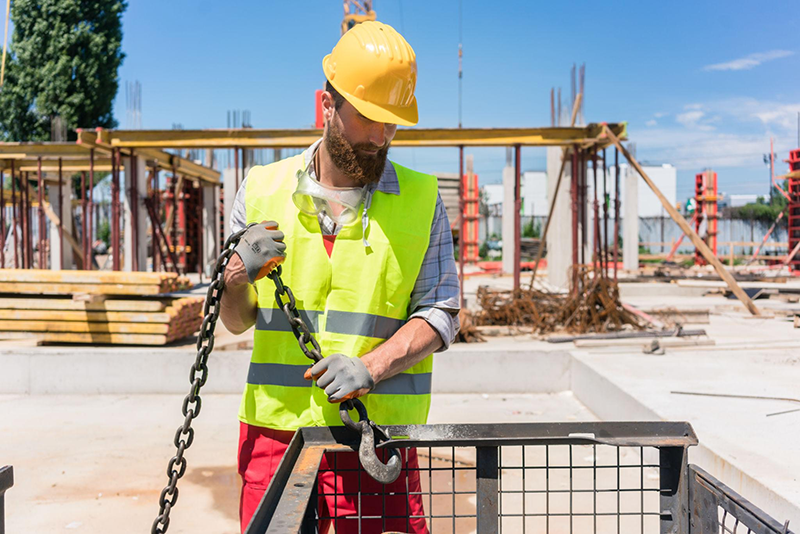
From what I’ve seen in the field, 90% of accidents happen because of
of shortcuts.
Here are the habits I insist on:
Pre-Operation Inspection
● Check hook opening size
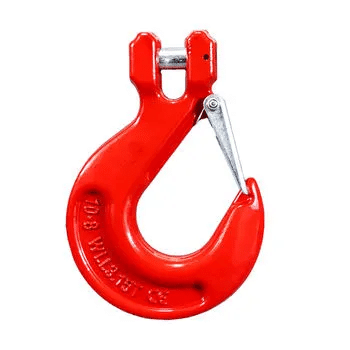
● Ensure safety latch functions
● Inspect chain for twist or stretch
● Test brake before full load
A 2-minute inspection prevents serious accidents.
No Overloading
Operators sometimes “try once” with slightly heavier loads.
That “once” can permanently damage brake components.
Avoid Side Loading
Manual chain hoists are designed for straight pull.
Angled lifting increases internal stress dramatically.
Lift Smoothly
Jerking the chain creates shock loading.
Shock loading multiplies force beyond rated capacity.
Never Stand Under Load
This rule sounds basic — but it is often ignored in busy sites.
A Practical Perspective
Manual hoists remain essential tools in industrial lifting because:
● They require no electricity
● They are portable
● They are simple to maintain
● They perform reliably in remote environments
In my experience, the right manual hoist is not the most expensive one — it is the one that matches the job precisely and operates safely for years.
Lifting is not complicated. But it demands respect.
If you are selecting manual hoists for a construction project or industrial application and want a practical evaluation based on real working conditions, I’m always open to discussing specific cases.



 Click:1562
Edit: Chuanghe Hoisting
Click:1562
Edit: Chuanghe Hoisting Time:2026-03-04 15:43:22


 Tel:
+8613653129869
Tel:
+8613653129869 Whatsapp:
+8613653129869
Whatsapp:
+8613653129869 Email:
chuanghehoist@gmail.com
Email:
chuanghehoist@gmail.com Address:Donglu Village, Donglu Township, Qingyuan District, Baoding City, Hebei Province
 English
 Français
 Español
 Email
Email +8613653129869
 +8613653129869
 Home
Home Whatsapp
 chuanghehoist@gmail.com