


If you have any questions, please contact our online customer service staff immediately
 Click:1091
Edit: Chuanghe Hoisting
Click:1091
Edit: Chuanghe Hoisting Time:2026-05-25 11:50:45
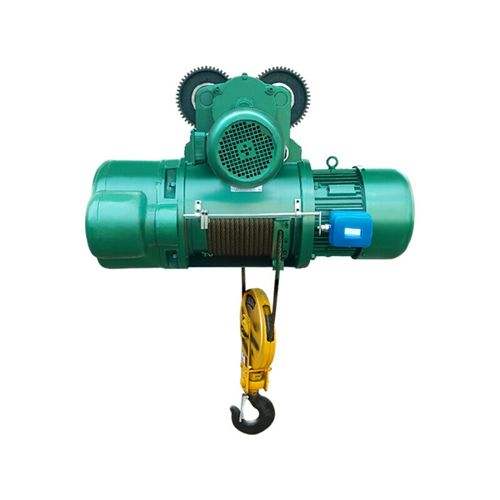
In today’s industrial environment, lifting equipment is no longer judged only by lifting capacity. Buyers now care about efficiency, durability, maintenance cost, safety, and long-term reliability. Among the many lifting solutions available on the market, electric wire rope hoists have become one of the most widely used products in factories, warehouses, construction sites, steel workshops, logistics centers, and heavy manufacturing industries.
Over the last decade, the demand for electric wire rope hoists has increased steadily across Southeast Asia, the Middle East, South America, and Eastern Europe. The reason is simple: businesses want faster lifting operations, safer working conditions, and equipment that can operate continuously under demanding workloads.
Unlike manual lifting tools or smaller electric chain hoists, electric wire rope hoists are designed for heavier-duty applications. They provide higher lifting heights, smoother movement, better stability, and stronger performance under continuous operation. For industries that handle steel coils, molds, machinery, construction materials, or large pallets every day, this difference matters.
Many buyers initially focus on lifting capacity when selecting a hoist. However, experienced users understand that the real value of an electric wire rope hoist lies in operational stability.
A high-quality wire rope hoist can maintain smooth lifting even when handling heavy loads repeatedly throughout the day. This reduces vibration, minimizes load swing, and improves positioning accuracy during operation. In practical working environments, smoother operation means less product damage, fewer safety risks, and higher efficiency for workers.
Modern electric wire rope hoists are also designed with compact structures that allow installation in workshops with limited overhead space. Double-speed lifting systems, frequency control, thermal protection, and overload protection are becoming standard features in many industrial projects.
For companies that rely heavily on material handling, downtime can become extremely expensive. This is why durability has become one of the most important purchasing factors. A cheaper hoist may save money at the beginning, but unstable motors, weak gear systems, or low-quality wire ropes often lead to higher maintenance costs later.
Professional buyers are paying more attention to:
· Motor insulation grade
· Duty classification
· Gearbox durability
· Copper content in motors
· Brake system performance
· Wire rope quality
· Safety protection systems
· Continuous working capability
These factors directly affect the lifespan of the equipment.
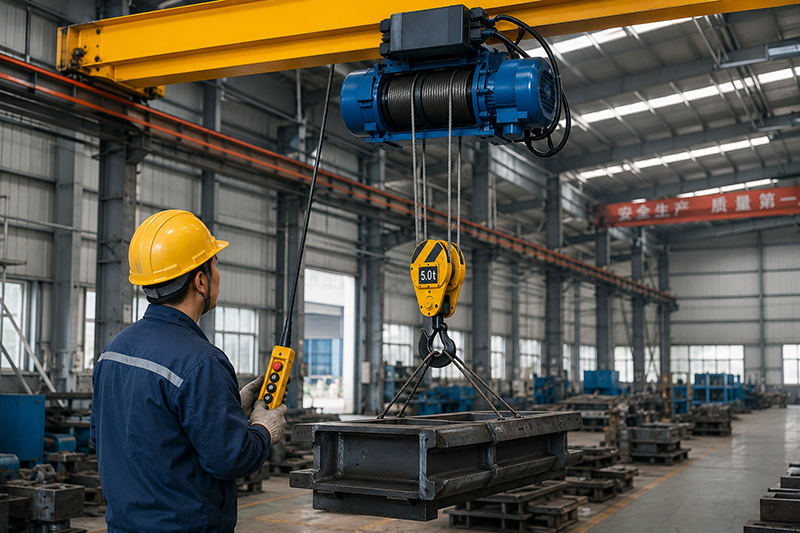
In many older factories, manual chain blocks or outdated lifting systems are still being used. However, labor costs are increasing worldwide, and production schedules are becoming tighter every year.
Electric wire rope hoists help companies reduce manual labor intensity while improving lifting speed and operational consistency. In automated production lines and modern warehouses, lifting equipment must integrate smoothly with bridge cranes, gantry cranes, jib cranes, and other handling systems.
Compared with traditional lifting methods, electric wire rope hoists offer several clear benefits:
Feature | Traditional Manual Lifting | Electric Wire Rope Hoist |
Lifting Speed | Slow | Fast |
Labor Requirement | High | Low |
Continuous Operation | Limited | Strong |
Safety | Operator-dependent | Multiple protection systems |
Maintenance Efficiency | Inconsistent | More predictable |
Heavy Load Performance | Difficult | Stable |
This is especially important in industries such as:
· Steel fabrication
· Automotive manufacturing
· Shipbuilding
· Warehousing and logistics
· Construction projects
· Machinery production
· Mining operations
· Industrial maintenance
In these environments, equipment reliability directly affects productivity.
In recent years, industrial safety standards have become stricter in many countries. End users are no longer satisfied with “basic lifting.” They expect safer operation systems and better protection for workers.
Modern electric wire rope hoists are increasingly equipped with:
· Emergency stop systems
· Overload limiters
· Upper and lower limit switches
· Electromagnetic braking systems
· Phase protection
· Thermal motor protection
· Anti-drop safety mechanisms
These features not only reduce accidents but also extend the service life of the equipment itself.
Some buyers focus only on price during procurement. However, experienced distributors and engineering contractors know that extremely low-priced hoists often sacrifice critical internal components. From the outside, two hoists may appear similar, but the internal motor quality, brake system, bearing durability, and steel structure can be completely different.
That difference becomes obvious after several months of heavy operation.
Many developing markets are currently experiencing rapid industrial expansion. Warehouses are becoming larger, factories are upgrading production lines, and infrastructure projects are increasing continuously.
As a result, demand for reliable lifting equipment has grown significantly.
Countries in Southeast Asia, the Middle East, Africa, and South America are investing heavily in manufacturing and logistics infrastructure. This trend has created strong demand for electric wire rope hoists with stable quality and competitive pricing.
At the same time, buyers are becoming more professional than before. They no longer choose suppliers based only on catalog photos or low quotations. Instead, they pay closer attention to:
· Factory production capability
· Real testing procedures
· Export experience
· Spare parts support
· Certifications
· Delivery stability
· After-sales communication
For long-term cooperation, product consistency often matters more than temporary low pricing.
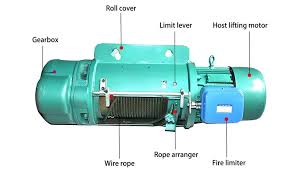
Not every hoist is suitable for every application. Selecting the right model requires consideration of several factors:
Different industries require different load capacities. Common capacities range from 0.5 ton to 20 ton or even higher.
Warehouse applications and high-rise industrial facilities may require longer lifting heights.
Frequent daily operation requires higher-duty motors and stronger gear systems.
Voltage standards differ between countries and regions.
Indoor workshops, outdoor construction sites, humid environments, and high-temperature areas all require different configurations.
The hoist must match the beam size, rail type, and crane structure.
An experienced supplier usually helps customers evaluate these details before production begins.
The electric hoist industry is also evolving rapidly. Smart control systems, inverter technology, remote operation, and energy-saving designs are becoming increasingly popular.
Some advanced systems now support:
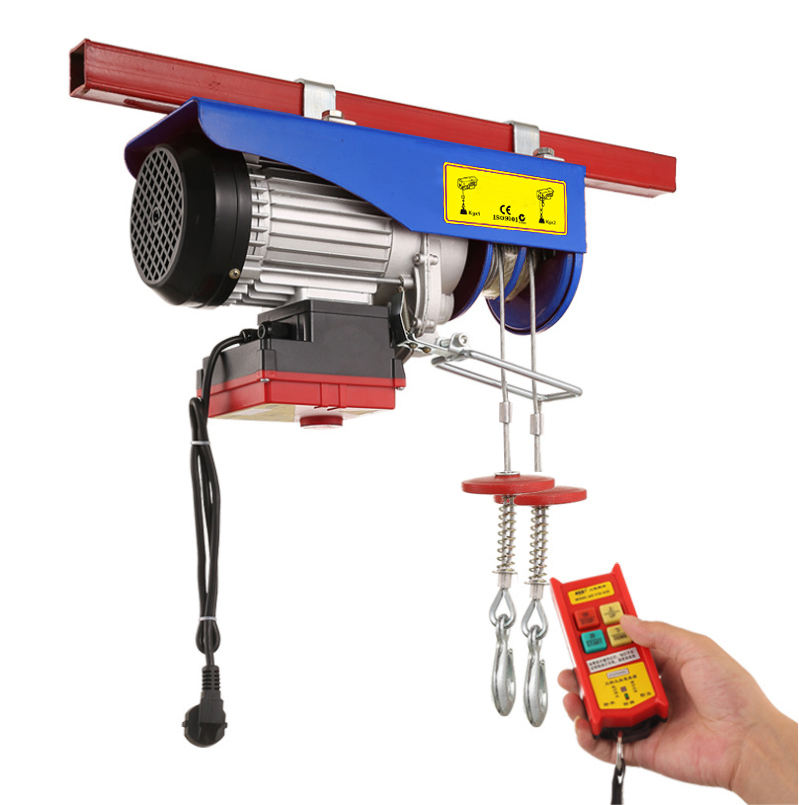
· Wireless remote control
· Variable frequency speed adjustment
· Real-time load monitoring
· Smart maintenance alerts
· Automated positioning systems
As factories move toward automation and intelligent manufacturing, lifting equipment will continue becoming more efficient and more integrated into production systems.
The future market will not belong only to the cheapest products. It will belong to suppliers that can offer stable quality, technical support, reliable delivery, and long-term value.
Electric wire rope hoists are no longer simply lifting tools. They have become an essential part of modern industrial productivity.
For businesses that operate in demanding environments, choosing the right lifting equipment can significantly improve efficiency, reduce downtime, and increase workplace safety. While pricing always matters, long-term performance and reliability often determine the real cost of ownership.
As global industries continue upgrading their facilities and handling heavier workloads, the role of electric wire rope hoists will only become more important in the years ahead.
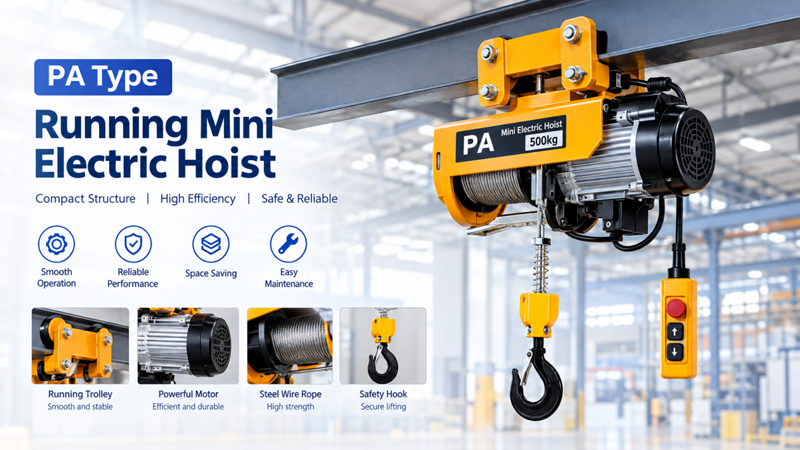
Learn about PA type running mini electric hoist, including key selection factors, typical applications, safety operation tips for small lifting jobs.
2026-10-20View More →
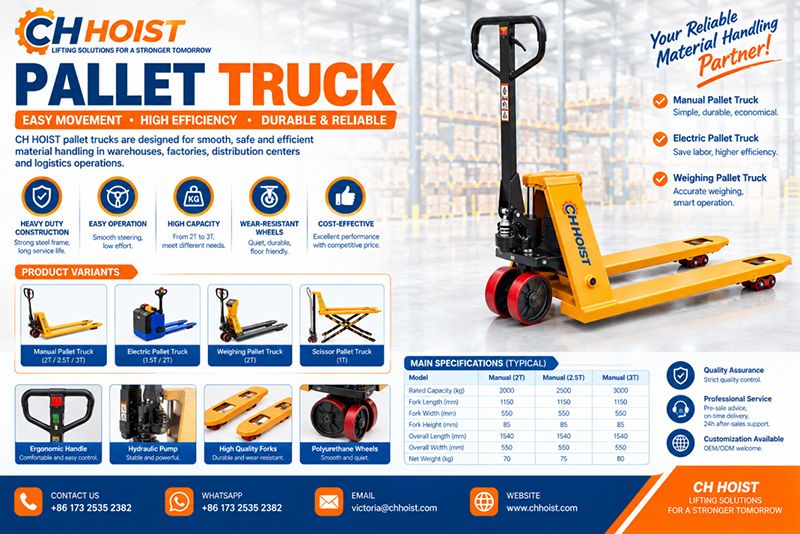
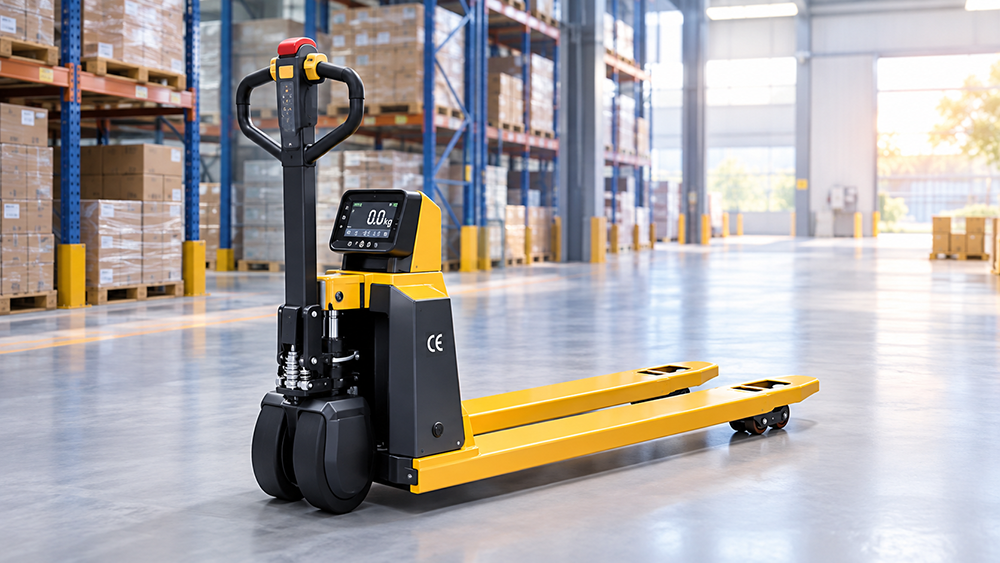
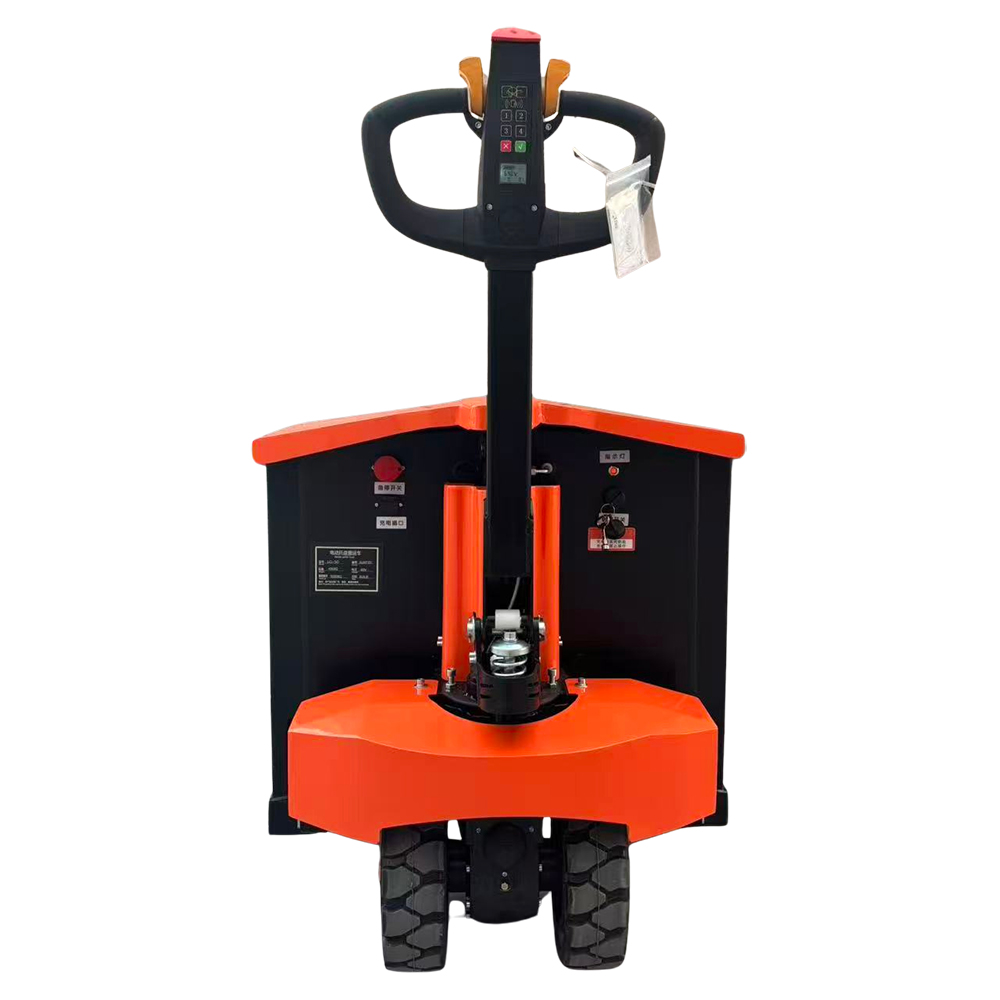
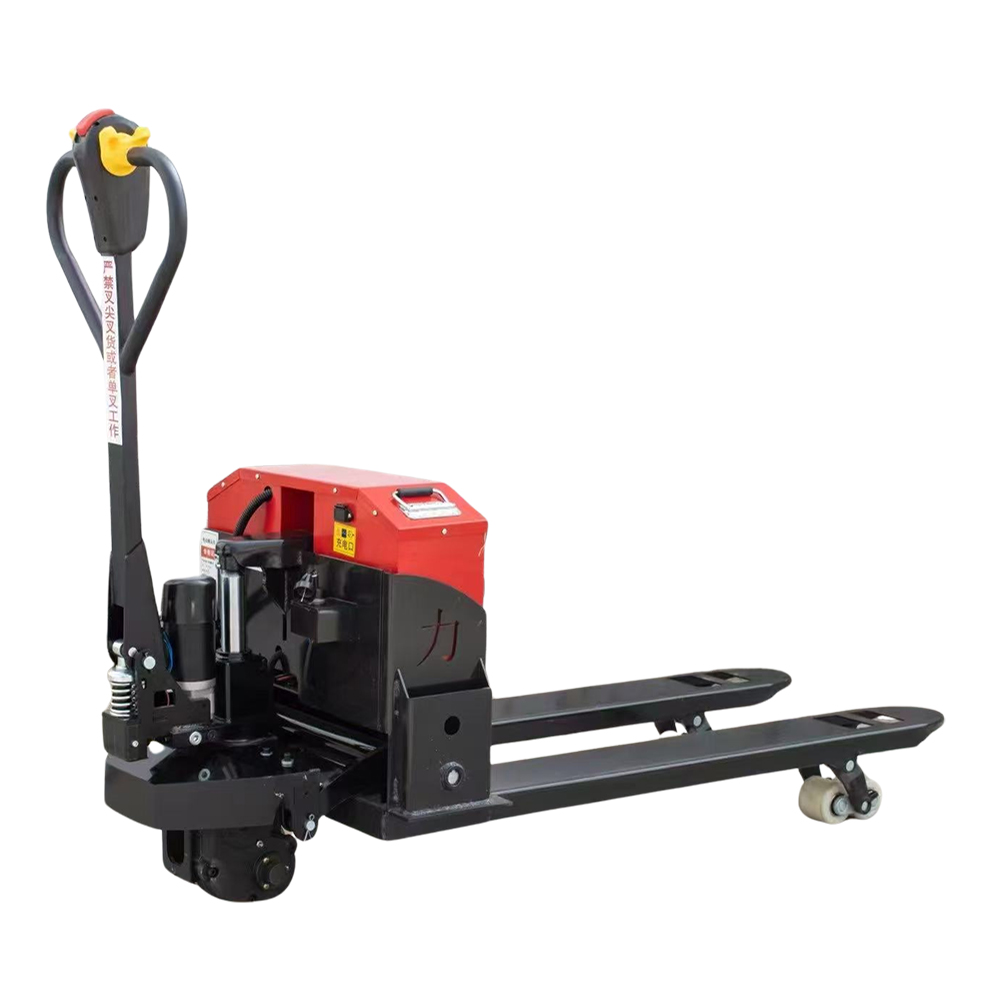
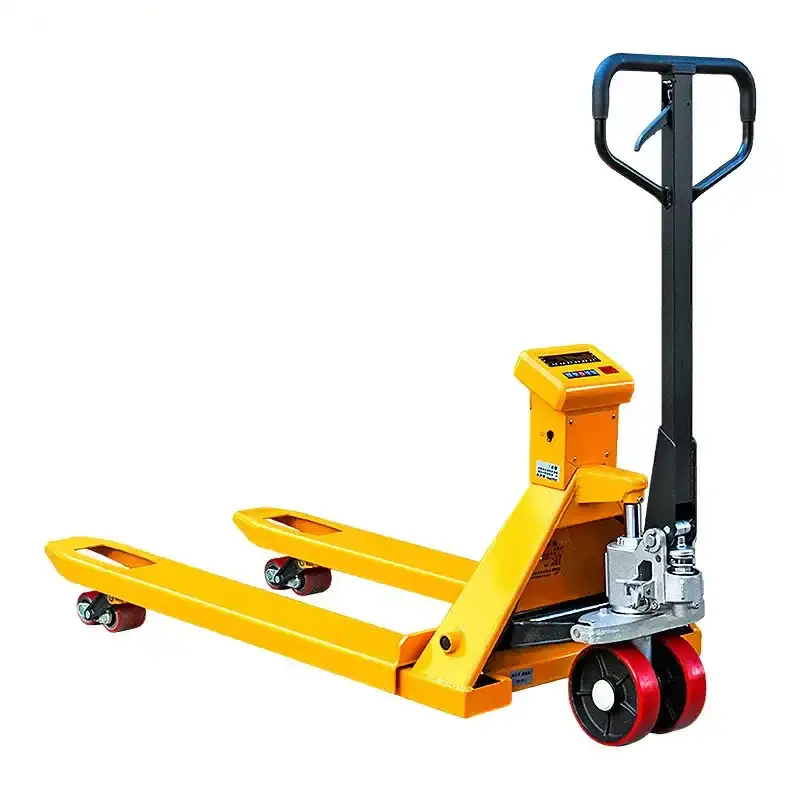
A pallet truck, also known as a pallet jack or pallet trolley, is one of the most practical tools for transporting palletized materials over short distances. Compared with moving goods manually, pallet trucks help reduce physical effort, improve workflow, and make warehouse operations more efficient.
2026-10-19View More →
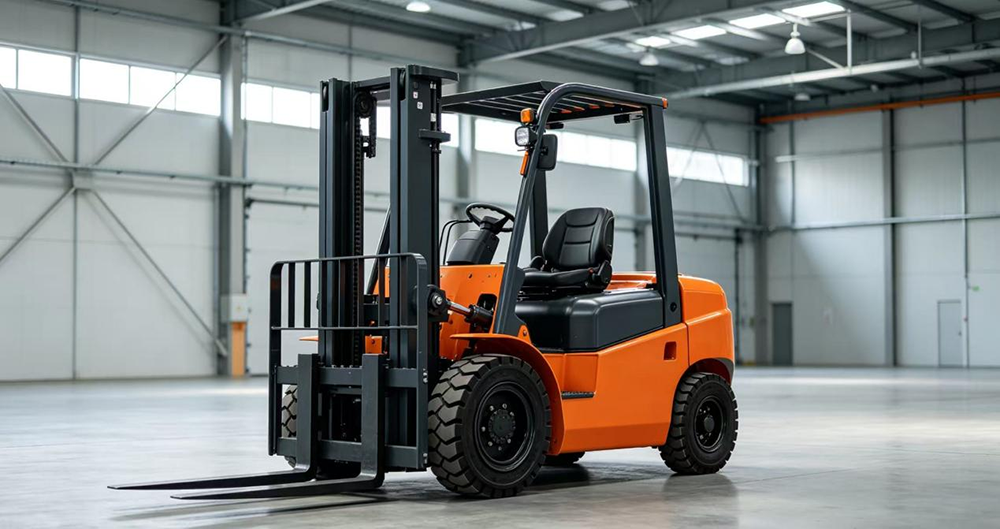
In recent years, with the continuous global promotion of green manufacturing, low-carbon industrial policies, intelligent warehouse transformation and rapid expansion of cross-border e-commerce logistics, the traditional diesel forklift market has shown obvious shrinking trends. At the same time, electric counterbalance forklifts have ushered in explosive growth worldwide.
2026-10-16View More →


 Tel:
+8613653129869
Tel:
+8613653129869
 Whatsapp:
+8613653129869
Whatsapp:
+8613653129869
 Email:
chuanghehoist@gmail.com
Email:
chuanghehoist@gmail.com
 Address:Donglu Village, Donglu Township, Qingyuan District, Baoding City, Hebei Province

 English
 Français
 Español
 Email
Email +8613653129869
 +8613653129869
 Home
Home Whatsapp
 chuanghehoist@gmail.com