


If you have any questions, please contact our online customer service staff immediately
 Click:1297
Edit: Chuanghe Hoisting
Click:1297
Edit: Chuanghe Hoisting Time:2026-05-28 11:49:36
Among all warehouse handling equipment,electric pallet trucks have become one of the most widely used and essential solutions for modern logistics operations. Whether in manufacturing plants, e-commerce fulfillment centers, supermarkets, cold storage warehouses, or freight terminals, electric pallet trucks play a critical role in improving internal transportation efficiency.
Compared with traditional manual pallet trucks, electric pallet trucks provide significant advantages in speed, ergonomics, safety, and operational efficiency. They help businesses reduce physical labor, increase throughput, minimize workplace injuries, and optimize warehouse workflows.
As labor costs rise worldwide and warehouse automation accelerates, the demand for electric pallet trucks continues to grow steadily across global markets.
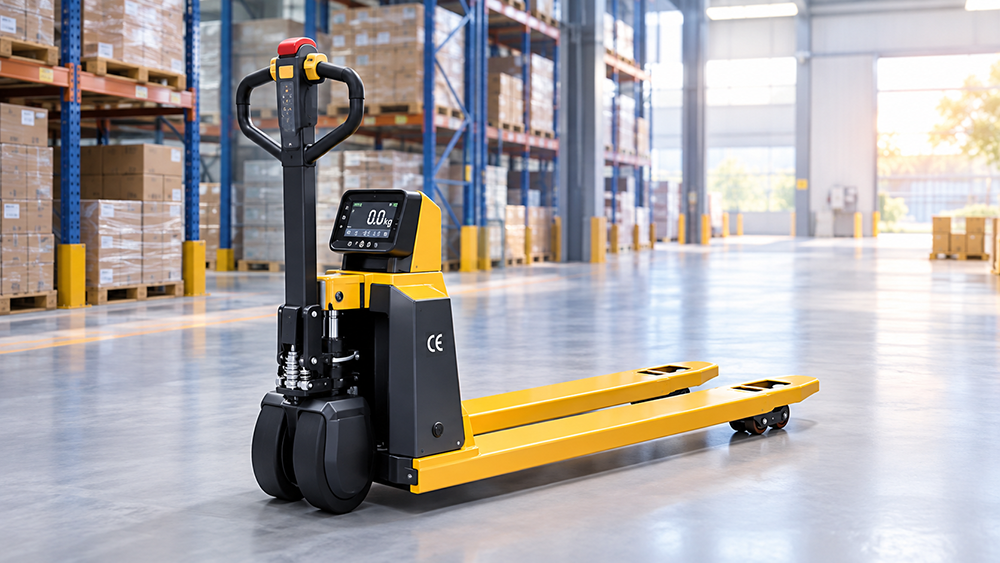
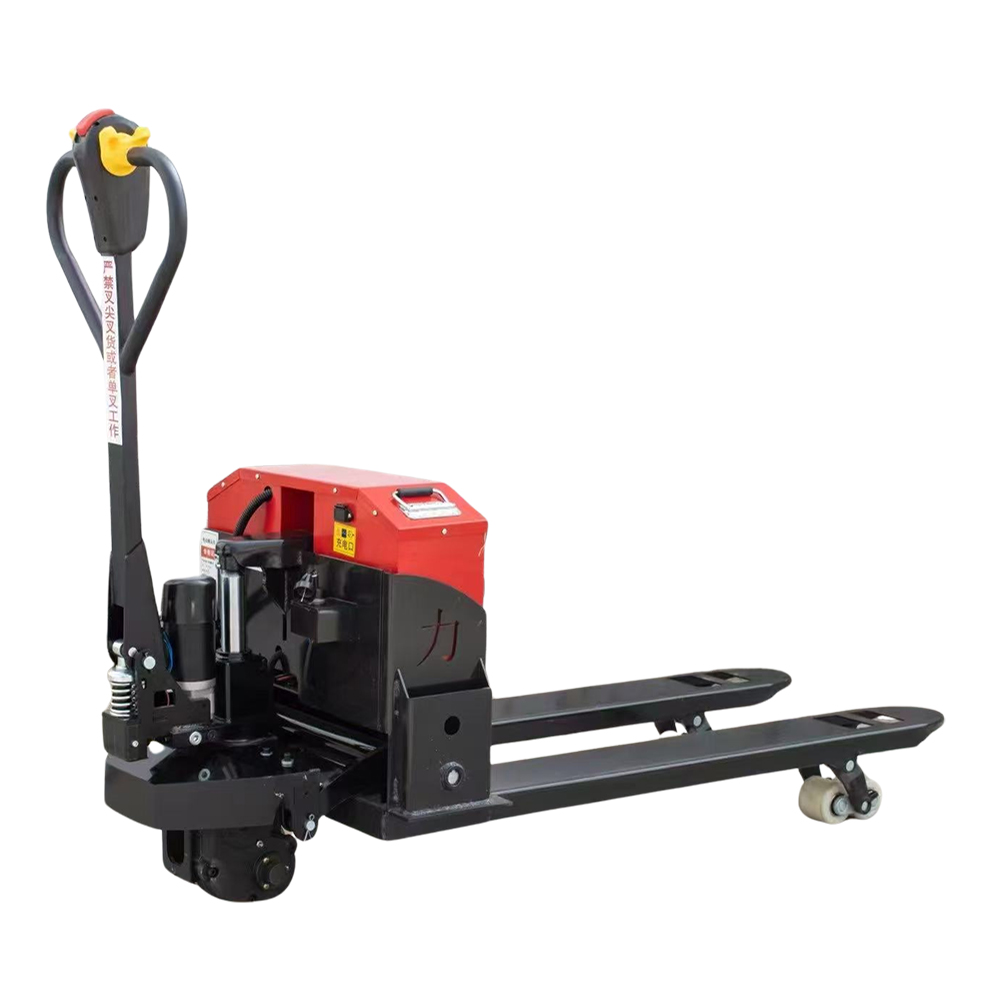
An electric pallet truck, also known as an electric pallet jack or powered pallet truck, is a battery-powered material handling machine designed for lifting and transporting palletized goods over short and medium distances.
The equipment combines electric driving systems with hydraulic lifting mechanisms to move heavy loads efficiently with minimal operator effort.
Unlike manual pallet trucks that rely completely on human pushing and pulling force, electric pallet trucks use electric motors for traveling and hydraulic systems for lifting operations.
A standard electric pallet truck generally includes the following components:
· Steel forks
· Hydraulic pump system
· Electric drive motor
· Battery pack
· Electronic controller
· Control handle
· Drive wheel
· Load rollers
· Safety braking system
· Emergency stop functions
The operator controls movement, lifting, lowering, acceleration, and braking through an ergonomic multifunction handle.
Electric pallet trucks are commonly available in load capacities ranging from 1.5 tons to 5 tons depending on industrial requirements.
Traditional manual pallet trucks dominated warehouses for decades because of their simple structure and low cost. However, as logistics operations became more intensive, the limitations of manual handling became increasingly obvious.
Large warehouses now process thousands of pallets daily. Continuous manual transportation creates several challenges:
· Worker fatigue
· Reduced operational efficiency
· Higher injury risks
· Increased labor requirements
· Lower handling speed
To solve these issues, electric material handling equipment gradually became more popular.
Electric pallet trucks emerged as an ideal solution because they combine:
· Compact design
· Flexible maneuverability
· Lower operating costs
· Improved productivity
· Reduced labor intensity
Today, electric pallet trucks are considered a standard warehouse tool in developed logistics systems worldwide.
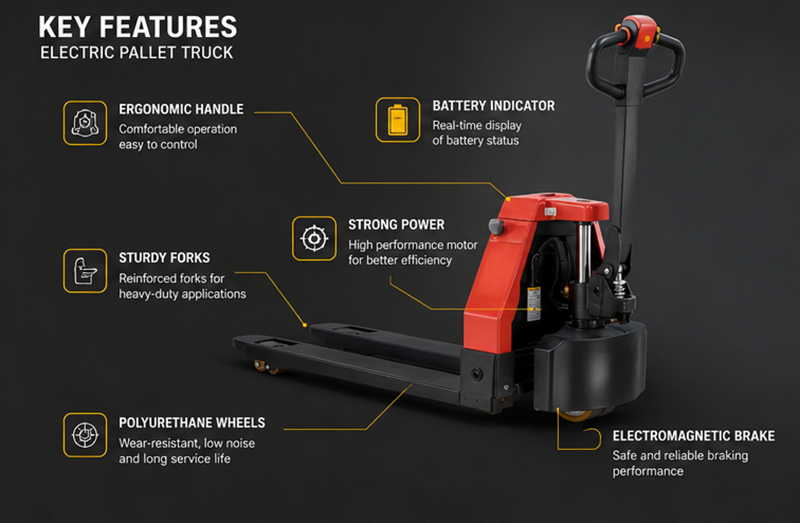
Understanding the structure of an electric pallet truck helps users select suitable models and maintain equipment properly.
The forks are the load-bearing components used to enter and lift pallets.
Fork dimensions vary depending on pallet standards and application requirements.
Common fork lengths include:
· 800 mm
· 1150 mm
· 1220 mm
· 1500 mm
· 1800 mm
· 2000 mm
Wider or longer forks are often used for oversized cargo.
The fork structure must provide:
· High tensile strength
· Impact resistance
· Deformation resistance
· Stable load distribution
High-quality forks are usually manufactured from reinforced steel plates with robotic welding technology.
The hydraulic system controls the lifting and lowering operation of the pallet truck.
Main hydraulic components include:
· Hydraulic pump
· Hydraulic cylinder
· Oil reservoir
· Valves
· Seals
When the operator activates the lifting control, hydraulic pressure raises the forks smoothly.
A high-quality hydraulic system provides:
· Stable lifting performance
· Minimal oil leakage
· Low maintenance requirements
· Long service life
Hydraulic performance directly affects operational reliability.
The drive motor powers the movement of the pallet truck.
Modern electric pallet trucks commonly use:
· DC motors
· AC motors
· Brushless motors
AC motors are becoming increasingly popular because they offer:
· Higher efficiency
· Lower maintenance
· Longer lifespan
· Better temperature control
· Improved energy savings
Motor performance affects:
· Acceleration
· Climbing ability
· Travel speed
· Energy consumption
Two major battery technologies dominate the market.
Traditional lead-acid batteries remain widely used because of their relatively low purchase cost.
Advantages:
· Lower initial investment
· Mature technology
· Reliable basic performance
Disadvantages:
· Long charging times
· Frequent maintenance
· Water refilling requirements
· Heavy weight
· Shorter lifespan
Lead-acid batteries are commonly used in light and medium-duty applications.
Lithium batteries are rapidly transforming the electric pallet truck industry.
Advantages include:
· Fast charging capability
· Maintenance-free operation
· Lightweight structure
· Longer lifespan
· Stable voltage output
· Opportunity charging support
· Higher energy efficiency
Lithium battery electric pallet trucks are especially suitable for:
· Multi-shift operations
· High-frequency warehouse environments
· E-commerce logistics centers
· Continuous operation warehouses
Although lithium batteries have higher initial costs, many companies choose them because of lower long-term operational expenses.
The electronic controller acts as the “brain” of the electric pallet truck.
It controls:
· Motor speed
· Acceleration
· Braking
· Direction changes
· Battery management
· Safety systems
Advanced controllers improve:
· Driving smoothness
· Energy efficiency
· Operational safety
· Equipment lifespan
High-quality controllers also support intelligent diagnostics and error detection.
Different industries require different pallet truck designs.
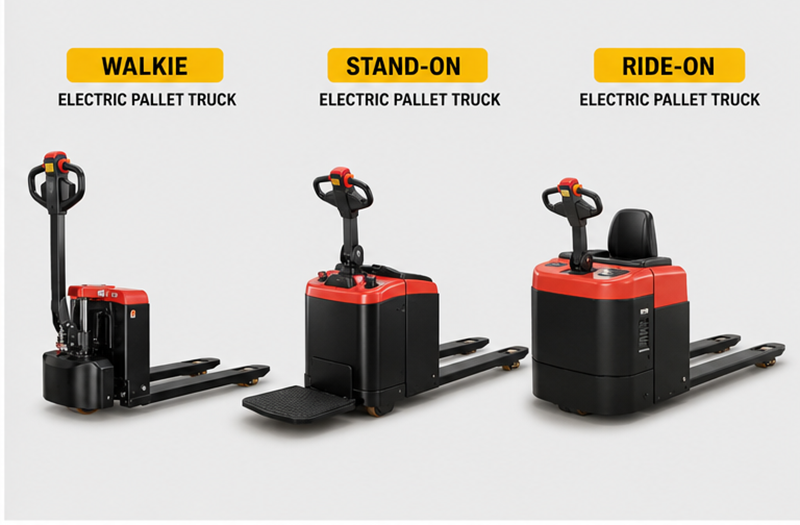
Walkie pallet trucks are operated while the user walks behind the machine.
Advantages include:
· Compact size
· Excellent maneuverability
· Lower purchase cost
· Suitable for narrow spaces
These models are widely used in:
· Small warehouses
· Retail stores
· Supermarkets
· Delivery vehicles
Ride-on pallet trucks allow operators to stand or sit during operation.
Advantages:
· Faster transportation
· Reduced operator fatigue
· Improved efficiency over long distances
Ride-on models are ideal for:
· Large distribution centers
· High-volume logistics operations
· Long transportation routes
Stand-on pallet trucks provide an operator platform while maintaining relatively compact dimensions.
They are commonly used in intensive warehouse operations where speed and maneuverability are both important.
Heavy-duty models are designed for industrial applications involving large or extremely heavy loads.
Typical industries include:
· Steel manufacturing
· Machinery factories
· Construction material plants
· Industrial logistics
Heavy-duty pallet trucks often feature:
· Reinforced chassis
· High-power motors
· Larger batteries
· Enhanced hydraulic systems
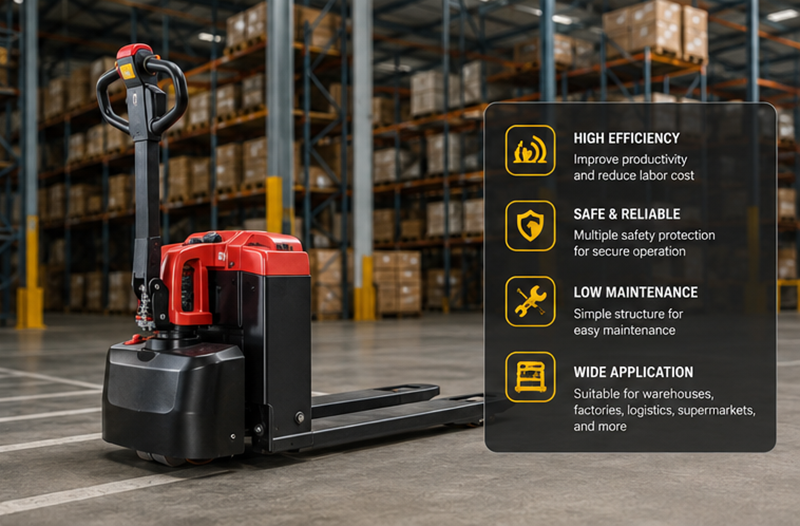
Electric pallet trucks offer numerous operational benefits.
Electric pallet trucks significantly improve handling efficiency.
Operators can transport heavier loads faster with less physical effort.
In high-volume warehouses, this leads to:
· Faster loading operations
· Shorter transportation times
· Increased throughput
· Better workflow optimization
Even small productivity improvements can generate substantial long-term savings.
Manual pallet handling is physically demanding.
Continuous pushing and pulling may lead to:
· Worker fatigue
· Reduced productivity
· Workplace injuries
Electric pallet trucks dramatically reduce physical strain on operators.
This helps companies:
· Improve working conditions
· Increase employee satisfaction
· Reduce injury-related costs
Modern electric pallet trucks include advanced safety systems such as:
· Electromagnetic braking
· Emergency reverse buttons
· Speed reduction while turning
· Anti-slip handles
· Automatic braking on slopes
· Horn systems
· Emergency disconnect switches
These features reduce accident risks and improve overall warehouse safety.
Although electric pallet trucks require higher initial investment than manual pallet trucks, they often reduce overall operating expenses through:
· Labor savings
· Higher efficiency
· Reduced injury claims
· Lower downtime
· Improved operational reliability
For many warehouses, electric pallet trucks deliver excellent return on investment.
Electric pallet trucks are used in almost every modern logistics environment.
Warehouses rely heavily on electric pallet trucks for:
· Internal pallet transportation
· Order picking
· Loading and unloading
· Inventory movement
Large e-commerce warehouses especially depend on electric pallet trucks for continuous operations.
Factories use electric pallet trucks to move:
· Raw materials
· Production components
· Finished goods
· Heavy industrial equipment
Efficient material flow improves production efficiency.
Retail stores and supermarkets use compact electric pallet trucks for:
· Shelf replenishment
· Inventory handling
· Backroom transportation
Compact models are ideal for confined retail spaces.
Cold storage environments require specially designed pallet trucks capable of operating in low temperatures.
These models often include:
· Moisture-resistant electronics
· Cold-resistant hydraulic systems
· Specialized batteries
Electric pallet trucks are widely used in:
· Cargo terminals
· Shipping containers
· Truck loading areas
· Freight warehouses
They help improve loading speed and reduce labor requirements.
Selecting the correct equipment is essential.
The rated load capacity must match operational requirements.
Common capacities include:
· 1.5 ton
· 2 ton
· 2.5 ton
· 3 ton
· 5 ton
Overloading significantly reduces equipment lifespan and safety.
Fork size should match pallet dimensions.
Improper fork sizes may cause:
· Load instability
· Reduced efficiency
· Safety hazards
Buyers should evaluate:
· Charging time
· Runtime
· Maintenance requirements
· Battery replacement costs
Lithium batteries are increasingly preferred for intensive warehouse operations.
Environmental conditions greatly affect equipment selection.
Factors include:
· Indoor or outdoor use
· Ramp operation
· Uneven floors
· Cold storage usage
· Narrow aisle requirements
Reliable after-sales service is critical.
Buyers should consider:
· Spare parts availability
· Technical support
· Warranty coverage
· Maintenance services
Regular maintenance improves performance and extends service life.
Proper charging habits are essential.
Recommendations include:
· Avoid deep discharge
· Use compatible chargers
· Follow charging schedules
· Keep charging areas ventilated
Operators should regularly inspect:
· Oil levels
· Seals
· Hydraulic cylinders
· Hose connections
Oil leakage should be repaired immediately.
Wheels affect handling stability and floor protection.
Common wheel materials include:
· Polyurethane wheels
· Nylon wheels
· Rubber wheels
Worn wheels should be replaced promptly.
Brakes should be checked regularly to ensure operational safety.
The industry continues evolving rapidly.
Lithium technology is expected to dominate the future market because of its efficiency and maintenance advantages.
Modern electric pallet trucks increasingly include:
· Real-time monitoring
· GPS tracking
· Usage analysis
· Maintenance alerts
· Intelligent diagnostics
Manufacturers are developing more energy-saving drive systems to improve battery runtime and reduce energy costs.
Electric pallet trucks are gradually becoming integrated with:
· Warehouse management systems
· Automated logistics solutions
· Smart warehouse technologies
As warehouse space becomes more valuable, compact pallet truck designs for narrow aisles are becoming increasingly popular.
Electric pallet trucks have become one of the most important tools in modern material handling operations. Their ability to improve productivity, reduce labor intensity, enhance workplace safety, and optimize warehouse efficiency makes them an essential investment for businesses worldwide.
From warehouses and factories to retail stores and logistics centers, electric pallet trucks continue transforming the way materials are transported and managed.
As battery technology, automation systems, and warehouse logistics continue advancing, electric pallet trucks will play an even greater role in the future of global material handling industries.
Businesses that invest in high-quality electric pallet trucks today will gain significant advantages in operational efficiency, safety, and long-term competitiveness.
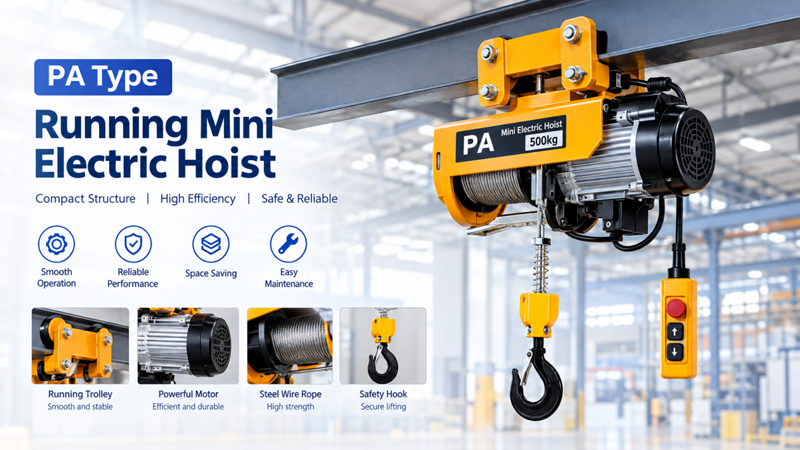
Learn about PA type running mini electric hoist, including key selection factors, typical applications, safety operation tips for small lifting jobs.
2026-10-20View More →
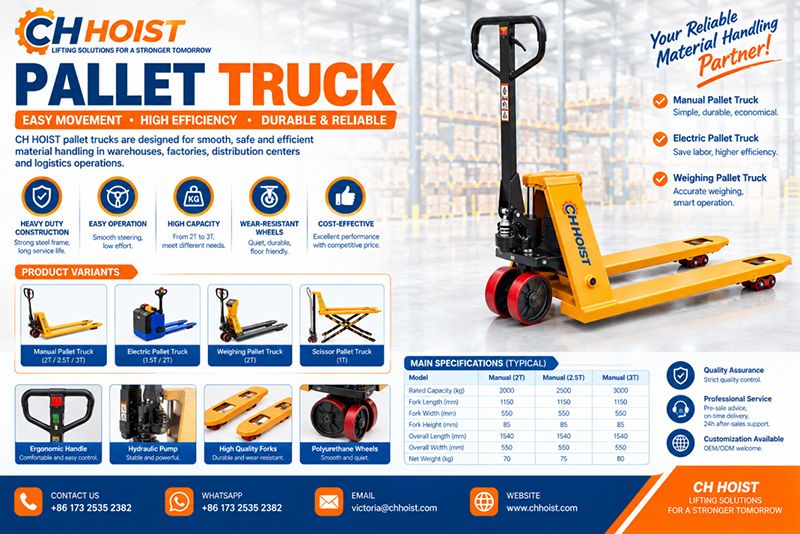
A pallet truck, also known as a pallet jack or pallet trolley, is one of the most practical tools for transporting palletized materials over short distances. Compared with moving goods manually, pallet trucks help reduce physical effort, improve workflow, and make warehouse operations more efficient.
2026-10-19View More →
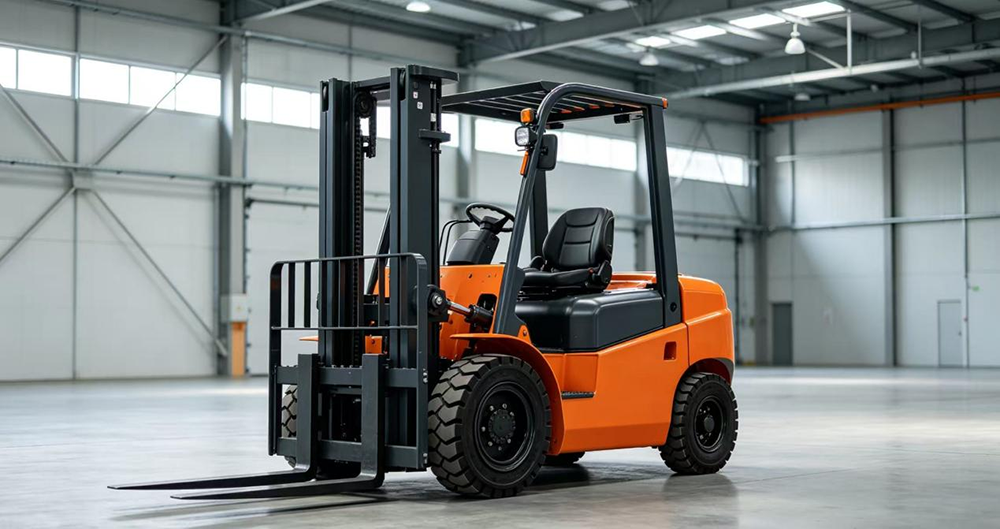
In recent years, with the continuous global promotion of green manufacturing, low-carbon industrial policies, intelligent warehouse transformation and rapid expansion of cross-border e-commerce logistics, the traditional diesel forklift market has shown obvious shrinking trends. At the same time, electric counterbalance forklifts have ushered in explosive growth worldwide.
2026-10-16View More →


 Tel:
+8613653129869
Tel:
+8613653129869
 Whatsapp:
+8613653129869
Whatsapp:
+8613653129869
 Email:
chuanghehoist@gmail.com
Email:
chuanghehoist@gmail.com
 Address:Donglu Village, Donglu Township, Qingyuan District, Baoding City, Hebei Province

 English
 Français
 Español







 Email
Email +8613653129869
 +8613653129869
 Home
Home Whatsapp
 chuanghehoist@gmail.com