Efficient material handling and accurate weight information are important in modern warehouses, factories, logistics centers, and distribution facilities. When goods must be moved and weighed repeatedly, using separate equipment for transport and weighing can add steps, take up floor space, and slow down daily operations.
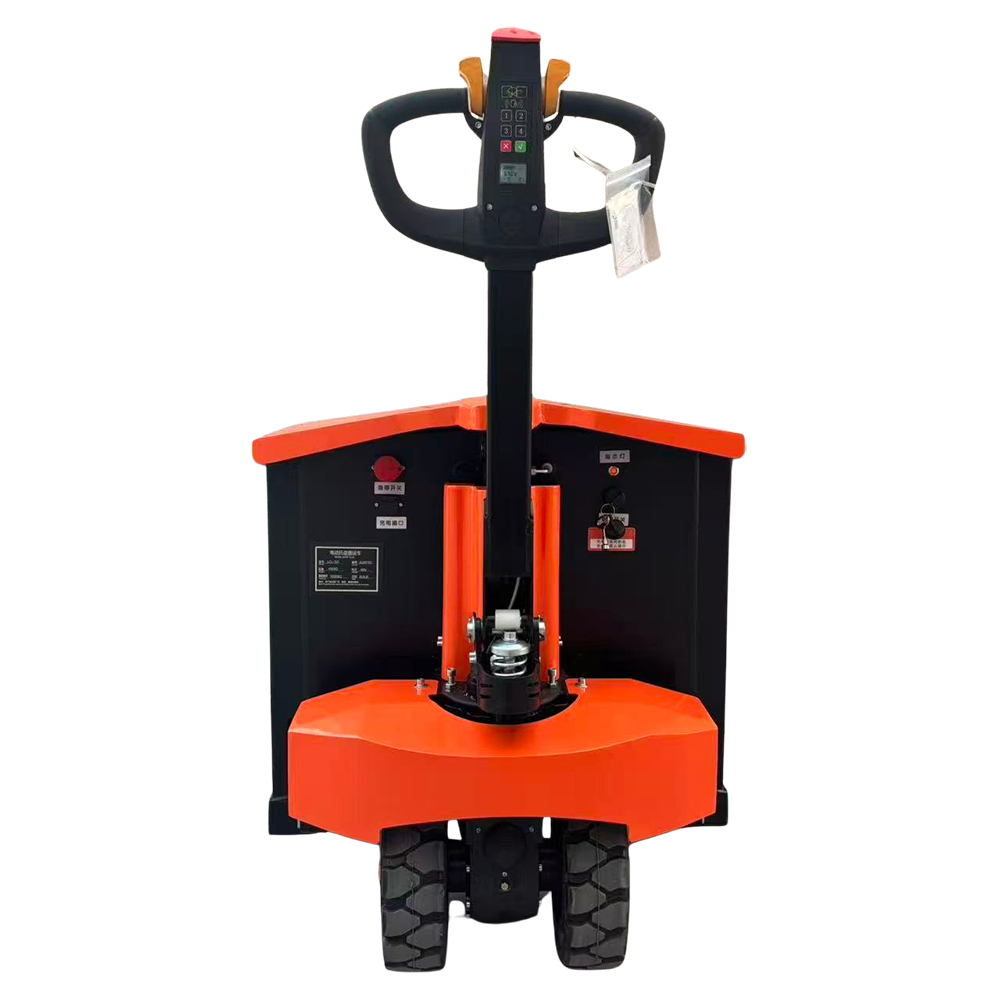
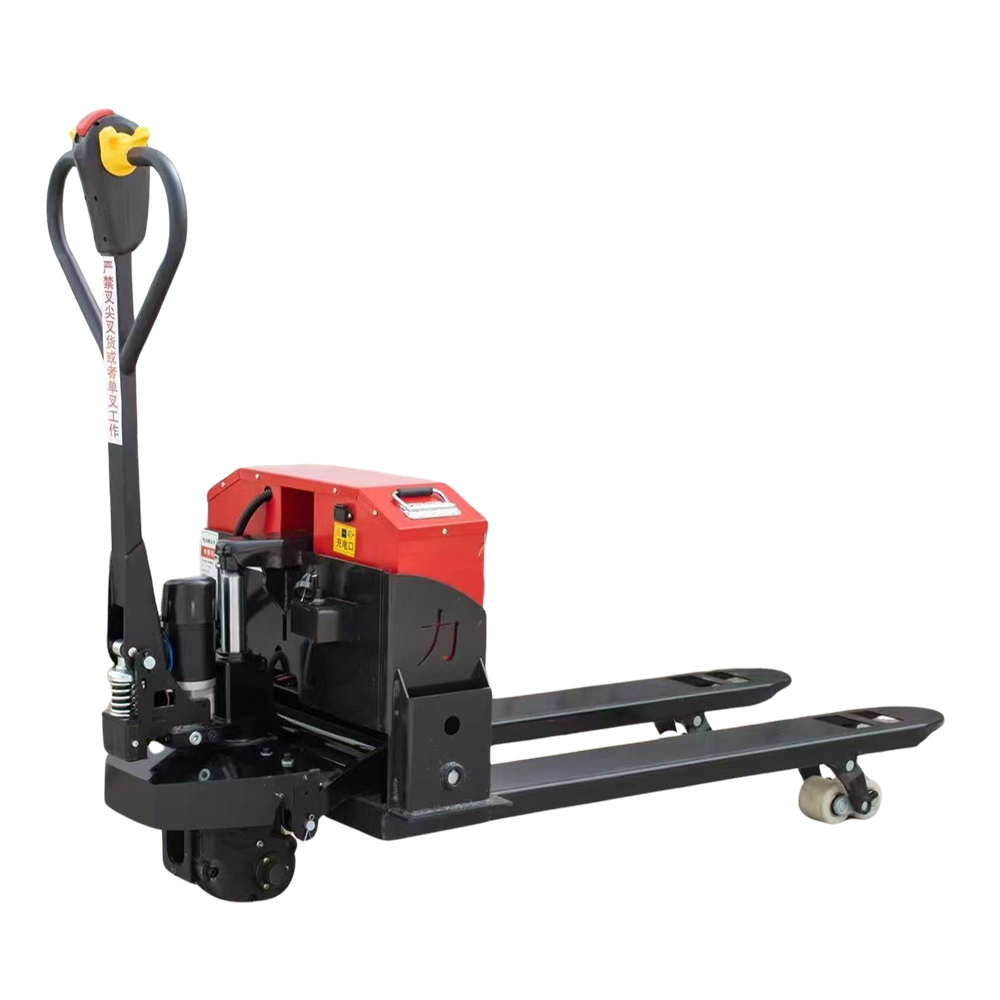
A Full Electric Weighing Pallet Truck combines powered pallet transportation with an integrated weighing system. Depending on the model, the machine can drive electrically, raise and lower the forks electrically, and display the weight of a palletized load while it is being handled.
For businesses that regularly move palletized goods and need weight information for inventory checks, dispatch preparation, receiving, or internal logistics, this type of equipment can help streamline workflows. Actual weighing functions, accuracy, capacity, battery configuration, and display features vary by model and should be confirmed against the manufacturer's specification.
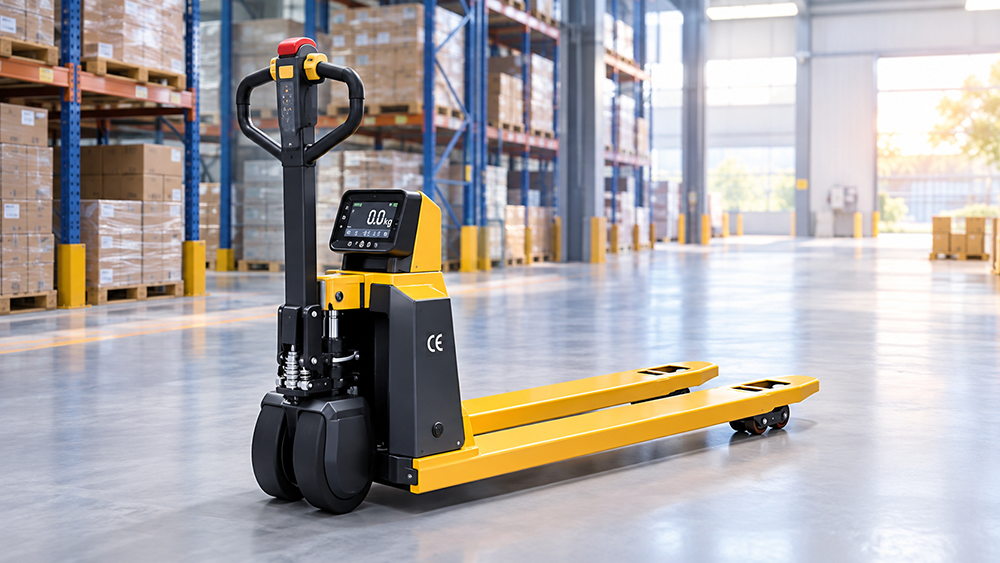
What Is a Full Electric Weighing Pallet Truck?
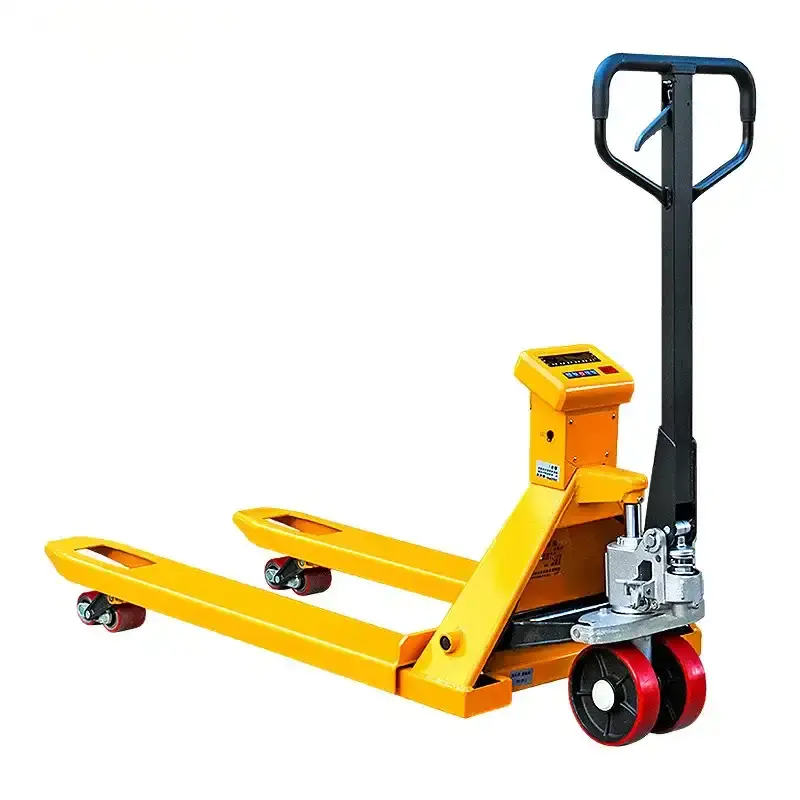
A full electric weighing pallet truck—also called a fully electric pallet truck with scale, electric pallet jack with scale, or powered weighing pallet truck—is designed to transport palletized loads and measure their weight using a weighing system integrated into the truck.
Depending on the design, its main components may include:
Electric drive motor and drive wheel
Electric lifting system or electro-hydraulic lifting unit
Forks and load wheels
Steering tiller and travel controls
Battery and charging system
Integrated load cells or weighing sensors
Weight indicator or digital display
Steel chassis and protective covers
Emergency stop and other model-specific safety controls
The operator places the forks under a compatible pallet, lifts the load, and reads the displayed weight according to the manufacturer's weighing procedure. Some models provide basic weighing, while others may offer tare, accumulation, unit switching, or data-output functions. These features must be verified for the selected model.
How Does a Full Electric Weighing Pallet Truck Work?
1. Position the Forks
Approach the pallet carefully and insert the forks fully, ensuring the load is stable and correctly positioned. Check that the pallet and load are compatible with the fork dimensions.
2. Lift the Load Electrically
Use the lifting control to raise the load. Follow the manufacturer's instructions for the required fork height and weighing procedure; do not assume the scale gives the same result at every fork height or on every floor surface.
3. Read the Weight
The integrated indicator displays the measured weight. If the model supports tare or other weighing functions, use them only as described in its manual. For commercial transactions or regulated weighing, confirm whether the scale has the required certification and legal-for-trade approval in the destination market.
4. Move the Pallet
Use the electric travel controls to move the load at a controlled speed. Keep the forks low during travel and avoid sudden starts, sharp turns, and uneven surfaces.
5. Lower and Release the Load
Place the pallet on a suitable, level surface, lower it carefully, and withdraw the forks. Follow the model-specific instructions before recording or transferring weight data.
Key Advantages of a Full Electric Weighing Pallet Truck
1. Combined Handling and Weighing
The integrated scale can reduce the need to move goods to a separate weighing station, helping simplify receiving, dispatch, stock checks, and internal transfers.
2. Reduced Manual Effort
Powered travel and electric lifting reduce the pushing, pulling, and pumping effort associated with manual pallet trucks. This can be useful for frequent handling and heavier daily workloads.
3. Potential Workflow Efficiency
When loads are weighed as part of routine movement, staff may complete transport and weight checks in fewer steps. The actual time savings depend on the facility layout, load profile, weighing procedure, and operator training.
4. Better Access to Weight Information
A digital indicator makes load weight available at the point of handling. This can support inventory checks and dispatch preparation, provided the scale's performance is suitable for the task.
5. Space-Saving Equipment Choice
Combining a pallet truck and weighing function may reduce reliance on a separate floor scale for some workflows. It does not eliminate the need for certified platform scales where those are required.
6. Suitable for Repeated Warehouse Operations
The powered design can suit warehouses, production areas, logistics centers, and distribution facilities where palletized goods are moved and weighed regularly.
Common Applications
Warehouses and Distribution Centers
Inbound goods receiving and weight checks
Outbound dispatch preparation
Inventory and stock verification
Movement between storage and staging areas
Manufacturing Plants
Factories may use the equipment to move raw materials, components, packaging, and finished goods while checking load weights at selected workflow points.
Logistics and Freight Operations
The integrated weighing function can assist with preliminary shipment checks and internal load records. Confirm local transport and freight requirements before using the displayed value for formal declarations.
Food, Beverage, and Consumer Goods
Where palletized products are frequently moved and weighed, the equipment may help with warehouse handling and stock processes. Hygiene, washdown, and environmental suitability should be checked for the intended setting.
Retail and Wholesale Distribution
Wholesale warehouses and distribution facilities can use the truck for moving bulk pallet loads and checking weights during receiving or order preparation.
Full Electric Pallet Truck vs. Full Electric Weighing Pallet Truck
Feature | Full Electric Pallet Truck | Full Electric Weighing Pallet Truck |
Powered travel | Yes | Yes |
Powered lifting | Usually yes; confirm model | Usually yes; confirm model |
Integrated weight measurement | Not included unless specified | Yes, integrated weighing system |
Weight display | Not normally included | Digital indicator, model dependent |
Workflow | Move loads; weigh separately if needed | Move loads and check weight in one workflow |
Purchase cost | Generally lower | Generally higher due to weighing components |
Maintenance | Drive, lift, battery, and controls | Drive, lift, battery, controls, and weighing system |
Best suited to | Frequent powered pallet handling | Powered pallet handling with regular weight checks |
Choose a standard full electric pallet truck if weighing is rarely needed or a separate scale already fits the workflow. Choose a weighing version when weight checks are frequent and the integrated scale's accuracy and functions match the application.
How to Choose the Right Model
1. Rated Load Capacity
Select a rated capacity that safely covers the heaviest expected palletized load. Consider both the product weight and pallet weight, and never exceed the rated capacity.
2. Weighing Capacity and Accuracy
Check the scale's maximum weighing capacity, division size, stated accuracy, repeatability, and operating conditions. Capacity and accuracy are not the same: a larger capacity does not automatically mean more precise readings.
3. Certification Requirements
If the weight will be used for billing, trade, official shipping documentation, or other regulated purposes, verify the applicable legal-metrology requirements and certification in the destination country. Not every integrated weighing system is approved for commercial trade.
4. Fork Length and Width
Match fork dimensions and spacing to the pallets, load sizes, and aisle layout used at the facility. Confirm the fork entry opening and any special pallet requirements before ordering.
5. Battery Type and Operating Time
Compare battery chemistry, voltage, capacity, charging time, expected duty cycle, and local service availability. Confirm whether the battery and charger supplied with the quoted model meet the user's daily operating requirements.
6. Travel and Lifting Performance
Review travel speed, lifting and lowering speed, gradeability, turning radius, and performance under load. Specifications vary by model and should be compared using the same test conditions.
7. Display and Data Functions
Ask whether the display supports tare, zeroing, unit selection, cumulative weighing, printing, or data transfer. Do not assume these features are standard.
8. Wheel Material and Floor Conditions
Wheel selection should match the floor, load, noise requirements, and environment. PU wheels are commonly used on smooth indoor floors; other materials may be appropriate for different conditions.
9. Service and Spare Parts
Check warranty terms, local maintenance support, spare-part availability, battery replacement options, and the manufacturer's instructions for calibration or verification of the weighing system.
Safety Tips
A full electric weighing pallet truck is powered equipment. Operators should be trained and follow the instructions for the exact model.
Inspect forks, wheels, controls, battery, and weighing display before use.
Check the load weight and keep within the truck's rated capacity.
Center the load and make sure it is stable on the pallet.
Use a clear travel path and watch for pedestrians.
Travel at a controlled speed and avoid abrupt turns or stops.
Keep forks low while traveling, as directed by the manual.
Do not carry passengers or allow anyone under a raised load.
Do not use damaged equipment or continue operating when controls behave abnormally.
Use the specified charging procedure and approved charger.
Do not treat the displayed weight as certified trade weight unless the model has the required approval.
The weighing system does not replace safe load handling. Operators must still consider load stability, floor condition, gradients, visibility, and the truck's rated capacity.
Maintenance Guide
Drive and Lifting Systems
Check for unusual noise, reduced performance, leaks, or abnormal movement.
Inspect the drive wheel, load wheels, forks, and chassis for wear or damage.
Check lifting and lowering functions according to the manufacturer's maintenance schedule.
Battery and Electrical Components
Inspect battery condition, connectors, cables, and charger.
Follow the correct charging and storage procedures for the installed battery type.
Arrange qualified service for electrical faults or damaged wiring.
Weighing System
Keep sensors and related components clean and protected from impact.
Check the indicator for error messages or unstable readings.
Verify or calibrate the scale at the intervals and by the method specified by the manufacturer.
Do not alter weighing-system components without authorization.
General Inspection
Record routine inspections and maintenance. Remove the truck from service if a safety-critical fault, structural damage, or unreliable weighing function is detected, and have it checked by qualified personnel.
Why Should Distributors Consider Weighing Pallet Trucks?
For material-handling equipment distributors, a full electric weighing pallet truck can complement standard manual and electric pallet trucks by addressing customers who need both powered transport and weight checks.
Potential customer groups include:
Warehouses and distribution centers
Manufacturers and assembly plants
Third-party logistics providers
Wholesale and retail distribution businesses
Packaging and shipping operations
Facilities that perform frequent internal stock checks
Distributors should qualify each opportunity by asking how often loads are weighed, whether the weight is used for commercial trade, what capacity is needed, which battery type is preferred, and whether data-output functions are required. This helps match the product to the customer's actual workflow rather than relying on the product name alone.
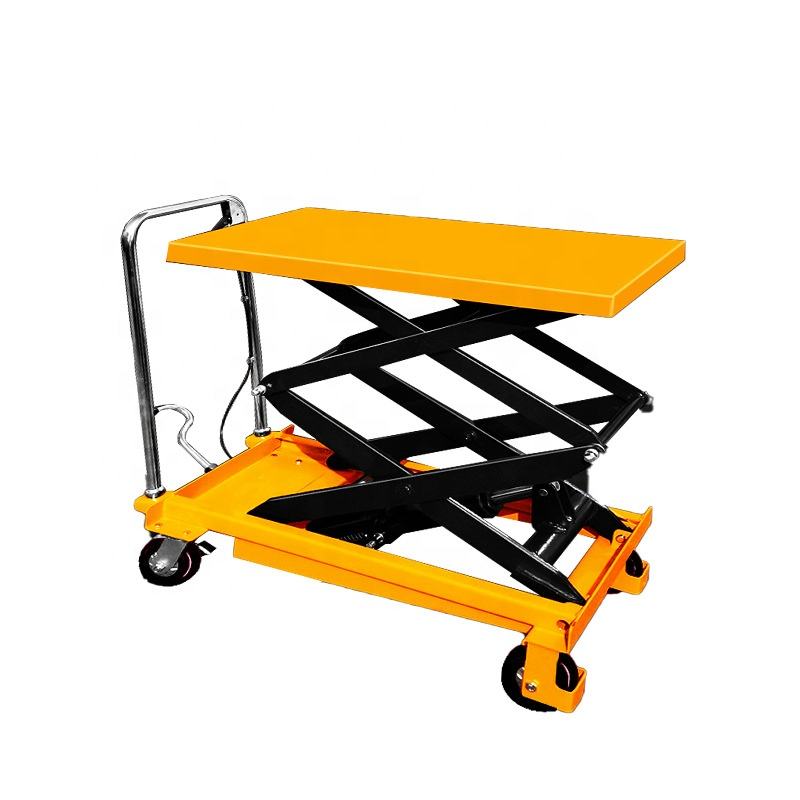
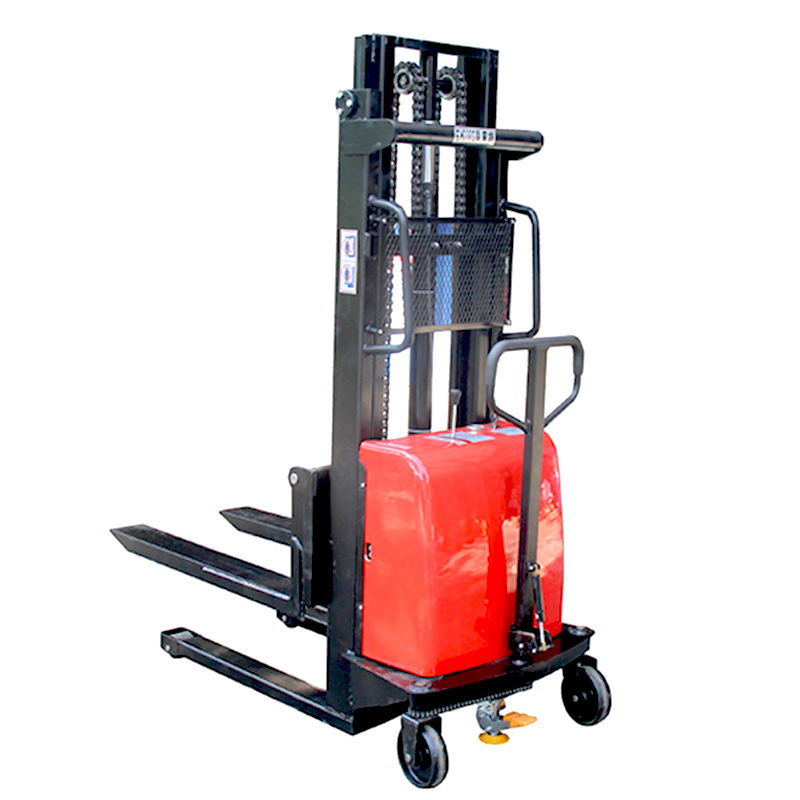
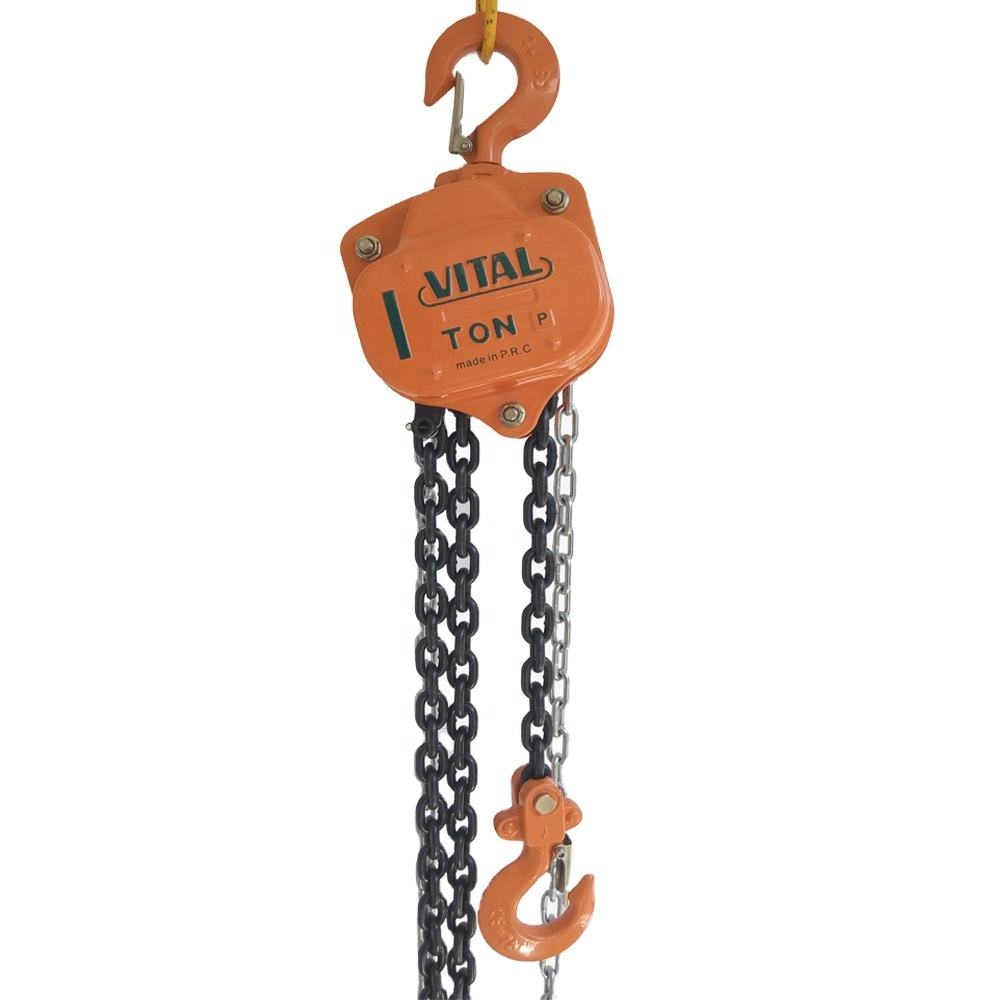
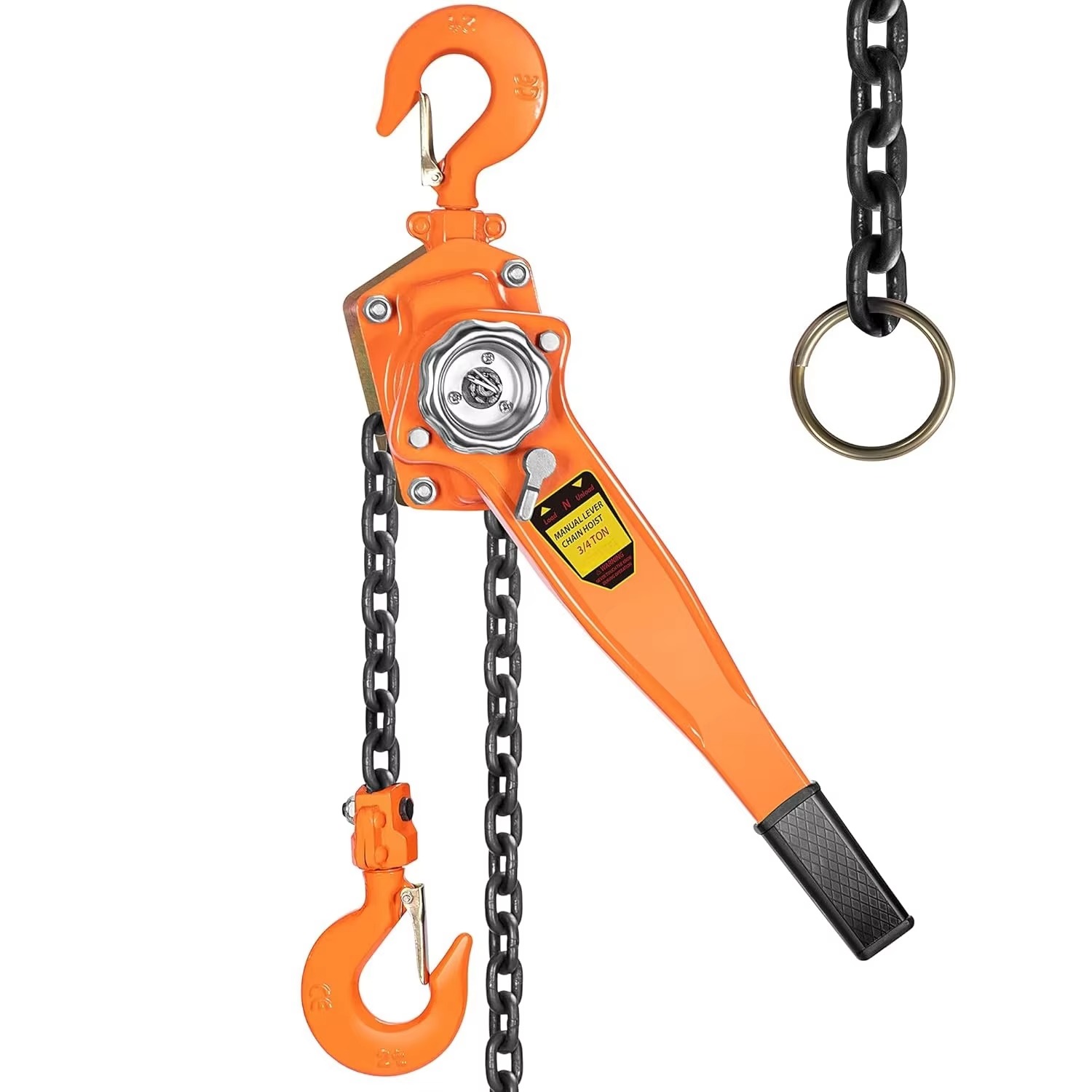
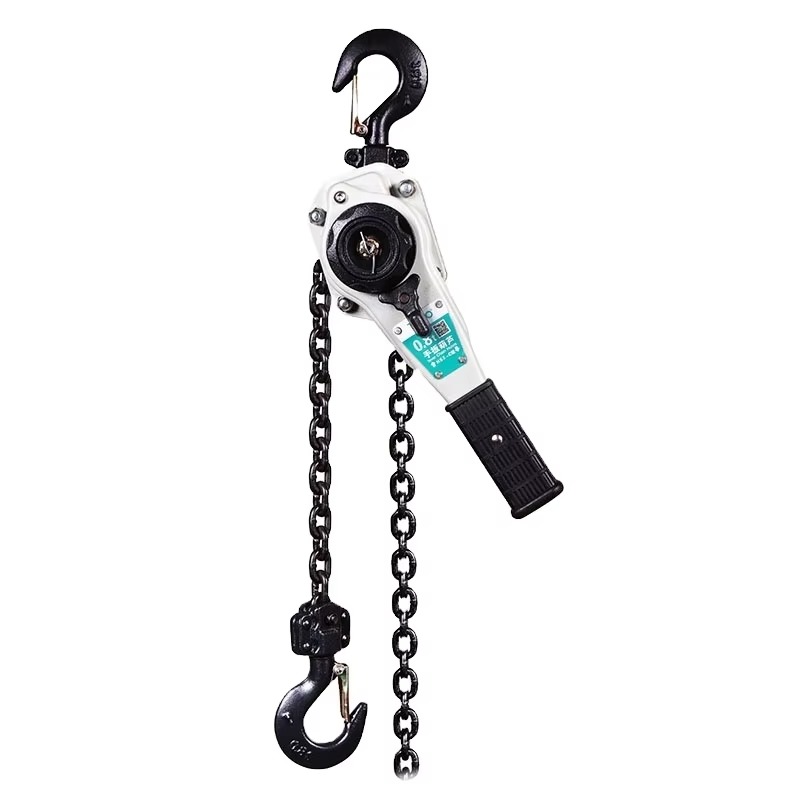
Complementary products may include standard electric pallet trucks, manual pallet trucks, electric stackers, manual stackers, scissor lift tables, hydraulic jacks, hand chain hoists, lever hoists, and other material-handling equipment.
The Future of Warehouse Handling
Warehouses increasingly seek ways to reduce unnecessary handling steps and improve the availability of operational data. Powered pallet trucks support movement efficiency, while integrated weighing systems can make weight information accessible during routine handling.
The value of a weighing pallet truck depends on how well its rated capacity, weighing performance, data functions, battery configuration, and service support fit the application. For some operations, a dedicated certified scale remains the better choice; for others, integrated weighing can simplify everyday workflows.
Conclusion
A Full Electric Weighing Pallet Truck combines powered pallet transportation with an integrated weighing function, helping businesses move palletized goods and access weight information within the same workflow.
Before purchasing, evaluate rated load capacity, weighing capacity and accuracy, certification needs, fork dimensions, battery configuration, operating performance, display functions, service support, and workplace conditions. Confirm all model-specific specifications with the supplier.
For distributors and end users, the right weighing pallet truck can be a useful option where powered pallet handling and frequent weight checks are both part of daily operations.




 Click:78
Edit: Chuanghe Hoisting
 Time:2026-10-15 11:55:22


 Tel:
+8613653129869
 Whatsapp:
+8613653129869
 Email:
chuanghehoist@gmail.com
 Address:Donglu Village, Donglu Township, Qingyuan District, Baoding City, Hebei Province

 English
 Français
 Español






 Email
 +8613653129869
 +8613653129869

 Home
 Whatsapp
 chuanghehoist@gmail.com