


If you have any questions, please contact our online customer service staff immediately
 Click:41
Edit: Chuanghe Hoisting
 Time:2026-10-19 14:12:28
In modern warehouses, factories, distribution centers, supermarkets, and logistics facilities, moving palletized goods efficiently is essential for daily operations.
A pallet truck, also known as a pallet jack or pallet trolley, is one of the most practical tools for transporting palletized materials over short distances. Compared with moving goods manually, pallet trucks help reduce physical effort, improve workflow, and make warehouse operations more efficient.
For importers, wholesalers, material handling equipment distributors, and industrial buyers, choosing the right pallet truck means understanding the differences between manual and electric models, checking the technical specifications, and matching the equipment to the working environment.
In this guide, we will explore pallet truck types, key features, applications, selection criteria, maintenance, and purchasing considerations.

A pallet truck is a material handling device designed to lift a pallet slightly off the floor and transport it from one location to another.
The forks slide into the openings beneath a compatible pallet. The lifting mechanism raises the pallet enough for the wheels to carry the load during transportation.
Pallet trucks are widely used in:
Warehouses and distribution centers
Manufacturing plants
Logistics and freight facilities
Retail stores and supermarkets
Loading and unloading areas
Workshops and production facilities
E-commerce fulfillment centers
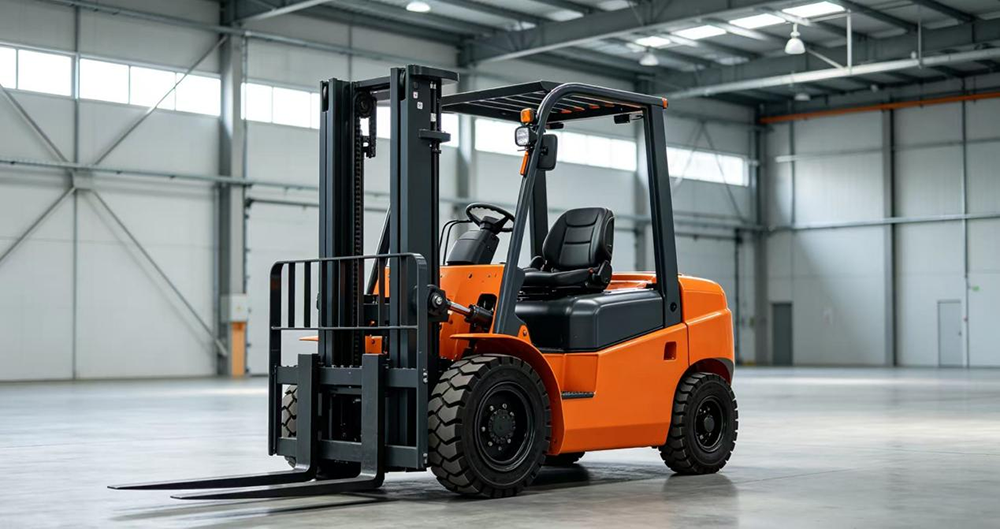
Unlike a forklift or stacker, a standard pallet truck is primarily designed for horizontal transportation rather than lifting goods to high storage levels.
The right model depends on load capacity, pallet dimensions, transportation distance, operating frequency, and floor conditions.
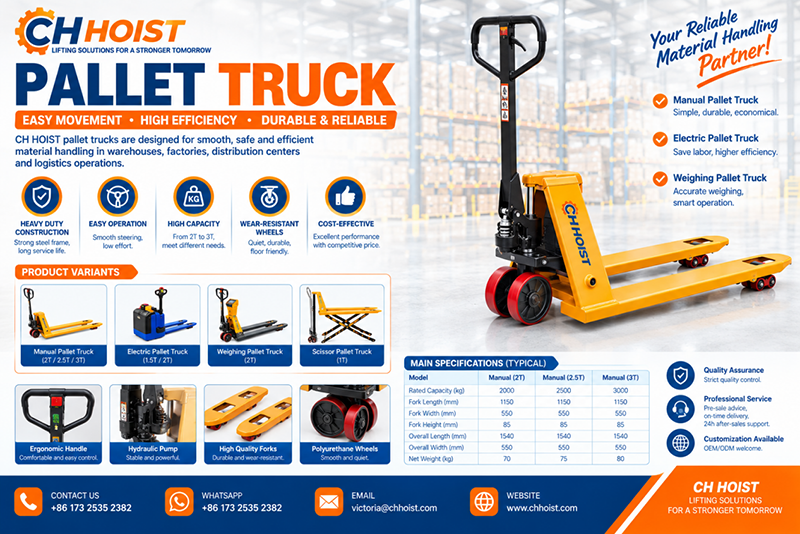
Different workplaces require different material handling solutions. The most common options include manual pallet trucks, electric pallet trucks, and specialized pallet trucks.
A manual pallet truck uses a hydraulic pump operated by a handle to raise the forks. The operator pushes or pulls the truck to transport the load.
Key advantages:
No battery or charging system required
Straightforward operation
Generally lower initial purchase cost
Suitable for short-distance pallet movement
Practical for occasional handling tasks
Manual pallet trucks are often used by small warehouses, retail businesses, workshops, and companies that need a simple and economical handling solution.
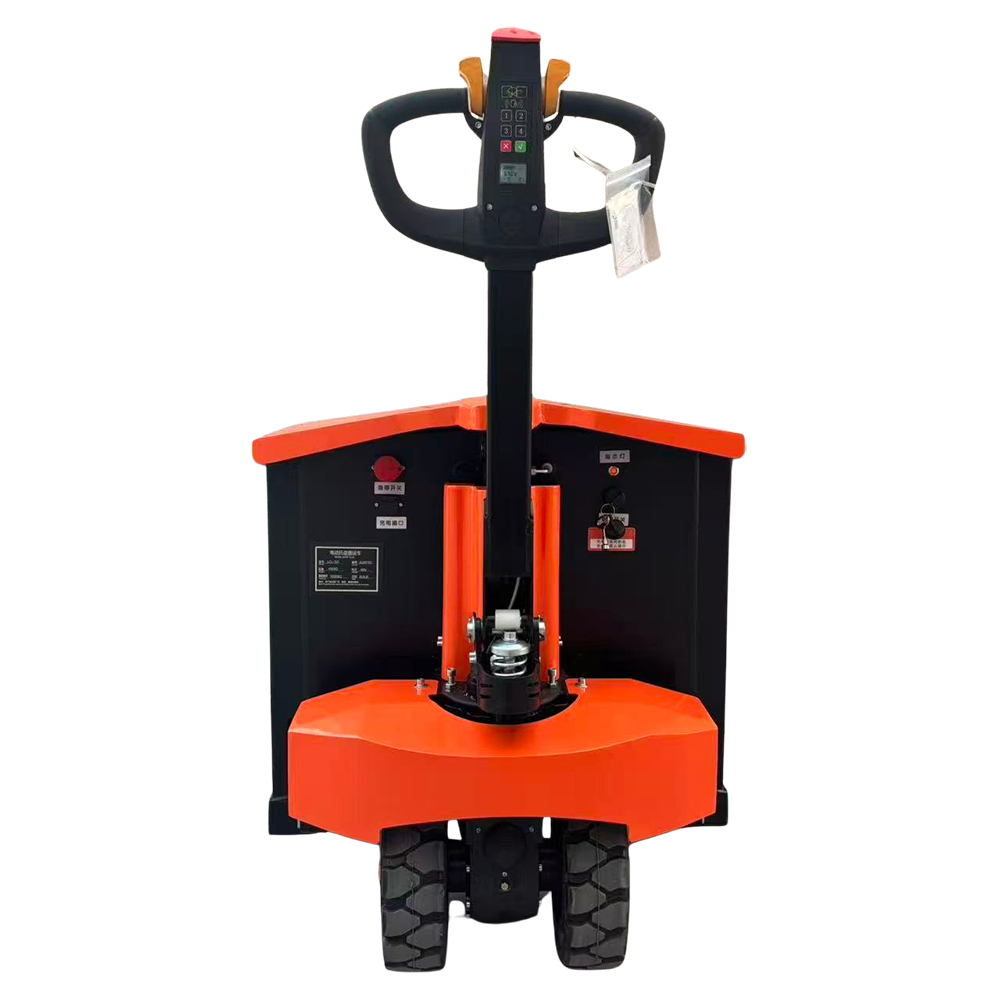
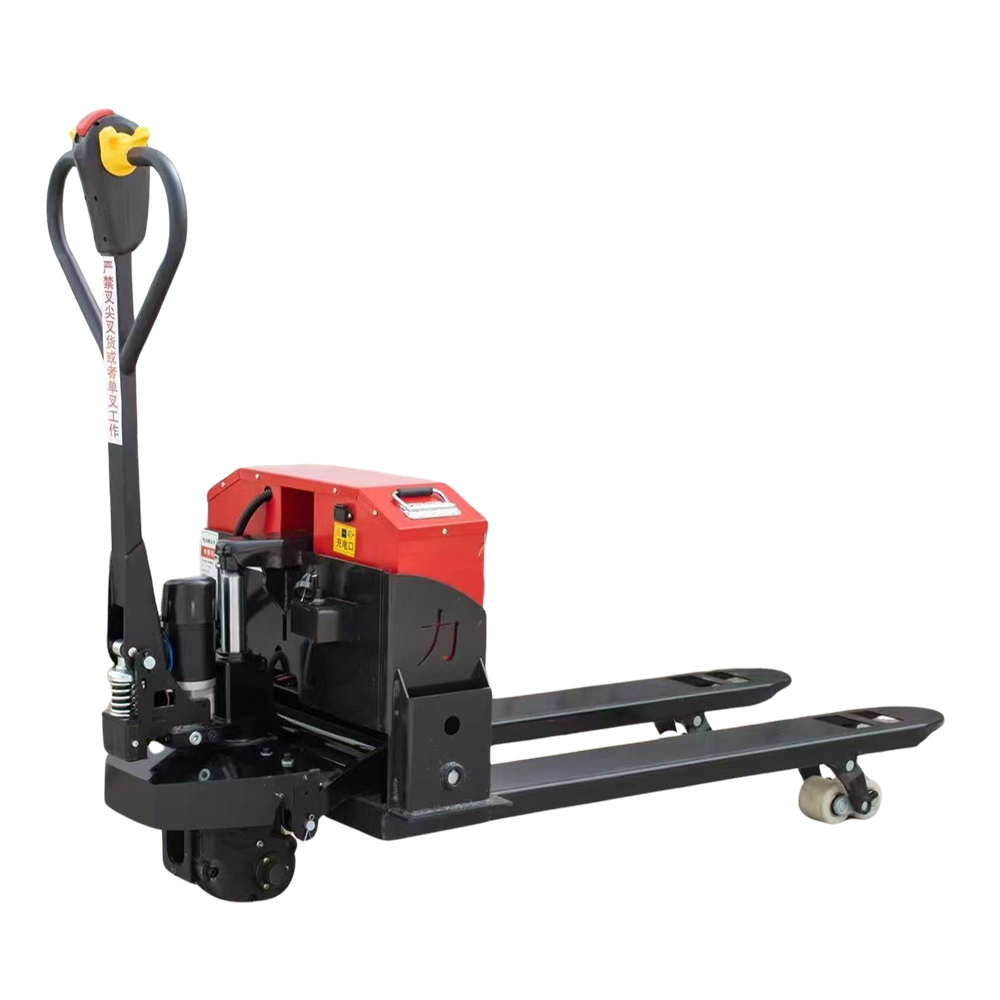
An electric pallet truck uses a battery-powered drive system to move palletized loads. Depending on the model, the lifting function may also be electrically powered.
Key advantages:
Reduced pushing and pulling effort
More convenient for frequent transportation
Suitable for many medium- and high-frequency handling operations
Can improve workflow in busy warehouses
Available in different designs and capacity ranges
Electric pallet trucks are particularly useful when operators move pallets repeatedly throughout the working day.
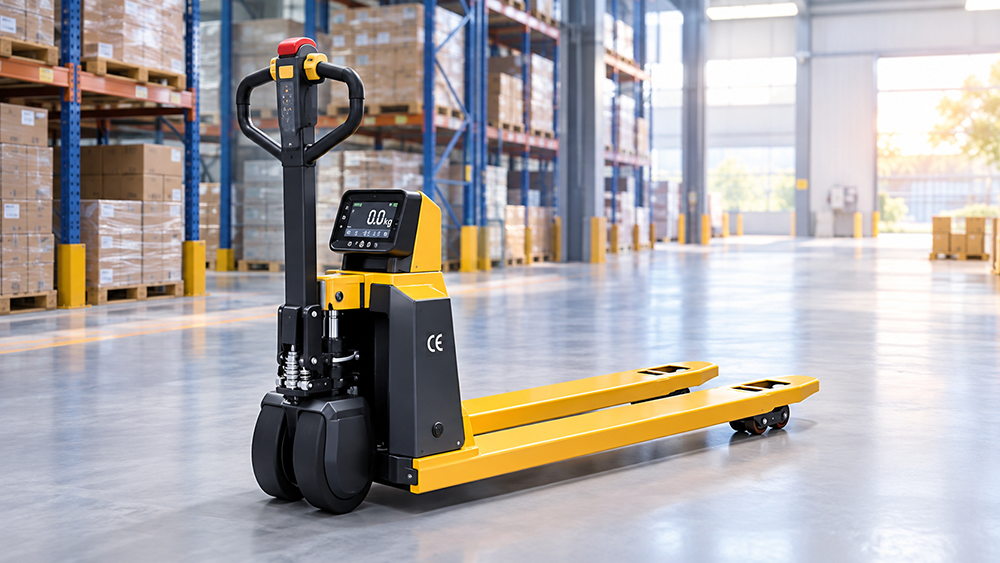
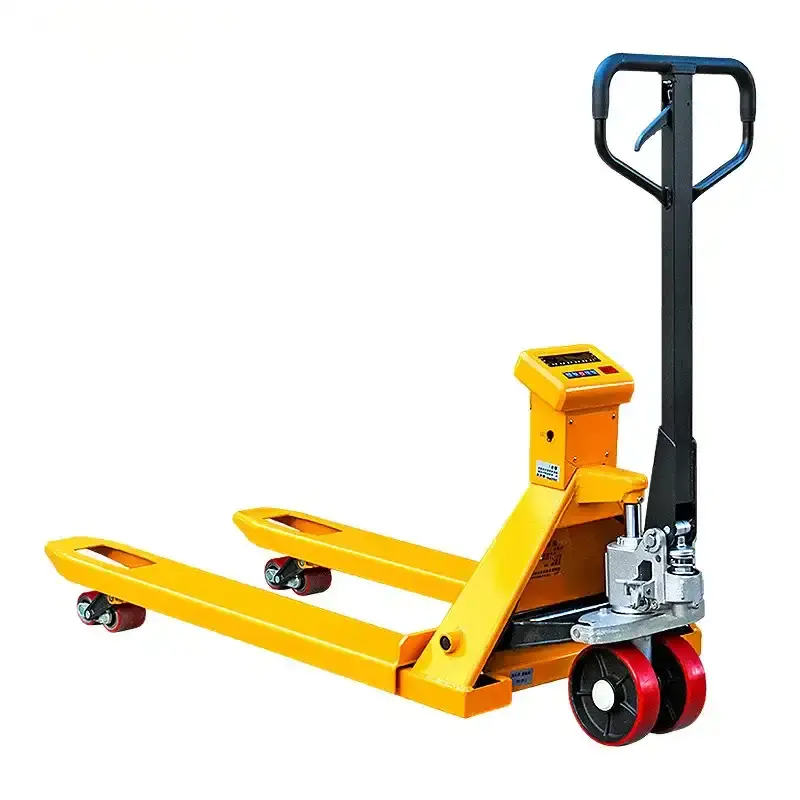
A weighing pallet truck combines pallet transportation with an integrated weighing function.
Depending on the model, it can help operators weigh loads during movement or at designated weighing points, reducing the need to transfer goods to a separate weighing station.
Typical applications include:
Warehouse inventory management
Shipping and receiving
Goods dispatch
Stock control
Material weighing operations
·
When purchasing a weighing pallet truck, check the weighing range, display readability, accuracy specifications, calibration requirements, and operating environment.
Some operations require pallet trucks with special features, such as different fork dimensions, low-profile designs, stainless-steel construction, or high-lift capabilities.
Before choosing a specialized model, confirm that its design is suitable for the pallet type, load characteristics, floor conditions, and intended task.
The choice between manual and electric equipment depends on the workload, budget, and operating conditions.
Comparison | Manual Pallet Truck | Electric Pallet Truck |
Power source | Manual operation | Battery-powered drive |
Travel | Pushed or pulled by operator | Powered movement |
Lifting | Manual hydraulic pump | Model-dependent powered or hydraulic lifting |
Operator effort | Higher during demanding tasks | Lower during powered travel |
Frequent handling | Suitable for lighter workloads | Often better for repetitive transportation |
Initial investment | Generally lower | Generally higher |
Charging | Not required | Required |
Maintenance | Primarily mechanical and hydraulic | Mechanical, hydraulic, electrical, and battery systems |
Typical use | Short-distance, occasional handling | Frequent movement and busier workflows |
Which type should you choose?
Choose a manual pallet truck when the handling distance is short, the workload is moderate, and keeping the initial investment low is important.
Choose an electric pallet truck when pallet movement is frequent, operators handle demanding workloads, or reducing manual travel effort is a priority.
Some businesses use both types: manual trucks for occasional movement and electric trucks for high-frequency transportation.
Before purchasing a pallet truck, buyers should review the technical parameters that determine whether it will work with their loads and pallets.
Parameter | What to Check |
Rated capacity | Maximum permitted load |
Fork length | Compatibility with pallet dimensions |
Fork outside width | Fit with pallet openings and handling requirements |
Lowered fork height | Clearance beneath the pallet |
Maximum fork height | Required lifting clearance |
Wheel material | Suitability for the floor and operating environment |
Turning radius | Maneuverability in narrow aisles |
Power system | Manual or electric |
Battery and charger | Required for electric models |
Net weight | Transportation and handling requirements |
Specifications vary by model. Always obtain the manufacturer's technical datasheet for the exact product.
Fork length and width affect how the truck enters and supports the pallet.
A truck that is too long may be inconvenient in narrow spaces. A truck that is too short may not provide the required support for certain loads.
Buyers should check the pallet design, entry direction, fork pocket dimensions, and load distribution before selecting a model.
Pallet trucks help move incoming goods, replenish storage areas, and transport prepared orders to dispatch locations.
Manual models can suit occasional movement, while electric models can help reduce operator effort in busier facilities.
Production facilities use pallet trucks to transport raw materials, packaging, components, and finished goods between workstations.
Choosing a model that fits the production layout can help improve workflow and reduce unnecessary movement.
Pallet trucks can move stock from delivery areas to storage rooms and designated replenishment areas.
Compact dimensions and maneuverability are particularly important when space is limited.
Loading and unloading operations often involve frequent pallet movement.
For these applications, buyers should consider the truck's capacity, wheel durability, turning space, and compatibility with the loading environment.
E-commerce operations handle a wide variety of goods and often require frequent transportation between receiving, storage, packing, and dispatch areas.
Electric pallet trucks may be beneficial for repetitive transportation, while manual trucks can support supplementary handling tasks.
Estimate the maximum weight of the palletized loads you intend to move.
Select a pallet truck with a rated capacity suitable for the application. Never exceed the rated capacity.
The load should also be stable, properly distributed, and compatible with the forks.
Measure pallet length, width, fork-entry openings, and available clearance.
Check whether the truck will approach the pallet from the correct direction and whether the forks can enter and support the load properly.
For short movements and occasional use, a manual pallet truck may be sufficient.
For longer travel distances or frequent handling, an electric pallet truck may improve operating convenience and reduce physical effort.
Smooth warehouse floors, rough surfaces, ramps, and outdoor areas create different handling requirements.
Wheel material, wheel diameter, ground clearance, and the truck's design affect its suitability.
Do not assume that a standard warehouse pallet truck is appropriate for rough outdoor terrain.
Measure the narrowest aisles, turning areas, doorways, and loading spaces.
The truck must have enough room to turn and maneuver without creating unnecessary risks to operators, goods, or nearby equipment.
Think about how many pallets will be moved each shift and how often the truck will operate.
High-frequency handling may justify an electric model, while occasional movement may not require a powered system.
The purchase price is only one part of the total cost.
Also consider:
Routine maintenance
Replacement wheels and hydraulic components
Battery and charger costs for electric models
Spare parts availability
Expected service life
After-sales support
A suitable truck can provide better long-term value than a model selected on purchase price alone.
Safe operation protects workers, goods, and equipment.
Before use:
·
Inspect the forks, wheels, handle, hydraulic system, and visible components.
Check for hydraulic oil leaks or damaged parts.
Confirm that the load is within the rated capacity.
Make sure the pallet is stable and suitable for the forks.
Check the travel route for obstacles, people, and uneven surfaces.
·
During operation:
Keep the load stable and as low as practical during transportation.
Push or pull the truck according to the manufacturer's operating instructions.
Avoid sudden turns and abrupt movements.
Keep feet clear of the wheels and forks.
Maintain visibility and watch for pedestrians.
Use extra caution on ramps and slopes.
Never carry passengers on the truck.
For electric pallet trucks, operators should also understand the controls, braking system, emergency-stop function, battery charging procedures, and model-specific safety features.
Never operate damaged equipment. Follow the manufacturer's instructions and applicable workplace safety requirements.
Regular maintenance helps keep the equipment operating reliably.
Check for wear, cracks, flat spots, loose components, and other damage that may affect movement or stability.
Inspect for leaks, abnormal lifting behavior, and problems lowering the forks. Hydraulic servicing should follow the manufacturer's instructions.
Look for deformation, cracks, and visible structural damage. Do not use equipment with damaged load-bearing components.
For electric models, inspect the battery, charger, cables, connectors, controls, and braking system as required.
Battery maintenance requirements vary by battery chemistry and model.
Remove dirt and debris that may affect wheels, moving parts, or operating controls.
Record inspections, repairs, and component replacements. A consistent maintenance schedule can help identify recurring problems and plan servicing.
For international buyers, choosing a supplier involves more than comparing unit prices.
Before placing an order, confirm:
·
Product models and available capacities
Fork dimensions and technical specifications
Wheel options
Packaging dimensions and gross weight
Spare parts availability
Quality inspection procedures
Product documentation and applicable certifications
OEM branding or customization options, if available
Minimum order quantity
Production lead time
Shipping terms and destination requirements
For distributors, offering a product range can help serve customers with different requirements.
A material handling portfolio might include:
·
Manual pallet trucks
Electric pallet trucks
Pallet trucks with scales
Manual stackers
Electric stackers
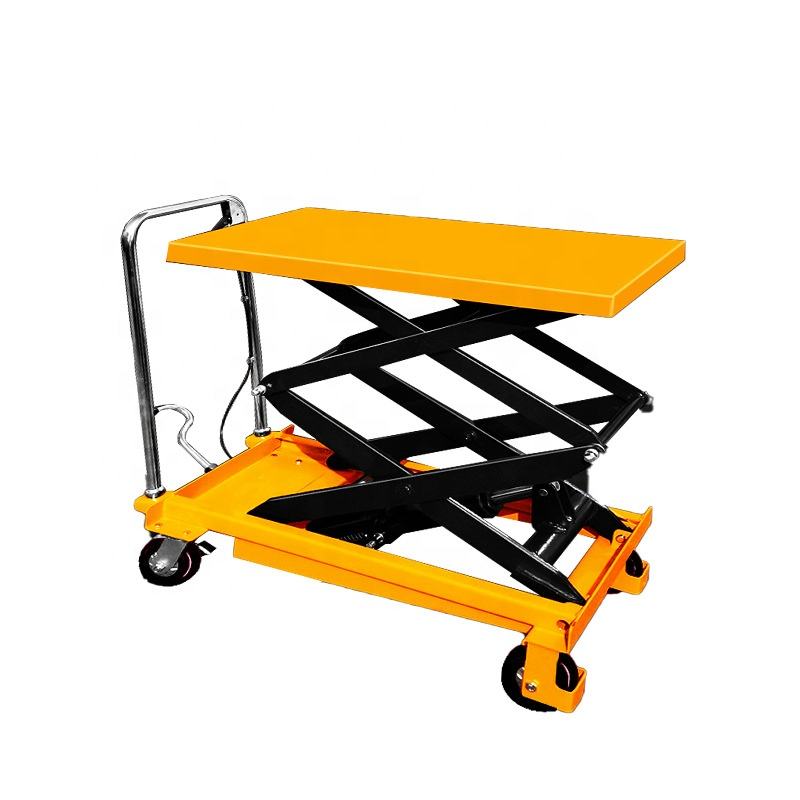
Hydraulic lift tables
Forklifts and related equipment
·
The right product mix depends on local demand, customer applications, warehouse layouts, and purchasing budgets.
CH HOIST supplies lifting and material handling equipment for industrial and commercial applications.
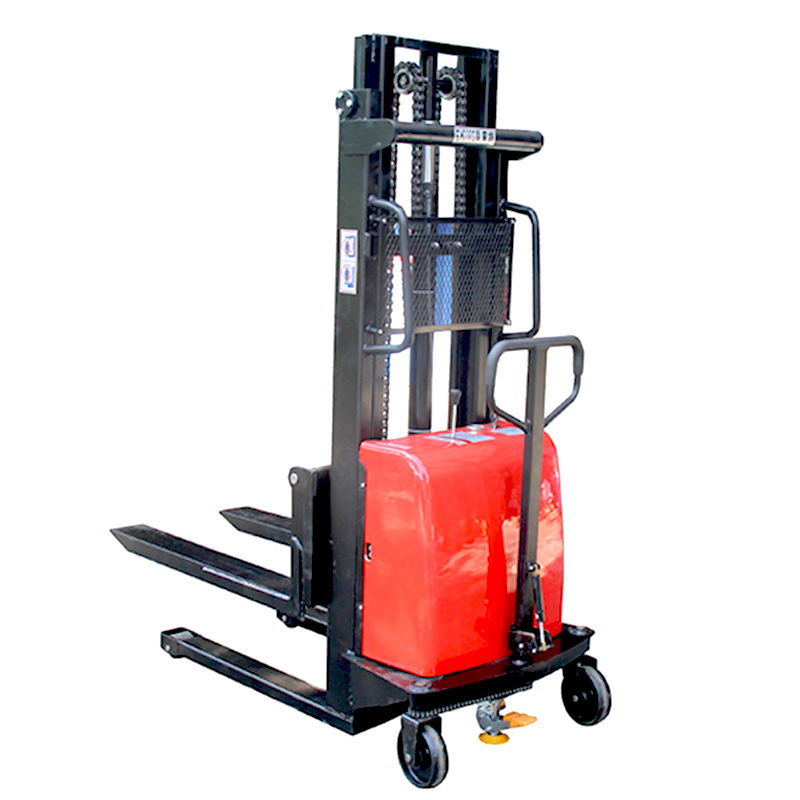
Its product range includes manual pallet trucks, electric pallet trucks, weighing pallet trucks, electric stackers, lifting equipment, and related products.
For importers, wholesalers, and equipment distributors, working with a supplier that offers multiple product categories can make it easier to discuss different material handling requirements.
When requesting a quotation, provide the intended application, required capacity, pallet dimensions, preferred truck type, order quantity, and destination country.
Q1: What is a pallet truck used for?
A pallet truck lifts palletized goods slightly off the floor and transports them over short distances in warehouses, factories, logistics centers, and other material handling environments.
Q2: What is the difference between a pallet truck and a forklift?
A standard pallet truck is mainly used for horizontal transportation. A forklift is designed for a wider range of lifting and stacking operations, including lifting loads to greater heights when properly equipped.
Q3: Is a manual or electric pallet truck better?
Neither type is best for every application. Manual models are suitable for many short-distance, lower-frequency tasks. Electric models can reduce physical effort during frequent transportation.
Q4: How do I choose the correct fork length?
Measure the pallet dimensions, fork-entry openings, and load requirements. Confirm the selected truck's fork dimensions with the supplier before ordering.
Q5: Can pallet trucks be used outdoors?
Some models may be suitable for certain outdoor conditions, but standard warehouse pallet trucks are not automatically suitable for rough ground, steep slopes, or harsh weather. Confirm the model's suitability before use.
Q6: What maintenance does a pallet truck require?
Routine checks typically include the wheels, forks, frame, handle, hydraulic system, and, for electric models, the battery and electrical components.
Q7: What information should I provide when requesting a quotation?
Provide the required capacity, fork dimensions, preferred manual or electric configuration, working environment, order quantity, and destination country.
Pallet trucks are essential material handling tools for many warehouses, factories, logistics centers, and retail operations.
Manual pallet trucks provide a straightforward solution for many short-distance handling tasks, while electric pallet trucks can reduce operator effort during frequent transportation. Specialized models can address additional requirements such as weighing, unusual pallet dimensions, or particular working environments.
The best choice depends on the load, pallet dimensions, floor conditions, working frequency, available space, and total ownership cost.
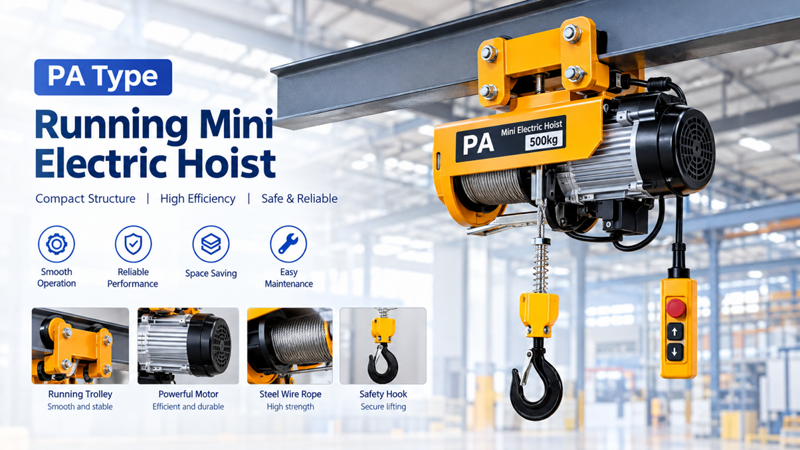
Learn about PA type running mini electric hoist, including key selection factors, typical applications, safety operation tips for small lifting jobs.
2026-10-20View More →
A pallet truck, also known as a pallet jack or pallet trolley, is one of the most practical tools for transporting palletized materials over short distances. Compared with moving goods manually, pallet trucks help reduce physical effort, improve workflow, and make warehouse operations more efficient.
2026-10-19View More →
In recent years, with the continuous global promotion of green manufacturing, low-carbon industrial policies, intelligent warehouse transformation and rapid expansion of cross-border e-commerce logistics, the traditional diesel forklift market has shown obvious shrinking trends. At the same time, electric counterbalance forklifts have ushered in explosive growth worldwide.
2026-10-16View More →


 Tel:
+8613653129869
 Whatsapp:
+8613653129869
 Email:
chuanghehoist@gmail.com
 Address:Donglu Village, Donglu Township, Qingyuan District, Baoding City, Hebei Province

 English
 Français
 Español




 Email
 +8613653129869
 +8613653129869

 Home
 Whatsapp
 chuanghehoist@gmail.com