


If you have any questions, please contact our online customer service staff immediately
 Click:24
Edit: CHUANGHE HOIST
 Time:2026-10-20 10:27:19
Lifting equipment plays an important role in workshops, small factories, garages, warehouses, and maintenance areas. When loads need to be lifted vertically and moved horizontally along a beam, a compact electric hoist with a travelling trolley can provide a practical solution.
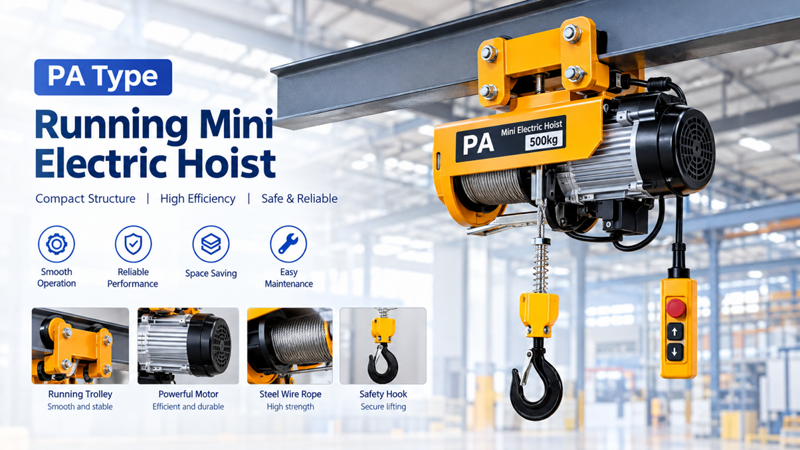
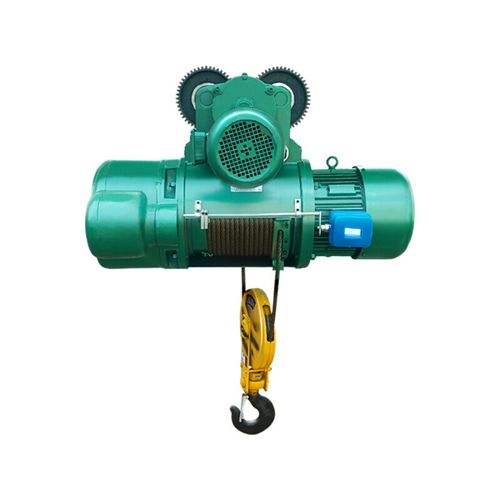
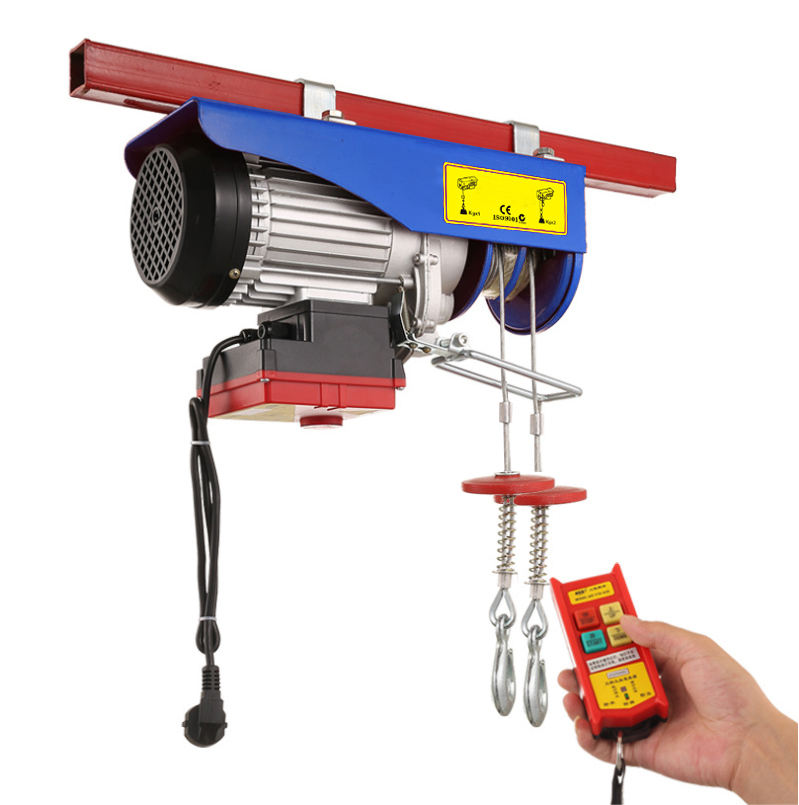
A PA Type Running Mini Electric Hoist is a compact powered lifting device designed for lifting and lowering loads. In the running type configuration, the hoist is mounted on a trolley that travels along a suitable beam, allowing the suspended load to be moved between positions.
Compared with manual lifting, an electric hoist can reduce operator effort and help improve handling efficiency. The correct model must be selected according to the load, lifting height, duty cycle, beam arrangement, power supply, and working environment.

A PA type mini electric hoist is a compact electric wire-rope hoist commonly used for light-duty lifting tasks. “Running type” generally refers to a configuration in which the hoist is fitted with a travelling trolley so the load can move horizontally along a compatible beam. Product designs and terminology can vary by manufacturer.
A typical system may include:
• Electric motor and drive components
• Wire rope and lifting hook
• Drum and transmission mechanism
• Upper and lower limit devices, where fitted
• Control pendant or switch
• Travelling trolley and wheels for beam travel
• Mounting frame and electrical connections
During operation, the motor drives the lifting mechanism to raise or lower the load. The trolley moves the suspended load along the beam when the running function is activated. Always confirm the exact configuration and included controls with the supplier before ordering.
Before use, verify that the supporting beam, trolley, mounting arrangement, power supply, and electrical protection are suitable for the selected hoist and its rated load. Installation should be completed by qualified personnel.
Position the hook above the load and use a suitable, rated sling or attachment. Make sure the hook safety latch works and the load is balanced. Never wrap the wire rope directly around the load unless the equipment is specifically designed for that method.
Use the control pendant to raise the load smoothly. Keep the load within the rated capacity and avoid shock loading, sudden starts, or lifting a load that is stuck or obstructed.
On a running model, operate the trolley according to the supplied instructions to move the suspended load horizontally. Keep the travel path clear and avoid allowing the load to swing.
Lower the load carefully onto a stable surface. Once the load is fully supported, release the lifting attachment safely and park the hoist in the recommended position.
The small form factor can suit workshops, garages, maintenance stations, and other spaces where a large lifting system may be unnecessary. Actual space requirements depend on the hoist dimensions and trolley clearance.
Electric operation reduces the manual effort needed to raise a load. This can be useful for repeated lifting tasks, provided the selected model is suitable for the required duty cycle.
The running configuration allows the load to be lifted and then moved along a compatible beam. This can help transfer components between workstations without repeatedly repositioning the load by hand.
PA type mini hoists are often considered for relatively light loads. They should not be treated as a substitute for industrial hoists designed for heavier loads, frequent operation, or demanding duty classes.
Many models use a pendant control for lifting and lowering, with additional controls for trolley travel on running versions. Control functions vary by model, so operators should learn the specific control layout before use.
A suitable mini electric hoist can lift engines, tools, small machinery, and components when the support structure and lifting accessories are properly rated.
The hoist can assist with moving parts, fixtures, and equipment between nearby work positions along a beam.
Maintenance teams may use a compact hoist for occasional lifting of equipment and replacement parts. The application must remain within the rated capacity and approved operating conditions.
In repair shops or agricultural service areas, a mini electric hoist may help raise suitable components for inspection or repair. Outdoor use requires particular attention to weather protection and the product’s environmental rating.
The main distinction is whether the hoist is stationary or can travel along a beam. Check the supplier’s configuration details, as “running type” may be offered with different trolley arrangements.
Feature | Fixed Type | Running Type |
Horizontal movement | Hoist stays at one mounting point | Trolley allows movement along a compatible beam |
Installation | Fixed mounting point or bracket | Beam and trolley arrangement required |
Typical use | Lifting at one position | Lifting and transferring loads between positions |
Space planning | Needs clearance around one lifting point | Needs beam travel clearance and end stops |
Cost and setup | May be simpler | May require additional trolley and beam components |
Important check | Mounting strength and vertical clearance | Beam profile, flange width, trolley capacity, and clearance |
Specifications vary between manufacturers and models. The figures below are common examples for PA-style mini hoists and are for initial orientation only, not a substitute for the exact model datasheet.
Parameter | Common examples / options | What to confirm |
Rated capacity | Often offered in light-duty capacities such as 100–500 kg, depending on model | Rated capacity for the selected rope arrangement and trolley |
Power supply | Many models are designed for single-phase AC power; voltage and frequency vary | Local voltage, frequency, plug/wiring, and motor rating |
Lifting height | Model-dependent; several metres are common | Required hook travel and available headroom |
Lifting speed | Depends on motor, load arrangement, and model | Rated lifting speed and whether speed is single or dual |
Rope arrangement | Single-line or double-line configurations may be available | Rated capacity and lifting speed for each configuration |
Travel system | Fixed mounting or trolley-running configuration | Trolley type, beam dimensions, and travel length |
Controls | Pendant control; running models may have travel controls | Control voltage, cable length, emergency stop if fitted |
Duty cycle | Depends on the motor and hoist design | Starts per hour, operating duration, and duty classification |
Protection rating | Varies by model | Indoor/outdoor suitability, dust and moisture exposure |
Important: never infer a model’s capacity, lift height, duty rating, or electrical compatibility from its appearance. Use the nameplate and official technical documentation for the exact model.
Identify the heaviest item to be lifted, including any lifting attachments where applicable. Choose equipment with a rated capacity appropriate for the task and never exceed the stated working load limit.
Measure the required vertical travel and the available space above the load. The hook’s usable lifting height and the hoist’s overall headroom are different measurements; check both.
For running versions, provide the beam profile and dimensions, including flange width and thickness where required. The trolley must be compatible with the beam and rated for the intended load. Do not install the trolley on an unverified structure.
Power requirements differ by market and model. Confirm the local supply voltage and frequency before purchase, and ask whether the product is supplied with the correct wiring, plug, and controls.
Occasional lifting and repeated production use place different demands on equipment. Tell the supplier how often the hoist will operate, the average lifting duration, and the expected starts per hour.
Dust, moisture, corrosive conditions, high temperatures, and outdoor exposure can affect equipment suitability. Confirm the permitted environmental conditions and any required protective measures.
Request the model datasheet, user manual, wiring information, installation requirements, inspection guidance, and any applicable conformity documents required in the destination market.
Electric hoists can cause serious injury if incorrectly installed or operated. Operators must be trained and follow the manufacturer’s instructions and applicable local regulations.
Before operation:
• Inspect the wire rope for visible wear, kinks, corrosion, or damage.
• Check the hook, safety latch, controls, and load attachment.
• Confirm that the support beam and trolley installation have been approved.
• Verify the load weight and ensure it is within rated capacity.
• Check that the lifting path and travel path are clear.
• Test the controls and limit devices according to the manual.
During operation:
• Keep people clear of the suspended load.
• Lift vertically and avoid side pulling unless the equipment is specifically rated for it.
• Avoid shock loading, sudden movements, and uncontrolled swinging.
• Never leave a suspended load unattended.
• Do not use the hoist to lift people.
• Stop operation immediately if unusual noise, slipping, overheating, or control failure occurs.
Never:
• Exceed the rated capacity.
• Stand or walk under a suspended load.
• Operate damaged equipment.
• Use the wire rope or hook as a makeshift sling.
• Modify limit devices or electrical components without authorization.
• Use the hoist outside its approved duty or environmental conditions.
Routine inspection and maintenance help support safe, reliable operation. Follow the maintenance intervals and procedures in the model-specific manual.
Inspect for broken wires, deformation, corrosion, flattening, hook opening, cracks, and latch damage. Remove equipment from service when defects exceed the manufacturer’s limits.
Look for abnormal noise, overheating, damaged cables, loose connections, or inconsistent operation. Electrical repairs should be performed by qualified personnel after the power supply has been isolated.
Check braking performance and the function of limit devices according to the manufacturer’s procedure. Never rely on a limit switch as the normal method of stopping every lift.
Check trolley wheels, fasteners, alignment, and travel movement. Inspect the beam and supporting structure for visible damage or deformation. Any structural concern should be assessed by a qualified person.
Keep the hoist clean and store it in the recommended conditions. Maintain inspection and service records, and ensure defects are reported and corrected before the equipment returns to service.
For lifting-equipment distributors, PA type mini electric hoists can complement a broader range of workshop and material-handling products. The best product range depends on local demand, regulatory requirements, and the types of loads customers need to lift.
Potential customers include:
• Small industrial workshops
• Repair and maintenance businesses
• Equipment dealers and rental companies
• Light manufacturing facilities
• Agricultural machinery service centers
• Warehouses and industrial supply retailers
Related products may include:
• Electric chain hoists
• Wire rope hoists
• Hand chain blocks
• Lever hoists
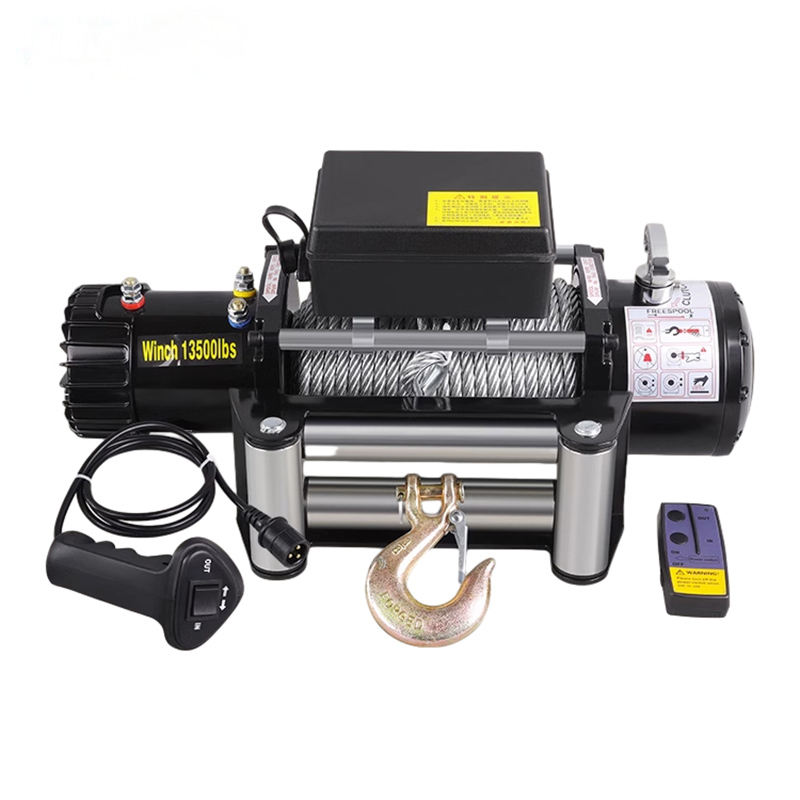
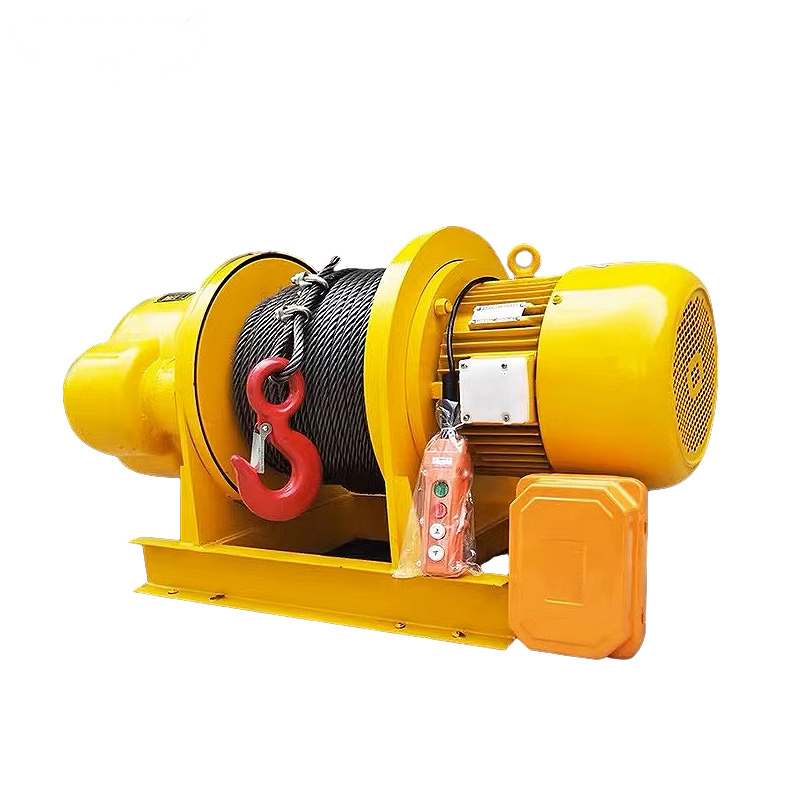
• Electric winches
• Lifting slings and shackles
• Manual and electric pallet trucks
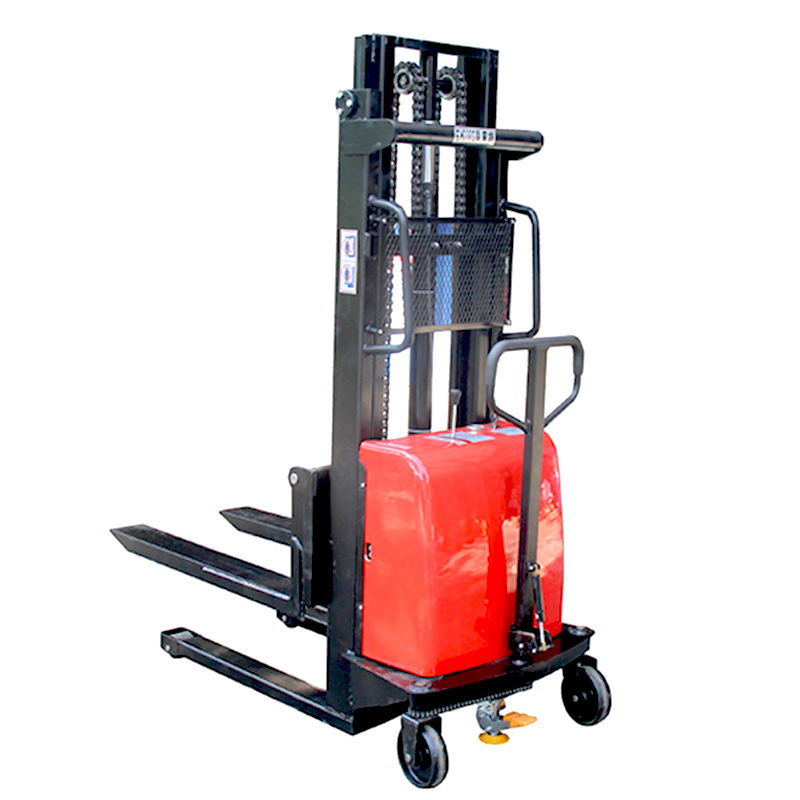
• Electric stackers and hydraulic jacks
Offering complementary products can help distributors serve a wider range of lifting and material-handling needs. Product recommendations should always be based on the customer’s application and required load rating.
Workshops increasingly look for compact equipment that can help reduce manual handling and improve workflow. Mini electric hoists can be useful for suitable light-duty tasks, while heavier or more frequent applications may require an industrial-grade electric chain hoist or wire rope hoist.
The most effective solution is not necessarily the smallest or lowest-cost model. Buyers should balance capacity, duty cycle, installation, safety features, service support, and total operating requirements.
A PA Type Running Mini Electric Hoist is a compact lifting option for applications that require powered vertical lifting and horizontal travel along a compatible beam. Its suitability depends on the exact model, load, lifting height, travel arrangement, power supply, duty cycle, and working environment.
Before purchasing, confirm the nameplate ratings, beam and trolley compatibility, electrical requirements, included controls, documentation, and maintenance support. Safe installation and operation are essential for protecting both people and equipment.
For distributors and industrial users, selecting a properly specified hoist can help improve handling efficiency while ensuring the equipment matches the real working conditions.
Learn about PA type running mini electric hoist, including key selection factors, typical applications, safety operation tips for small lifting jobs.
2026-10-20View More →
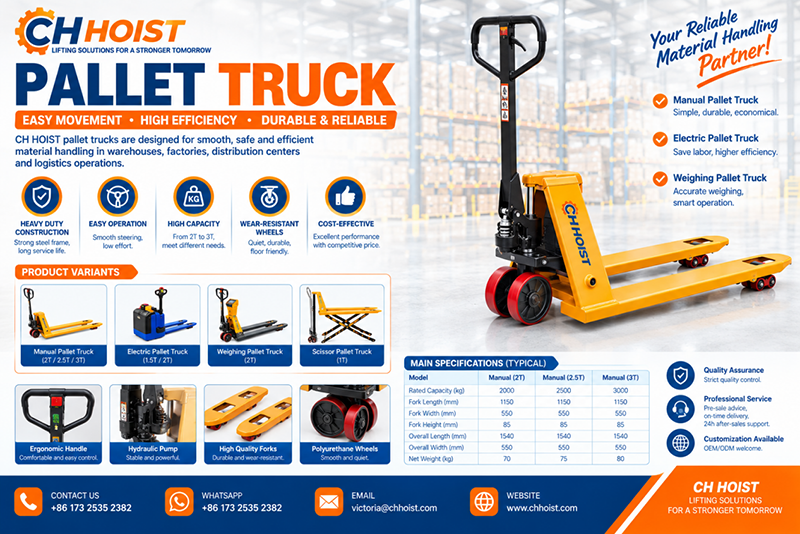
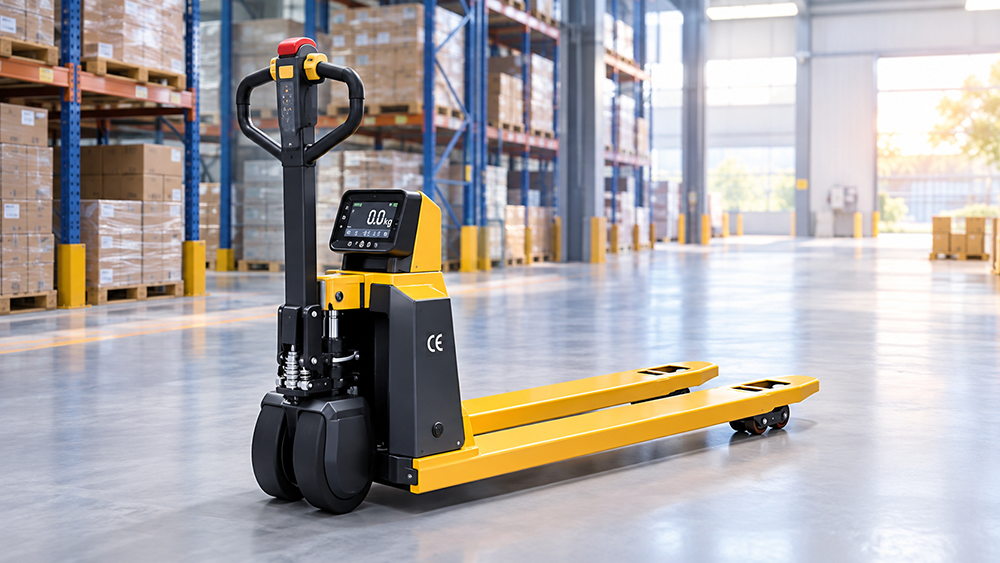
A pallet truck, also known as a pallet jack or pallet trolley, is one of the most practical tools for transporting palletized materials over short distances. Compared with moving goods manually, pallet trucks help reduce physical effort, improve workflow, and make warehouse operations more efficient.
2026-10-19View More →
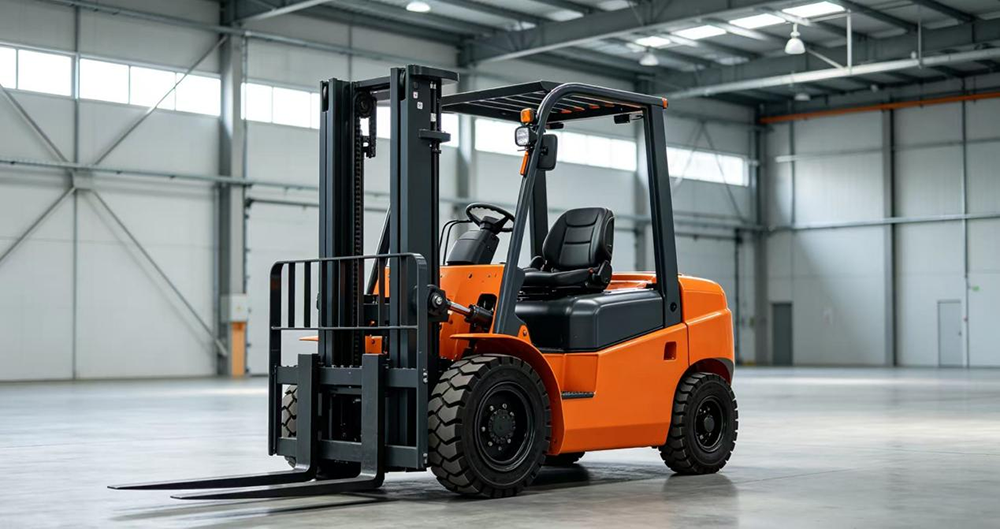
In recent years, with the continuous global promotion of green manufacturing, low-carbon industrial policies, intelligent warehouse transformation and rapid expansion of cross-border e-commerce logistics, the traditional diesel forklift market has shown obvious shrinking trends. At the same time, electric counterbalance forklifts have ushered in explosive growth worldwide.
2026-10-16View More →


 Tel:
+8613653129869
 Whatsapp:
+8613653129869
 Email:
chuanghehoist@gmail.com
 Address:Donglu Village, Donglu Township, Qingyuan District, Baoding City, Hebei Province

 English
 Français
 Español




 Email
 +8613653129869
 +8613653129869

 Home
 Whatsapp
 chuanghehoist@gmail.com