

If you have any questions, please contact our online customer service staff immediately
 Click:99
Edit: Chuanghe Hoisting
 Time:2026-10-14 10:43:13
In workshops, factories, garages and warehouses, lifting equipment plays an important role in improving productivity and reducing manual handling.
Many businesses do not need a large industrial crane for every lifting task. They need a compact, practical and easy-to-install lifting device that can handle smaller loads efficiently. This is where the PA Mini Electric Wire Rope Hoist becomes a useful solution.
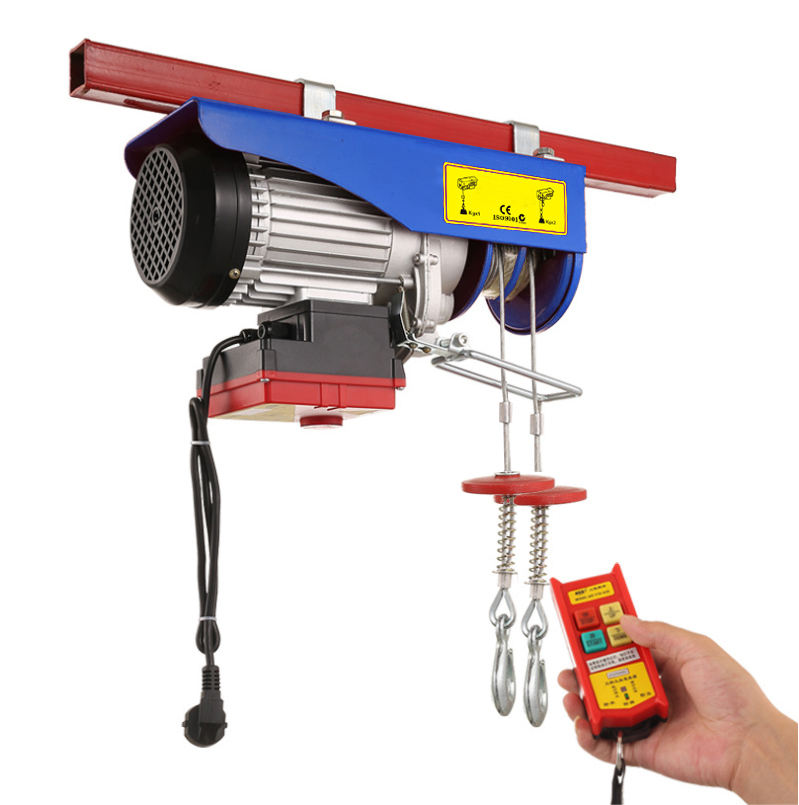
A PA mini electric hoist uses an electric motor and steel wire rope to raise and lower loads. Its compact structure makes it suitable for many light-duty and intermittent lifting applications where compatible power supplies and properly engineered mounting structures are available.
For equipment distributors, wholesalers and industrial buyers, PA mini electric hoists can also be an attractive addition to a broader material handling product portfolio.
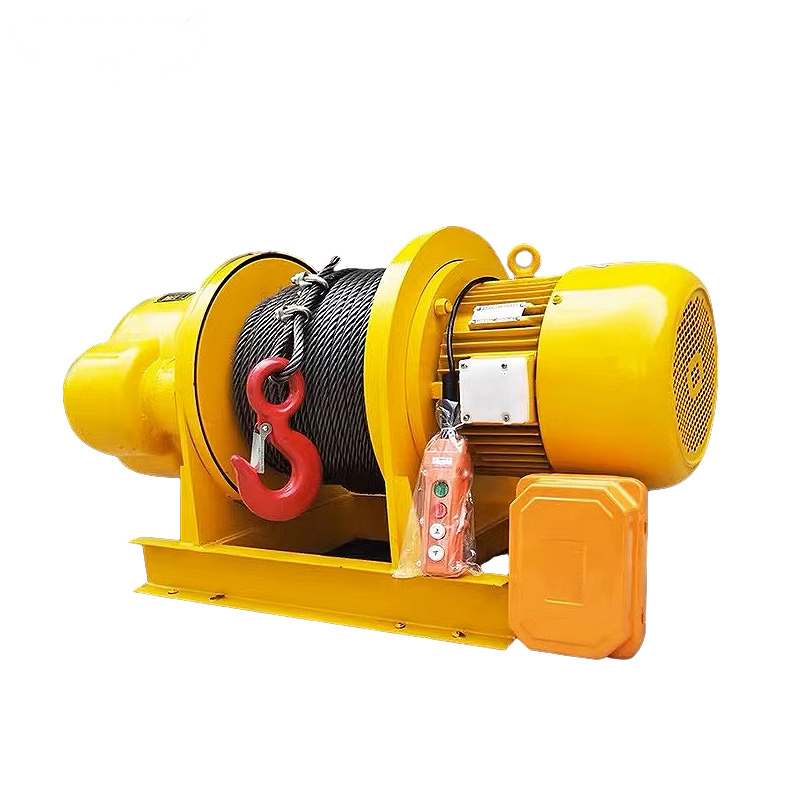
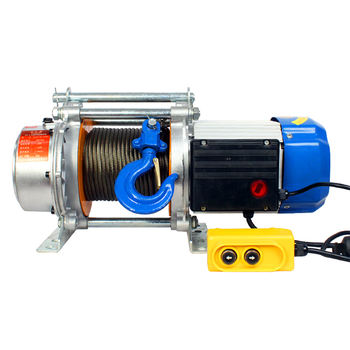
A PA mini electric wire rope hoist is a compact electrically powered lifting device that uses a steel wire rope wound around a drum.
When the operator activates the control, the motor drives the lifting mechanism. The wire rope winds onto or unwinds from the drum, raising or lowering the hook and its attached load.
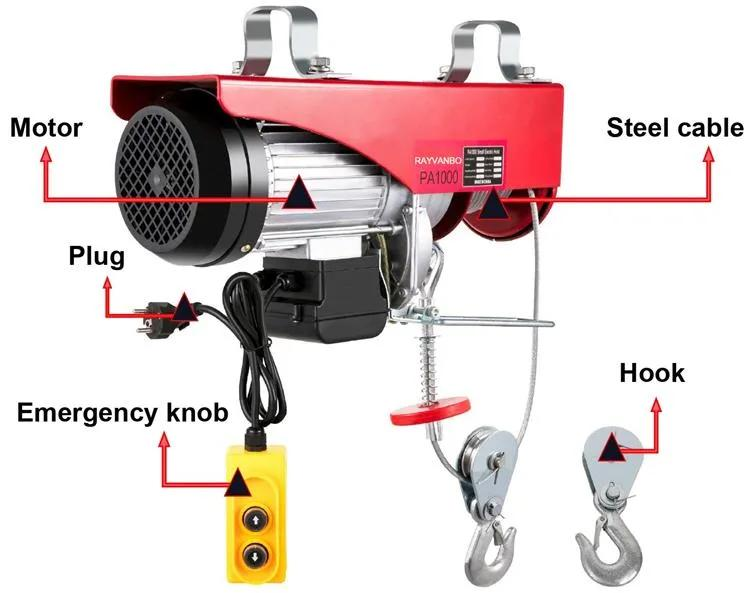
The main components generally include:
l Electric motor
l Gear transmission
l Wire rope drum
l Steel wire rope
l Load hook
l Electromagnetic braking system
l Control switch or pendant
l Protective housing
l Safety and limit devices, depending on configuration
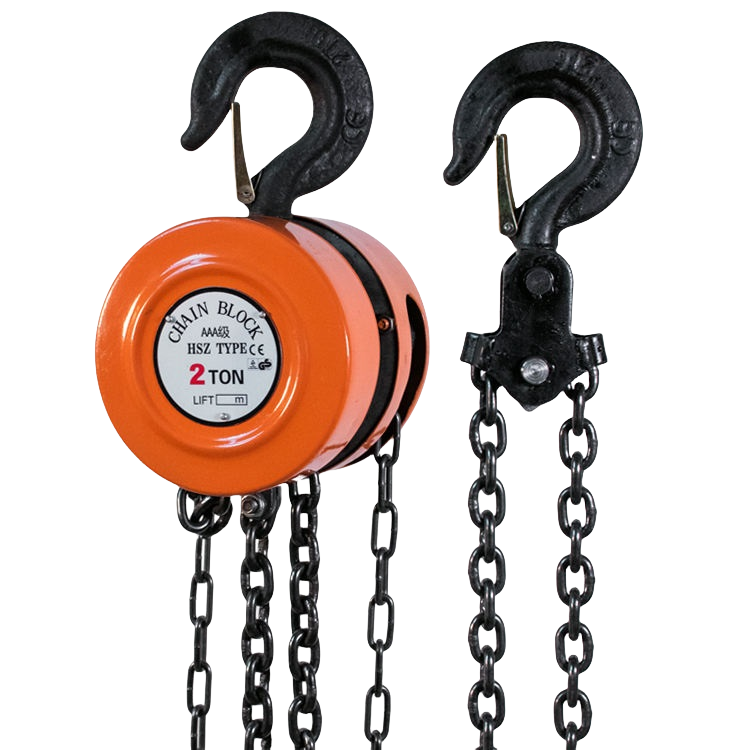
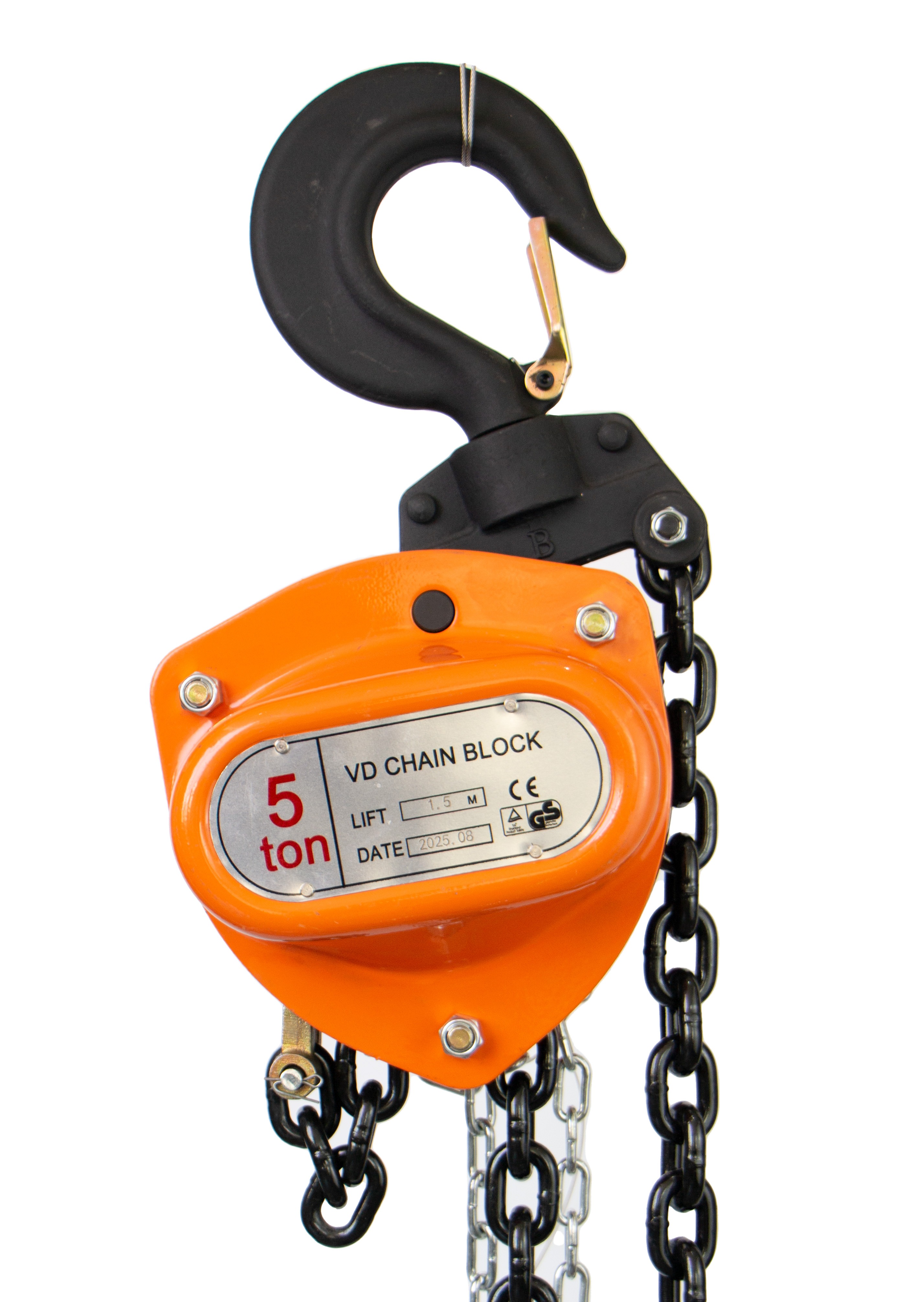
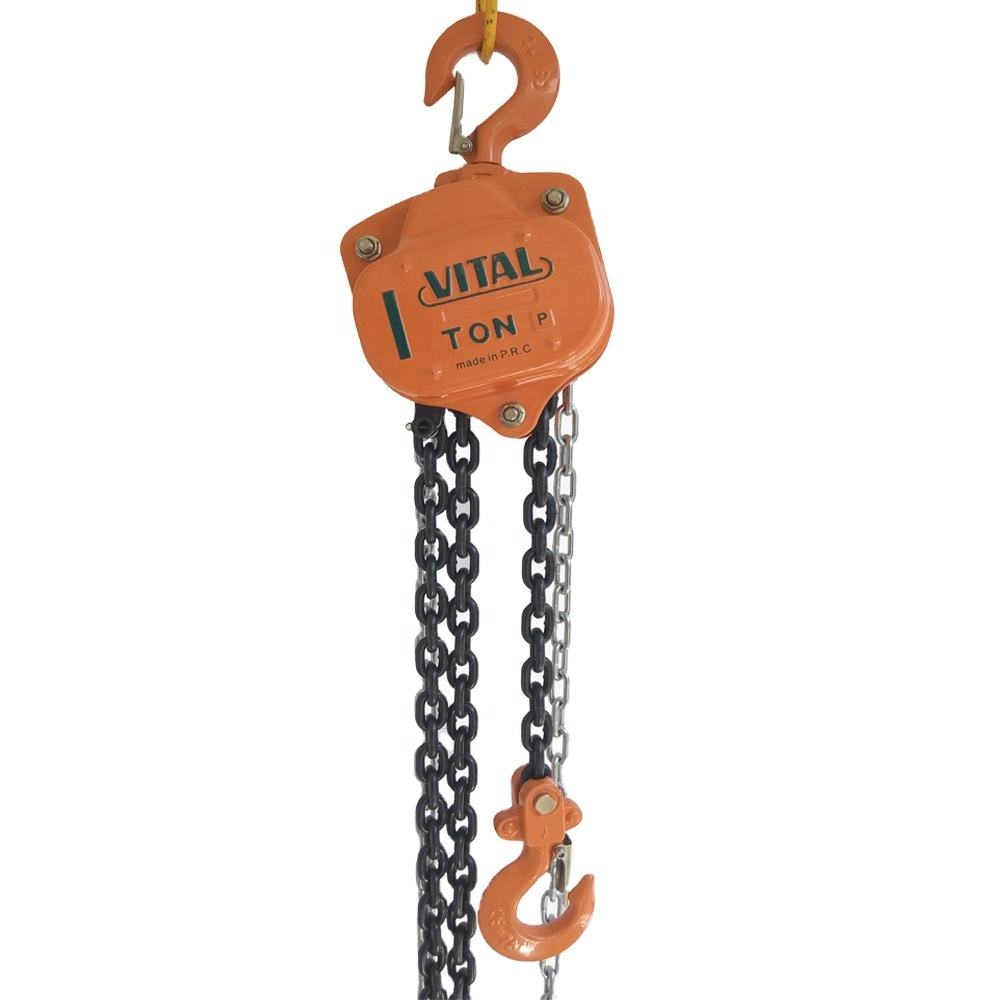
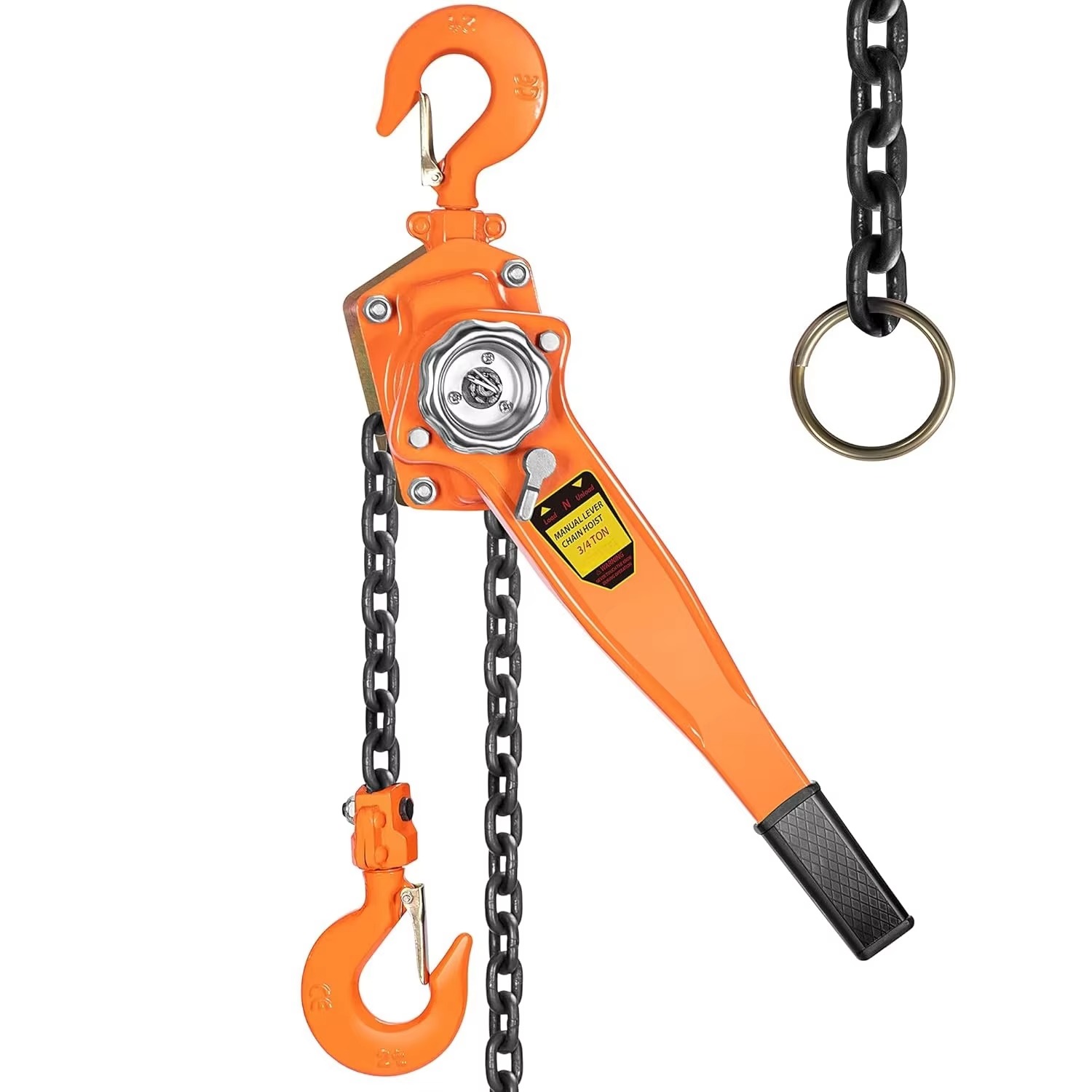
Unlike a manual chain hoist, which requires the operator to pull a hand chain, a mini electric hoist uses motorized lifting to reduce the physical effort involved in routine material handling.
Its compact form is particularly useful where installation space is limited and the required lifting duty is compatible with the equipment's rated specifications.
The working process is straightforward.
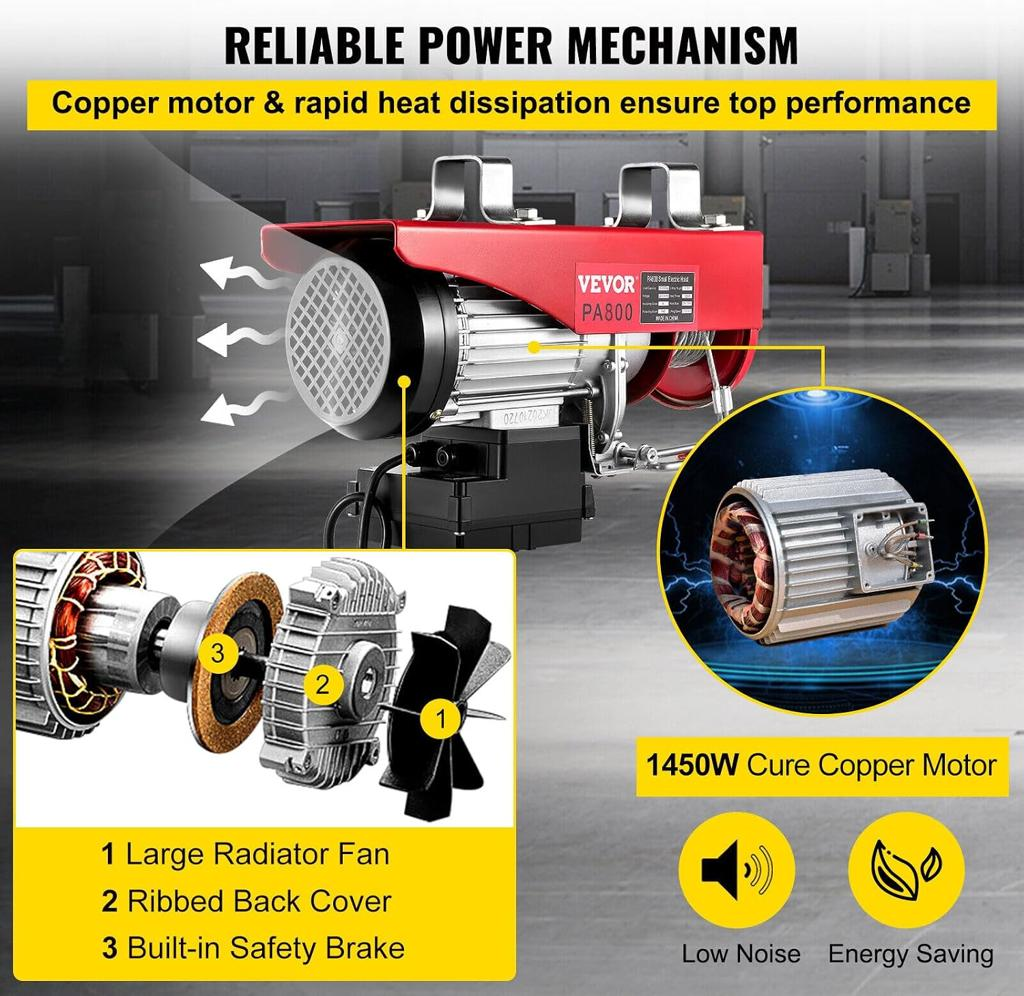
When the operator presses the control button, electrical power drives the motor.
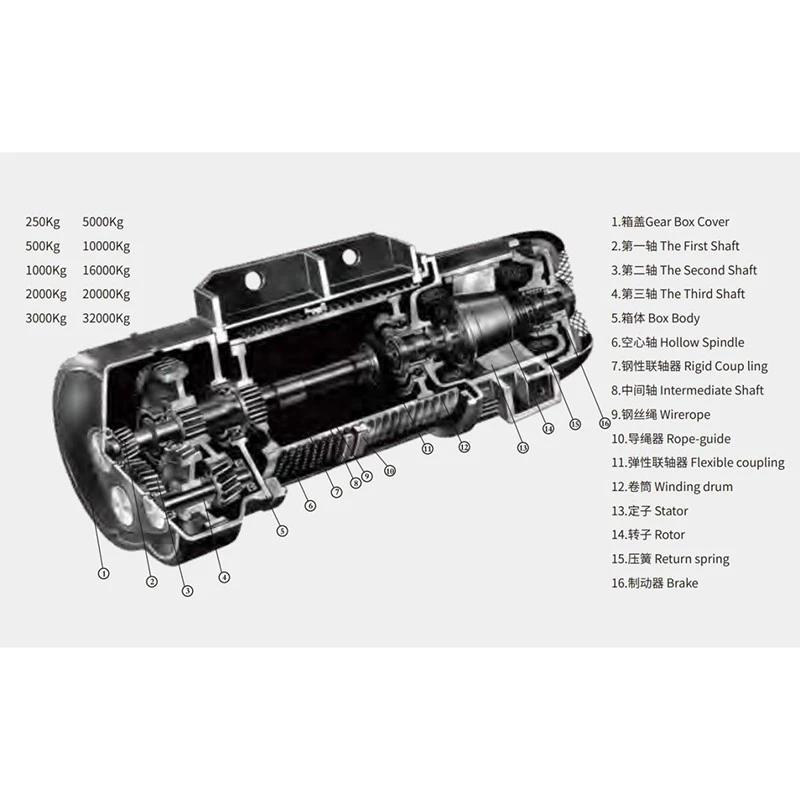
The transmission transfers motor power to the drum, which winds the steel wire rope.
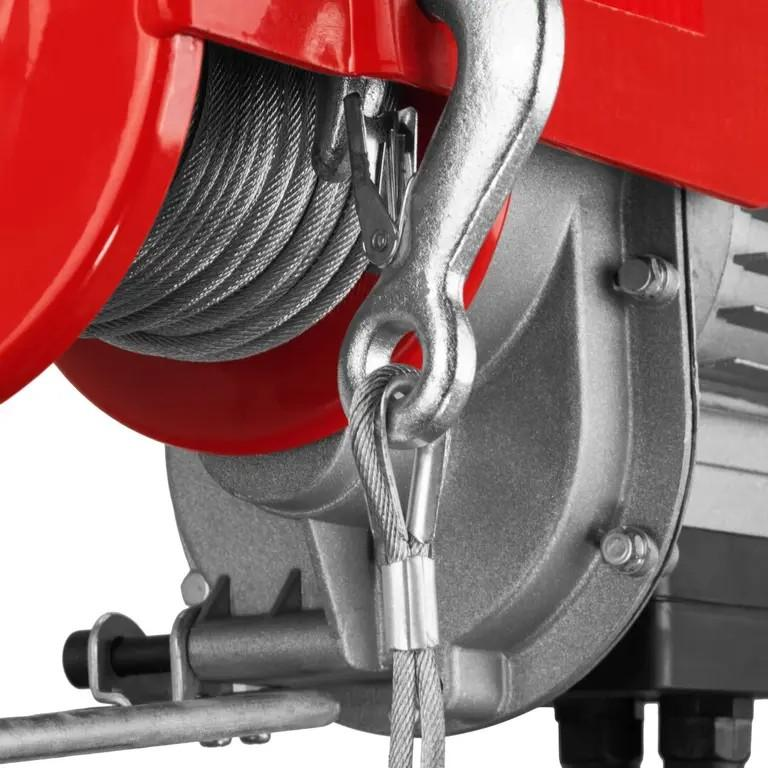
The wire rope and hook assembly raise or lower the load within the equipment's rated capacity.
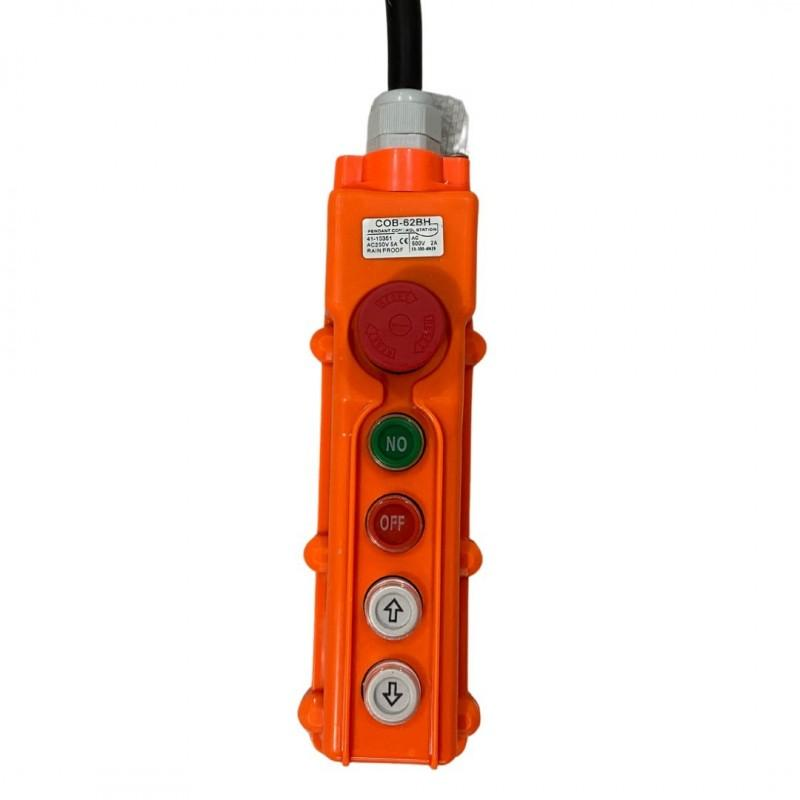
The control system manages lifting and lowering. The braking system is responsible for stopping and holding the load as designed.
CH HOIST describes its PA mini hoist range as incorporating a copper motor with a cooling fan, electromagnetic braking and an emergency stop. Buyers should verify the exact safety devices and operating duty of the selected model before ordering.
The compact design makes the PA mini hoist suitable for smaller workshops, garages and maintenance areas.
It can be installed in a suitable lifting arrangement without requiring the space occupied by a large industrial hoist system.
However, compact size does not eliminate the need for adequate headroom, a properly engineered support structure and safe access for maintenance.
Motorized lifting reduces the manual effort required to raise loads.
This is useful for repetitive tasks such as lifting workshop components, positioning machinery parts and moving materials to an assembly station.
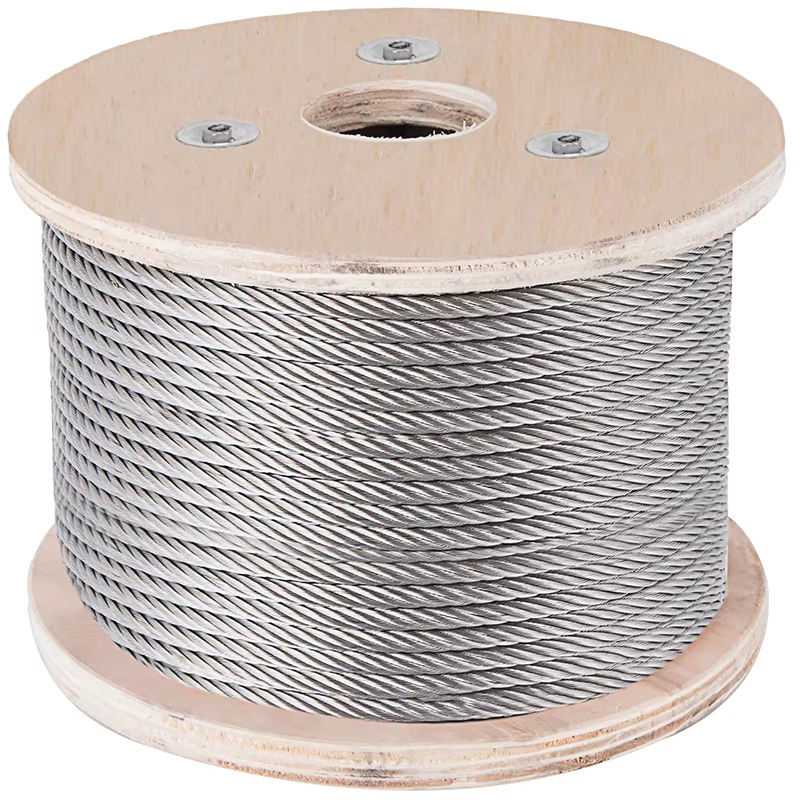
The steel wire rope transfers lifting force from the drum to the load hook.
Rope condition is important to safe operation. Operators should inspect the rope for broken wires, kinks, crushing, corrosion and other damage in accordance with the manufacturer's instructions.
The cooling fan helps dissipate heat generated by the motor.
This is an important design feature, but it does not mean the hoist can run continuously without limits. The duty cycle and permitted operating frequency must be checked for the specific model.
The electromagnetic brake is designed to stop and hold the load according to the hoist's operating specifications.
The brake should be inspected and maintained as recommended by the manufacturer.
Depending on configuration, operation can be controlled through a pendant or a compatible remote-control arrangement.
The control system should allow the operator to maintain a suitable view of the load and lifting path.
The following table summarizes representative models published on the CH HOIST product page. The first and second capacity figures correspond to the single-line and double-line lifting configurations listed for these models.
Model | Single-line capacity | Double-line capacity | Output power |
PA200 | 100 kg | 200 kg | 480 W |
PA250 | 125 kg | 250 kg | 540 W |
PA400 | 200 kg | 400 kg | 950 W |
PA500 | 250 kg | 500 kg | 1,050 W |
PA600 | 300 kg | 600 kg | 1,200 W |
PA800 | 400 kg | 800 kg | 1,450 W |
PA1000 | 500 kg | 1,000 kg | 1,600 W |
PA1200 | 600 kg | 1,200 kg | 1,750 W |
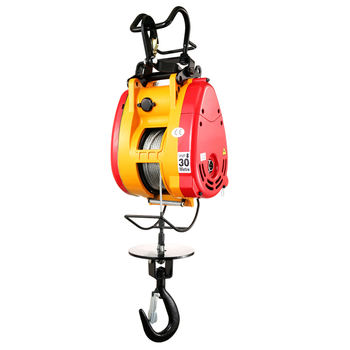
The product page lists lifting heights of 6 m, 12 m and, for selected configurations, up to 30 m. It also lists 110 V and 220 V options and lifting speeds of approximately 10 m/min for single-line operation and 5 m/min for double-line operation. Confirm the exact model-specific specification before purchase.
Important: A double-line configuration may increase the rated capacity while reducing lifting speed and usable lifting height. Do not assume that all models have identical configurations.
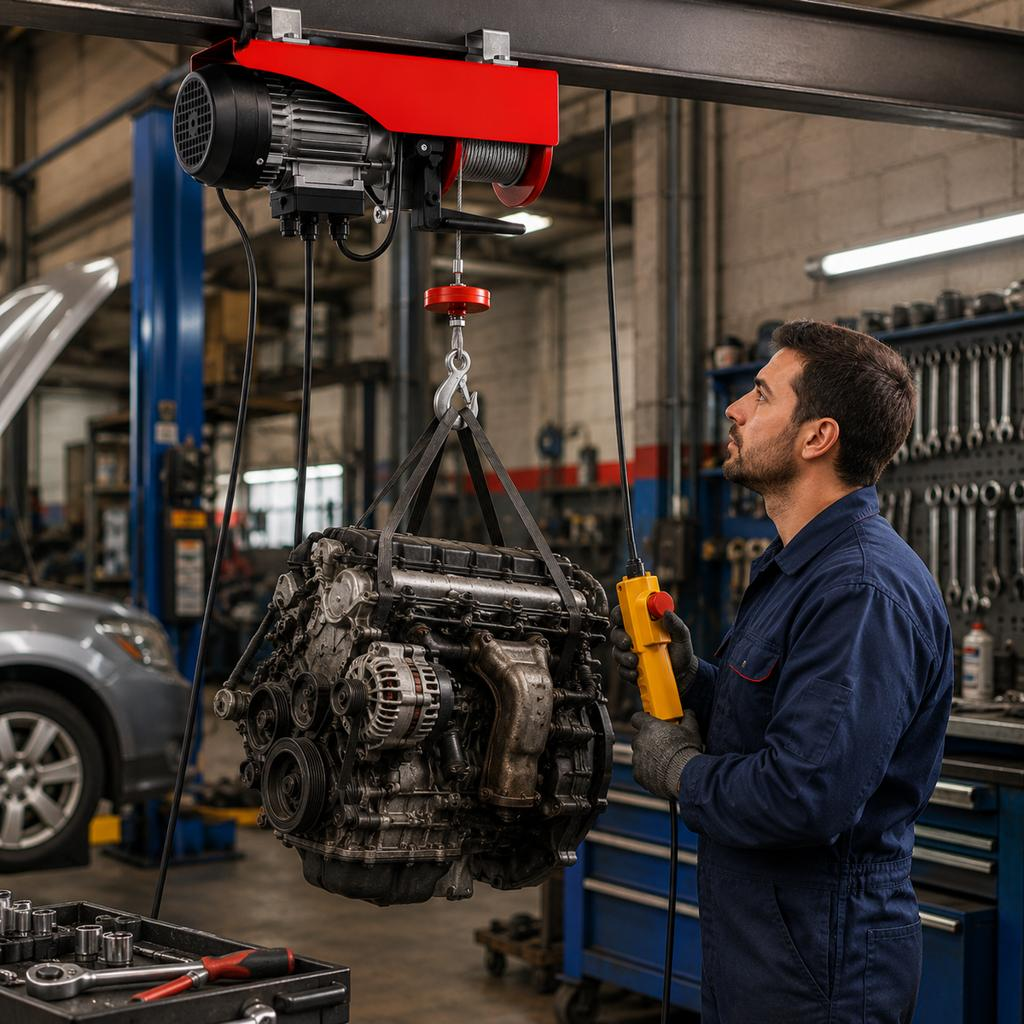
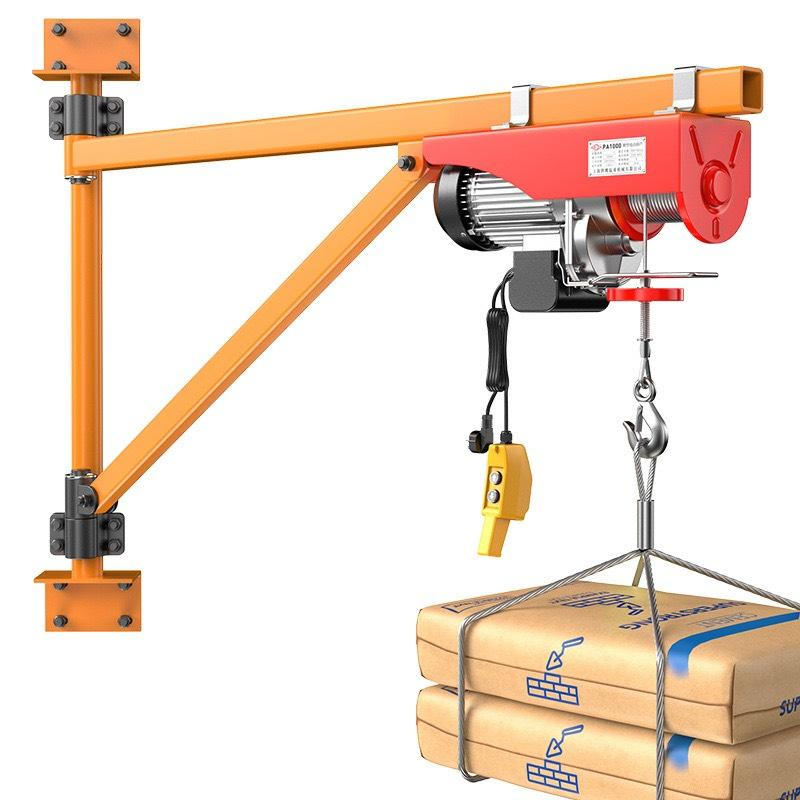
Automotive repair workshops often need to lift engines, transmissions and other heavy components.
A suitably rated PA mini electric hoist can support these tasks when installed on a properly designed lifting frame or support structure.
Manufacturing facilities may use mini electric hoists for positioning workpieces, handling components and assisting with assembly or maintenance tasks.
In suitable warehouse environments, a mini electric hoist can assist with lifting individual items at workstations or loading areas.
It is not a direct replacement for a pallet truck or stacker when the primary task is moving pallets horizontally.
Some users need powered lifting for tools, equipment or other loads in a private workshop.
Before installing a hoist in a garage or residential setting, the support structure, electrical installation, working clearance and intended lifting load must be assessed.
Mini electric hoists may support selected renovation and maintenance activities where the load, lifting height and installation arrangement fall within the model's intended application.
Outdoor use requires additional consideration of weather protection, electrical safety and the manufacturer's environmental ratings.
Both products can lift loads, but their operating methods differ.
Feature | PA Mini Electric Hoist | Manual Chain Hoist |
Power source | Electricity | Manual operation |
Lifting method | Motor-driven wire rope | Hand chain and load chain |
Operator effort | Lower during lifting | Requires pulling the hand chain |
Power required | Yes | No |
Portability | Depends on installation and mounting | Many models are portable |
Maintenance | Electrical, motor, rope and brake checks | Chain, gear, brake and hook checks |
Typical use | Suitable light-duty powered lifting | Lifting where manual operation is appropriate |
A PA mini electric hoist may be the better choice when convenient powered lifting is important and an appropriate power supply is available.
A manual chain hoist may be more suitable when electrical power is unavailable or when a portable manual lifting tool is preferred.
PA mini electric hoists and industrial electric chain hoists are designed for different operating needs.
A PA mini hoist uses wire rope wound around a drum. Electric chain hoists use a load chain and chain-lifting mechanism.
PA mini hoists are often considered for compact, intermittent lifting tasks. Industrial electric chain hoists may offer configurations designed for more demanding lifting duties, different mounting systems and compatibility with beam trolleys.
The correct selection depends on:
l Required lifting capacity
l Operating frequency
l Lifting height
l Lifting speed
l Duty classification
l Installation arrangement
l Required safety devices
l Environmental conditions
Neither design is universally superior. Buyers should compare the actual technical specifications rather than choosing based on product name alone.
Identify the heaviest load that needs to be lifted.
For example, if a task requires lifting 400 kg, the selected configuration must have an appropriate rated capacity for at least that load, with the required safety and operating conditions satisfied.
Do not choose a model based only on the average weight of the items being handled.
Many PA models list two rated capacities, depending on the lifting configuration.
Single-line operation typically provides a higher lifting speed but a lower rated capacity. Double-line operation typically provides a higher rated capacity and a lower lifting speed.
Verify the configuration, reeving arrangement and rated capacity on the model's documentation.
Measure the required vertical travel and available headroom.
The selected lifting height should be sufficient for the task without creating unnecessary installation or clearance problems.
Confirm whether the installation requires 110 V, 220 V or another available configuration.
Also check the local frequency, electrical protection and compatibility with the selected motor. Never assume that a voltage option automatically supports every regional power specification.
A mini electric hoist is not necessarily suitable for continuous, heavy-duty production.
If the hoist will lift frequently throughout a shift, verify its duty cycle, permitted starts per hour, thermal protection and maintenance requirements.
The supporting beam, gantry, bracket or other structure must be designed to carry the hoist and its intended loads.
Do not mount the hoist to an ordinary ceiling, wooden member or metal strip simply because the unit appears lightweight. Installation must follow the manufacturer's requirements and be assessed for the actual load and forces involved.
Safe operation is essential, even when lifting relatively light loads.
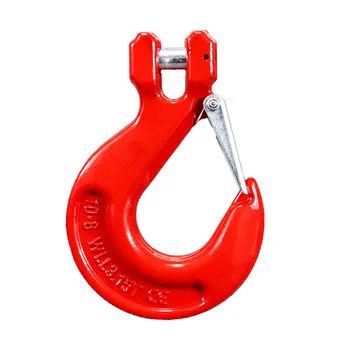
Inspect before use. Check the wire rope, hook, safety latch, controls, mounting arrangement and brake according to the operating instructions.
Never exceed rated capacity. Use the capacity specified for the exact configuration, including single-line or double-line operation.
Avoid side pulling. The hoist should lift in the direction and manner specified by the manufacturer. Side loading can damage the rope, drum, hook or supporting structure.
Do not lift people. Standard material-lifting hoists must not be used for lifting or suspending people unless specifically designed and approved for that purpose.
Keep people clear of suspended loads. Never allow anyone to stand or walk under a suspended load.
Avoid shock loading. Lift smoothly and do not jerk the load or use the hoist to pull stuck objects free.
Use the emergency stop correctly. Understand the controls before operating the equipment, and do not continue using the hoist if the brake or control system behaves abnormally.
Follow the duty cycle. Allow cooling and operating intervals as required by the manufacturer to reduce overheating risk.
Regular maintenance helps preserve reliable performance and identify problems before they become more serious.
Inspect for broken wires, kinks, crushing, corrosion and deformation. Check that the rope winds correctly onto the drum.
Check for visible cracks, bending, excessive wear or a damaged latch. Defective components must be evaluated and replaced as required.
Listen for abnormal noise and check for overheating, unusual vibration or obstruction of cooling airflow.
Follow the manufacturer's procedure for checking braking performance. A hoist with an unreliable brake must be removed from service until the problem is addressed.
Inspect buttons, cables, connectors and emergency-stop functions. Electrical repairs should be performed by appropriately qualified personnel.
Check that fasteners, brackets and structural components remain secure and show no signs of deformation or damage.
The inspection schedule should reflect the manufacturer's instructions, frequency of use, environment and applicable local regulations.
For international lifting-equipment distributors, the PA mini electric hoist offers a product category that can serve a wide range of customers.
Potential buyers include:
l Industrial equipment wholesalers
l Hardware distributors
l Automotive workshop suppliers
l Construction equipment dealers
l Warehouse equipment suppliers
l Machinery maintenance companies
l Small crane and hoist dealers
l Online industrial equipment retailers
Distributors can also offer complementary products such as:
l Electric chain hoists
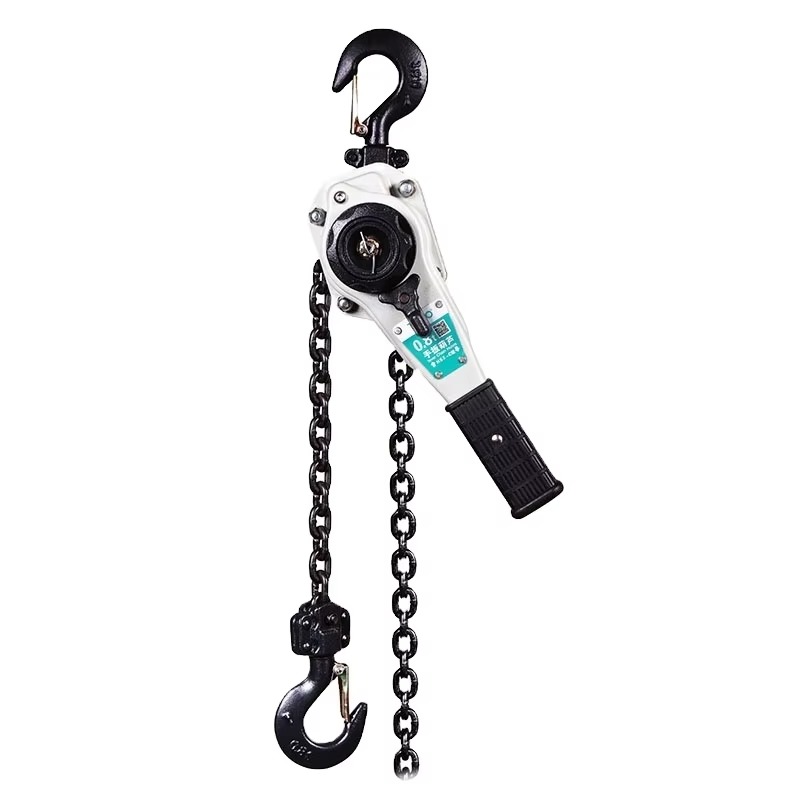
l Manual chain hoists
l Lever hoists
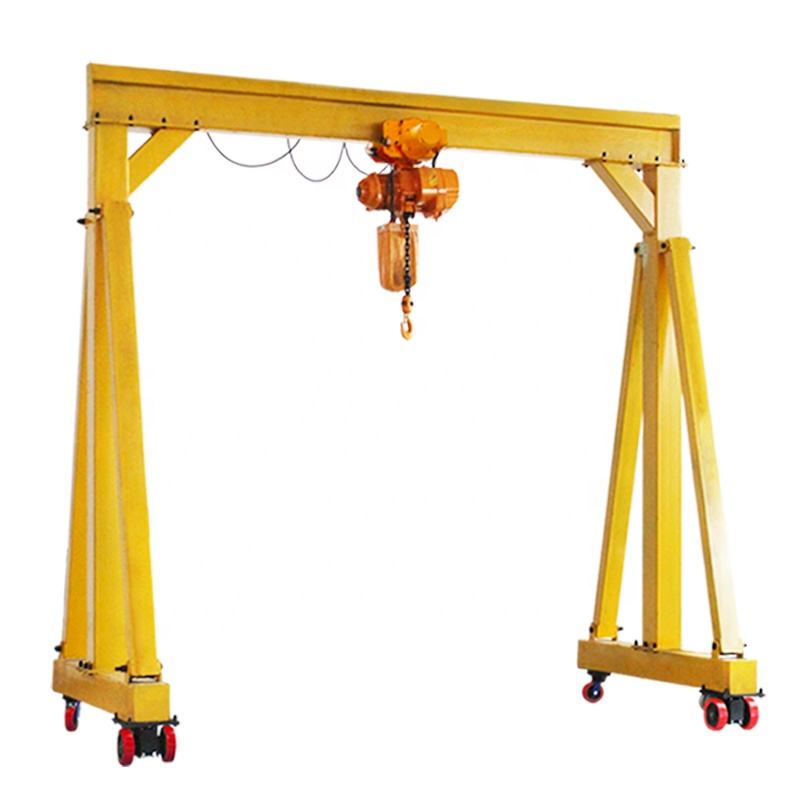
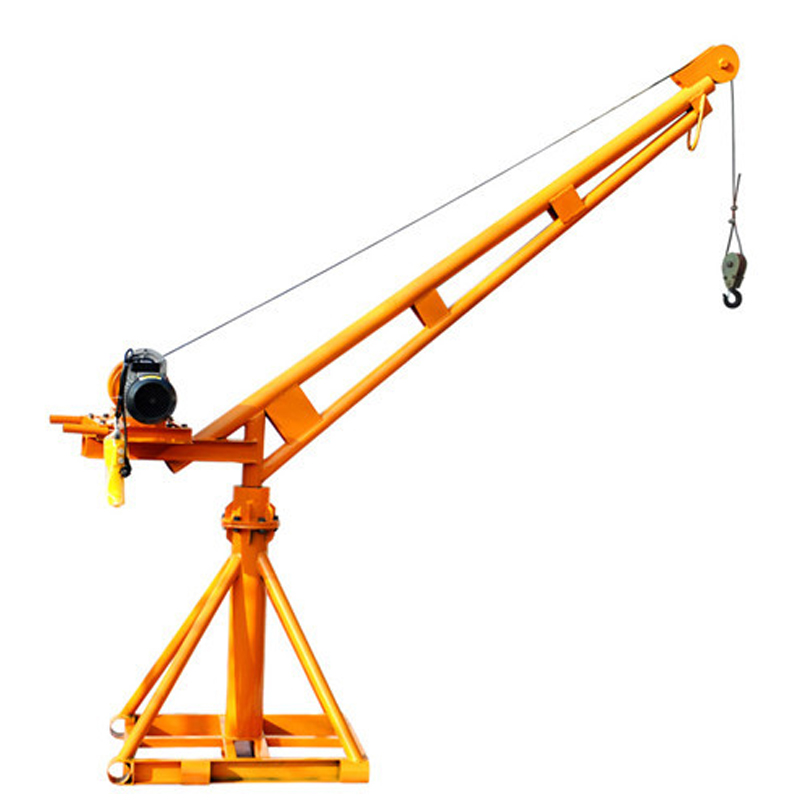
l Portable gantry cranes
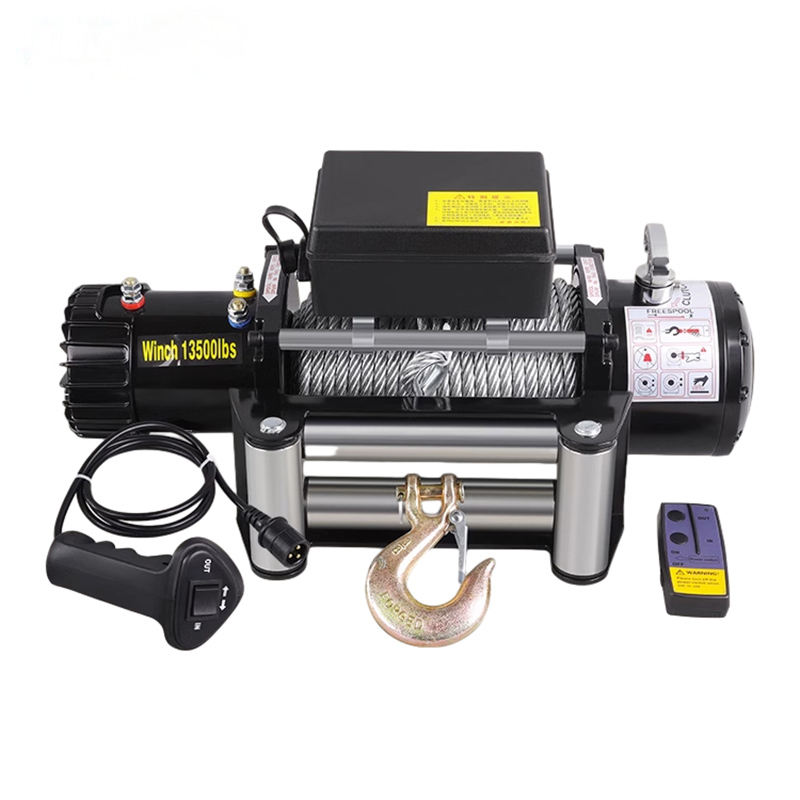
l Electric winches
l Wireless remote controls
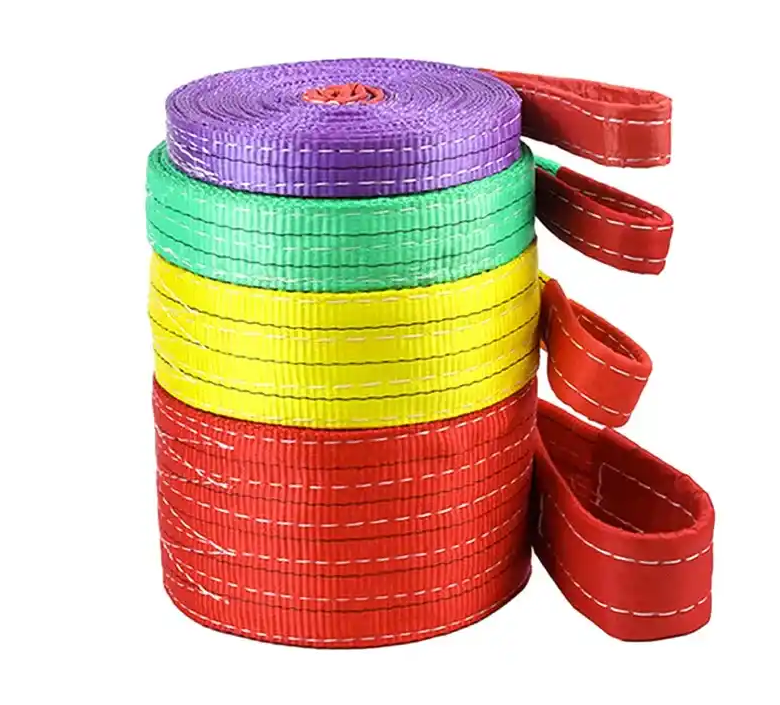
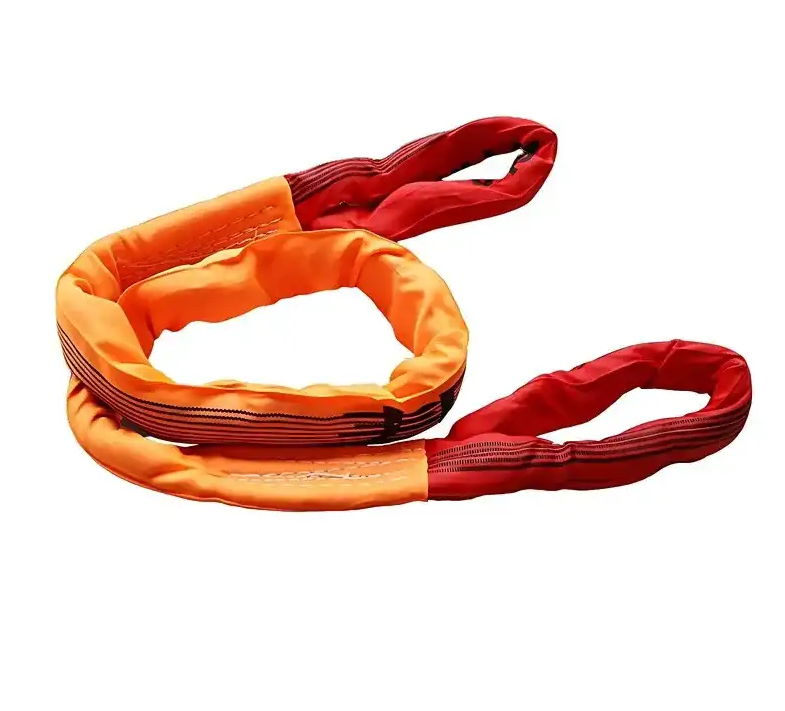
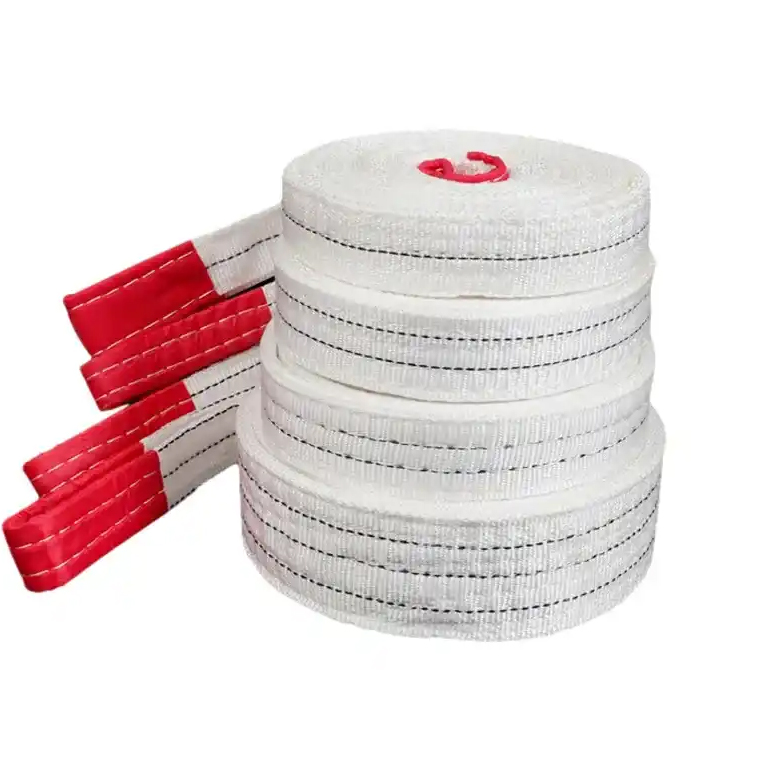
l Lifting slings
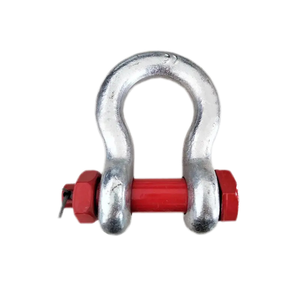
l Hooks and rigging accessories
Providing a broader product range can help distributors serve customers with different lifting requirements.
When sourcing from a manufacturer, buyers should request model-specific specifications, electrical details, packaging dimensions, spare-parts information, warranty terms and applicable conformity documentation.
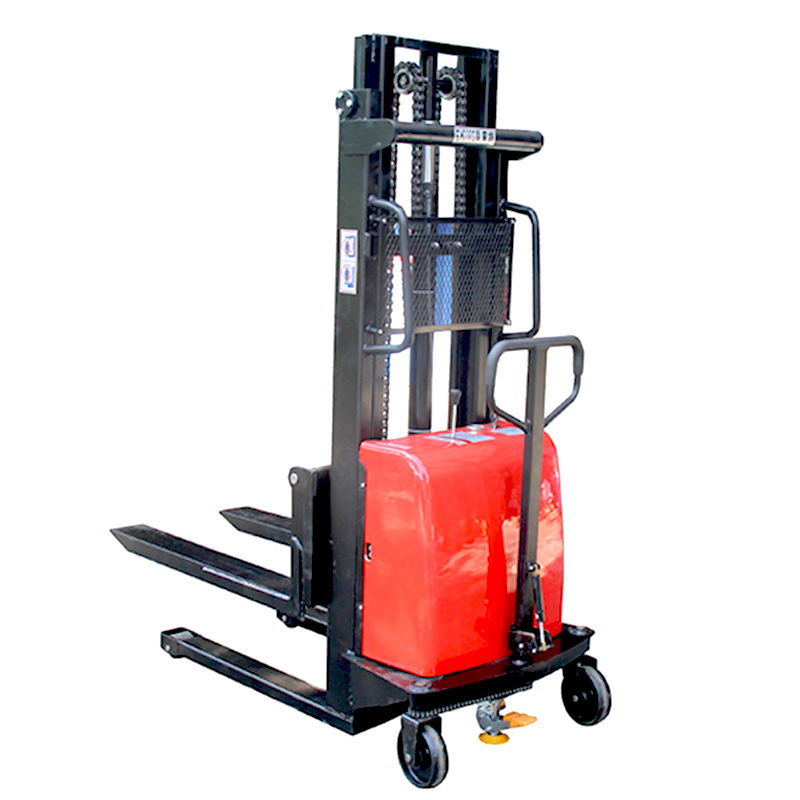
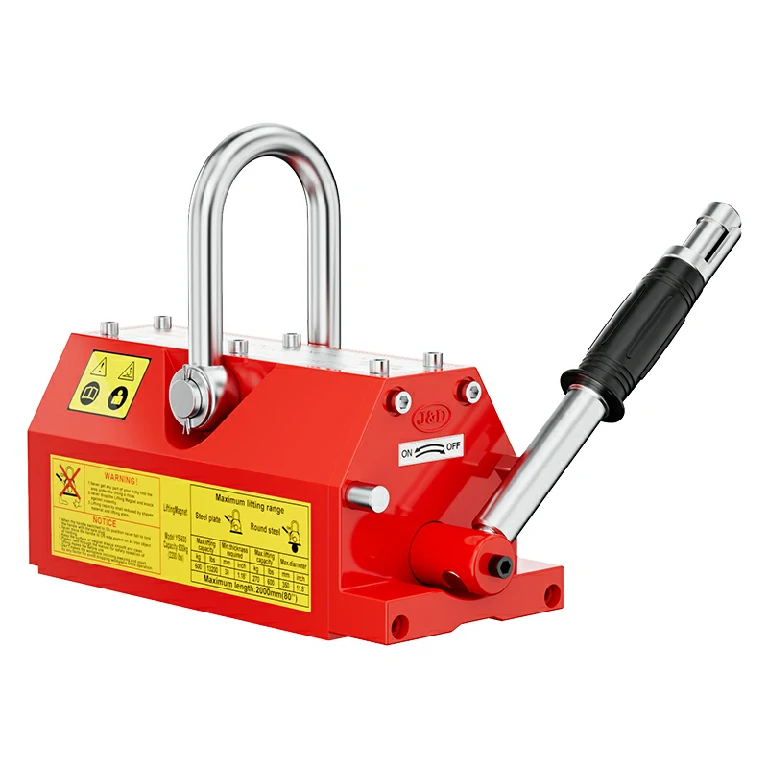
CH HOIST offers lifting and material handling equipment for industrial and commercial applications. Its product portfolio includes electric hoists, manual hoists, winches, pallet trucks, stackers and rigging accessories.
For PA mini electric hoists, buyers can review the product range and contact the supplier to confirm:
l Available models
l Rated capacity and lifting configuration
l Lifting height
l Voltage and frequency
l Control options
l Duty cycle
l Packaging and shipping
l Spare parts and after-sales support
It is a compact electric lifting device that uses a motor-driven drum and steel wire rope to raise and lower loads.
The CH HOIST product page lists configurations from 100 kg up to 1,200 kg, depending on the model and lifting arrangement. Always confirm the rated capacity of the exact configuration.
The product page lists 110 V and 220 V options. Confirm voltage and frequency compatibility for the destination market and selected model.
It may be suitable for garage applications if the hoist is rated for the intended task and installed on a properly engineered support structure with suitable electrical protection and clearance.
Not automatically. Buyers must check the model's duty cycle, operating limits and thermal protection before using it for frequent or continuous lifting.
The CH HOIST product page lists pendant or customizable remote-control options. Confirm which control arrangement is available for the specific model.
The PA Mini Electric Wire Rope Hoist is a practical option for suitable light-duty and intermittent lifting tasks in workshops, garages, factories and warehouses.
Its compact construction, motorized lifting and range of capacity options make it useful for businesses that need a powered lifting solution without a large industrial hoist installation.
Before purchasing, carefully evaluate:
Rated Capacity + Lifting Height + Single/Double-Line Configuration + Voltage + Duty Cycle + Mounting Structure + Safety Requirements
The right model should match the actual application, and the support structure must be designed for the intended load. Proper installation, inspection and maintenance are essential for safe and dependable operation.
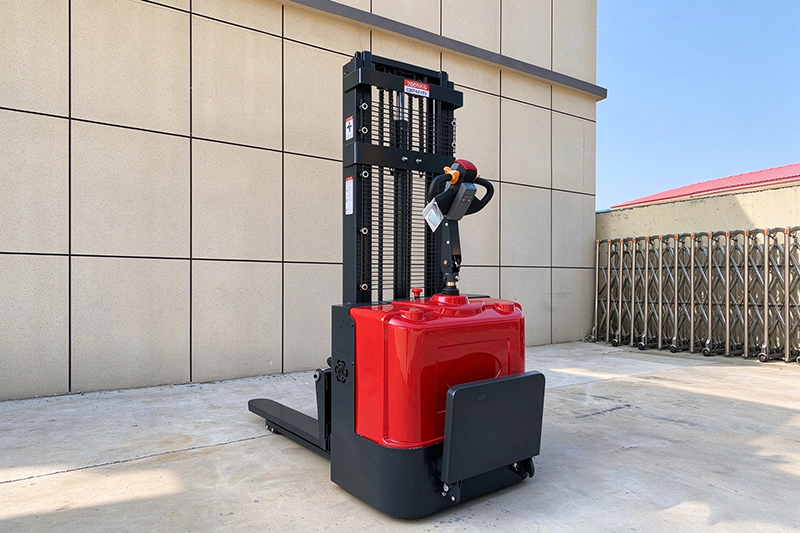
Modern warehouses, distribution centers, and manufacturing facilities need efficient ways to lift, move, and stack palletized goods. As businesses handle more products and work to optimize storage space, choosing the right material handling equipment becomes increasingly important.
2026-10-21View More →
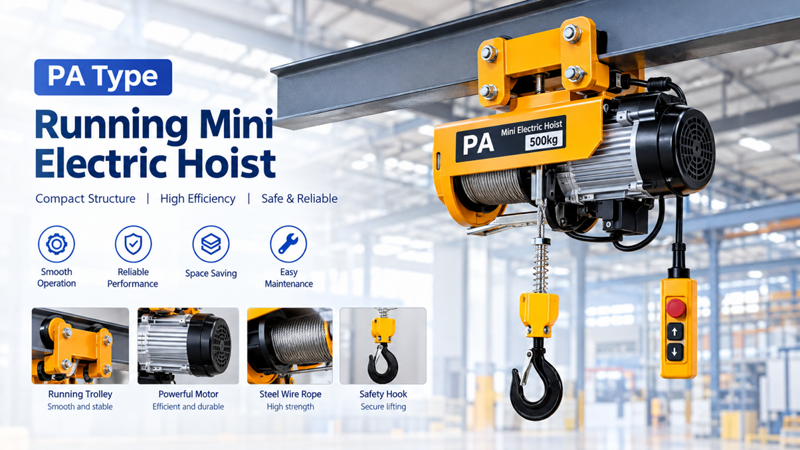
Learn about PA type running mini electric hoist, including key selection factors, typical applications, safety operation tips for small lifting jobs.
2026-10-20View More →
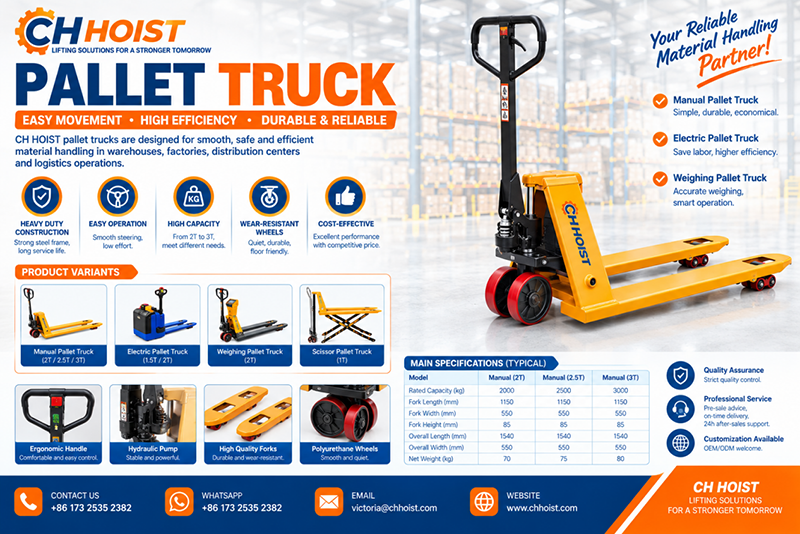
A pallet truck, also known as a pallet jack or pallet trolley, is one of the most practical tools for transporting palletized materials over short distances. Compared with moving goods manually, pallet trucks help reduce physical effort, improve workflow, and make warehouse operations more efficient.
2026-10-19View More →


 Tel:
+8613653129869
 Whatsapp:
+8613653129869
 Email:
chuanghehoist@gmail.com
 Address:Donglu Village, Donglu Township, Qingyuan District, Baoding City, Hebei Province

 English
 Français
 Español

 Email
 +8613653129869
 +8613653129869

 Home
 Whatsapp
 chuanghehoist@gmail.com