
tel

Company News

Current Location: News Company News

Manual Hydraulic Stacker: Power‑free Warehouse Lifting Tool Optimizes Material Handling Workflow for Global SMEs

Click:113 Edit: Chuanghe HoistingTime:2026-10-13 10:36:10
Robust Structure, Flexible Operation and Low Maintenance Cost Make Manual Pallet Stacker a Practical Choice for Small‑scale Warehouses and Production Workshops
Manual Hydraulic Stacker

1. Current Market Demand for Light‑duty Warehouse Handling Equipment

Against the backdrop of the booming global manufacturing industry, e‑commerce logistics and small‑and‑medium enterprise warehousing, the market demand for lightweight, low‑cost and easy‑to‑operate material‑handling equipment continues to grow steadily. Many small factories, retail warehouses and workshop storage areas are limited by narrow aisles, tight budgets and low daily stacking frequency. Large counterbalance forklifts and fully electric stackers are often too expensive or bulky to fit their working conditions. As a classic type of warehouse lifting machinery, the manual hydraulic stacker, also widely known as manual pallet stacker, has won wide recognition from customers all over the world. Without relying on batteries, motors or external power supplies, this manually operated stacking truck can complete pallet cargo lifting, stacking, shelf loading and unloading as well as short‑distance cargo transfer tasks. It is especially suitable for indoor workshops, small storage rooms, retail stockrooms and narrow‑aisle working scenarios where large forklifts or electric stackers cannot work conveniently.
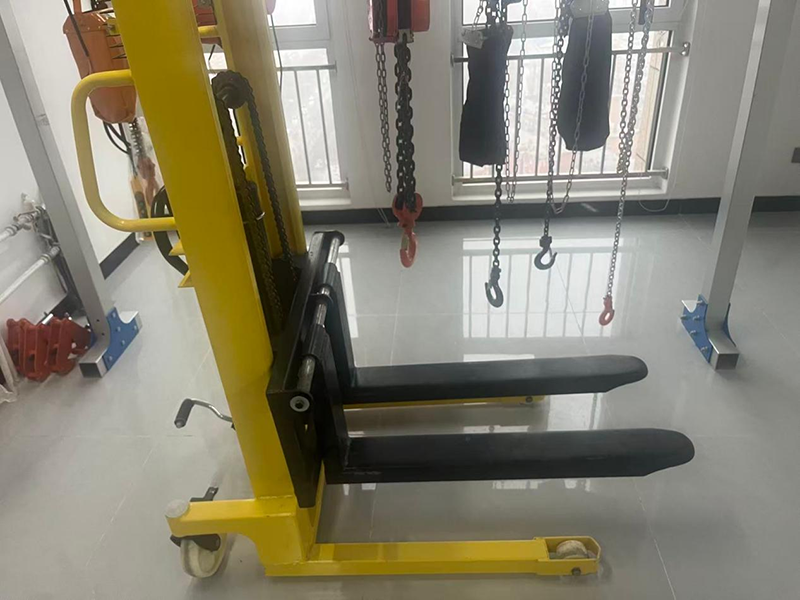
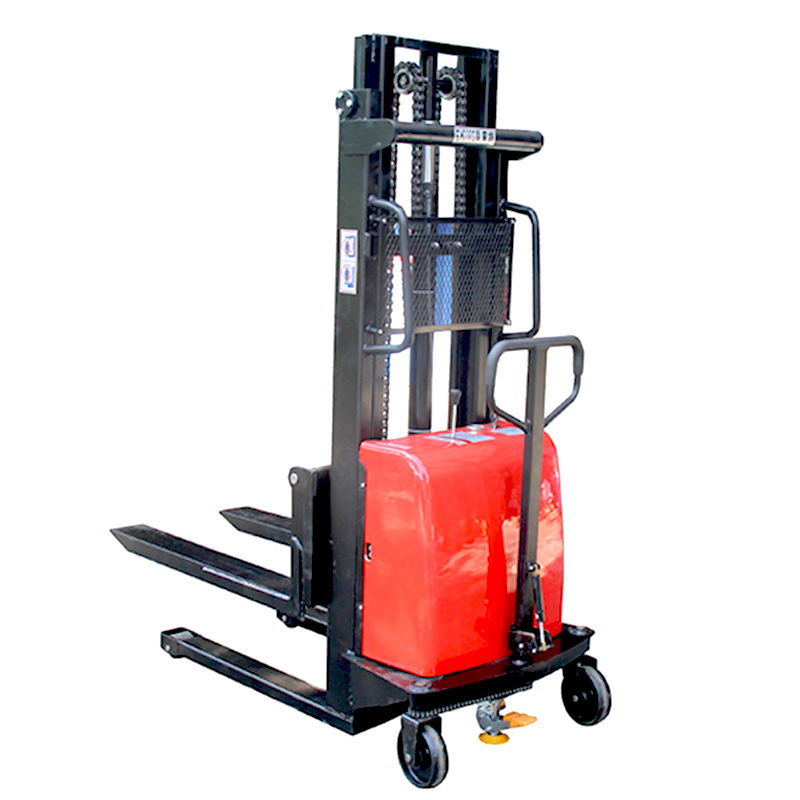
Manual Hydraulic Stacker

2. Product Structure and Core Mechanical Design

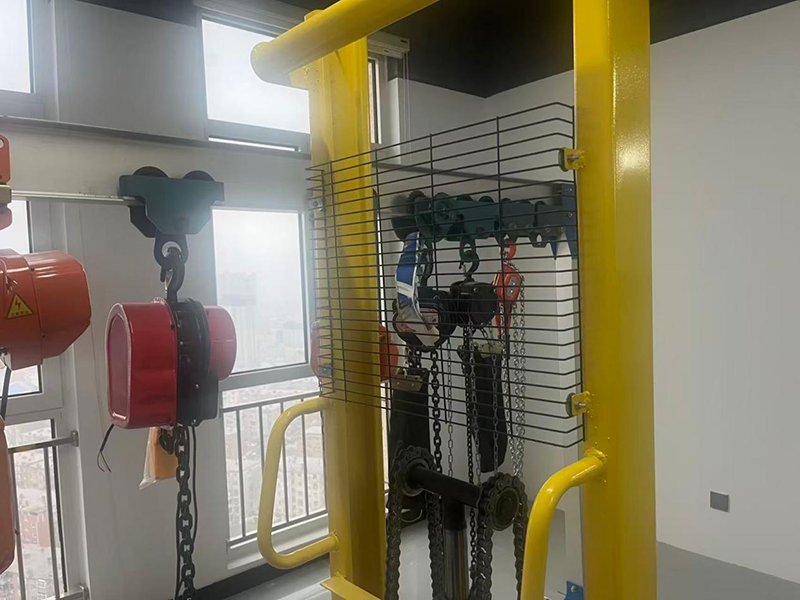
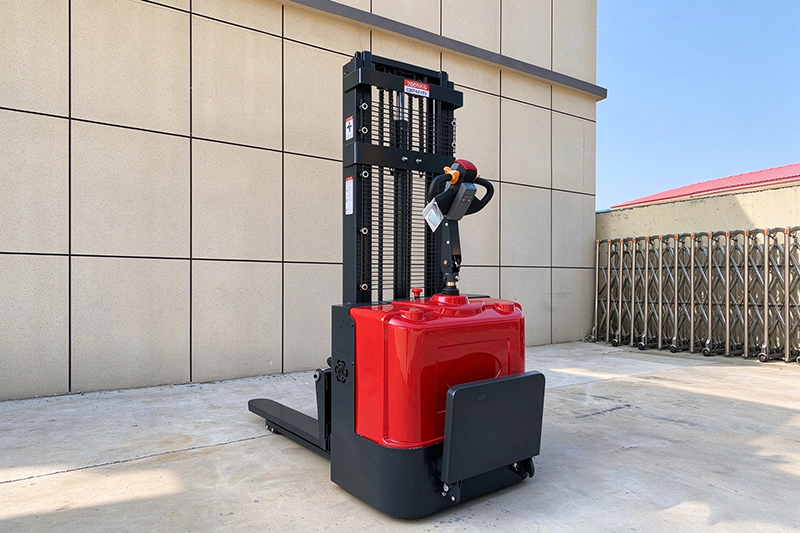
The whole frame of the manual hydraulic stacker adopts thickened high‑strength steel plate and welded structure. The solid steel fork arms can bear stable rated load, and the surface is treated with anti‑rust paint spraying to resist daily wear and corrosion in warehouse environment. The gantry structure is reinforced to guarantee stable vertical lifting without shaking during cargo stacking. The lifting chain adopts high‑strength industrial chain, which can transmit power reliably after long‑term repeated lifting operations. Every welding joint and stress point is inspected strictly during production to eliminate hidden structural risks.

3. Hydraulic Lifting System and Built‑in Safety Protection

The core hydraulic lifting system is equipped with high‑quality oil cylinder and sealing components, which can realize smooth lifting and lowering of goods by manual pumping operation. Overload protection function is built into the hydraulic device. Once the cargo weight exceeds the rated load, the protection mechanism will take effect automatically to avoid equipment damage and operation safety accidents. The hydraulic pump is designed for easy hand operation, and operators can control lifting height step by step. High‑performance sealing rings effectively prevent hydraulic oil leakage, which greatly improves the safety guarantee level in daily warehouse work.

4. Mobility, Operation Experience and Space Adaptability

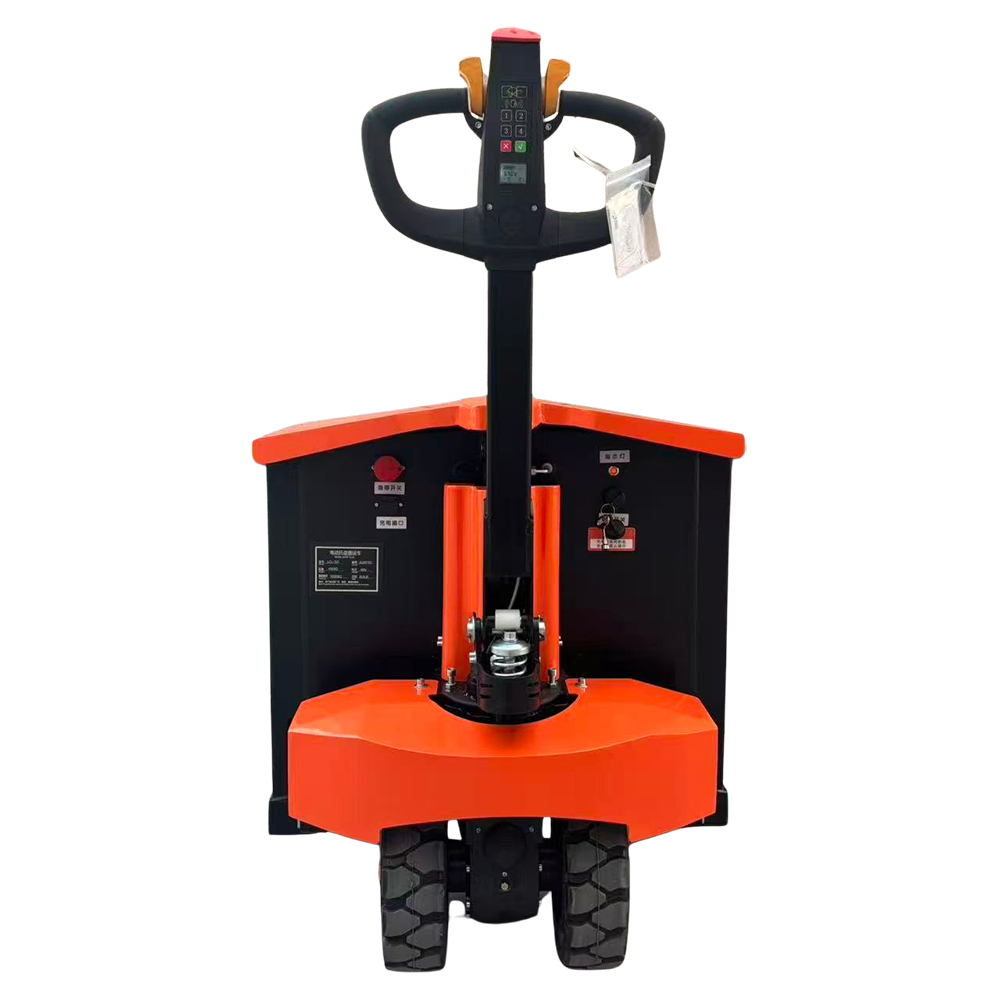
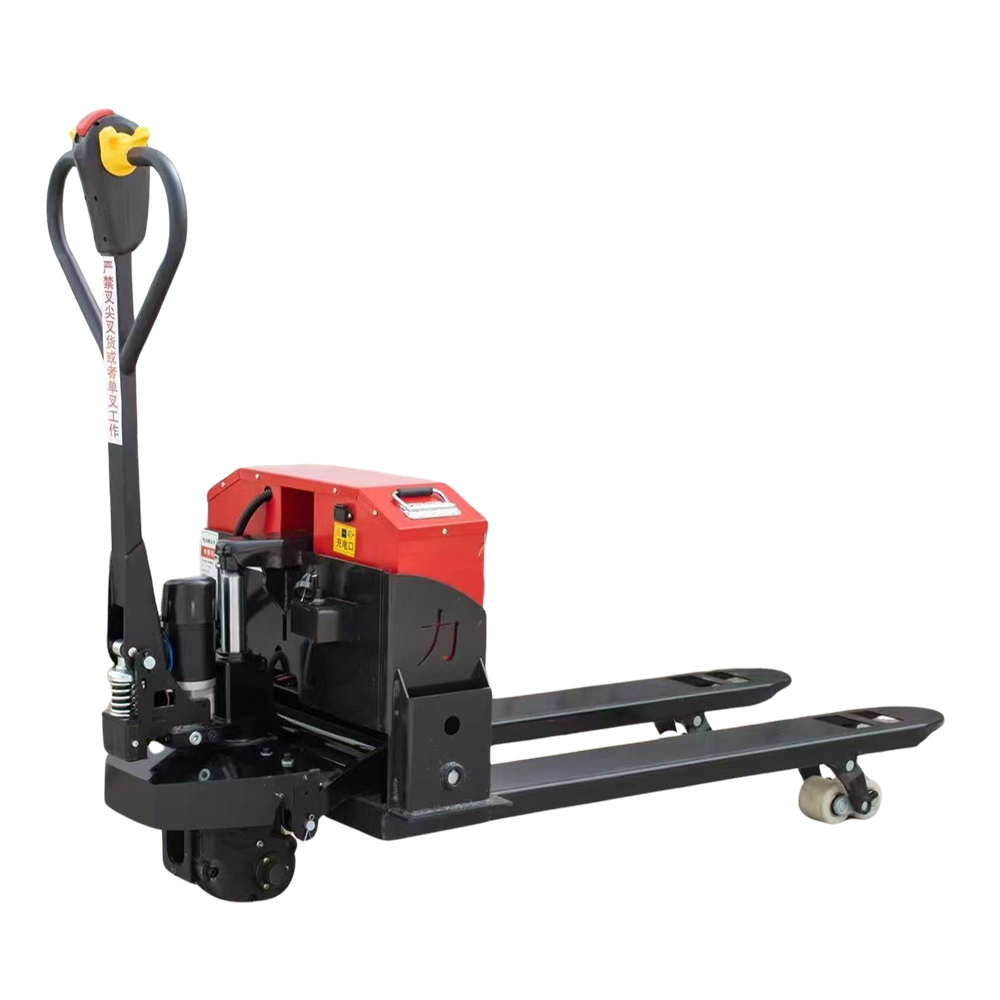
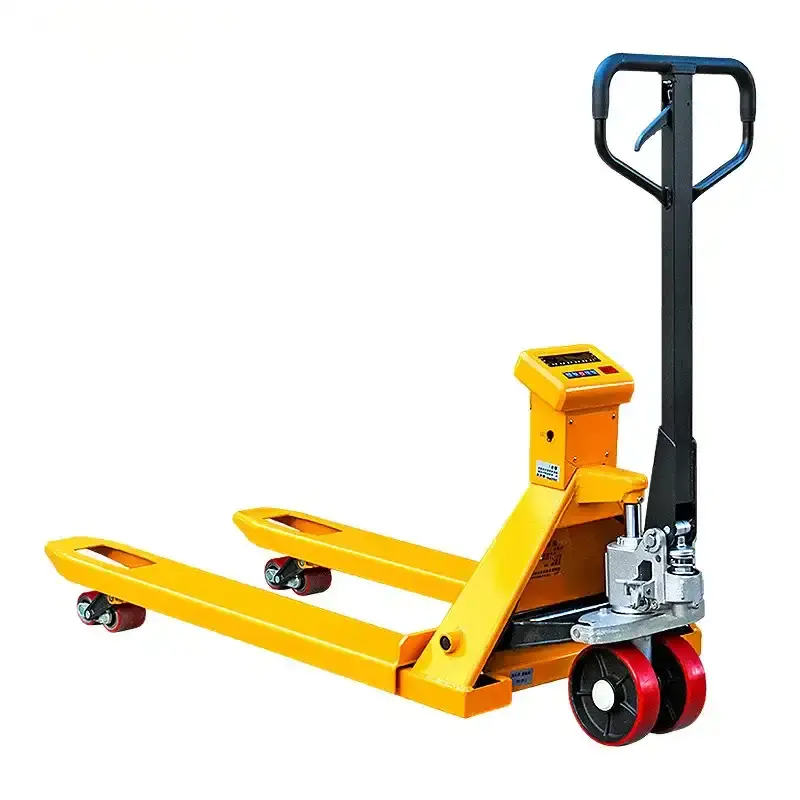
Mobility and operability are two outstanding advantages of this stacker. It is equipped with solid wear‑resistant casters, which can roll smoothly on flat indoor ground. The compact body design allows operators to turn and move freely in narrow warehouse aisles. The handrail is ergonomically arranged for convenient pushing and steering. Unlike heavy industrial vehicles, the manual stacker can be easily maneuvered by one single warehouse operator. It can be stored in a small corner when not in use, without occupying precious warehouse space.
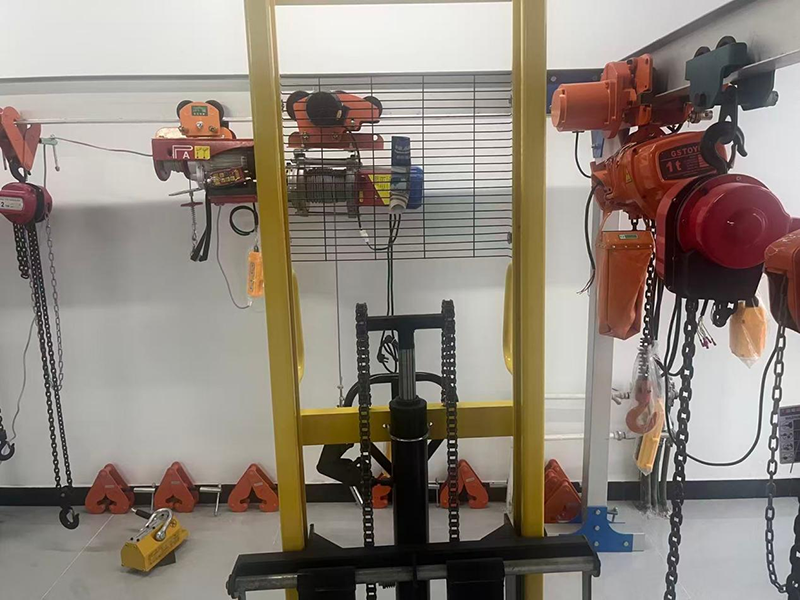
Manual Hydraulic Stacker

5. Cost Analysis: Initial Purchase and Long‑term Maintenance

Compared with electric stacking equipment, the manual hydraulic stacker removes expensive battery packs, drive motors and complex electrical control systems. The initial purchase cost is significantly lower. Since there are almost no vulnerable electric parts, the later‑stage maintenance work is extremely simple. Warehouse staff only need to carry out regular lubrication of transmission chains, visual inspection of hydraulic oil status and simple surface cleaning. Enterprises can effectively cut down long‑term equipment maintenance investment and reduce unexpected downtime caused by electrical failures such as battery aging, circuit damage and motor breakdown.

6. Practical Value for Small and Medium‑sized Enterprises

For small and medium enterprises with limited budget, low daily stacking frequency and limited warehouse space, manual pallet stackers provide a highly cost‑effective alternative solution. Factories and warehouses can deploy multiple sets of manual stackers at low procurement cost to realize multi‑point cargo stacking operation, maximize the utilization rate of vertical warehouse space and reduce the labor intensity of warehouse workers. Workers no longer need to carry heavy goods manually, which effectively reduces the risk of manual handling injury and improves the overall efficiency of warehouse cargo turnover.

7. Industry Outlook and Product Upgrading Trend

With the continuous development of global supply chains, the demand for power‑free, easy‑deployed lifting and handling equipment keeps rising. Manufacturers keep optimizing the product structure of manual hydraulic stackers, upgrading hydraulic components and improving the human‑oriented operation design to further enhance product stability and service life. New improvements including reinforced fork structure, upgraded wheel materials and better anti‑corrosion coating are continuously applied. As a basic and indispensable warehouse logistics equipment, manual hydraulic stackers will maintain stable market demand, serving various industries including light manufacturing, spare parts storage, retail distribution and workshop raw material turnover worldwide.

RELATED NEWS

ONLINE INQUIRY

Close
Close

Security Code

CAPTCHA