


If you have any questions, please contact our online customer service staff immediately
 Click:138
Edit: Chuanghe Hoisting
 Time:2026-10-12 10:08:12
Efficient material handling is essential for warehouses, factories, workshops, logistics centers, and distribution facilities. Many operations need to lift palletized goods from floor level to shelves, workstations, or vehicle loading heights. Choosing suitable lifting equipment can reduce manual effort and help make daily operations more efficient.
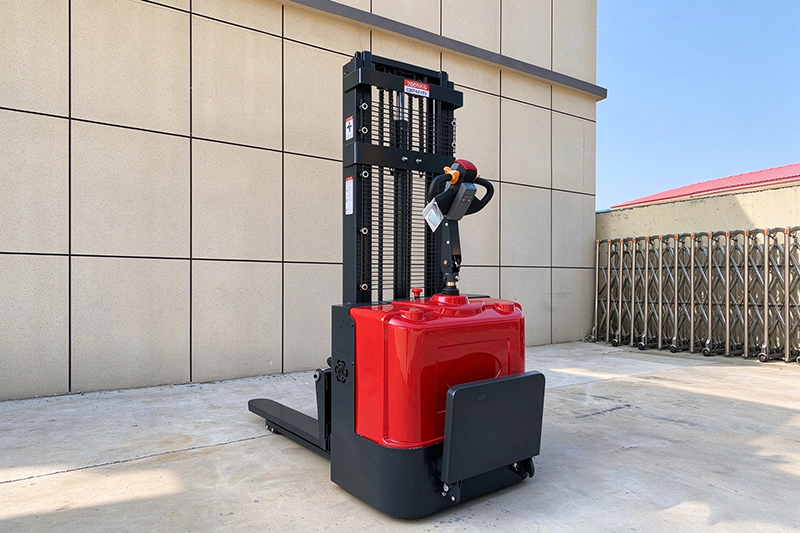
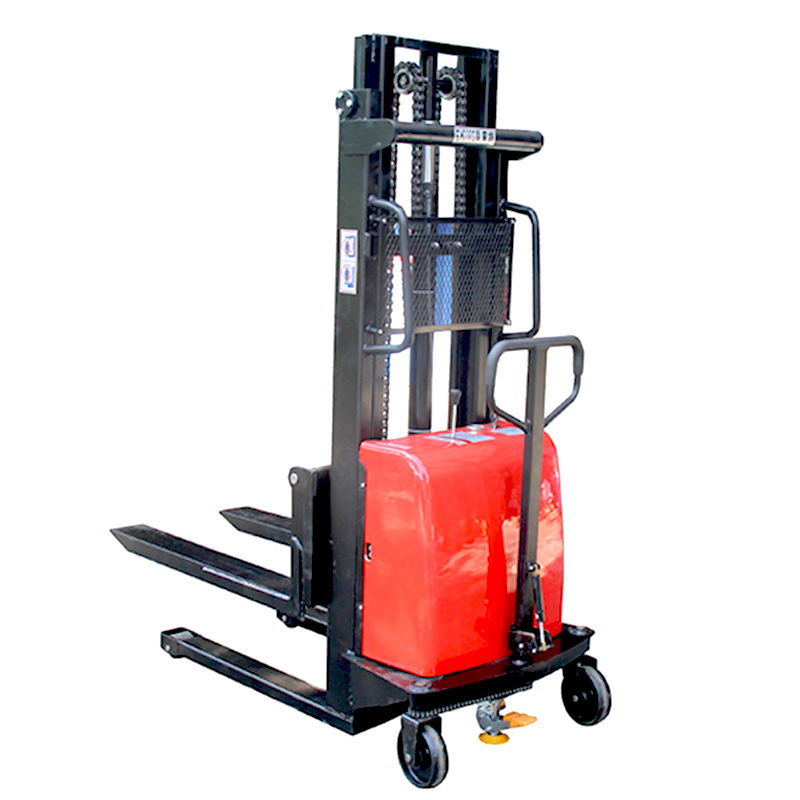
A Manual Stacker, also called a Manual Hydraulic Stacker or Hand Stacker, is designed to lift and position palletized loads without an electric drive motor. Depending on the model, lifting is performed by pumping a handle or operating a manual hydraulic control, while the unit is moved by pushing or pulling it.
Compared with powered stackers and forklifts, a manual stacker generally has a simpler structure and lower initial purchase cost. It can be a practical choice for small warehouses, light-to-moderate workloads, and locations where powered equipment is not necessary.
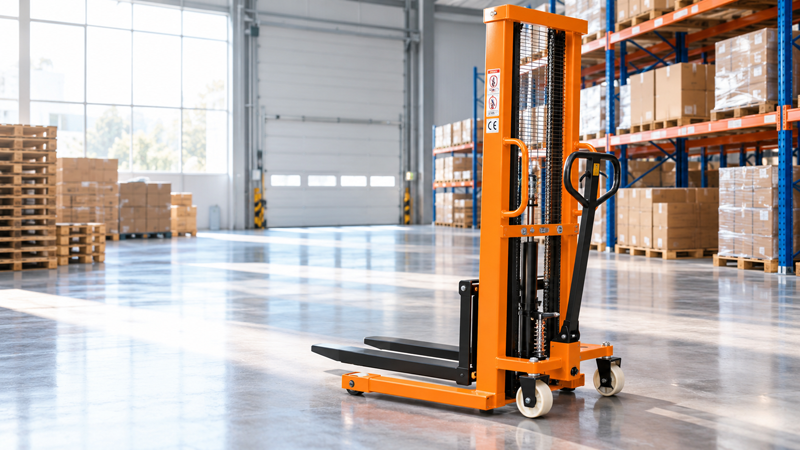
A manual stacker is a material handling device used to lift, lower, and position palletized goods. It combines a steel mast and forks with a hydraulic lifting system and a manually moved chassis. Some models are designed for standard pallets, while others use adjustable forks or platform attachments for specific loads.
The basic structure commonly includes:
· Steel mast and frame
· Forks or a load platform
· Manual hydraulic pump
· Lifting cylinder and hydraulic circuit
· Steering wheels and load rollers
· Handle and operating controls
· Lowering valve
· Brakes or parking brake, where fitted
The operator positions the forks under a compatible pallet, raises the load using the hydraulic mechanism, and moves the stacker carefully to the required location. The mast allows the load to be raised higher than with a standard pallet truck. Actual lifting height, capacity, and pallet compatibility depend on the model.
Note: The term “manual stacker crane” may be used differently by different suppliers. This guide focuses on the common manual hydraulic walk-behind stacker, not an automated warehouse crane system.
Understanding the operating process helps buyers select the right equipment and train operators safely.
Move the stacker into position on a suitable, level surface. Align the forks with the pallet openings and make sure the load is accessible without forcing the forks into place.
Insert both forks fully and evenly beneath the pallet or load. Uneven fork engagement can cause instability, damage the pallet, or create a risk of the load slipping.
Operate the manual pump or lifting control according to the manufacturer's instructions. Raise the load smoothly and only as high as needed for the intended movement.
Move at walking speed and keep the load low while traveling. Avoid sudden turns, uneven surfaces, ramps beyond the equipment's permitted limits, and areas where pedestrians may be exposed to the load.
At the destination, stop the unit, position the load carefully, and use the lowering control to lower it in a controlled manner. Confirm that the load is stable before withdrawing the forks.
Lower the forks fully, park on a level surface, apply the brake if fitted, and leave the equipment in a safe location that does not block walkways or emergency exits.
Manual stackers generally cost less to purchase than powered stackers and forklifts. They can suit businesses that need occasional lifting and stacking but do not require high throughput.
A conventional manual stacker does not need a traction battery, charging station, or electric drive system. This can simplify operation in facilities where electrical charging infrastructure is limited.
The controls are usually simple, and operators can learn the basic functions through appropriate training. Safe operation still requires instruction on load stability, rated capacity, visibility, and pedestrian awareness.
Many walk-behind manual stackers are suitable for relatively narrow warehouse aisles and small storage areas. Buyers should check the turning radius, overall width, and required aisle space before ordering.
With fewer powered drive components than an electric stacker, routine maintenance is often focused on the hydraulic system, mast, wheels, chains or lifting components, fasteners, and lubrication points.
For low-frequency operations, a manual stacker can provide a practical way to raise pallets to shelving or workstations without investing in a powered machine.
Manual stackers are used to lift palletized goods onto low or medium-height storage positions, move loads within storage areas, and support inventory handling where usage frequency is moderate.
Factories may use manual stackers to position components, raw materials, packaging, and finished goods near production lines or workbenches. The load dimensions and lifting height should suit the workstation.
Retail backrooms and wholesale stores may use manual stackers to move cartons and palletized stock between receiving areas and storage locations.
A manual stacker can assist with handling loads around suitable loading areas, but it is not automatically suitable for loading directly into trucks or for use on ramps. Check the manufacturer's restrictions and the site's floor conditions.
Maintenance teams and smaller businesses may use manual stackers for occasional lifting of equipment, parts, and materials, provided the load is stable and compatible with the forks or platform.
The right choice depends on handling frequency, lift height, travel distance, operator effort, and the working environment.
Feature | Manual Stacker | Electric Stacker |
Lifting power | Manual hydraulic operation | Electric lifting motor, often with hydraulic system |
Travel | Pushed or pulled by operator | Manual or powered, depending on model |
Initial cost | Usually lower | Usually higher |
Operator effort | Higher, especially with frequent movement | Lower for powered travel and lifting |
Maintenance | Hydraulic, mechanical, mast and wheel checks | Includes battery, electrical and drive components |
Charging required | No traction battery on conventional models | Yes, for battery-powered models |
Best suited to | Intermittent handling and smaller workloads | Frequent handling and higher throughput |
Productivity | Depends heavily on operator and task frequency | Generally better for repetitive, intensive operations |
For occasional lifting and short movements, a manual stacker may offer good value. For frequent stacking, higher throughput, longer travel, or heavier daily workloads, an electric stacker may be more suitable.
Common manual stacker capacities vary by model and manufacturer. Buyers may encounter ratings such as 500 kg, 1,000 kg, or 1,500 kg, but these are examples rather than universal standards. Select capacity according to the heaviest load and the load center specified by the manufacturer.
The rated capacity can decrease at greater lifting heights or with loads whose center of gravity is farther from the mast. Check the capacity chart and never exceed the rating.
Choose a lifting height that matches the highest shelf, rack level, or workstation. Also check the lowered mast height and overall height to confirm that the unit can pass through doors and under overhead obstructions.
Fork length, fork width, and adjustable fork spacing determine compatibility with pallets and loads. Confirm pallet dimensions, fork-entry openings, load width, and whether the unit must handle different pallet types.
Check whether lifting is performed by foot pedal, hand pump, or another manual control. A suitable hydraulic system should lift smoothly, lower in a controlled way, and remain free of leaks. Ask the supplier about seals, service parts, and maintenance instructions.
Inspect the frame design, mast profile, weld quality, and protection of moving components. The construction should match the expected duty cycle and operating environment. Do not assume that similar-looking models have the same capacity or durability.
Wheel selection affects rolling resistance, noise, wear, and maneuverability. Polyurethane wheels are often used on smooth indoor floors; nylon wheels may suit some hard floors and loads; rubber wheels can provide more cushioning. Confirm suitability with the supplier for the actual floor and load.
Compare the stacker's overall width, turning radius, and required operating aisle with the warehouse layout. A unit that fits through a doorway may still require more space to turn and position a pallet.
Check which safety features are fitted, such as parking brakes, load guards, wheel guards, or protective covers. Feature availability varies by model, so verify it in the technical specification rather than assuming it is standard.
For regular business use, ask about hydraulic seals, wheels, bearings, chains or lifting components, service manuals, warranty terms, and the availability of replacement parts.
The following table lists common specification categories buyers should compare. Exact values vary by design and should be confirmed against the selected model's official datasheet.
Specification | What to Confirm |
Rated capacity | Maximum permitted load and any capacity reduction at height |
Maximum lift height | Required shelf or workstation height |
Fork dimensions | Fork length, width, thickness, and adjustable spacing |
Lowered fork height | Clearance needed to enter the pallet |
Overall dimensions | Width, length, and total mast height |
Lifting method | Hand pump, foot pedal, or other manual control |
Wheel type | Material, diameter, and suitability for the floor |
Brake configuration | Whether a parking or service brake is fitted |
Net weight | Handling, transport, and floor loading considerations |
Warranty and parts | Coverage, service support, and spare-part lead time |
When requesting a quotation, provide the intended load, pallet dimensions, required lift height, floor conditions, and estimated daily usage. This information helps the supplier recommend a suitable configuration.
Manual stackers lift loads above floor level, so stability and correct operating procedures are essential.
Before use:
✔ Inspect the mast, forks, welds, wheels, fasteners, and hydraulic system.
✔ Check for oil leakage, damaged lifting components, or unusual movement.
✔ Confirm the load weight and make sure it is within the rated capacity.
✔ Ensure the pallet and load are stable and suitable for the forks.
✔ Check that the floor is level enough and the travel route is clear.
✔ Verify that the operator has received suitable training.
During operation:
✔ Keep the load centered and within the permitted load center.
✔ Move slowly and keep the load as low as practical while traveling.
✔ Avoid sudden turns, abrupt stops, and uneven or slippery surfaces.
✔ Keep feet and hands away from wheels, mast parts, and pinch points.
✔ Maintain a clear view of the route; do not move a load that blocks safe visibility.
✔ Keep pedestrians away from the operating area.
Never:
✘ Exceed the rated capacity or lift people.
✘ Allow anyone to stand or pass beneath a raised load.
✘ Use a stacker with damaged forks, mast components, chains, or hydraulic parts.
✘ Use the unit on ramps or slopes unless the manufacturer explicitly permits it.
✘ Leave a raised load unattended.
✘ Modify the equipment or bypass safety features.
Always follow the manufacturer's manual, site procedures, and applicable workplace safety requirements.
Regular inspection and preventive maintenance help maintain safe performance and reduce unexpected downtime. Follow the maintenance schedule supplied by the manufacturer.
Check for oil leakage, slow lifting, uncontrolled lowering, unusual noises, and damaged hoses or seals where fitted. Use only the specified hydraulic oil and service procedures.
Inspect the mast, chains or other lifting components, rollers, pins, welds, and fasteners for wear, damage, deformation, or abnormal movement. Any damaged load-bearing component should be assessed before the stacker is returned to service.
Look for cracks, bending, corrosion, or visible damage. Do not straighten, weld, or modify load-bearing components without authorization from the manufacturer or a qualified service provider.
Check wheel wear, free rotation, loose hardware, and brake function where fitted. Replace damaged wheels and ensure the stacker can be parked securely.
Keep moving parts clean and lubricate specified points according to the maintenance instructions. Avoid allowing dirt or debris to accumulate around the mast and wheels.
Record inspections and repairs where required by company policy. Remove defective equipment from service and have repairs carried out by competent personnel.
For material handling equipment distributors, manual stackers can complement pallet trucks, electric stackers, and other warehouse products. They address a specific need: lifting palletized loads vertically without requiring a powered drive system.
Potential customers include:
· Warehouses and distribution centers
· Manufacturing plants and workshops
· Retail and wholesale businesses
· Packaging and logistics companies
· Maintenance departments
· Industrial equipment dealers and rental companies
Manual stackers can also be offered alongside complementary products such as:
· Manual pallet trucks
· Electric pallet trucks
· Electric stackers
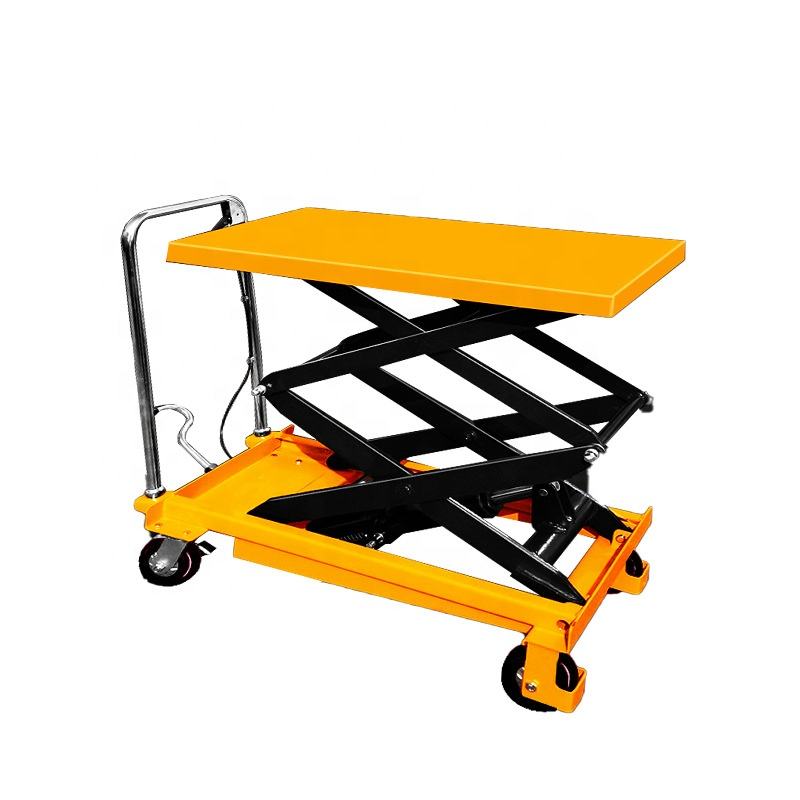
· Scissor lift tables
· Hydraulic jacks
· Hand chain hoists
· Lever hoists
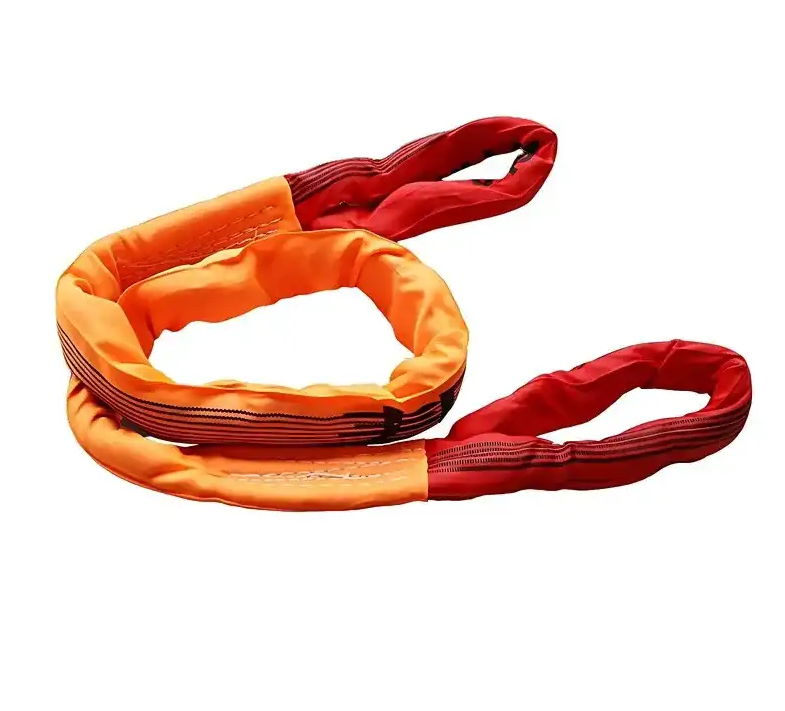
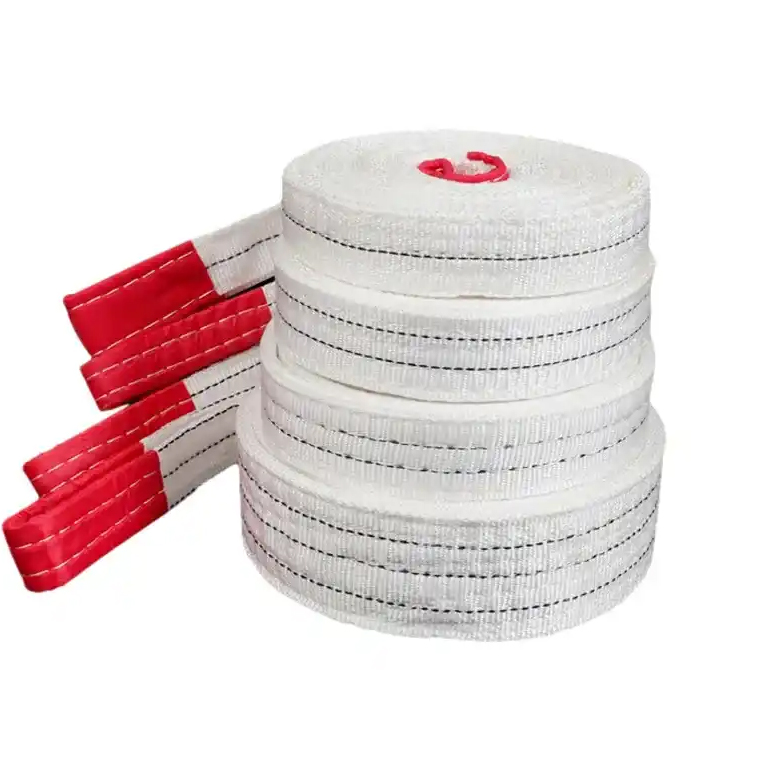
· Lifting slings and accessories
Offering several related product categories can help distributors serve different handling requirements. When evaluating a supplier, consider product consistency, documentation, spare parts, packaging, lead time, warranty support, and OEM or private-label options.
Warehouses are adopting more electric equipment, digital inventory systems, and automated storage solutions. These developments can improve productivity in high-volume facilities, but they do not eliminate the need for simpler equipment.
Manual stackers can remain useful for smaller sites, intermittent lifting, backup handling, and cost-sensitive operations. Businesses with mixed workloads may use manual stackers for occasional tasks and powered stackers for repetitive or intensive work.
The most suitable solution is the one that matches the actual load, lifting height, workflow, safety requirements, and total cost of ownership—not necessarily the most technologically advanced option.
A Manual Stacker is a practical option for lifting and positioning palletized goods in warehouses, factories, workshops, and other industrial environments. Its manual hydraulic operation, relatively simple structure, and lack of a traction battery can make it suitable for intermittent handling and smaller workloads.
Before choosing a model, buyers should evaluate rated capacity, lifting height, fork dimensions, mast construction, hydraulic performance, wheel material, operating aisle, safety features, and service support. Specifications should always be confirmed for the exact model and intended application.
For distributors and wholesalers, manual stackers can complement pallet trucks and powered material handling equipment, helping build a more complete product portfolio for warehouse and industrial customers.
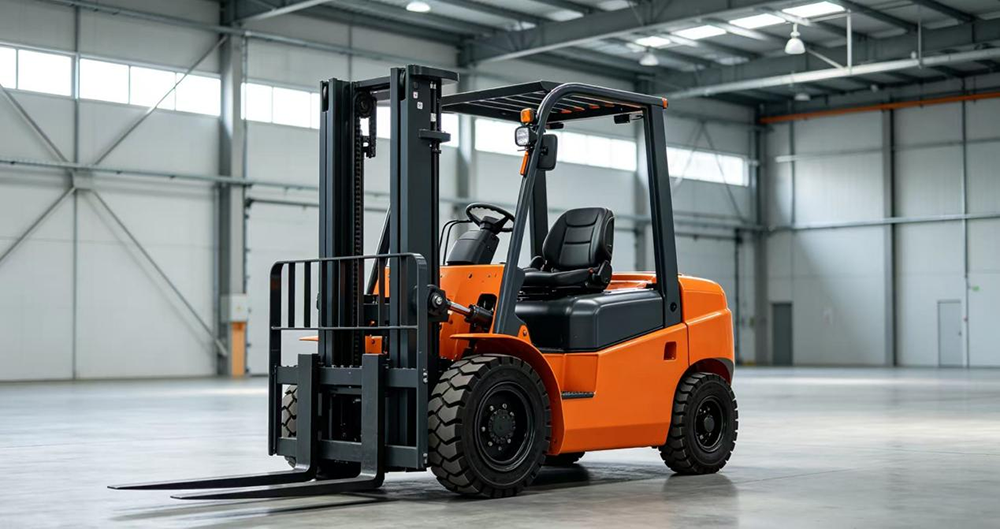
Modern warehouses, distribution centers, and manufacturing facilities need efficient ways to lift, move, and stack palletized goods. As businesses handle more products and work to optimize storage space, choosing the right material handling equipment becomes increasingly important.
2026-10-21View More →
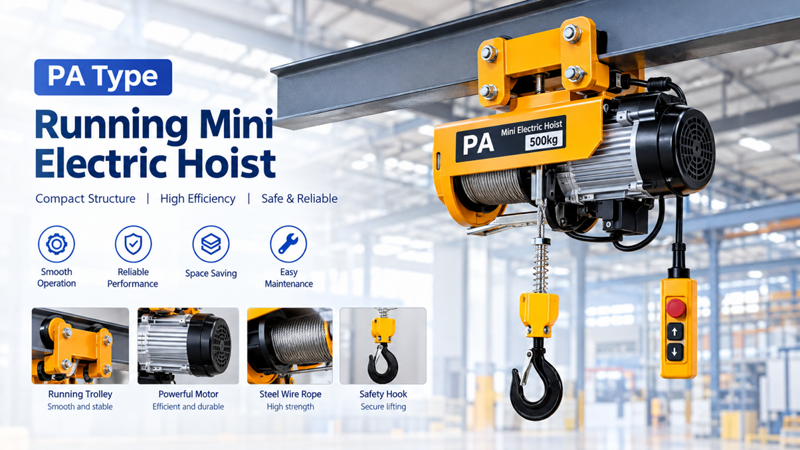
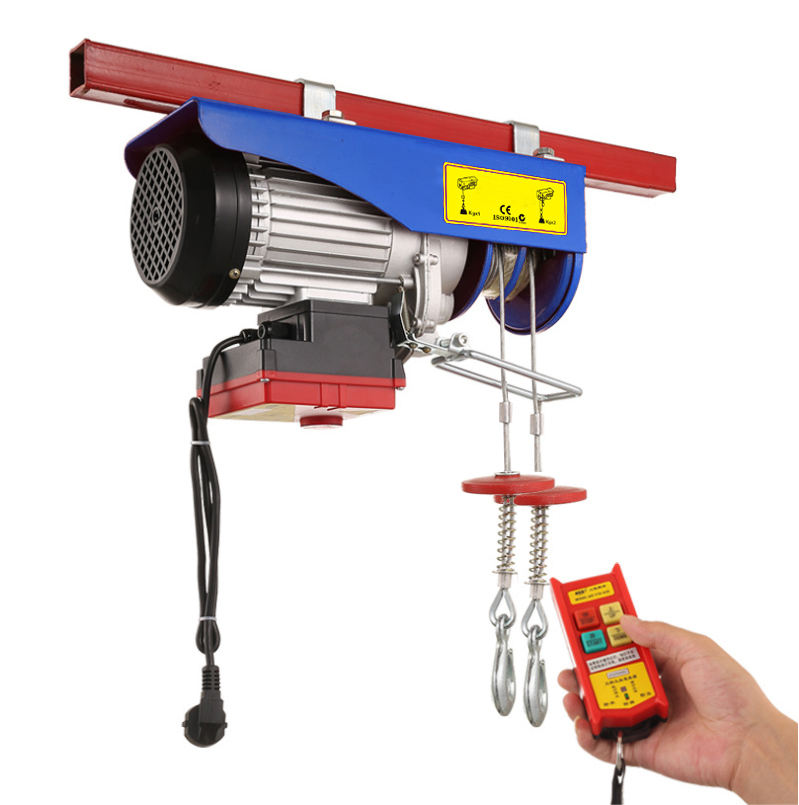
Learn about PA type running mini electric hoist, including key selection factors, typical applications, safety operation tips for small lifting jobs.
2026-10-20View More →
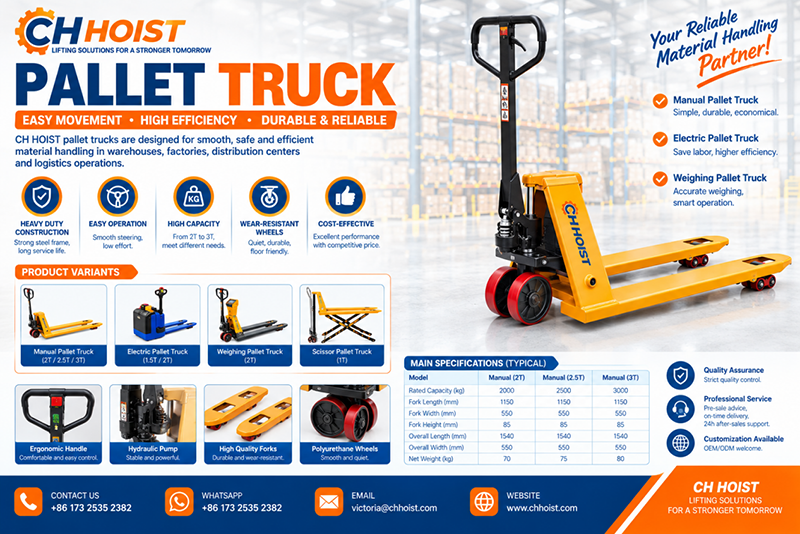
A pallet truck, also known as a pallet jack or pallet trolley, is one of the most practical tools for transporting palletized materials over short distances. Compared with moving goods manually, pallet trucks help reduce physical effort, improve workflow, and make warehouse operations more efficient.
2026-10-19View More →


 Tel:
+8613653129869
 Whatsapp:
+8613653129869
 Email:
chuanghehoist@gmail.com
 Address:Donglu Village, Donglu Township, Qingyuan District, Baoding City, Hebei Province

 English
 Français
 Español

 Email
 +8613653129869
 +8613653129869

 Home
 Whatsapp
 chuanghehoist@gmail.com