Mini Electric Hoists: The Smart Lifting Solution for Home Workshops, Garages, and Small Construction Projects
In recent years,
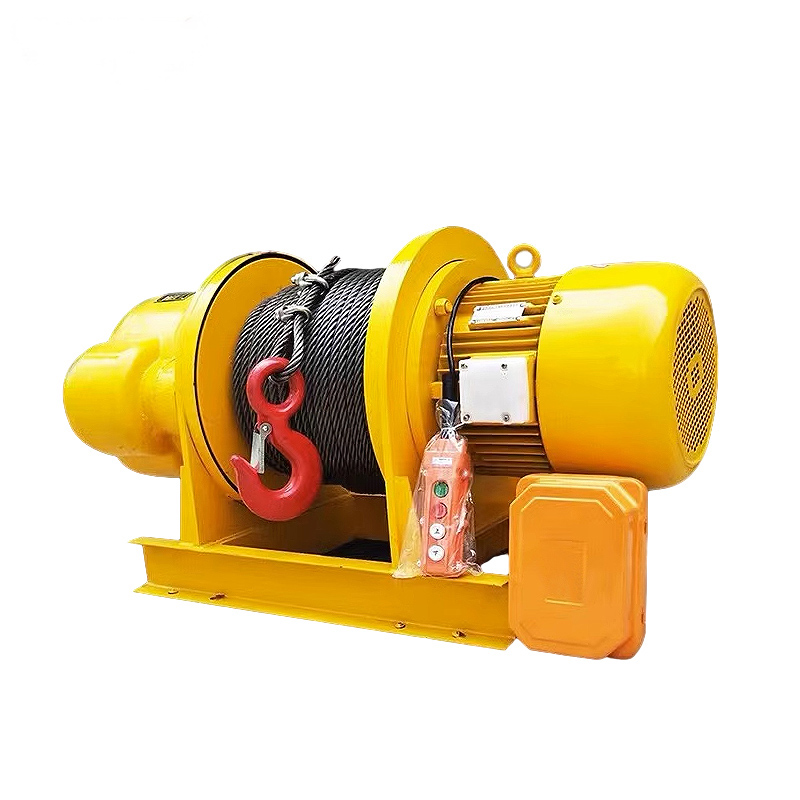
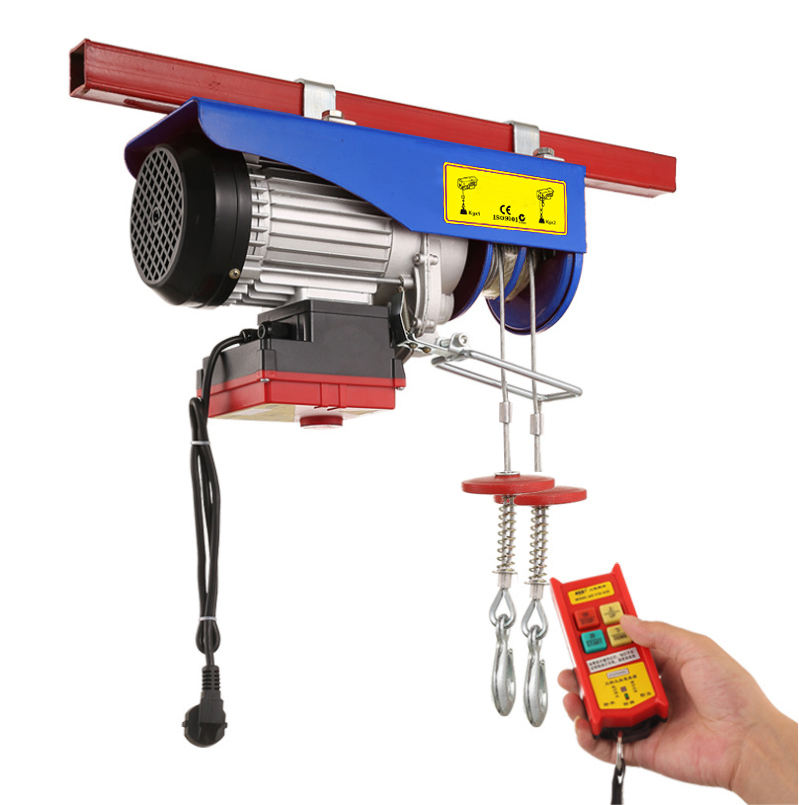
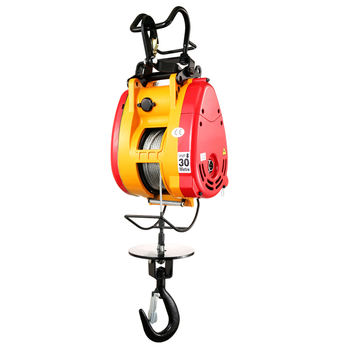
mini electric hoists have become one of the most practical lifting tools for homeowners, mechanics, warehouse operators, and small construction teams. Their compact structure, easy installation, and affordable price make them ideal for lifting engines, heavy tools, building materials, generators, motorcycles, and workshop equipment without requiring large industrial cranes.
From home garages to renovation sites, portable electric hoists are changing the way people handle heavy lifting tasks. But with so many models available on the market, many buyers still ask the same questions:
· Which mini hoist is best for a home workshop?
· What lifting capacity should I choose?
· Are portable electric hoists durable enough for daily use?
· How safe are ceiling-mounted mini hoists?
· Where can users find real independent reviews?
This guide explores everything buyers should know before purchasing a compact electric lifting device.
Why Mini Electric Hoists Are Becoming More Popular
Traditional manual lifting equipment requires significant physical effort and often needs multiple people to complete a lifting task safely. Mini electric hoists solve this problem by providing efficient electric lifting in a compact form.
Unlike large industrial overhead cranes, mini hoists are designed for smaller spaces and lighter lifting requirements. Most models can be installed in garages, workshops, farms, warehouses, and even mobile construction setups.
Their popularity comes from several advantages:
· Compact and lightweight structure
· Easy installation
· Lower power consumption
· Affordable investment cost
· Portable operation
· Reduced labor intensity
· Improved lifting safety
For DIY users and small businesses, this makes mini electric hoists one of the most cost-effective material handling solutions available today.
Best Mini Hoist Models for Home Workshops
When choosing a mini hoist for workshop use, buyers usually focus on three key factors:
1. Lifting capacity
2.Durability
3.Ease of installation
Below are some of the most popular categories currently preferred by workshop users.
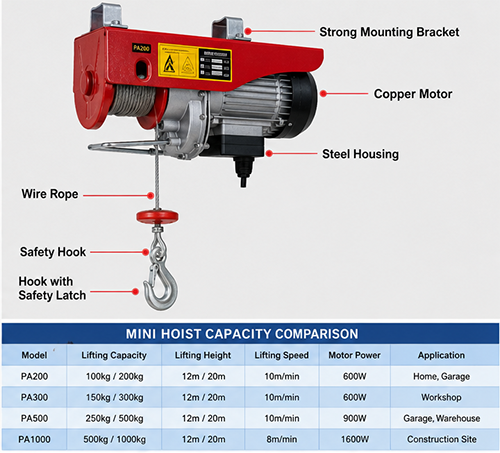
1. 200kg – 300kg Mini Electric Hoists
These are ideal for light-duty applications such as:
· Motorcycle parts
· Toolboxes
· Small engines
· Workshop machinery
· Air compressors
They are compact, quiet, and suitable for limited ceiling spaces.
Most home users prefer this category because it offers enough lifting power without excessive electricity consumption.
2. 500kg Mini Hoists
500kg electric hoists are considered the “best balance” for garage and workshop applications.
Typical uses include:
· Car engine lifting
· Steel material handling
· Woodworking equipment
· Small warehouse lifting
· Agricultural equipment maintenance
This category usually includes wireless remote control options and emergency stop functions.
3. 1000kg Portable Electric Hoists
For users handling heavier equipment or construction materials, 1000kg mini hoists provide stronger motors and higher durability.
They are commonly used on:
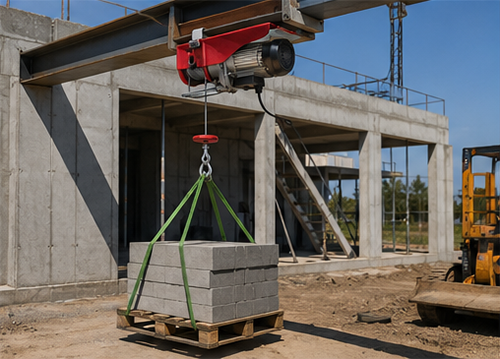
· Construction sites
· Steel fabrication workshops
· Small factories
· Equipment repair centers
Although larger than basic workshop models, they still maintain portable characteristics compared to industrial cranes.
Mini Hoist Reviews: Lifting Capacity vs Durability
Many buyers focus only on lifting capacity, but experienced users know durability is equally important.
A mini hoist with high capacity but weak internal components may fail quickly under continuous operation.
Below is a realistic comparison of what users should evaluate.
Feature | Why It Matters |
Copper Motor | Longer lifespan and better heat resistance |
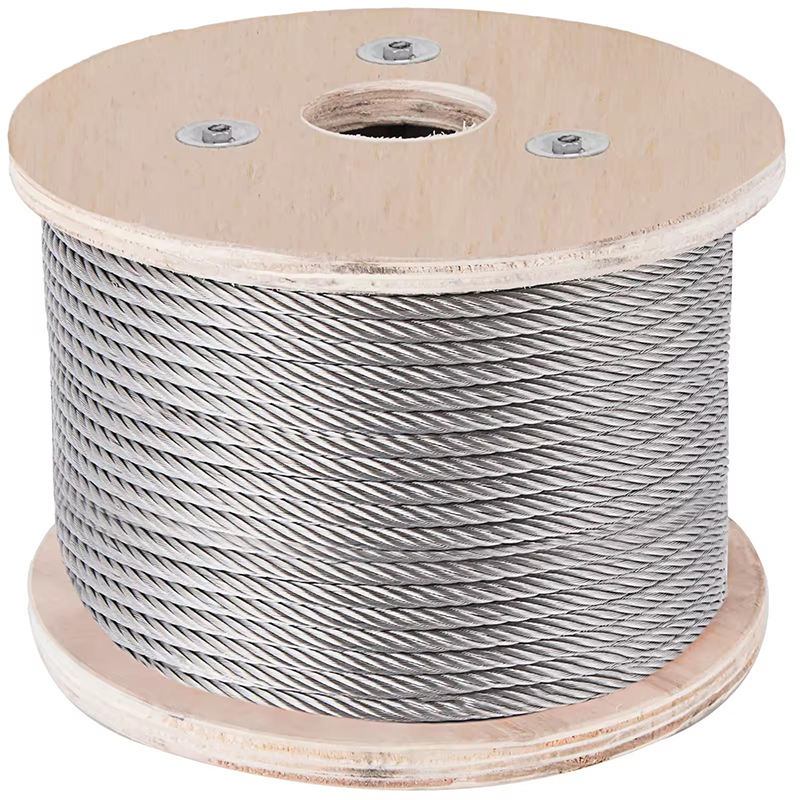
Steel Wire Rope | Improves safety and wear resistance |
Gearbox Quality | Reduces noise and increases durability |
Thermal Protection | Prevents motor overheating |
Duty Cycle Rating | Determines continuous operating time |
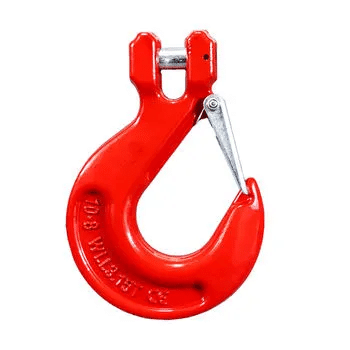
Hook Material | Affects lifting stability |
Braking System | Essential for operator safety |
Real-World User Feedback
Users often report that low-cost hoists can handle rated capacity initially, but performance decreases after several months of heavy usage.
Common problems include:
· Motor overheating
· Gear wear
· Wire rope fraying
· Brake instability
· Increased vibration
On the other hand, higher-quality mini hoists with pure copper motors and reinforced steel housings usually maintain stable performance for years when properly maintained.
This is why professional buyers pay close attention to motor quality instead of focusing only on price.
Top-Rated Portable Mini Hoists for Construction Sites
Construction environments require hoists that are:
· Portable
· Durable
· Weather-resistant
· Easy to relocate
·Safe for repeated lifting
Portable mini hoists are now widely used for:
· Roofing projects
· Interior renovation
· Window installation
· Material transportation
· Scaffold lifting support
What Construction Teams Usually Prefer
High-Speed Lifting
Fast lifting speed improves project efficiency and reduces labor costs.
Compact Body Design
Smaller hoists are easier to transport between floors and temporary work areas.
Remote Control Operation
Wireless operation improves safety and allows operators to maintain safe distance from suspended loads.
Reinforced Housing
Construction sites expose equipment to dust, vibration, and impact, making reinforced steel structures extremely important.
How to Safely Install a Ceiling-Mounted Mini Hoist
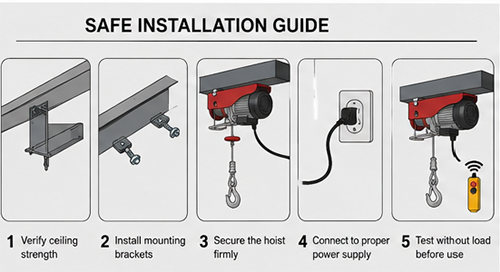
Proper installation is one of the most important factors affecting lifting safety.
Even the best mini electric hoist can become dangerous if mounted incorrectly.
Below are the key safety recommendations professional installers follow.
1. Verify Ceiling Strength
Never install a hoist directly onto weak wooden beams or unsupported ceiling structures.
The mounting point must support:
· Hoist weight
· Maximum lifting load
· Dynamic movement force
Professional installers usually recommend steel beams or reinforced concrete structures.
2. Use Proper Mounting Brackets
Always use manufacturer-approved mounting brackets and hardware.
Cheap or incompatible mounting accessories may loosen over time and create serious safety risks.
3. Maintain Correct Power Supply
Mini hoists typically operate on:
·110V
· 220V
Voltage instability can damage motors and reduce lifting efficiency.
Dedicated electrical protection is strongly recommended.
4. Check Wire Rope Alignment
Incorrect rope alignment can cause:
· Uneven lifting
· Rope wear
· Pulley damage
· Load instability
The wire rope should move smoothly without twisting or friction.
5. Test Without Full Load First
Before lifting heavy objects, operators should perform multiple low-load tests to verify:
· Brake function
· Motor response
· Remote control operation
· Hook stability
This step is often ignored but is essential for preventing accidents.
Compact Lifting Devices for Home Garage Use
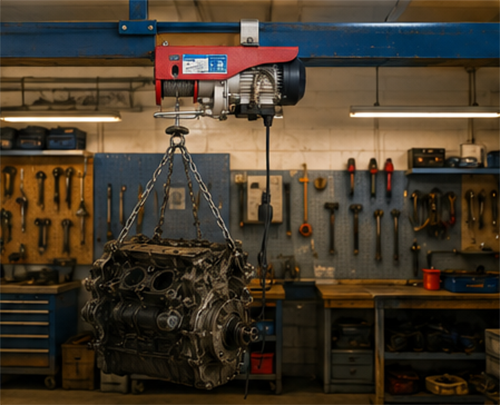
Home garage users are one of the fastest-growing customer groups for mini electric hoists.
Many car enthusiasts and DIY mechanics now install ceiling-mounted hoists for:
· Engine removal
· Tire handling
· Heavy toolbox movement
· ATV lifting
· Motorcycle maintenance
Compared with hydraulic lifting systems, mini electric hoists require less floor space and are easier to install.
Important Buying Considerations for Garage Users
Ceiling Height
Low garage ceilings require compact hoist designs with minimal headroom requirements.
Noise Level
Quiet operation becomes important in residential environments.
Remote Control Distance
Longer remote-control range improves convenience during vehicle repairs.
Safety Features
Essential features include:
· Emergency stop button
· Automatic brake system
· Overload protection
· Limit switch protection
Where to Find Independent Reviews for Portable Electric Hoists
Many buyers struggle to identify trustworthy reviews because some online platforms contain overly promotional content.
For more reliable information, buyers usually compare feedback from:
· Professional tool forums
· Workshop communities
· Construction equipment discussions
· Video demonstrations
· Verified customer reviews
Independent reviews are especially useful for understanding:
· Real lifting performance
· Noise levels
· Long-term durability
· Installation difficulty
· Maintenance requirements
Watching actual lifting demonstrations can also help buyers evaluate operational stability before purchasing.
Maintenance Tips to Extend Hoist Lifespan
Even high-quality mini hoists require regular maintenance.
Simple maintenance routines can significantly increase service life.
Recommended Maintenance Checklist
Weekly Inspection
· Check wire rope wear
· Inspect hooks
· Test brake system
Monthly Maintenance
· Lubricate moving parts
· Tighten bolts
· Inspect electrical cables
Long-Term Care
· Avoid overload lifting
· Store in dry environment
· Replace worn ropes immediately
Neglecting maintenance is one of the main reasons mini hoists fail prematurely.
Future Trends in Mini Electric Hoists
The mini hoist industry is evolving rapidly.
Manufacturers are now developing:
· Smarter wireless control systems
· Lightweight aluminum housings
· Brushless motors
· Energy-saving technology
· Enhanced overload protection
· Quieter operation systems
As demand continues growing in home workshops and small construction projects, compact electric lifting devices are expected to become even more versatile and user-friendly.
Final Thoughts
Mini electric hoists are no longer just simple lifting tools. They have become essential equipment for workshops, garages, warehouses, farms, and construction sites.
Choosing the right model requires balancing:
· Lifting capacity
· Durability
· Installation safety
· Motor quality
· Operational convenience
For long-term performance, buyers should prioritize reliability and safety instead of selecting products based only on price.
Whether for professional use or DIY projects, a high-quality portable mini hoist can dramatically improve work efficiency while reducing physical strain and lifting risks.



 Click:2124
Edit: Chuanghe Hoisting
Click:2124
Edit: Chuanghe Hoisting Time:2026-05-14 15:04:09


 Tel:
+8613653129869
Tel:
+8613653129869 Whatsapp:
+8613653129869
Whatsapp:
+8613653129869 Email:
chuanghehoist@gmail.com
Email:
chuanghehoist@gmail.com Address:Donglu Village, Donglu Township, Qingyuan District, Baoding City, Hebei Province
 English
 Français
 Español

 Email
Email +8613653129869
 +8613653129869
 Home
Home Whatsapp
 chuanghehoist@gmail.com