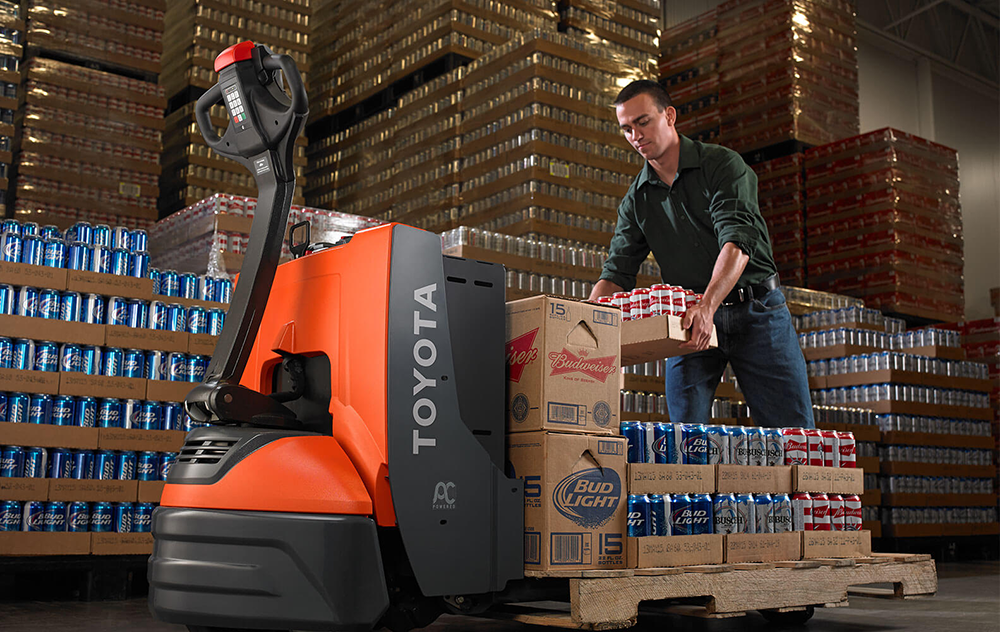
Walk into almost any warehouse today and you will see electric pallet trucks moving pallets from one place to another. They are not the most impressive machines on the floor, but they are easily among the most useful.
Many warehouses used to rely heavily on manual pallet jacks. They still do in some smaller facilities, but once the workload increases, manual equipment quickly becomes inefficient. Moving heavy pallets repeatedly across a warehouse is not only slow, it is also exhausting for operators.
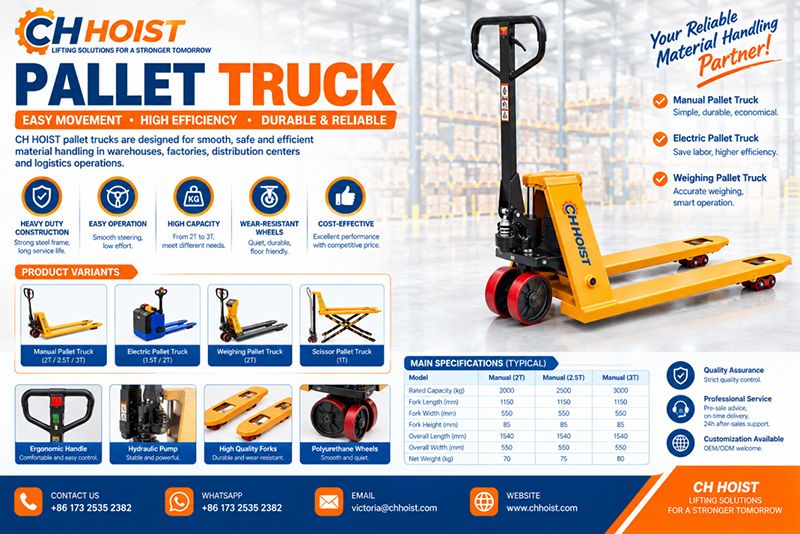
Electric pallet trucks solve this problem in a very practical way. They are compact, relatively affordable compared with forklifts, and easy to integrate into existing operations. That is why many warehouse managers see them as the first upgrade when improving internal logistics.
However, not all electric pallet trucks are the same. Safety systems, battery types, operating style, and overall build quality can vary quite a bit between models. Before purchasing equipment, it is worth understanding what actually matters in daily warehouse use.
Electric Pallet Trucks in Daily Warehouse Work
In a busy warehouse, pallets rarely stay in one place for long. Goods arrive at the loading dock, move into storage areas, and later travel again to shipping zones.
Electric pallet trucks make these movements far easier.
Instead of pulling or pushing heavy loads manually, the operator simply controls the truck with a handle. The motor does the hard work. Over the course of a long shift, this difference becomes very noticeable.
Most warehouses use pallet trucks for tasks such as:
Loading and unloading trucks
Moving pallets between storage areas
Replenishing picking zones
Transporting materials within production facilities
They may look simple, but when hundreds of pallets need to move every day, these machines become essential.
Safety Features That Actually Matter
Safety features often appear as a list in product brochures, but in real warehouse environments a few of them are particularly important.
Emergency Reverse Button
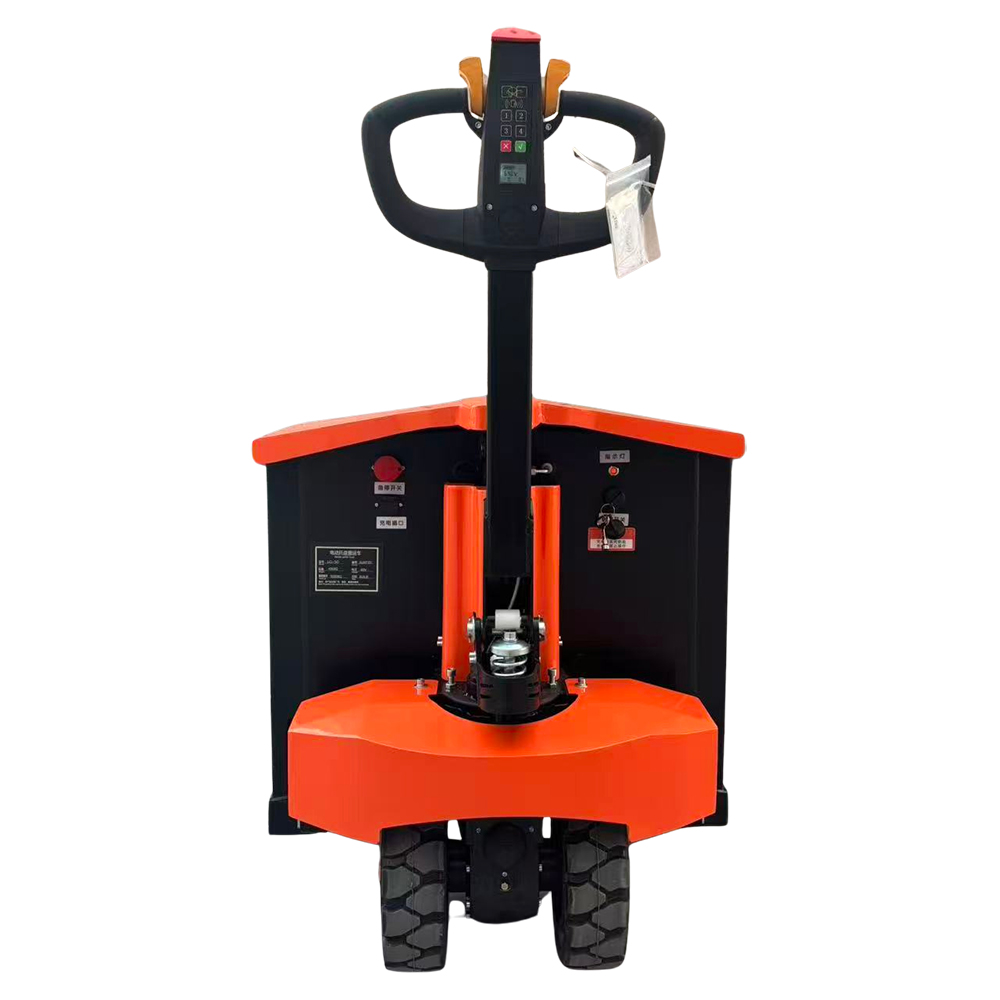
One of the most useful safety features is the emergency reverse button located on the end of the control handle.
If the operator is accidentally pushed against a wall or rack, pressing this button forces the pallet truck to move backward immediately. In tight warehouse aisles, this feature can prevent serious injuries.
Automatic Braking
Most electric pallet trucks stop automatically when the operator releases the handle. This braking system is simple but extremely effective. Without it, even a small delay in stopping could cause collisions with shelves or equipment.
Speed Control
Warehouses are rarely open spaces. There are shelves, workers, forklifts, and narrow aisles everywhere. Being able to control travel speed makes it much easier to operate safely.
Many pallet trucks include a slow-speed mode that helps when positioning pallets precisely.
Stability and Load Balance
Good pallet truck design is not only about lifting power. Stability is equally important. A low center of gravity and strong fork structure help prevent pallets from shifting or tipping during transport.
Different Types of Electric Pallet Trucks
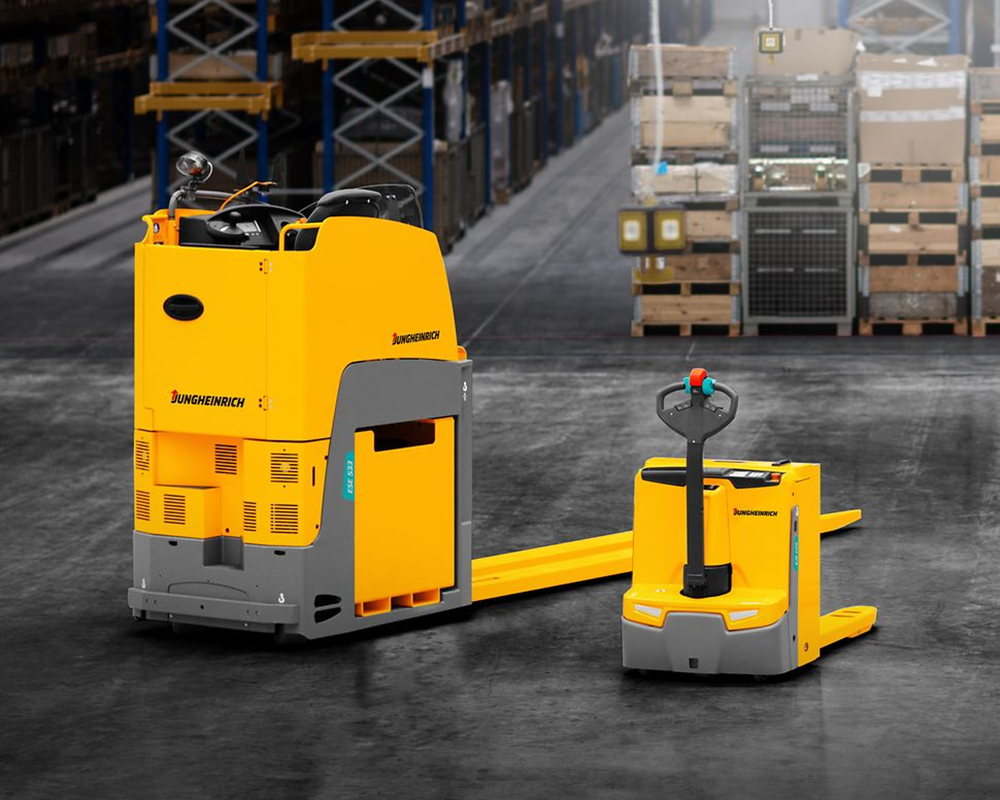
One of the most common mistakes buyers make is assuming all pallet trucks are the same. In reality, there are several different types, each designed for specific working conditions.
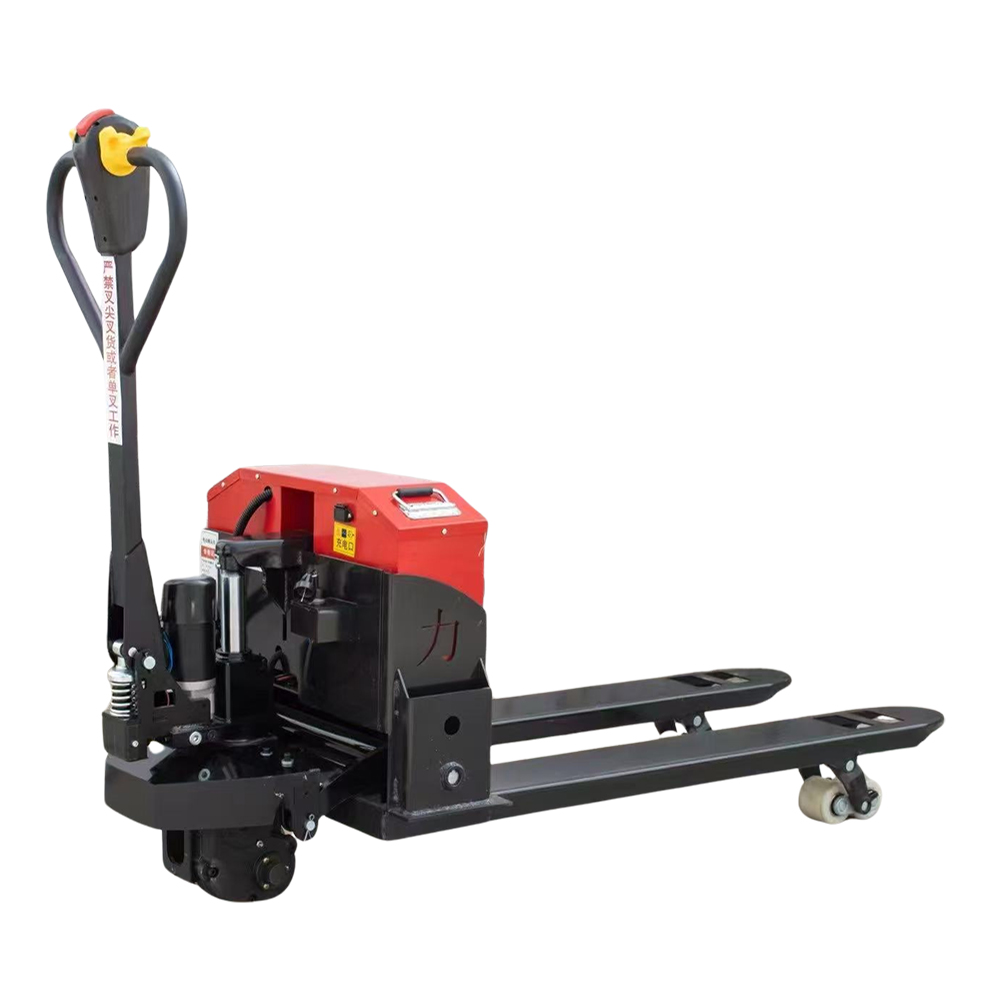
Walkie Electric Pallet Truck
The walkie pallet truck is the model most warehouses start with.
The operator walks behind the machine while controlling it with the tiller handle. These trucks are compact, easy to maneuver, and well suited for warehouses with limited space.
Typical lifting capacity ranges from 1500 kg to 2500 kg, which is more than enough for most palletized goods.
For small and medium-sized warehouses, this type of pallet truck usually covers most daily tasks.
Ride-On Electric Pallet Truck
In larger warehouses, operators may need to move pallets over longer distances. Walking behind a pallet truck all day quickly becomes tiring.
This is where ride-on pallet trucks come in. They include a small platform that allows the operator to stand while driving.
The difference may seem small, but in large distribution centers it can significantly improve efficiency.
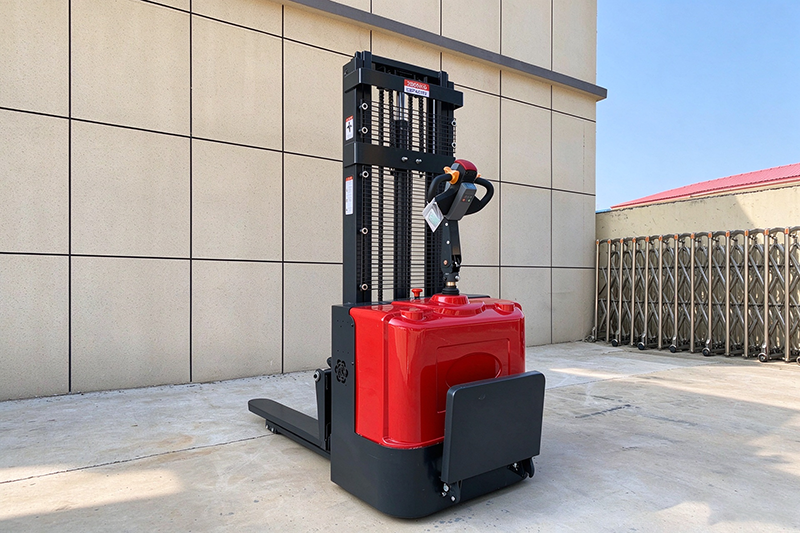
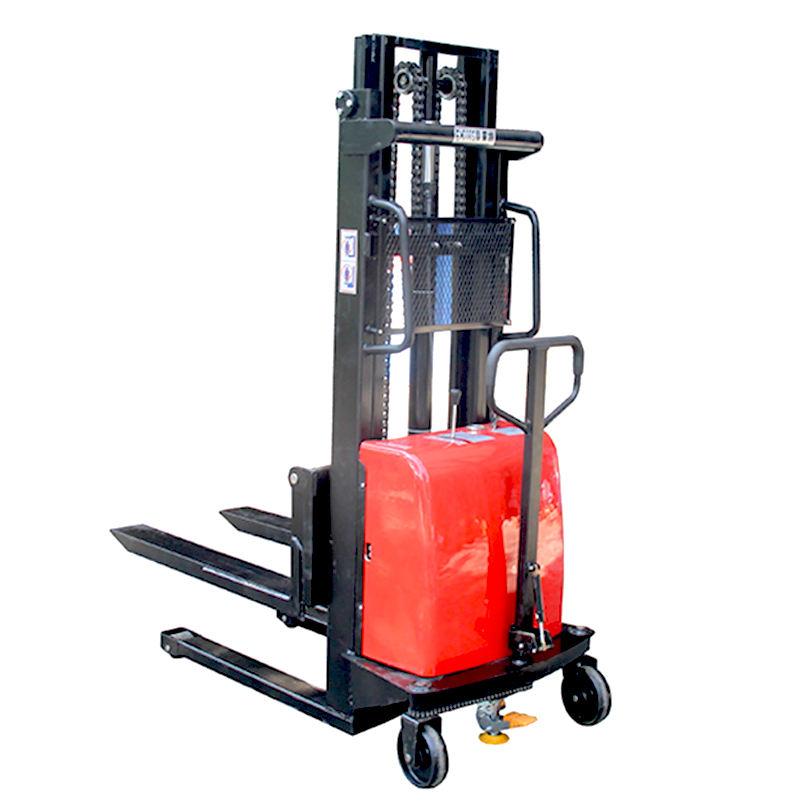
Electric Walkie Stackers
Some warehouses also use electric walkie stackers.
Unlike pallet trucks, these machines can lift pallets to higher shelves. They are often used in facilities where goods need to be stacked vertically rather than simply transported across the floor.
Battery Life: What to Expect
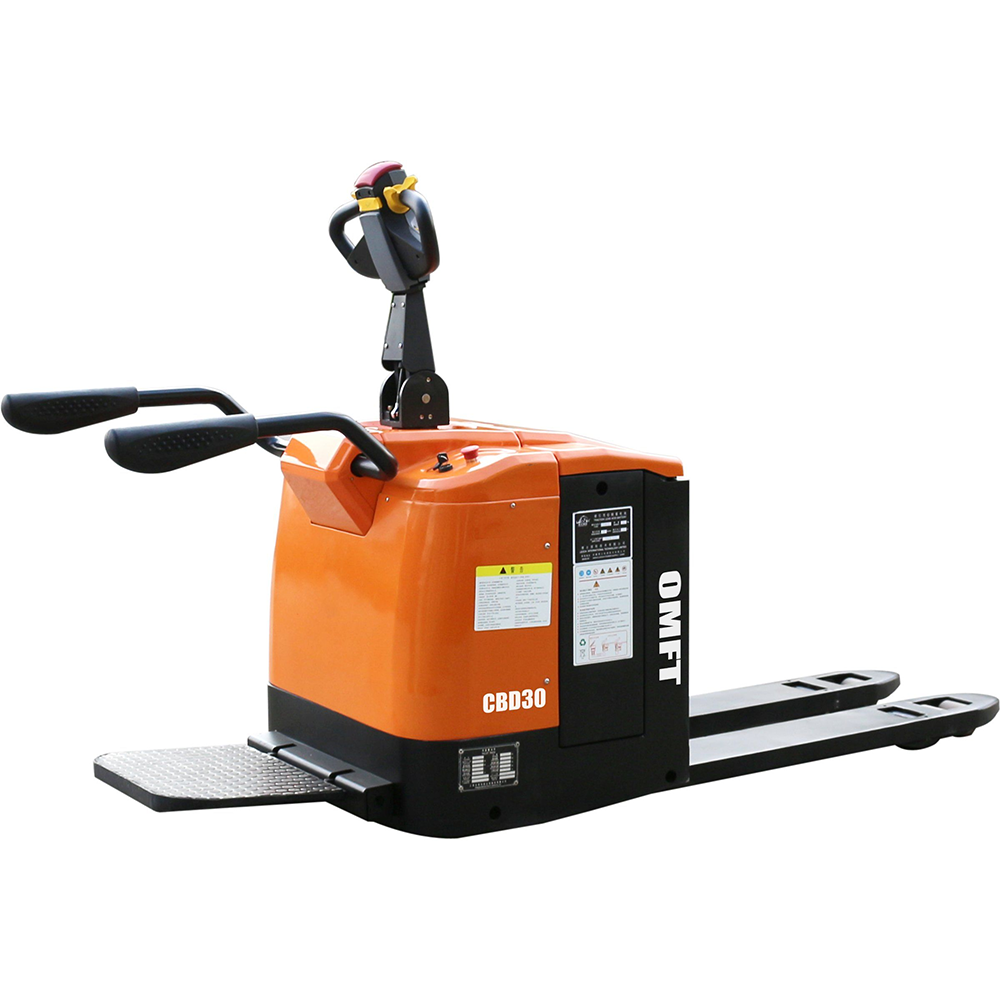
Battery performance is one of the first things warehouse managers ask about.
Most electric pallet trucks use either
lead-acid batteries or
lithium-ion batteries.
Lead-acid batteries have been used for decades. They are reliable and relatively inexpensive, but they require regular maintenance. Operators usually need to recharge them for several hours and check water levels periodically.
Lithium batteries are becoming more common in newer models. They charge faster and require almost no maintenance. In busy warehouses where equipment runs continuously, this can make a noticeable difference.
In general, most electric pallet trucks can operate
between 6 and 12 hours per charge, depending on workload and battery type.
How Much Does an Electric Pallet Truck Cost?
Price is another question buyers often ask early in the decision process.
Entry-level electric pallet trucks typically cost somewhere between $800 and $1,800. These models are suitable for light warehouse work.
Mid-range machines used in most warehouses usually fall between $1,800 and $3,500, depending on features and battery configuration.
Larger ride-on pallet trucks designed for heavy-duty logistics operations can cost $3,500 to $6,000 or more.
Of course, the purchase price is only part of the picture. Maintenance, spare parts availability, and long-term durability are equally important factors.
Final Thoughts
Electric pallet trucks may not be the most complex machines in a warehouse, but they are among the most useful.
When chosen carefully, they can improve workflow efficiency, reduce physical strain on workers, and make daily warehouse operations smoother.
For most businesses, the key is not simply buying the cheapest model available, but choosing equipment that fits the actual working environment.
A reliable pallet truck that operates smoothly day after day will always be more valuable than one that only looks good on paper.



 Click:1474
Edit: Chuanghe Hoisting
Click:1474
Edit: Chuanghe Hoisting Time:2026-03-16 14:06:55


 Tel:
+8613653129869
Tel:
+8613653129869 Whatsapp:
+8613653129869
Whatsapp:
+8613653129869 Email:
chuanghehoist@gmail.com
Email:
chuanghehoist@gmail.com Address:Donglu Village, Donglu Township, Qingyuan District, Baoding City, Hebei Province
 English
 Français
 Español



 Email
Email +8613653129869
 +8613653129869
 Home
Home Whatsapp
 chuanghehoist@gmail.com