If you spend enough time around lifting jobs, you start to notice a pattern. Big machines get attention, but small tools solve problems. A crane may lift the load, but when something doesn’t line up, when space is tight, or when there’s no room for error, someone reaches for a lever hoist.
I’ve seen this happen on construction sites, inside workshops, and during equipment installation overseas. The job slows down, people look at each other, and then someone brings out a lever hoist. Work continues.
This article is not written from theory alone. It’s based on how these tools are actually used, how they fail, and what buyers really care about after using them for months, not just after receiving them.
What a Lever Hoist Really Is (Beyond the Definition)
On paper, a
lever hoist is a manual lifting and pulling device with a ratchet handle. That’s correct, but it doesn’t explain why it matters.
In practice, a lever hoist is a
control tool.
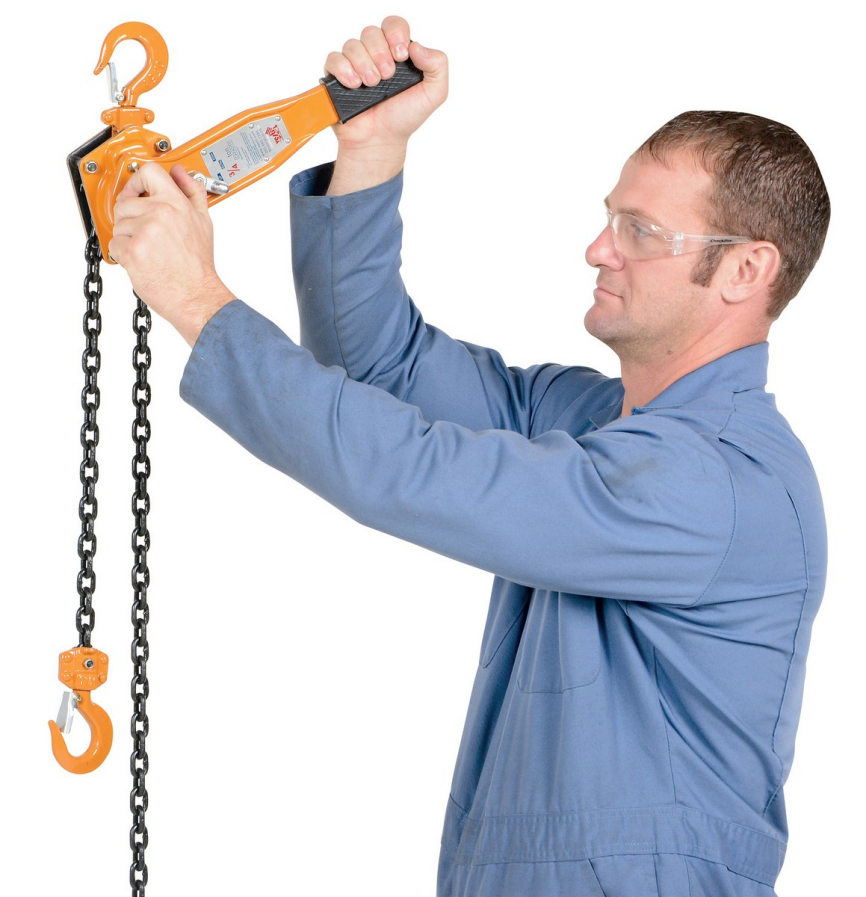
It allows the operator to:
· Move a load slowly and precisely
· Hold that position without slipping
· Adjust alignment without needing extra equipment
This is why it shows up in installation work more than in pure lifting tasks.
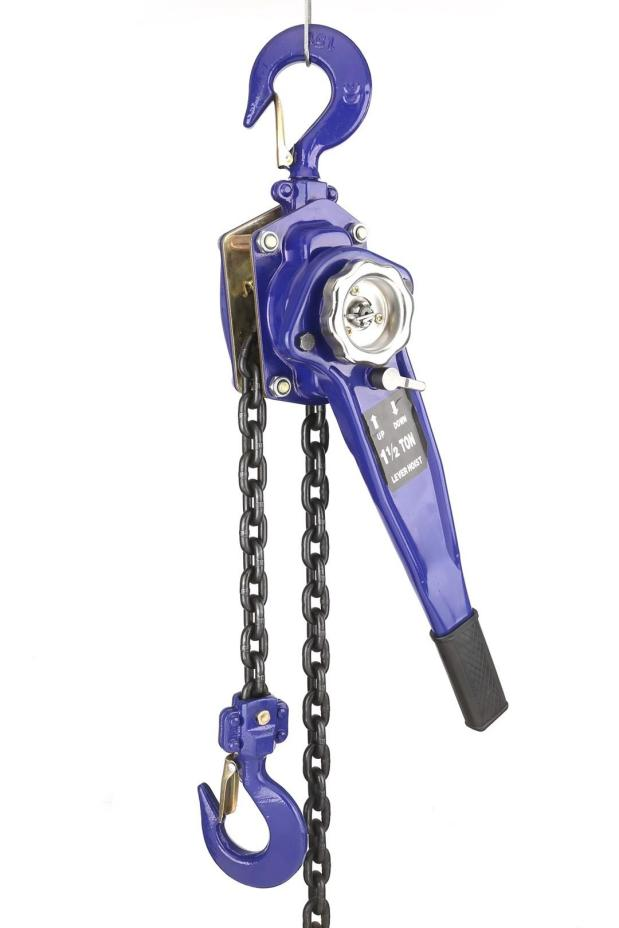
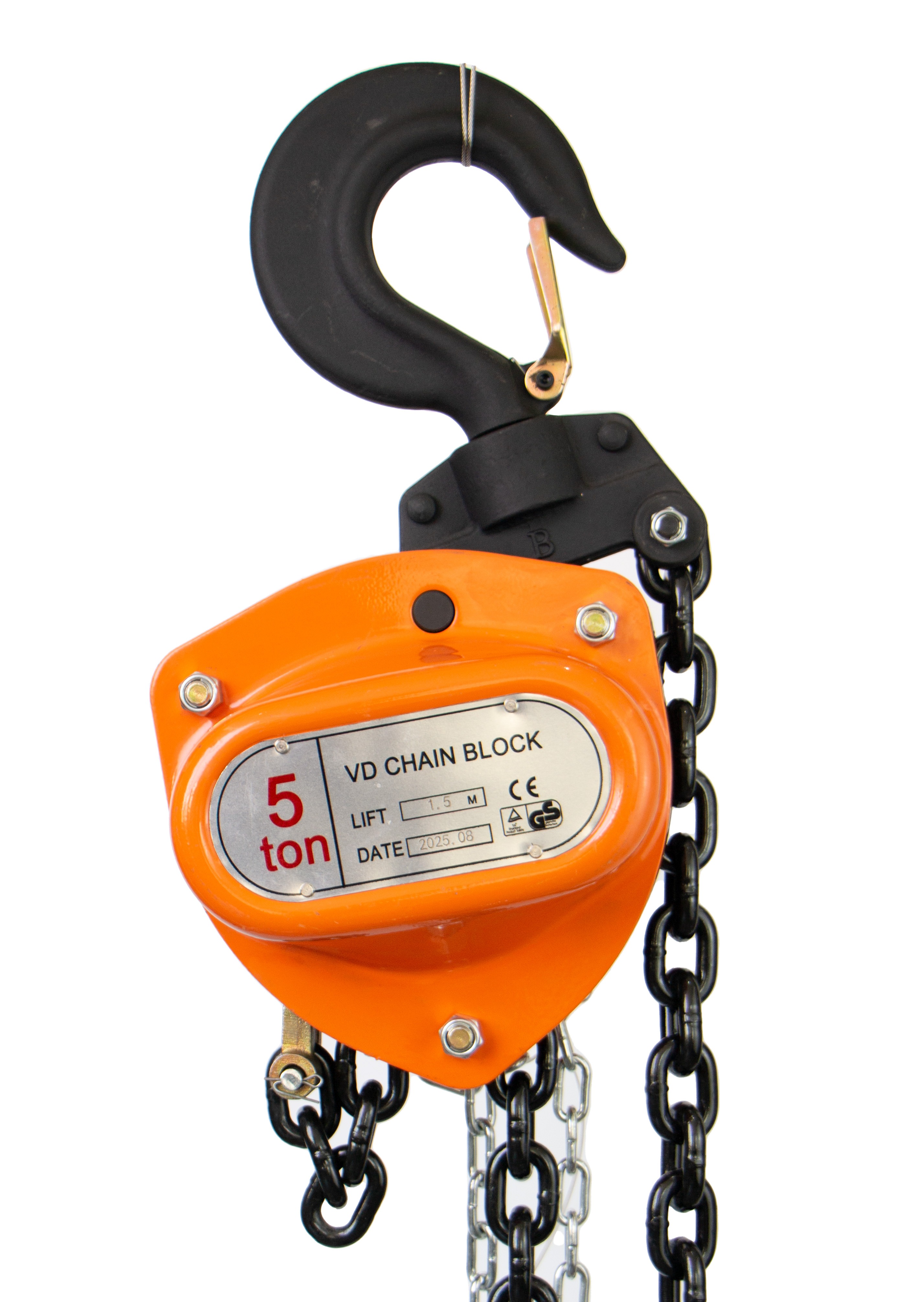
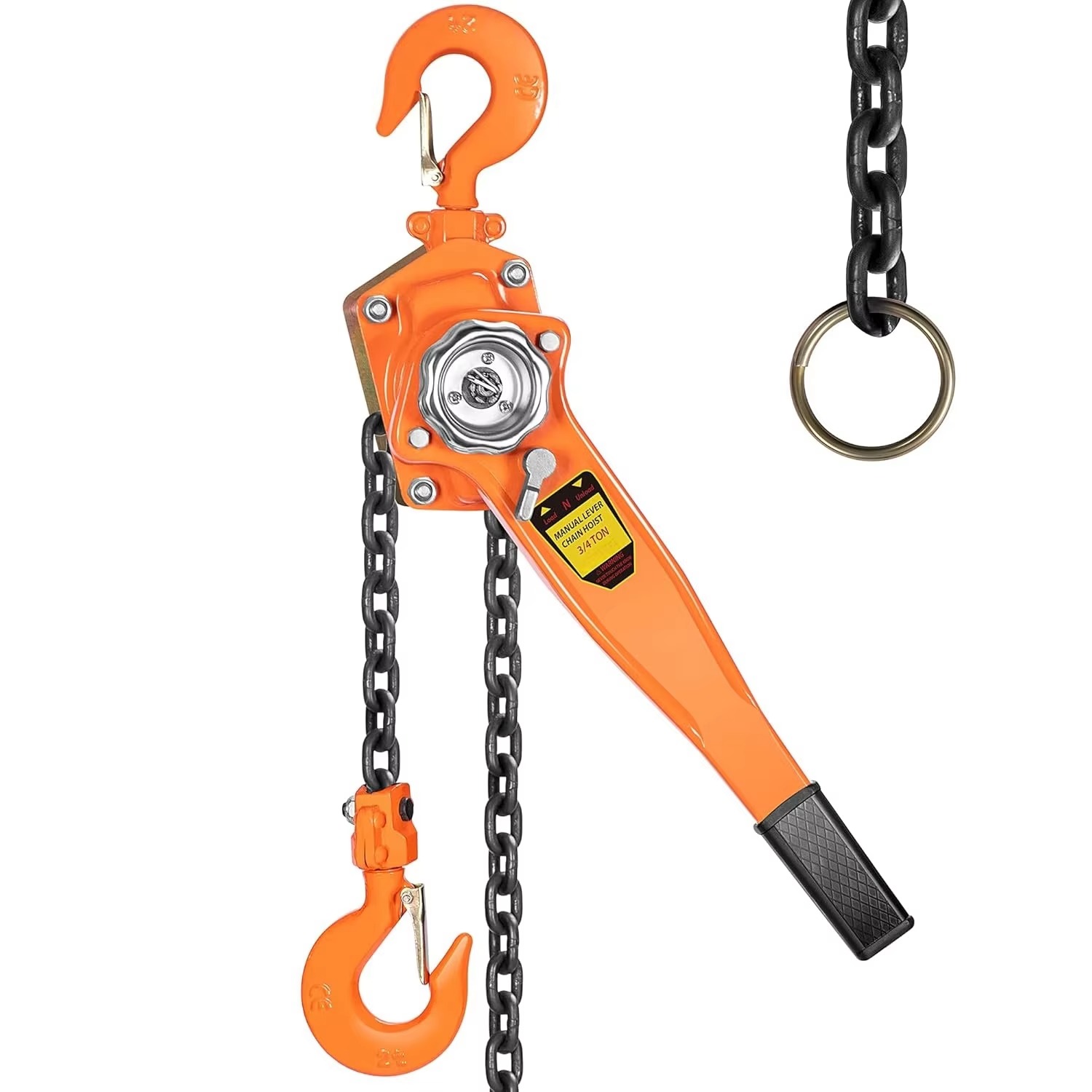
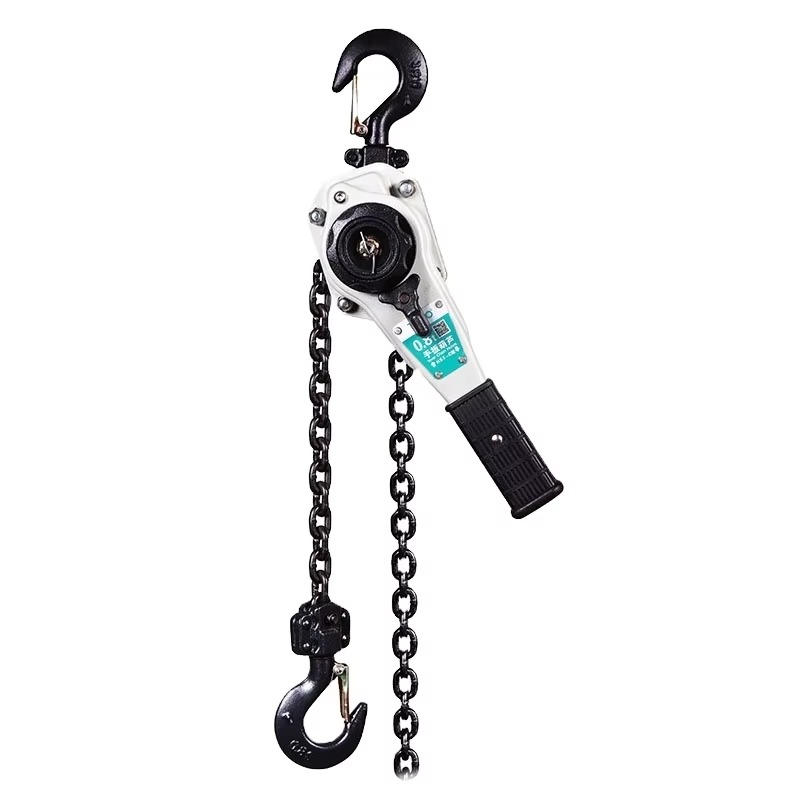
The structure itself is simple:
· Hooks at both ends
· A load chain running through the body
· A compact gear system
· A ratcheting handle
· A brake that locks automatically
Nothing about it looks complicated. But the performance depends heavily on how well these parts are made and how they work together.
A good lever hoist feels smooth and predictable. A poor one feels stiff, uneven, or unreliable under load. Experienced users can tell the difference within minutes.
Inside the Mechanism: Why It Feels Different From Other Tools
What makes a
lever hoist unique is the way force is transferred.
Each movement of the handle does three things at once:
1.Engages the gear system
2.Moves the chain slightly
3.Locks the position through the brake
There is no “free movement” under load. Everything happens in controlled steps.
This step-by-step motion is exactly why it is used for positioning. You don’t overshoot. You don’t lose control. You move, stop, check, and adjust again.
Another detail that often gets overlooked is the brake quality. In cheaper models, the brake may hold, but not smoothly. In better models, the engagement is consistent, and the operator feels confident applying load without hesitation.
That difference matters more than most people expect.
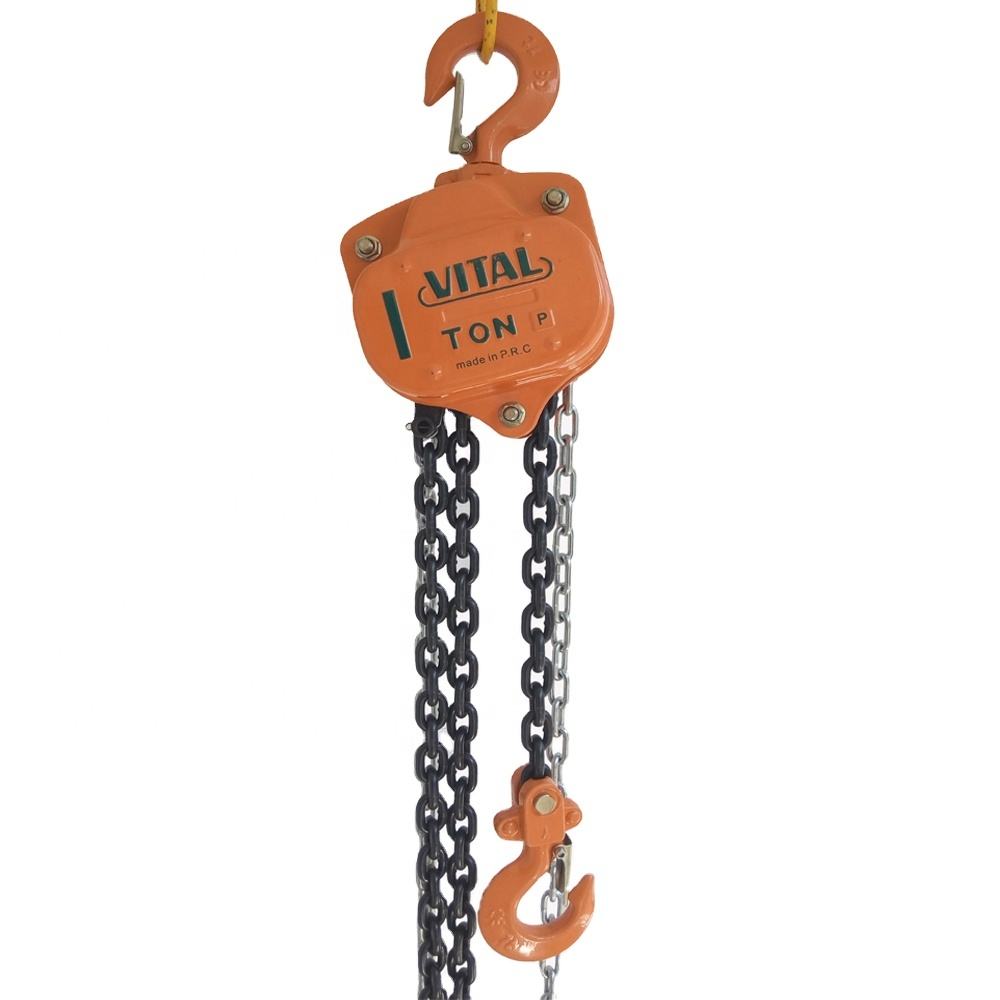
Lever Hoist vs Chain Hoist: The Difference You Only Notice on Site
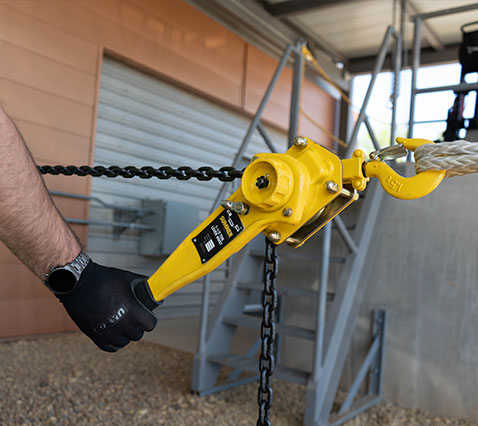
In catalogs, the comparison is simple. In real work, it’s more nuanced.
A chain hoist is efficient when everything is ideal:
· Load directly below the lifting point
· Enough vertical clearance
· Repetitive lifting tasks
In those conditions, a chain hoist saves time.
But job sites are rarely ideal.
A lever hoist becomes necessary when:
· The pulling direction is not vertical
· The load needs to be shifted sideways
· The working space limits movement
· The operator needs precise control
For example, when installing steel structures, lifting the beam is only half the job. Getting it into the exact position is the real challenge. That’s where the lever hoist comes in.
It’s not replacing the chain hoist. It’s completing the job.
Types of Hoists and Where They Fit
Understanding the broader category helps explain why lever hoists are still widely used.
Manual Hoists
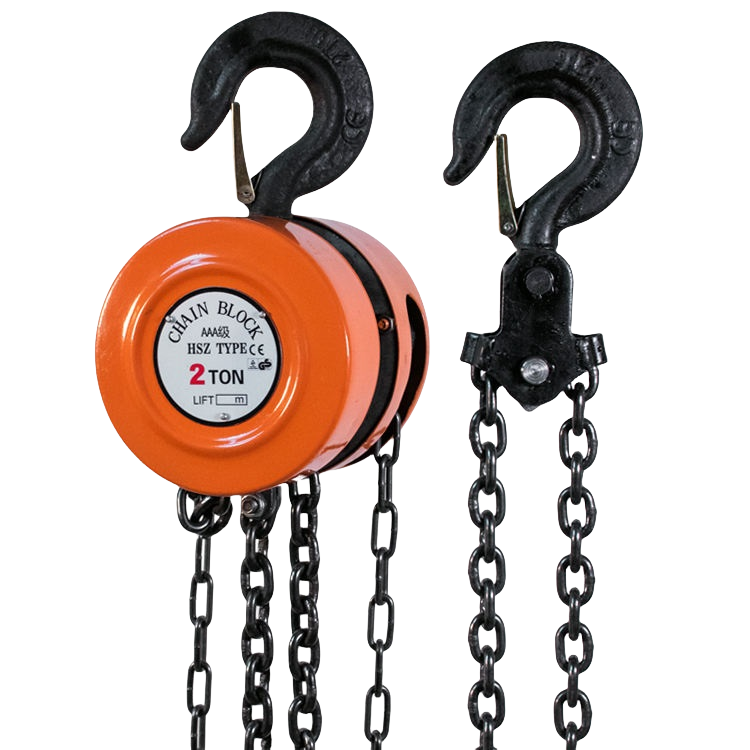
These include lever hoists and hand chain hoists.
They are still relevant because:
· They don’t depend on power
· They are easy to transport
· They work in unpredictable environments
In remote areas or outdoor projects, this reliability is critical.
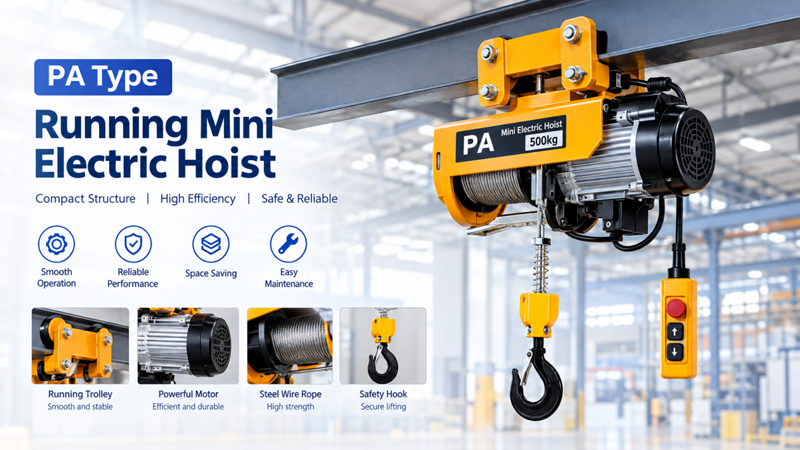
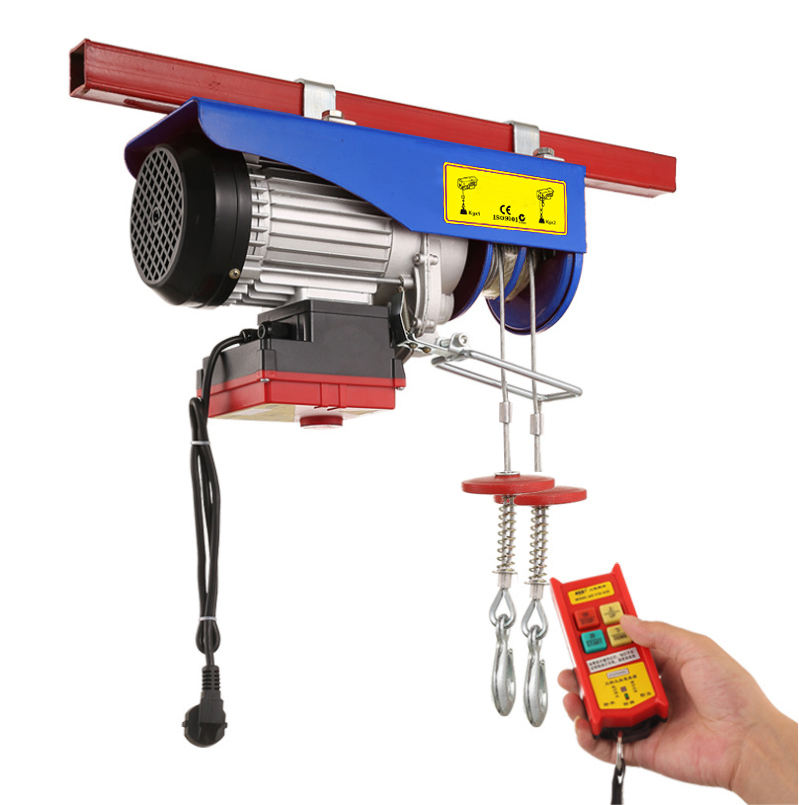
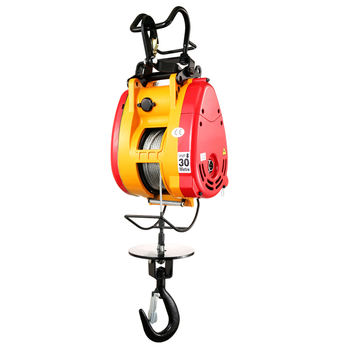
Electric Hoists
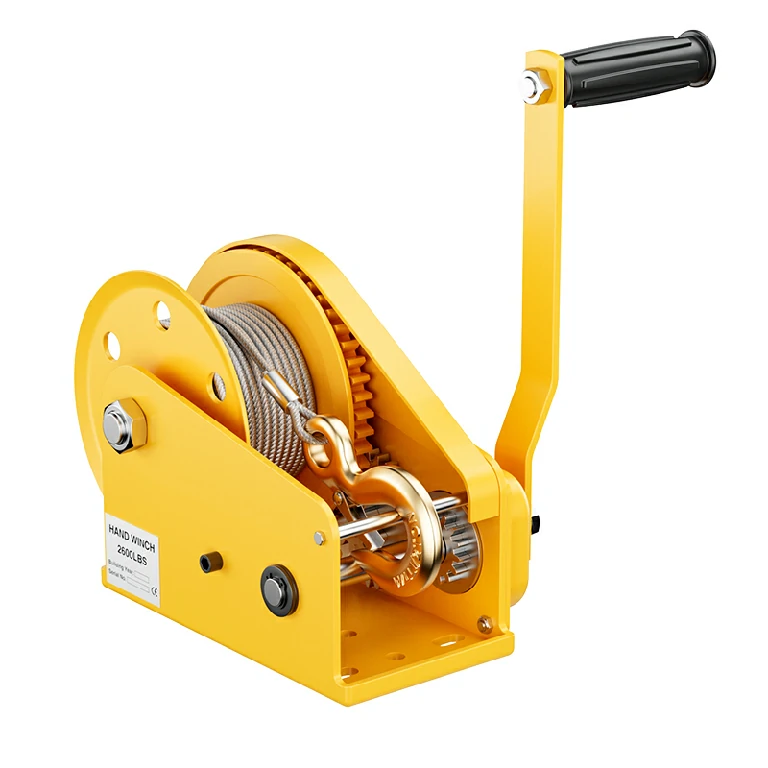
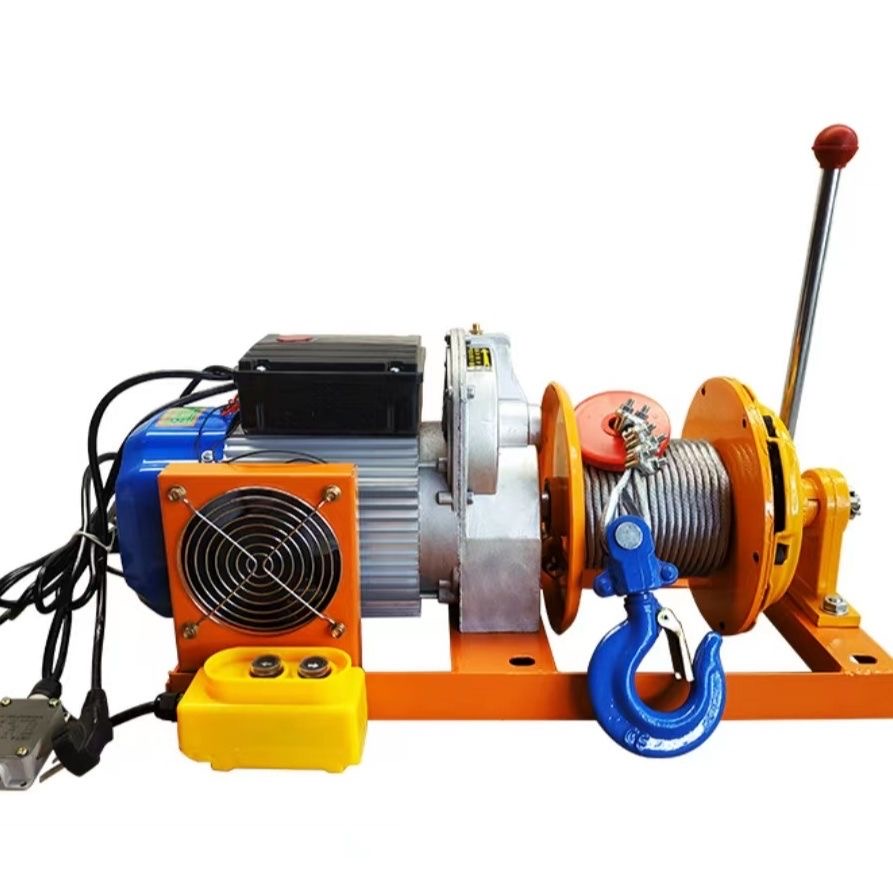
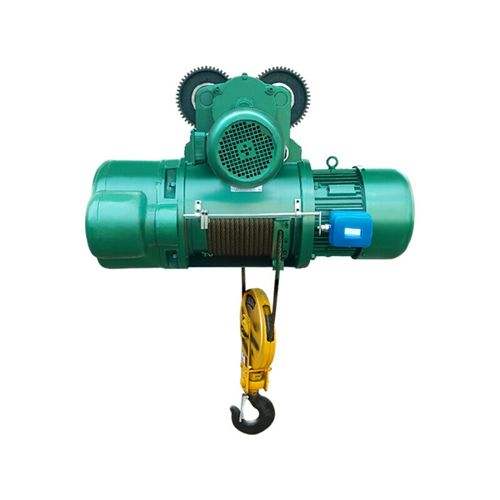
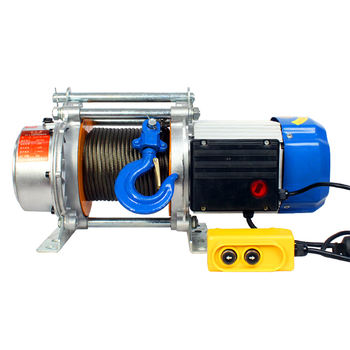
Electric hoists are built for efficiency and volume.
They are common in:
· Warehouses
· Production lines
· Fixed lifting stations
They reduce labor but are less flexible when conditions change.
Pneumatic Hoists
Used in specialized industries where safety is the priority.
They are common in:
· Oil facilities
· Chemical plants
They avoid electrical risks but require air systems, which limits their use.
Real Operation: What Actually Matters on the Job
Most manuals explain how to operate a lever hoist. But real usage adds more detail.
Inspection Is Not Optional
In theory, everyone checks equipment before use. In reality, this step is often rushed.
But problems usually start here:
· Slight chain deformation
· Worn hook latch
· Weak brake response
These small issues become serious under load.
Anchor Point Is Everything
The hoist itself is rarely the weakest part. The anchor point often is.
I’ve seen cases where:
· The beam was not rated for the load
· The connection point shifted under tension
· The angle caused uneven stress
No matter how good the hoist is, a poor anchor makes the system unsafe.
Smooth Operation Beats Force
A common mistake is trying to “power through” resistance.
A lever hoist is not designed for aggressive use. If it feels difficult to operate, something is wrong:
· Load may be too heavy
· Chain may be twisted
· Angle may be incorrect
Experienced operators stop and adjust instead of forcing it.
Lowering Requires the Same Attention
People tend to focus more when lifting than when lowering.
But lowering is where control matters most. A sudden release can:
· Shift the load
· Damage components
· Create safety risks
Controlled movement is key from start to finish.
Where Lever Hoists Prove Their Value
From actual export feedback and site usage, lever hoists are commonly used in:
· Steel structure alignment
· Bridge installation
· Pipeline positioning
· Equipment installation
· Ship repair work
· Power line maintenance
In many of these cases, there is no perfect working condition. Tools must adapt.
This is why lever hoists remain relevant despite the availability of more advanced equipment.
What Buyers Learn After Using Them
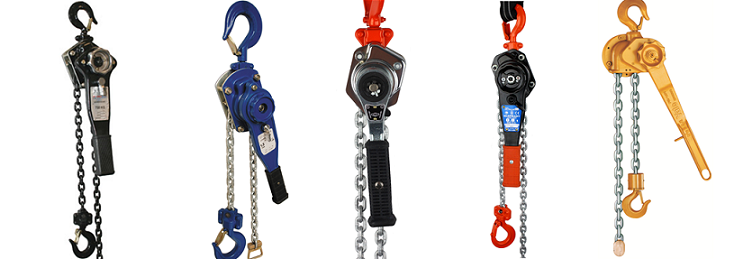
At the inquiry stage, buyers often focus on:
· Price
· Capacity
· Appearance
After using the product, their priorities change.
They start asking about:
· Brake reliability
· Chain durability
· Ease of operation
· Long-term performance
This shift is important. It shows that real value is not always visible at the beginning.
Common Problems Reported From the Market
From long-term cooperation with different markets, a few recurring issues appear:
· Chain wear due to poor material quality
· Brake slipping under load
· Gear wear after short-term use
· Corrosion in humid environments
These problems are rarely caused by design alone. Material quality and manufacturing consistency play a big role.
Choosing a Lever Hoist With Fewer Problems
When selecting a lever hoist, experienced buyers look beyond basic specifications.
They pay attention to:
· Internal gear quality
· Chain grade and treatment
· Brake system stability
· Overall assembly consistency
Certifications matter, especially for certain markets, but real performance matters everywhere.
A Note on Different Markets
Working with international customers shows clear differences:
· European clients focus heavily on compliance and documentation
· South American buyers balance cost with durability
· Southeast Asian markets prefer versatile, multi-use models
But across all regions, one expectation is the same: the product must work reliably in real conditions.
Final Thoughts
A
lever hoist is not impressive at first glance. It doesn’t look advanced, and it doesn’t promise speed.
But in actual work, it solves problems that other tools cannot handle easily.It works without power.
It adapts to difficult conditions.
It gives control where precision matters.
After enough time on site, most people come to the same conclusion:
you may not always need a lever hoist, but when you do, nothing else really replaces it.



 Click:1028
Edit: Chuanghe Hoisting
Click:1028
Edit: Chuanghe Hoisting Time:2026-03-26 10:24:11


 Tel:
+8613653129869
Tel:
+8613653129869 Whatsapp:
+8613653129869
Whatsapp:
+8613653129869 Email:
chuanghehoist@gmail.com
Email:
chuanghehoist@gmail.com Address:Donglu Village, Donglu Township, Qingyuan District, Baoding City, Hebei Province
 English
 Français
 Español



 Email
Email +8613653129869
 +8613653129869
 Home
Home Whatsapp
 chuanghehoist@gmail.com