Driven by the rapid expansion of global cross-border trade, explosive growth in e-commerce logistics, and the large-scale upgrading of smart manufacturing facilities worldwide, the material handling equipment industry has entered a critical period of comprehensive transformation and high-quality development in 2026. As the indispensable backbone of industrial logistics and supply chain operation, material handling equipment undertakes the core links of cargo storage, transportation, stacking, and sorting in factories, warehouses, ports, and logistics parks.
In recent years, traditional manual handling modes and fuel-powered mechanical equipment have been unable to meet the modern industry’s demands for high efficiency, low consumption, high safety, and intelligent management. Against this background, electric upgrading, digital intelligence iteration, green environmental protection optimization, and scenario-based customized design have become the four core development themes of the global material handling equipment market, completely reshaping the operation mode of modern warehouse and industrial logistics systems.
Complete material handling equipment systems cover a full range of products, including manual/
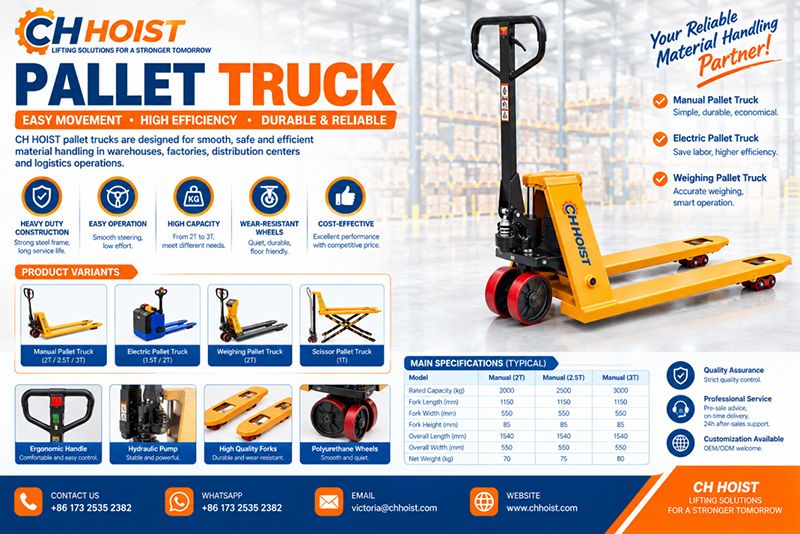
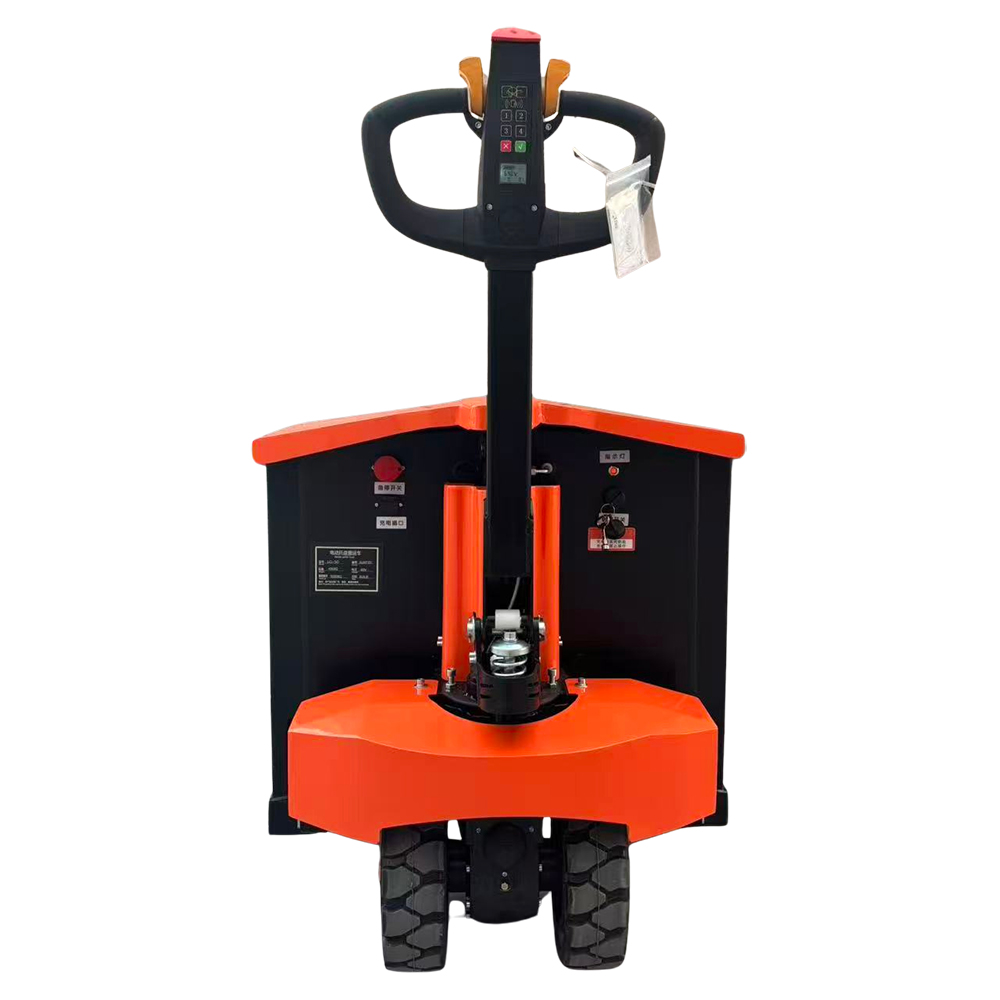
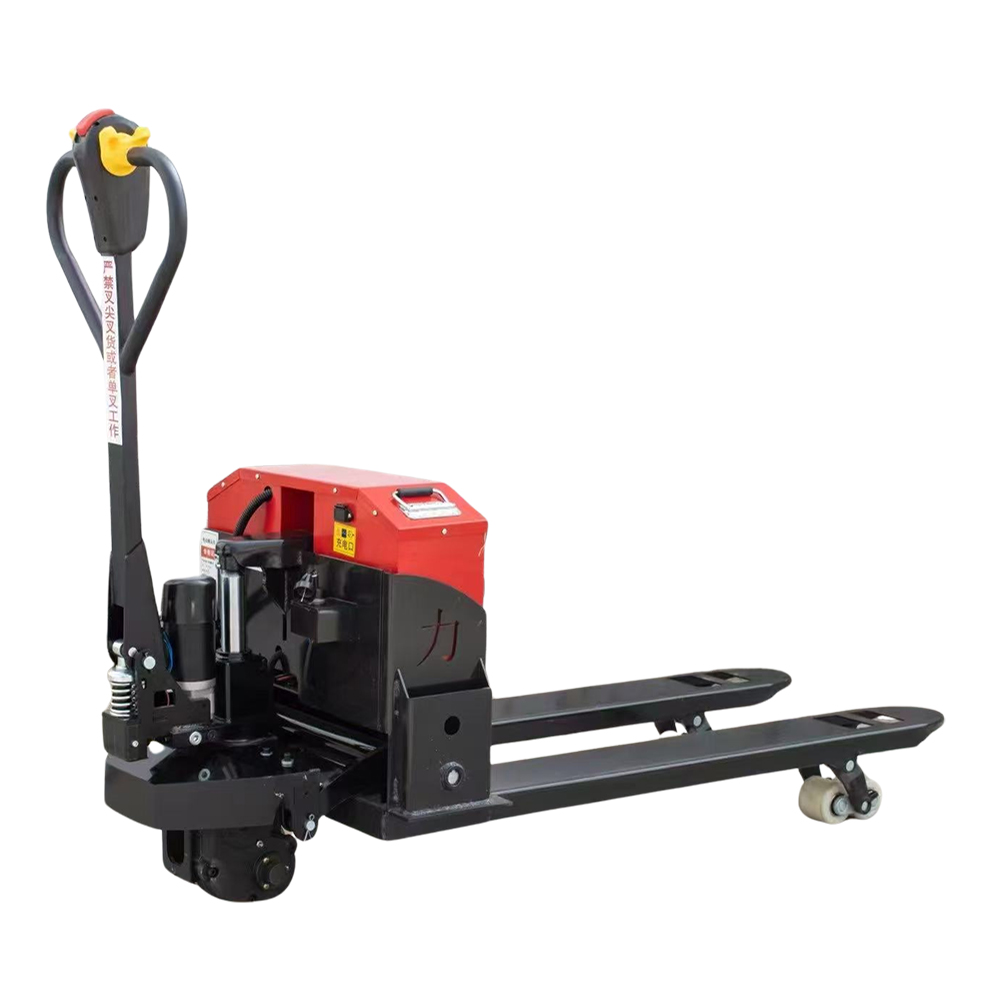
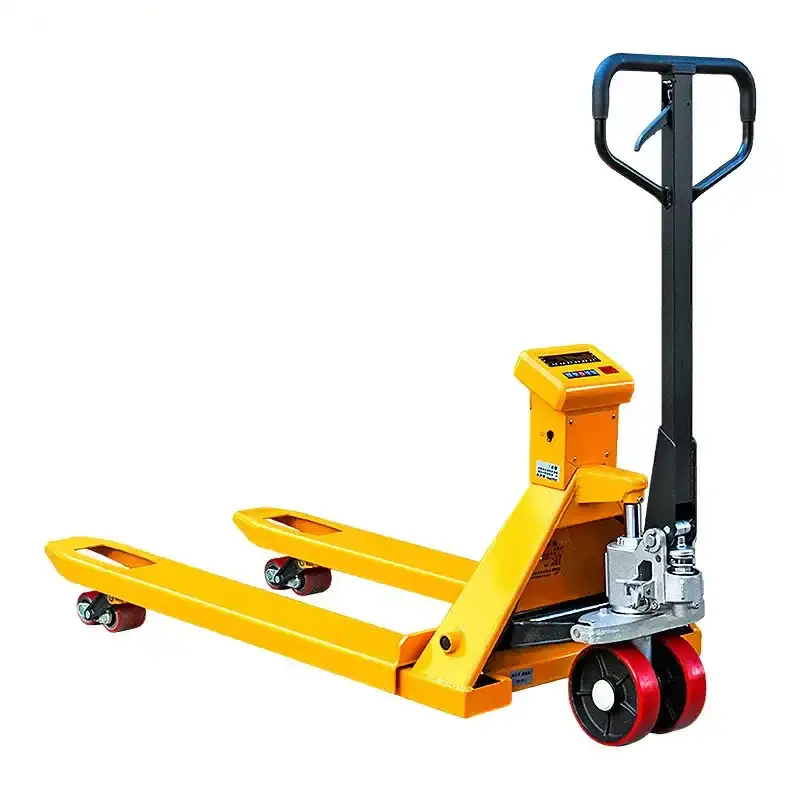
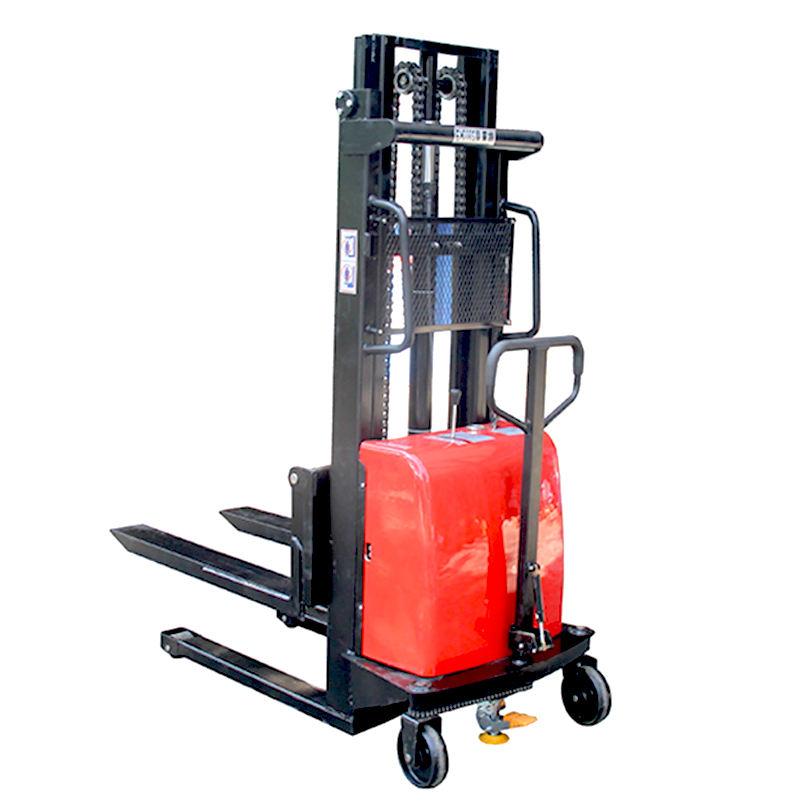
electric pallet trucks, hydraulic stackers, counterbalance forklifts, reach trucks, narrow-aisle stacking equipment, Automated Guided Vehicles (AGVs), Autonomous Mobile Robots (AMRs), as well as supporting intelligent warehousing accessories and fleet management systems. These equipment categories serve almost all industrial and commercial scenarios, including manufacturing processing, finished product warehousing, e-commerce sorting and distribution, cold chain storage, pharmaceutical logistics, port terminal cargo handling, and retail inventory management. According to the latest professional industry research report released by global logistics analysis institutions, the global material handling equipment market size is expected to exceed $185 billion in 2026, with a year-on-year growth rate of 8.7%. Notably, intelligent and electric handling equipment segments will achieve a double-digit growth rate, far exceeding the overall market growth level, and the market penetration rate of automated handling equipment will jump to 62% globally, marking the official arrival of the intelligent era of industrial logistics handling.
For a long time, the global logistics industry has been plagued by prominent pain points such as rising labor costs, insufficient skilled operators, low manual handling accuracy, high operational error rates, and poor equipment environmental adaptability. Traditional fuel-powered handling equipment has problems such as high fuel consumption, exhaust emissions, loud operating noise, and complex daily maintenance, which not only increase the comprehensive operating costs of enterprises but also fail to meet the increasingly strict global environmental protection policies and factory safety production standards. In contrast, the new generation of intelligent electric material handling equipment launched in 2026 effectively solves the above industry pain points through technological innovation and structural optimization, helping enterprises realize cost reduction, efficiency improvement, safety upgrade and green production transformation, and has become the first choice for enterprise logistics equipment renewal and capacity expansion worldwide.
Electrification Becomes Universal Industry Standard, Lithium Battery Technology Empowers Full-Scenario Application
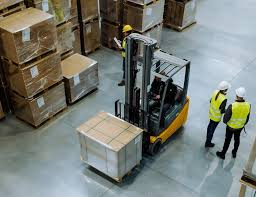
Electrification is the most fundamental and widespread transformation trend of the material handling equipment industry in 2026. After more than five years of continuous technological iteration and market verification, the new generation of lithium battery electric handling equipment has completely abandoned the shortcomings of early electric equipment such as short battery life, slow charging speed, insufficient load capacity, and poor low-temperature resistance. At present, electric pallet trucks, electric stackers, electric counterbalance forklifts, and narrow-aisle electric handling equipment have achieved full coverage of light, medium and heavy-load scenarios, and can stably adapt to various complex working environments such as high temperature, low temperature, dust, and narrow space.
Compared with traditional internal combustion forklifts and fuel-powered handling machinery, modern electric material handling equipment has obvious comprehensive advantages. In terms of environmental protection, the equipment realizes zero exhaust emissions during operation, with no harmful gas pollution, fully complying with the carbon neutrality goals and industrial green production standards implemented in Europe, North America, Australia, and most Asian countries. In terms of operation, the electric driving mode effectively reduces operating noise, creating a quieter and safer working environment for factory workshops and closed warehouses. In terms of cost control, electric equipment has fewer wearing parts, no need for engine oil replacement and complex pipeline maintenance, and the long-term maintenance cost is reduced by more than 45% compared with fuel equipment. Combined with the low unit cost of electric energy, the comprehensive operating cost of enterprises can be saved by 30% annually.
Industry application data shows that in 2026, the equipment renewal rate of European and American standardized warehouses has reached 92%, and almost all newly added handling equipment adopts pure electric lithium battery models. Benefiting from the breakthrough of fast-charging lithium battery technology, the latest electric handling equipment supports 1-hour fast full charge and 8-12 hours of long-lasting battery life, and is equipped with intelligent power management systems to avoid power waste and battery over-damage. It can realize 24-hour uninterrupted cyclic operation through battery replacement and peak charging, perfectly matching the high-intensity and uninterrupted operation needs of e-commerce omnichannel warehousing, cross-border logistics distribution centers, and automated production lines. In addition, for special scenarios such as cold chain warehouses and frozen food processing workshops, manufacturers have launched low-temperature resistant customized electric equipment, which can maintain stable power output and flexible operation in the environment of -20℃, greatly expanding the application boundary of electric handling equipment.
AI and Digital Intelligence Deeply Empower, Realize Full Automatic Precision Handling
With the popularization of industrial Internet and artificial intelligence technology, the material handling equipment industry has completed the transformation from simple mechanical electrification to intelligent digital operation in 2026. Traditional AGV equipment relies on fixed magnetic strips and QR code navigation, which has poor flexibility and cannot adapt to frequent warehouse layout adjustments and dynamic cargo changes. The new generation of AMR intelligent handling robots and upgraded electric handling equipment integrate AI visual recognition, laser SLAM navigation, real-time big data analysis and intelligent algorithm scheduling technology, realizing a comprehensive leap in autonomous operation capability.
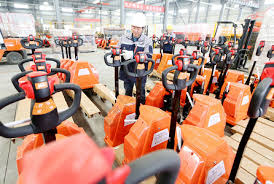
In actual warehouse operation scenarios, intelligent handling equipment can independently complete full-process unmanned operations such as cargo identification, material scanning, automatic picking, fixed-point stacking, and cross-area handling. The AI visual recognition system can accurately identify cargo size, weight, label information and placement status, automatically match the optimal handling mode, and dynamically avoid obstacles such as personnel, goods and equipment in the driving process. Even in complex dynamic scenarios where warehouse goods are frequently adjusted and channels are temporarily occupied, the equipment can independently plan and update the driving route to ensure the continuity and accuracy of handling operations.
The supporting intelligent fleet management system further realizes the digital and visualized full-life cycle management of handling equipment. Enterprises can remotely view real-time data such as equipment operating status, working hours, remaining power, operating track and handling volume through cloud terminals and mobile apps. The system can automatically identify equipment fault codes, predict component wear and maintenance cycles, and push maintenance reminders in advance, completely changing the traditional passive maintenance mode of equipment after failure. Industry data shows that the intelligent management system can reduce equipment failure rates by more than 35%, extend equipment service life by 20%, and improve overall warehouse handling efficiency by 30%-45%. It effectively solves the industry pain points of difficult personnel scheduling, low handling accuracy, high manual error rate and difficult equipment management under the background of global industrial labor shortage.
Upgrade of Safety Performance and Modular Design, Adapt to Diversified Complex Scenarios
With the continuous upgrading of global industrial safety production standards, safety performance has become the core assessment index of material handling equipment in 2026. Leading manufacturers in the industry have comprehensively upgraded the active safety protection system of equipment, and embedded intelligent anti-collision sensors, infrared pedestrian sensing modules, automatic overload protection devices, intelligent speed limit systems and emergency braking devices into the standard configuration of all electric and intelligent handling equipment. When the equipment detects obstacles, pedestrian crossing or overload operation, it will automatically decelerate and brake instantly to avoid safety accidents, realizing the upgrade from traditional passive safety compliance to active risk prevention, and fully meeting the strict safety inspection standards of modern factories and logistics enterprises.
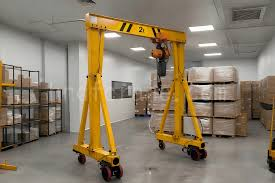
In terms of structural design, lightweight, modular and humanized design has become the mainstream trend of new equipment. The optimized body structure and high-strength alloy materials ensure the load-bearing stability of the equipment while reducing the body weight, making the equipment more flexible and convenient to operate. The modular design supports free combination and functional expansion of equipment accessories, which can meet the personalized transformation needs of different scenarios. For narrow-channel warehouses with a channel width of less than 2 meters, high-altitude stacking scenarios with a height of more than 10 meters, heavy-duty cargo handling of 1-5 tons, and dust-free and sterile workshops in the pharmaceutical and food industries, targeted customized equipment solutions can be provided to achieve perfect adaptation of equipment and scenarios.
At the same time, the industry’s service model has also undergone a fundamental change. The traditional single equipment sales model is gradually replaced by one-stop customized integrated logistics solutions. Excellent suppliers can provide full-process services including on-site demand survey, equipment model selection, personalized scheme design, intelligent system docking, equipment installation and commissioning, and later after-sales maintenance according to the actual warehouse scale, cargo characteristics and operation process of customers. This integrated service model helps manufacturing, logistics, pharmaceutical, food, retail and cross-border e-commerce enterprises quickly complete the intelligent upgrading of internal logistics systems, effectively reduce the trial and error cost and time cost of enterprise equipment investment.
Market Trend and Industry Outlook: Sustainable Intelligent Development Leads the Future Layout
Industry authoritative institutions have made a comprehensive prediction on the development trend of the global material handling equipment market. From 2026 to 2029, the global market will maintain a steady compound annual growth rate of 8.2%. Among them, the intelligent handling equipment market will maintain a high growth rate of over 12% per year, and the penetration rate of electric equipment in the global market will break through 90% by 2029. In terms of regional markets, emerging markets such as Southeast Asia, the Middle East and Latin America will become the main growth engine of the industry, with the continuous transfer of global manufacturing and the rapid development of local logistics industries; while the European and American markets will focus on equipment renewal and intelligent transformation, maintaining stable market demand.
In the long run, driven by the dual goals of global industrial intelligent upgrading and carbon neutrality, the material handling equipment industry will continue to evolve in four major directions: high efficiency and energy saving, full-scene intelligence, green and low carbon, and highly integrated systems. On the basis of existing electrification and intelligence, the industry will further integrate big data, cloud computing, digital twin and other technologies to build an intelligent logistics handling system with autonomous perception, independent decision-making and intelligent scheduling, realizing the full unmanned and digital management of warehouse handling links.
As a professional and reliable core supplier in the global material handling equipment industry, we have always adhered to the core concept of "technological innovation empowers efficient logistics". We focus on the R&D, production and iteration of high-performance electric handling equipment and intelligent logistics solutions, and continue to launch cost-effective, safe and stable, scenario-adaptive new products. All products have passed international authoritative safety and quality certifications, and can fully meet the standardized use requirements of global customers. We are committed to providing one-stop logistics equipment and system solutions for global industrial and logistics enterprises, helping customers reduce operating costs, improve operational efficiency, build green and intelligent modern warehousing systems, and win sustainable competitive advantages in the increasingly competitive global industrial market.


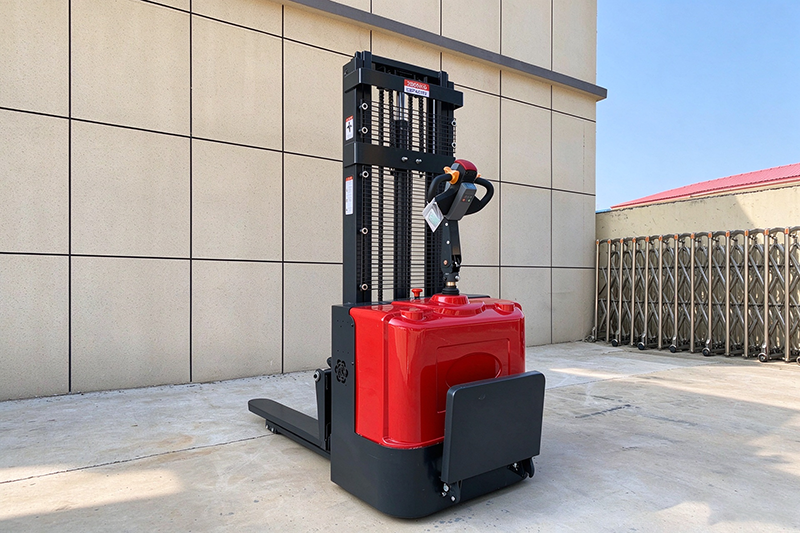

 Click:843
Edit: Chuanghe Hoisting
Click:843
Edit: Chuanghe Hoisting Time:2026-05-06 11:27:10


 Tel:
+8613653129869
Tel:
+8613653129869 Whatsapp:
+8613653129869
Whatsapp:
+8613653129869 Email:
chuanghehoist@gmail.com
Email:
chuanghehoist@gmail.com Address:Donglu Village, Donglu Township, Qingyuan District, Baoding City, Hebei Province
 English
 Français
 Español



 Email
Email +8613653129869
 +8613653129869
 Home
Home Whatsapp
 chuanghehoist@gmail.com