In today’s fast-paced industrial and construction environments, efficiency, flexibility, and safety are more important than ever. While large overhead cranes and gantry systems are essential for heavy-duty operations, not every lifting task requires such complex equipment.
In many cases, businesses need a compact, flexible, and cost-effective lifting solution that can be easily moved and quickly deployed. This is where the portable mobile
crane, also known as a mini crane, becomes an ideal choice.
From workshops and warehouses to construction sites and maintenance projects, mobile cranes are transforming the way lifting tasks are performed.
But what exactly is a portable mobile crane, and how can you select the right model for your operations?
What Is a Portable Mobile Crane?
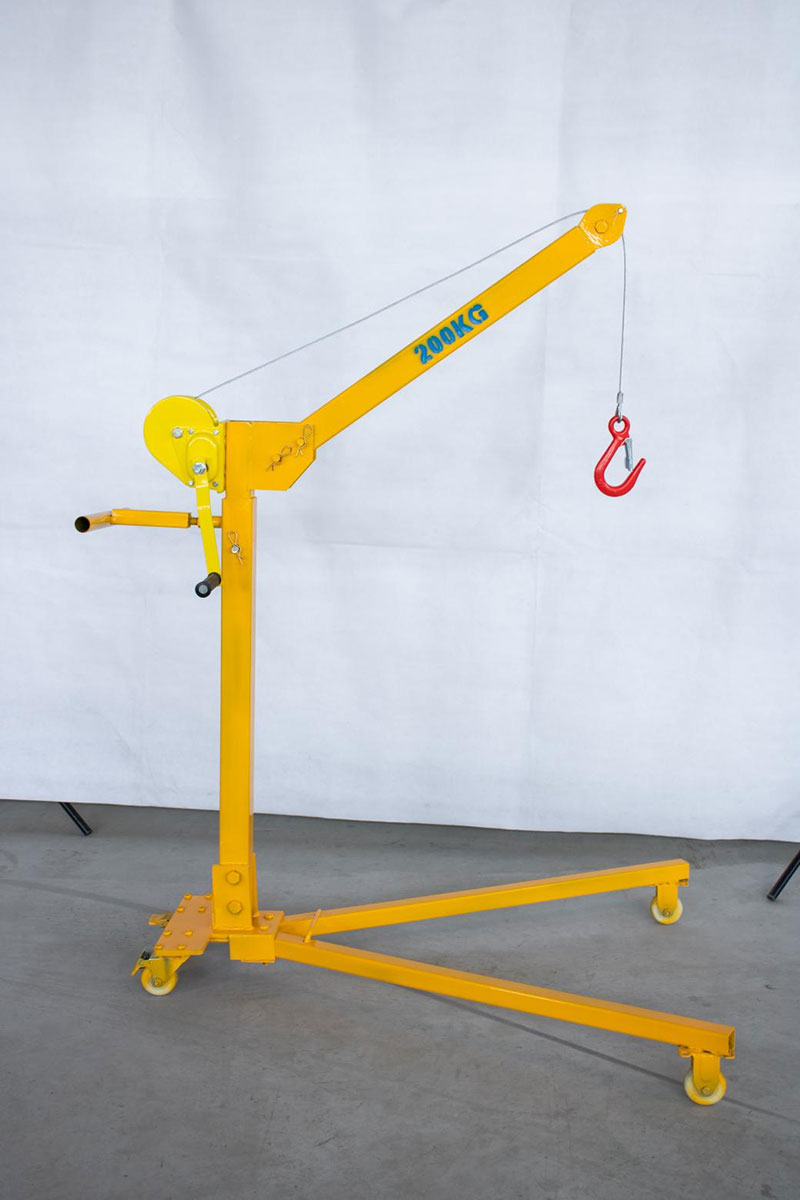
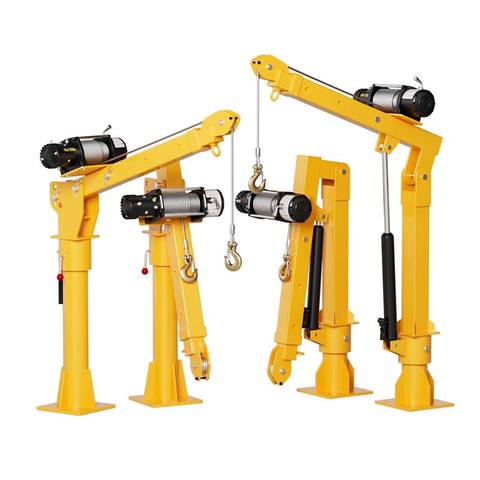
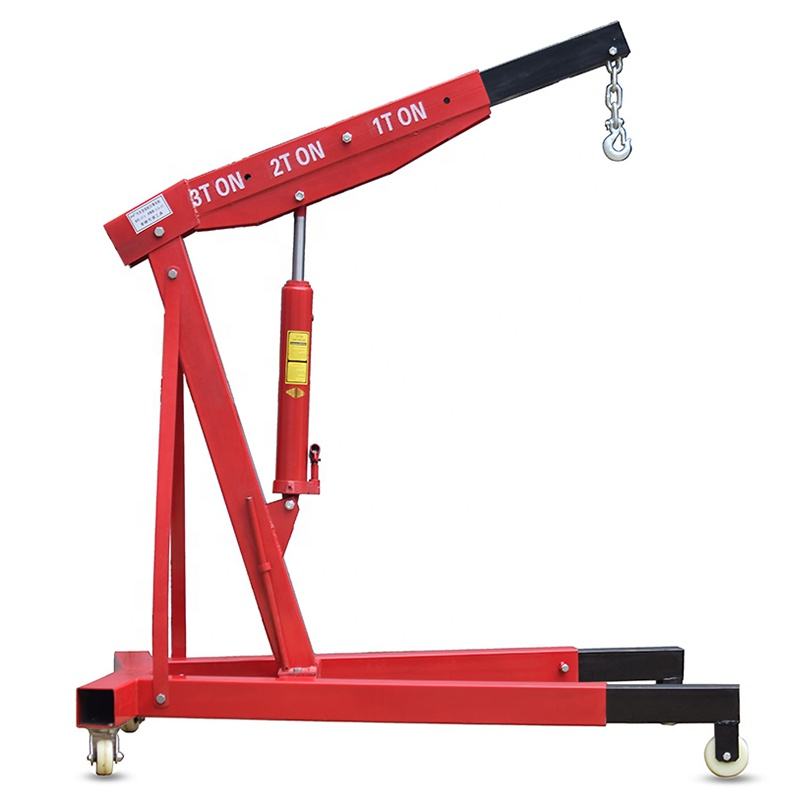
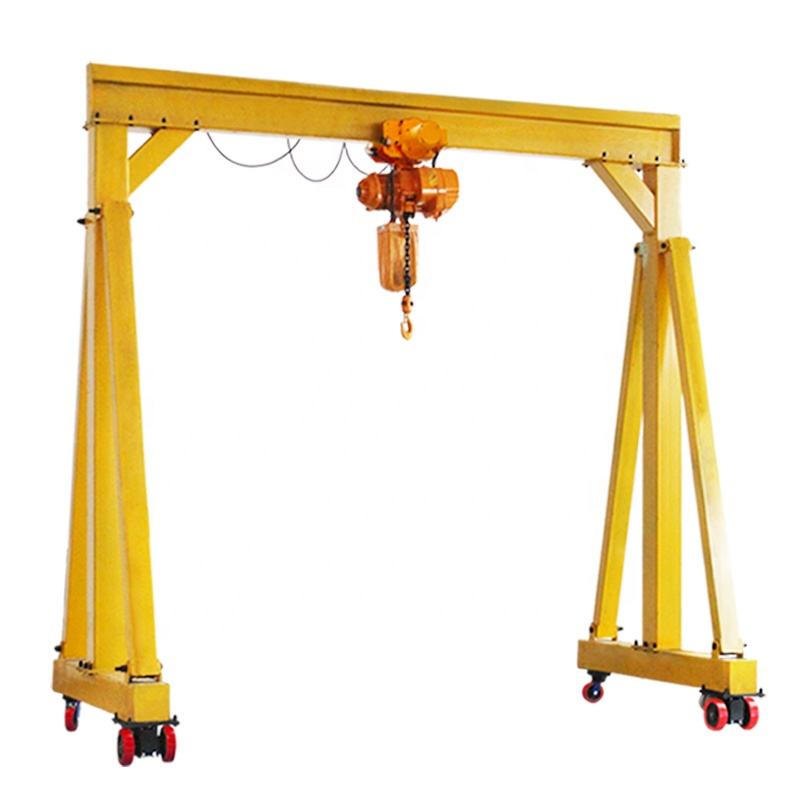
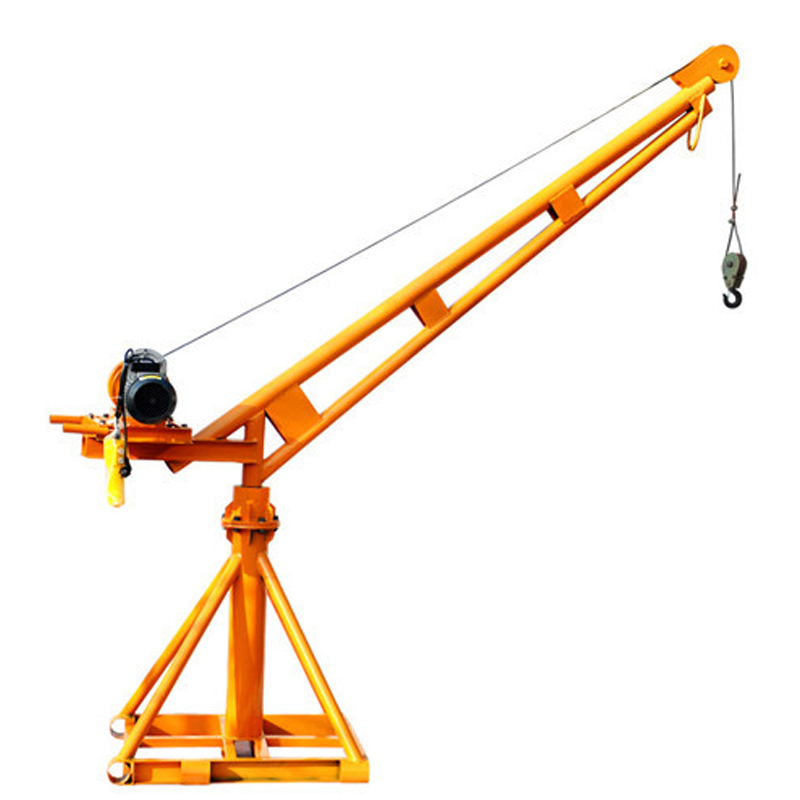
A portable mobile crane is a compact lifting device designed for lifting and moving loads within a limited working area. It is typically equipped with a wheeled base, an adjustable boom (lifting arm), and a hoisting system such as an electric hoist or manual hoist.
Unlike fixed cranes, portable mobile cranes do not require permanent installation or rail systems. They can be easily repositioned depending on the task, making them highly versatile.
These cranes are especially useful in environments where:
• Space is limited
• Lifting points frequently change
• Installation of large equipment is impractical
• Mobility is required
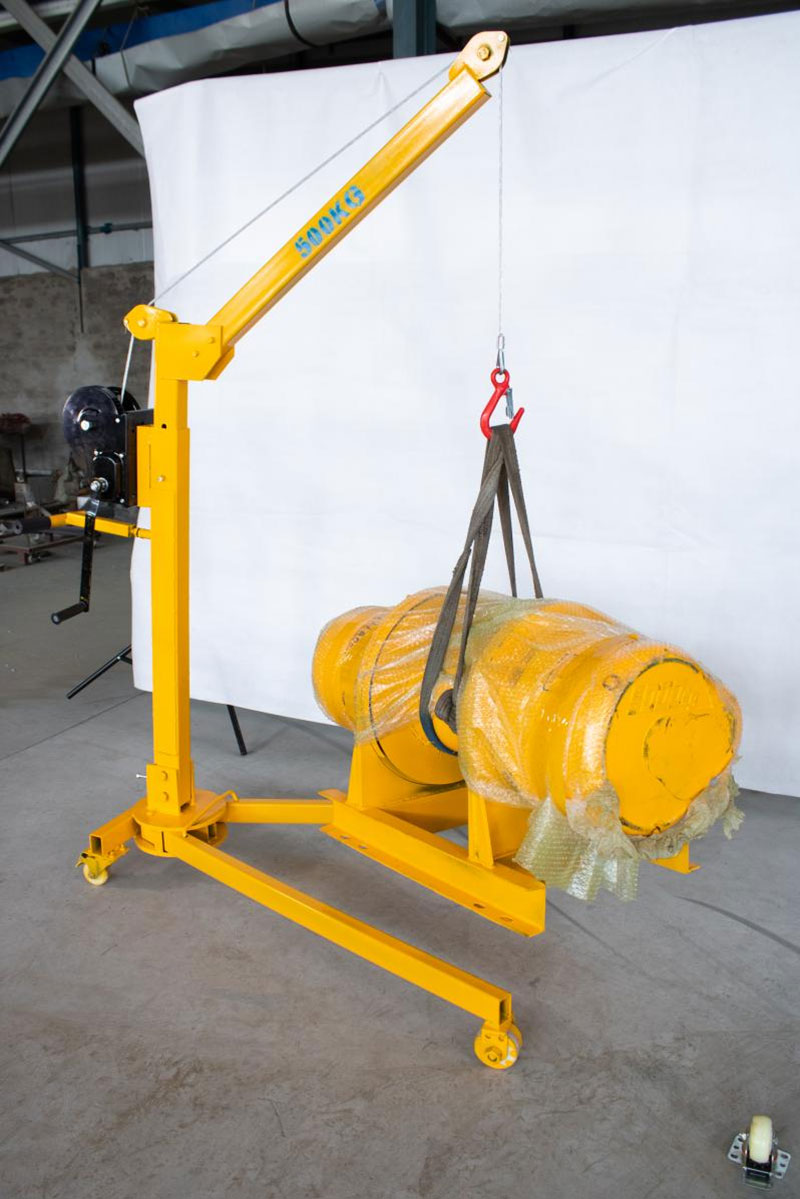
Key Components of a Mobile Crane
Understanding the structure of a mobile crane helps users choose the right configuration.
✔ Base Frame with Wheels
The base provides stability and mobility. Heavy-duty wheels allow smooth movement, while locking mechanisms ensure stability during lifting.
✔ Adjustable Boom (Lifting Arm)
The boom can be extended or adjusted to different angles, allowing flexibility in lifting height and reach.
✔ Hoisting System
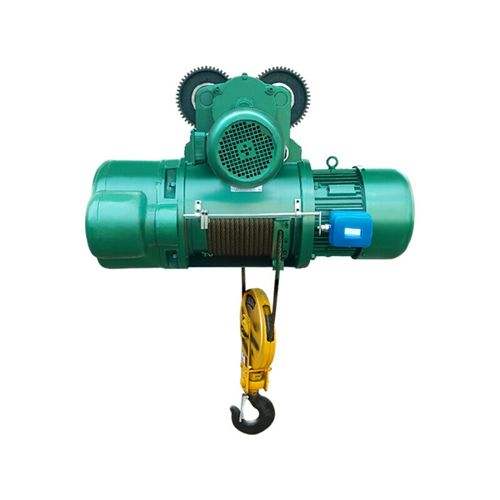
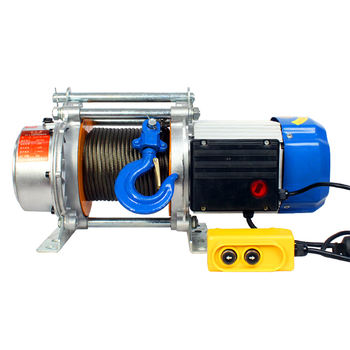
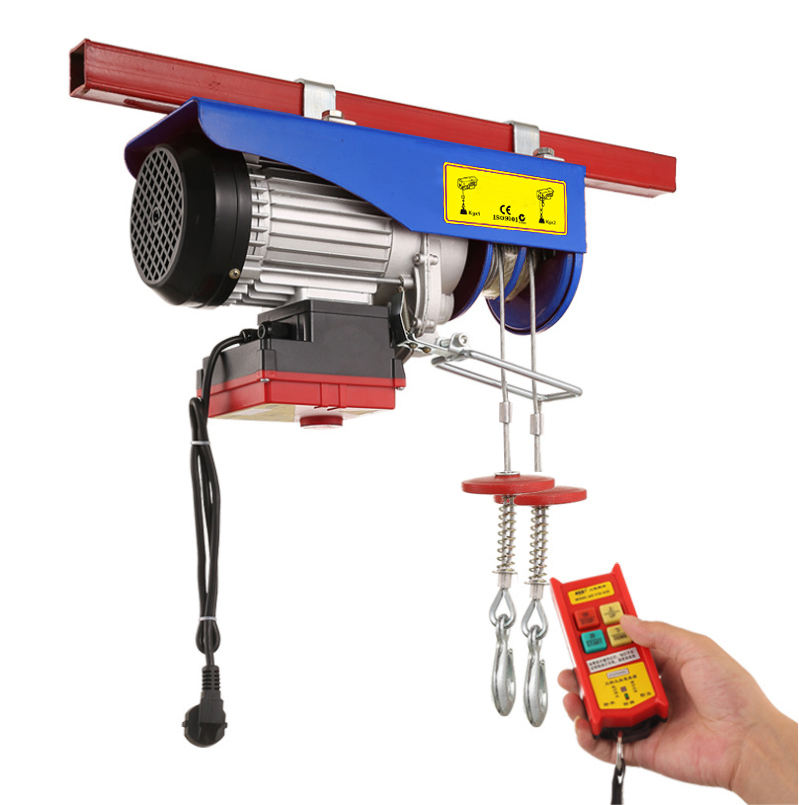
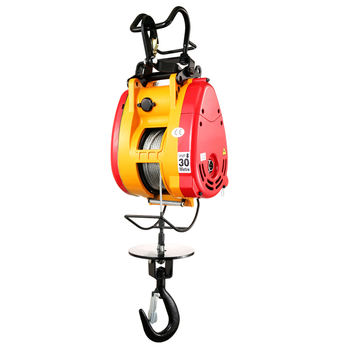
Most mobile cranes are equipped with electric hoists for efficient lifting. Some models also support manual hoists.
✔ Counterweight System
Counterweights balance the load and prevent tipping, ensuring safe operation.
✔ Control System
Electric models typically include pendant controls, allowing operators to manage lifting with precision.
Key Advantages of Portable Mobile Cranes
✔ High Mobility
One of the biggest advantages is mobility. The crane can be easily moved between different work areas, improving efficiency.
✔ Compact Design
Its small footprint makes it ideal for confined spaces such as workshops and warehouses.
✔ Easy Setup
No complex installation is required. The crane can be used almost immediately after positioning.
✔ Versatile Functionality
Suitable for lifting, loading, unloading, and positioning heavy equipment.
✔ Cost-Effective
Compared to large crane systems, mobile cranes require lower investment and maintenance costs.
Typical Applications
Portable mobile cranes are widely used across various industries:
• Construction sites for lifting materials
• Warehouses for loading and unloading goods
• Machinery installation and maintenance
• Workshops for equipment positioning
• Factories for production line support
• Logistics centers for material handling
Common Specifications
When selecting a mobile crane, consider these key parameters:
• Load Capacity: 500kg / 1000kg / 2000kg (customizable)
• Lifting Height: Based on boom length and hoist type
• Power Supply: 220V / 380V electric hoist
• Boom Adjustment: Manual or hydraulic
• Wheel Type: Fixed or swivel with brake
How to Choose the Right Mobile Crane?
Choosing the right crane depends on your specific application needs.
✔ Load Capacity
Always select a crane with a capacity higher than your maximum load to ensure safety.
✔ Working Environment
Consider whether the crane will be used indoors or outdoors, and check floor conditions.
✔ Lifting Height & Reach
Ensure the boom length and hoist lifting height match your working requirements.
✔ Power Requirements
Choose the correct voltage and power system based on your region and usage.
✔ Frequency of Use
For high-frequency operations, choose a more durable and heavy-duty model.
Safety Tips for Operation
Safe operation is critical when using mobile cranes.
• Always operate on a flat and stable surface
• Lock the wheels before lifting
• Do not exceed rated load capacity
• Keep the load balanced and centered
• Avoid sudden movements or swinging
• Regularly inspect the crane structure and hoist system
Following these guidelines helps prevent accidents and ensures smooth operations.
Maintenance and Care
Proper maintenance extends the lifespan of the equipment and ensures consistent performance.
✔ Regular Inspection
Check bolts, welds, wheels, and hoist components for wear or damage.
✔ Lubrication
Keep moving parts properly lubricated to reduce friction and wear.
✔ Electrical Check
For electric hoists, ensure wiring and controls are functioning properly.
✔ Storage
Store the crane in a dry and clean environment to prevent corrosion.
Common Mistakes to Avoid
Avoiding common mistakes can improve safety and efficiency:
• Overloading the crane
• Using on uneven or unstable surfaces
• Ignoring maintenance schedules
• Improper load positioning
• Using incorrect attachments
Proper training and correct usage are essential for safe operation.
Why Portable Mobile Cranes Are in High Demand
With the growing need for flexible and efficient lifting solutions, portable mobile cranes are becoming increasingly popular worldwide.
Key reasons include:
• High flexibility and mobility
• Lower cost compared to fixed cranes
• Easy to operate and maintain
• Suitable for small and medium enterprises
• Wide range of applications
From North America and Europe to Southeast Asia, the Middle East, and Africa, mobile cranes are widely adopted in modern industries.
Conclusion
The portable mobile crane is a versatile and efficient solution for a wide range of lifting tasks.
Its mobility, compact design, and ease of use make it an essential tool for workshops, warehouses, and construction sites.
By choosing the right model and following proper safety practices, businesses can significantly improve productivity while ensuring safe working conditions.
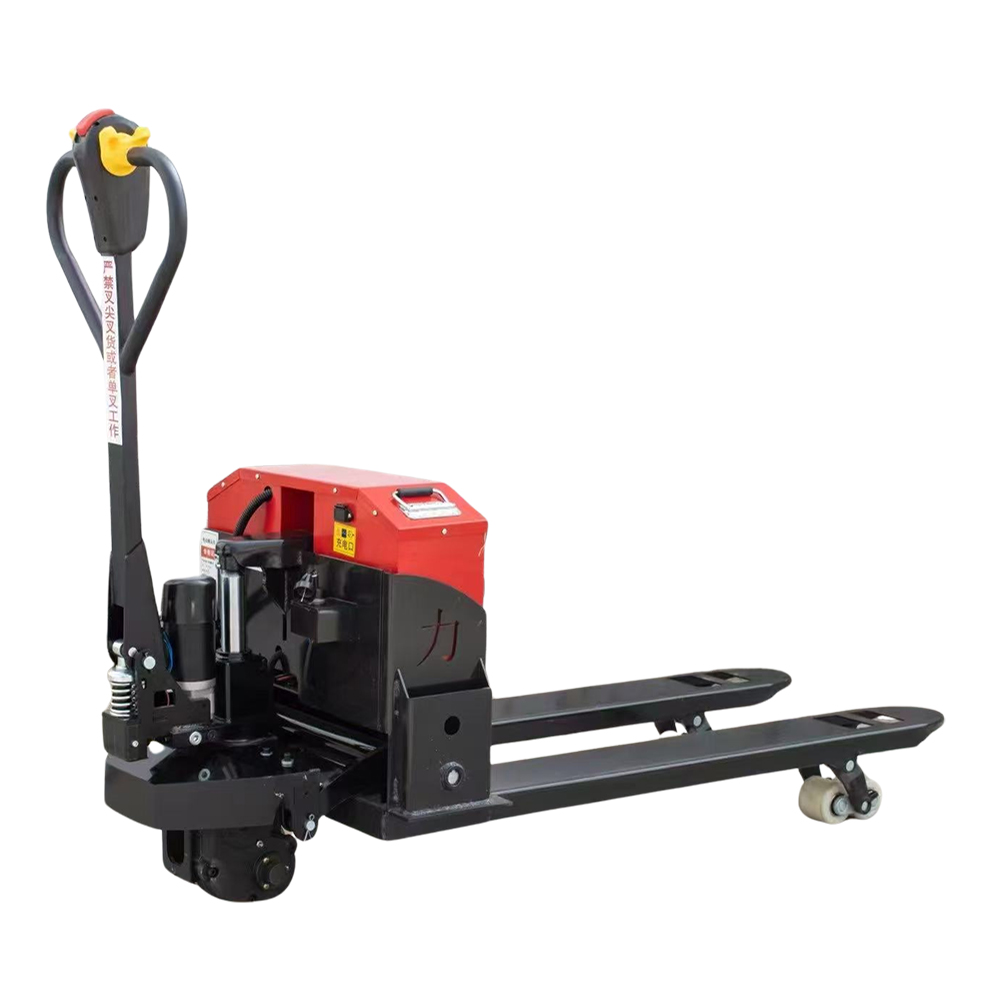
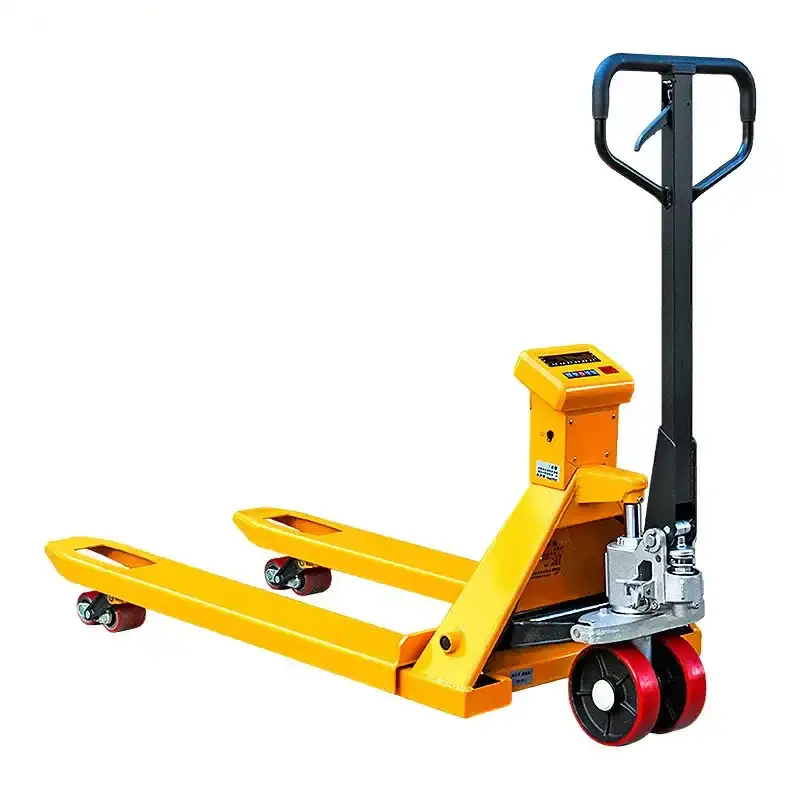
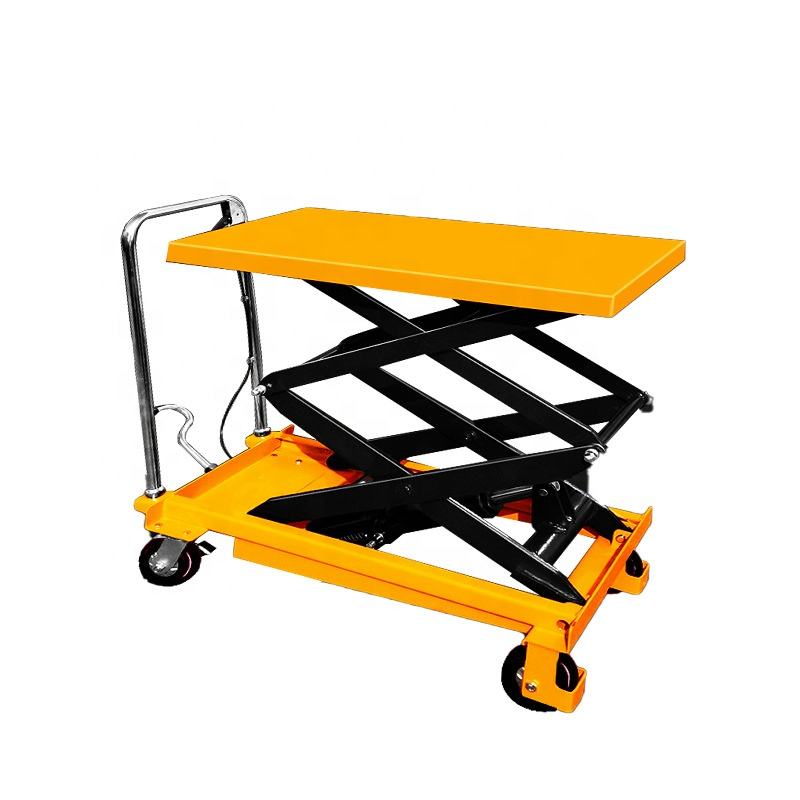
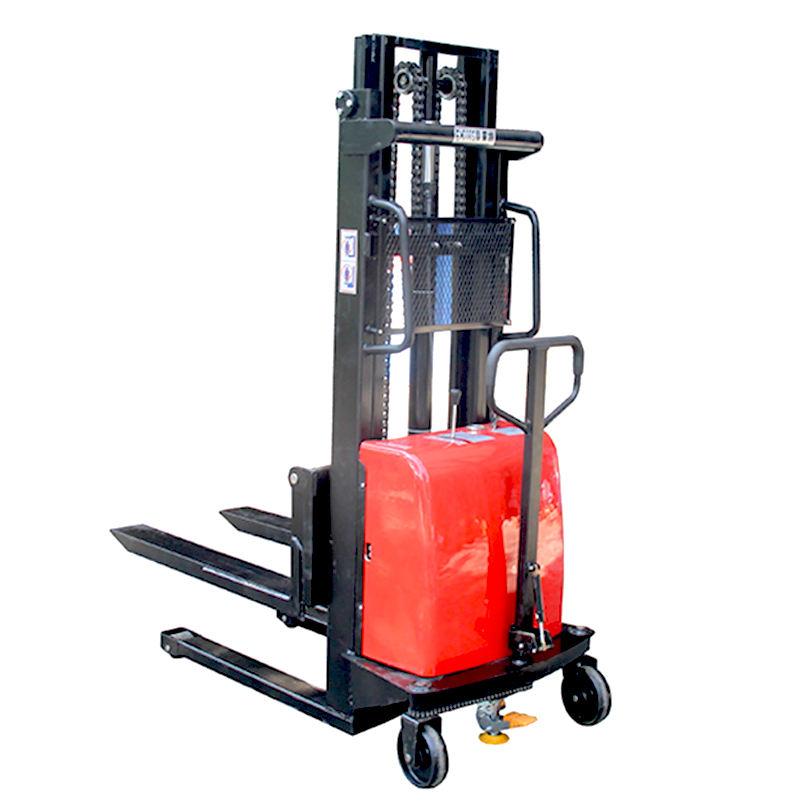
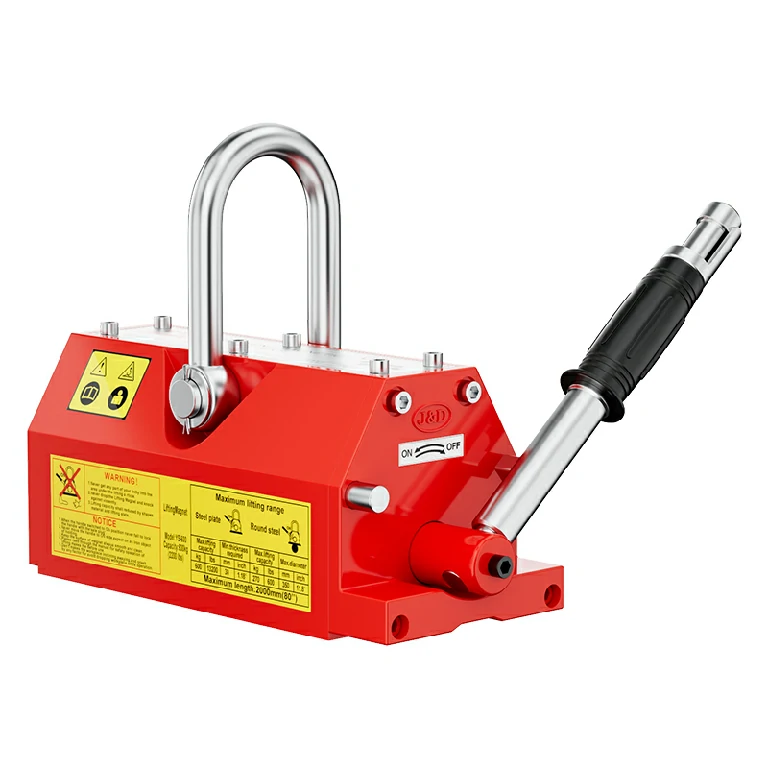
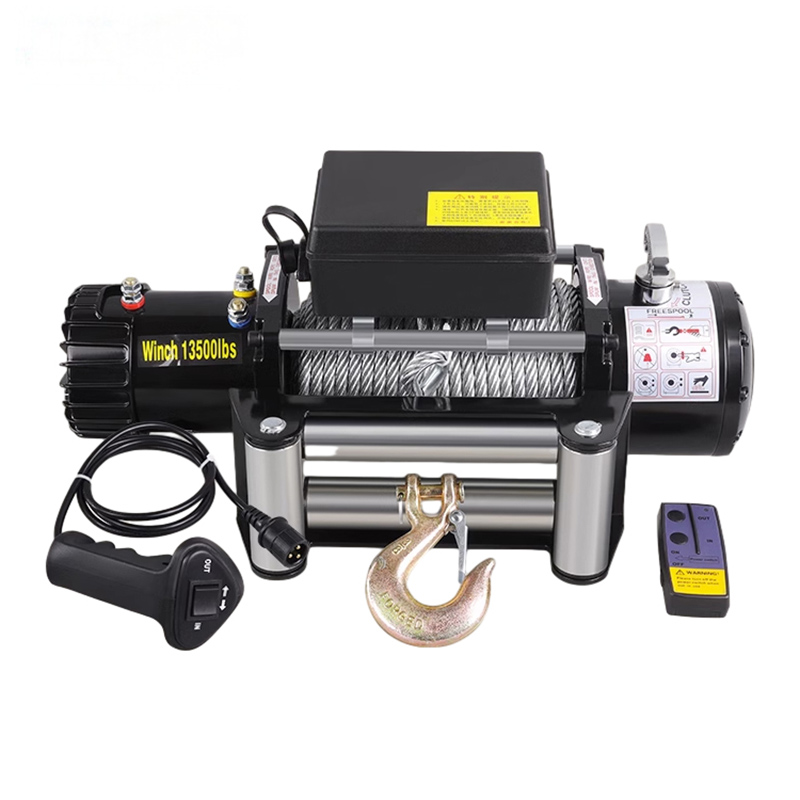
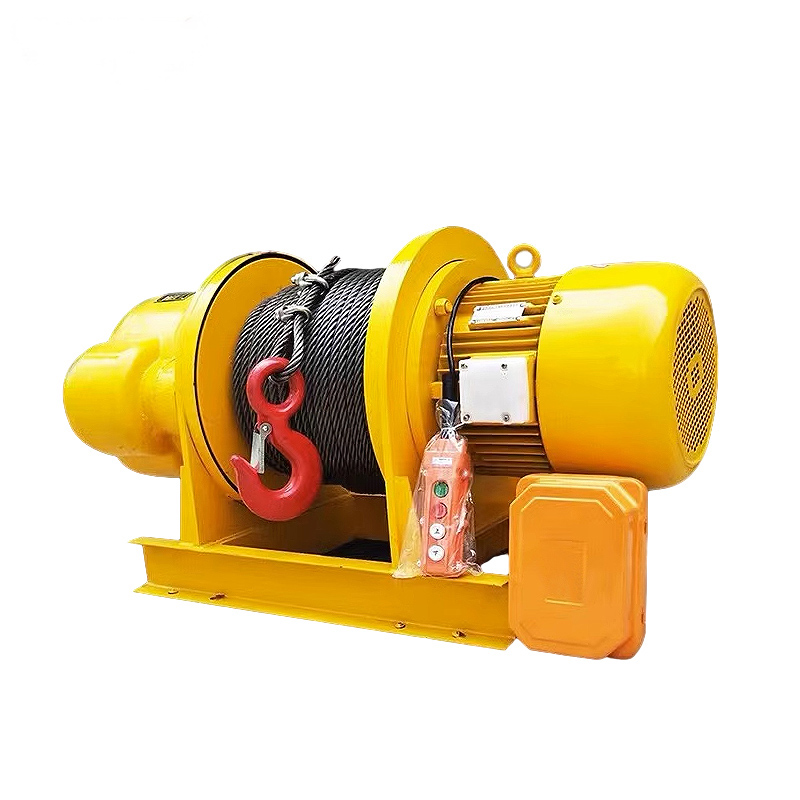
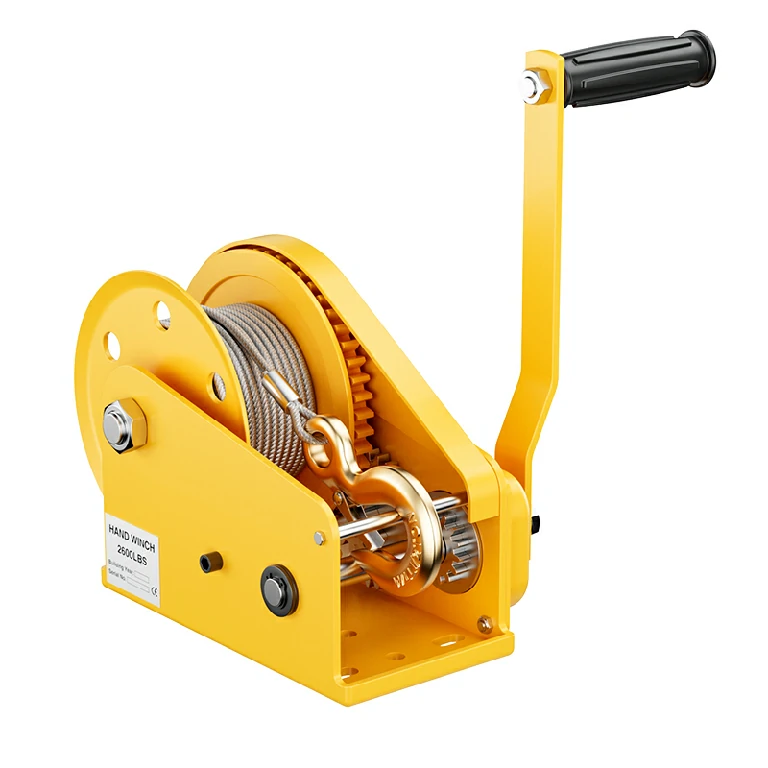
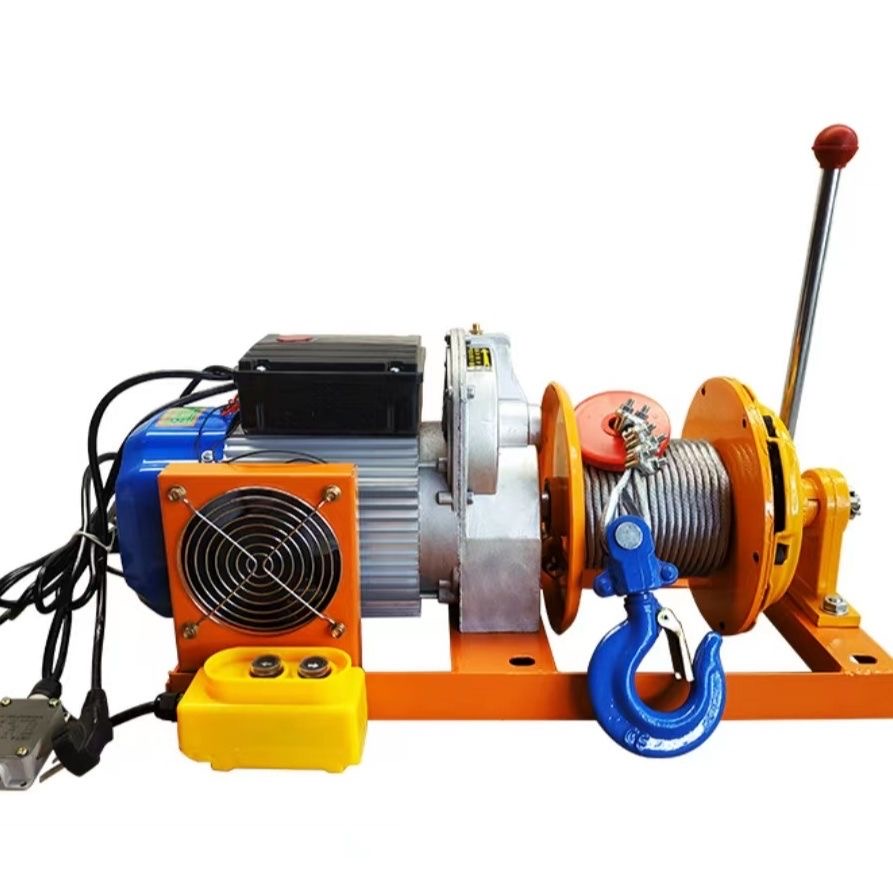
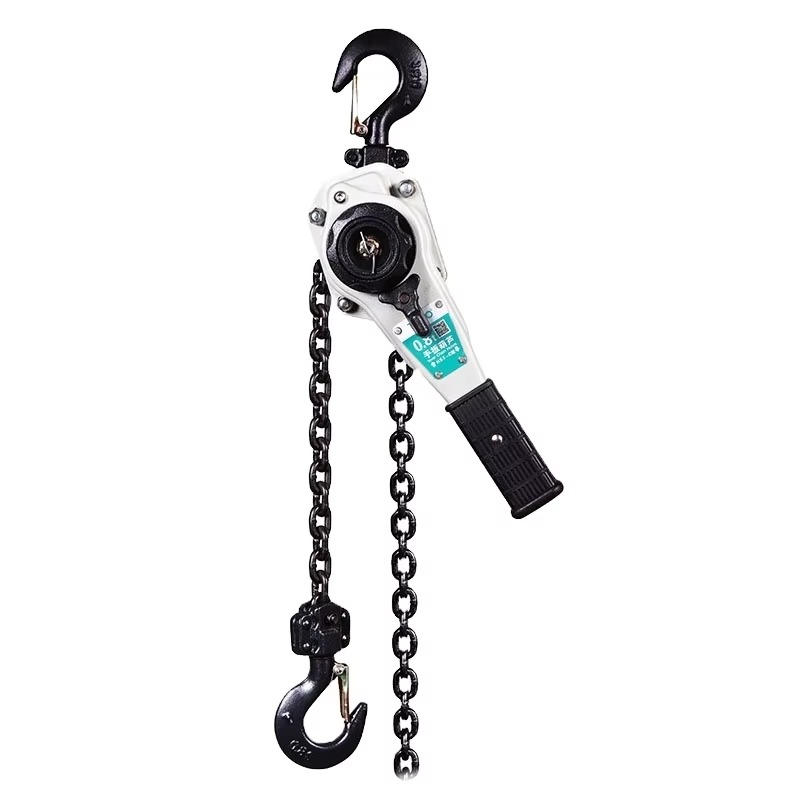
We supply a full range of lifting equipment, including electric hoists, manual hoists, pallet trucks, winches, and industrial lifting tools.
Feel free to contact us for specifications, certifications, and competitive pricing.



 Click:899
Edit: Chuanghe Hoisting
Click:899
Edit: Chuanghe Hoisting Time:2026-04-28 14:18:19


 Tel:
+8613653129869
Tel:
+8613653129869 Whatsapp:
+8613653129869
Whatsapp:
+8613653129869 Email:
chuanghehoist@gmail.com
Email:
chuanghehoist@gmail.com Address:Donglu Village, Donglu Township, Qingyuan District, Baoding City, Hebei Province
 English
 Français
 Español



 Email
Email +8613653129869
 +8613653129869
 Home
Home Whatsapp
 chuanghehoist@gmail.com