


If you have any questions, please contact our online customer service staff immediately
 Click:319
Edit: Chuanghe Hoisting
 Time:2026-09-11 10:14:41
Efficient vertical material handling is essential for warehouses, factories, logistics centers, distribution facilities, and production workshops. As storage systems become more space-efficient, businesses increasingly need equipment that can move pallets and raise loads to different storage levels while reducing operator effort.
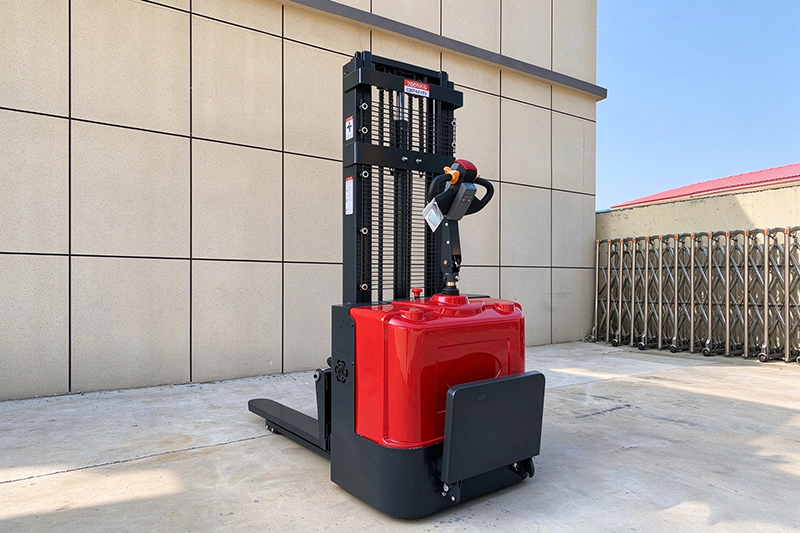
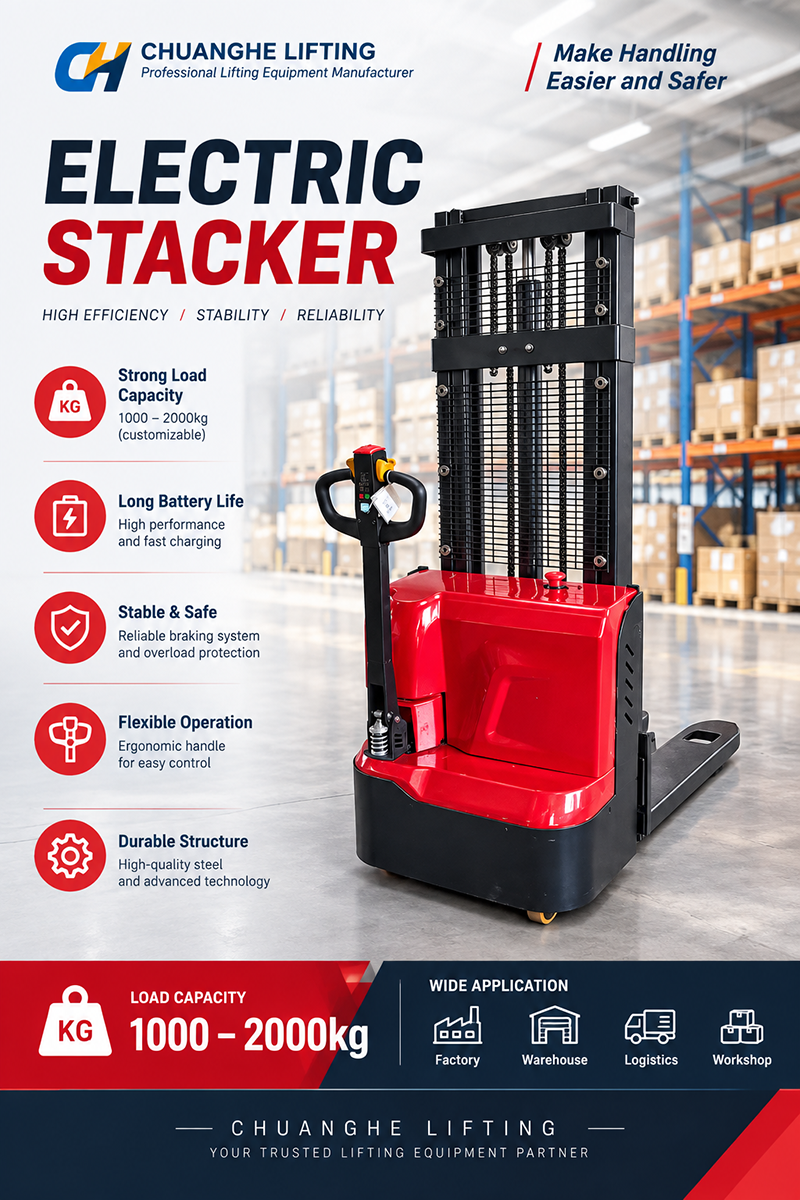
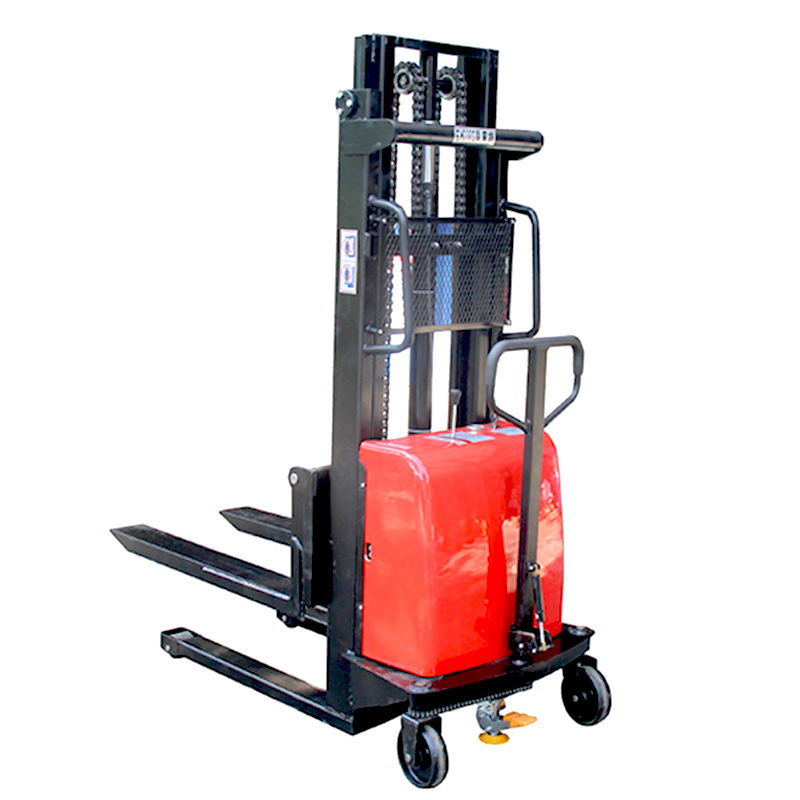
An Electric Stacker is a battery-powered material handling machine designed to lift, lower, and transport palletized goods. Compared with a manual stacker, it uses an electric drive and/or electric lifting system to make repetitive handling tasks easier and more efficient.
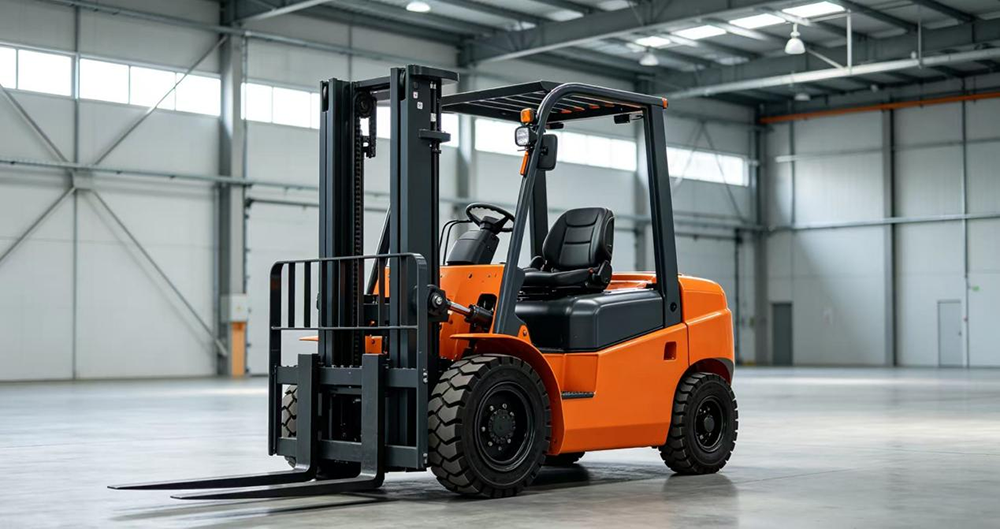
For companies that need a compact alternative to a forklift for indoor pallet handling and stacking, an electric stacker can be a practical solution.
Explore CH HOIST material handling equipment:
An electric stacker is a compact warehouse handling machine designed to move palletized goods and raise them to elevated storage positions. Depending on the design, the operator may walk behind the machine or operate it from a standing platform.
The basic structure generally consists of:
· Electric drive system
· Battery and charger system
· Electric lifting system
· Mast
· Forks
· Steering handle or control tiller
· Load wheels and steering wheels
· Safety and control system
· Steel frame
The operator positions the forks underneath a pallet, raises the load using the lifting controls, and then transports it to the required location. The mast allows the pallet to be raised to a suitable storage height.
This combination of lifting and transport makes an electric stacker particularly useful where pallets must be moved and stacked repeatedly in indoor warehouse environments.
Understanding the basic operating process helps buyers select the right machine and train operators correctly.
The operator approaches the pallet and aligns the forks with the pallet entry openings. Correct positioning helps maintain load stability during lifting and transportation.
The forks are inserted fully and evenly underneath the pallet. Fork positioning should be suitable for the pallet design and load dimensions.
The operator activates the lifting control. The electric lifting system raises the forks and pallet along the mast.
The electric drive system moves the machine to the required destination. The operator controls direction and travel speed using the tiller or operating controls.
The operator positions the pallet at the intended storage location, lowers it carefully, and then withdraws the forks.
The exact operating procedure depends on the stacker design and manufacturer's instructions. Operators should always follow the operating manual and workplace safety procedures.
Electric stackers are widely used because they combine compact dimensions, powered lifting, and reduced operator effort.
Electric lifting and travel functions reduce the physical effort required for repetitive pallet handling compared with fully manual equipment.
Unlike a standard pallet truck, an electric stacker is designed not only to move pallets but also to raise them to elevated storage positions.
Many electric stackers are designed for indoor warehouse use and can operate in relatively narrow working areas where a larger forklift may be less convenient.
Battery power eliminates the need for fuel during normal operation and makes electric stackers particularly suitable for indoor applications.
For warehouses with frequent pallet movement and stacking requirements, powered handling can reduce repetitive manual work and improve workflow efficiency.
Electric stackers are commonly used to move pallets between storage areas and raise goods onto racks or designated storage positions.
· Pallet stacking
· Warehouse replenishment
· Short-distance pallet transport
· Loading and unloading
· Inventory handling
In logistics facilities, electric stackers can help move palletized goods between loading areas, temporary storage locations, and warehouse zones.
Factories can use electric stackers to transport and position raw materials, components, finished products, and packaging materials.
Electric stackers can support back-room pallet handling, stock replenishment, and movement between receiving and storage areas.
Where pallets need to be moved and lifted repeatedly over relatively short distances, an electric stacker can provide a useful powered handling option.
Feature | Manual Stacker | Electric Stacker | Electric Pallet Truck |
Power | Manual | Battery | Battery |
Driving | Manual | Manual or electric* | Electric |
Lifting | Manual / hydraulic | Electric | Electric / hydraulic |
Stacking | Yes | Yes | Normally limited lifting height |
Operator Effort | Higher | Lower | Lower |
Typical Use | Occasional stacking | Frequent stacking | Horizontal pallet handling |
*Drive configuration depends on the specific electric stacker design.
For warehouses that mainly move pallets horizontally, an electric pallet truck may be sufficient. For applications requiring regular vertical stacking, an electric stacker is generally the more suitable equipment category.
Choosing an electric stacker requires evaluating the working environment, load characteristics, lifting requirements, and expected workload—not simply the rated capacity.
The rated capacity must be suitable for the maximum load that will be handled. Common electric stacker configurations are available across different capacity ranges, with many warehouse models designed around approximately 1,000–2,000 kg.
Buyers should consider the actual load weight, load center, pallet dimensions, and lifting height. Avoid regularly operating at the maximum rated capacity.
Lifting height is one of the most important selection criteria. The required height should be based on the highest storage position and the available warehouse clearance.
· Rack height
· Top storage level
· Ceiling clearance
· Door and aisle height
· Required free lifting height
Fork length, fork width, and fork spacing should match the pallets and loads used in the facility.
Different mast configurations provide different lifting capabilities and visibility. Buyers should select a mast arrangement appropriate for the required lift height and warehouse environment.
Overall length and width affect turning space, aisle requirements, and maneuverability.
Battery selection affects operating time, charging requirements, machine weight, and maintenance. Depending on the model, electric stackers may use lead-acid or lithium battery systems.
Buyers should evaluate:
· Operating hours per day
· Charging frequency
· Charging location
· Battery replacement requirements
· Ambient temperature and working conditions
Wheel material influences noise, floor protection, traction, and service life.
PU Wheels
Suitable for many smooth indoor warehouse floors and applications where low noise and floor protection are important.
Nylon Wheels
Suitable for hard industrial floors and applications where durability and load resistance are important.
Rubber Wheels
Useful where additional shock absorption and quieter operation are desired.
Travel speed, lifting speed, and lowering control should be evaluated according to the workload and warehouse layout.
Safety should be considered before price when selecting powered warehouse equipment. Depending on the model, electric stackers may incorporate several safety-related systems.
· Emergency stop function
· Electromagnetic or parking brake
· Overload protection
· Battery protection system
· Low-battery warning
· Safety tiller controls
· Horn
· Protective mast and frame design
The exact configuration varies by model. Buyers should confirm the actual safety equipment included with the selected machine.
For demanding warehouse applications, a heavy-duty electric stacker may provide greater structural strength and durability.
Heavy-duty configurations may feature:
· Reinforced steel frame
· Stronger lifting system
· Heavy-duty forks
· Larger load wheels
· Higher-duty battery system
· Improved durability for frequent handling
These machines can be suitable for industrial materials, heavier pallets, high-frequency warehouse operations, and applications where equipment is used for extended periods.
Powered lifting equipment should always be operated by trained personnel and according to the manufacturer's instructions.
Before using the equipment, operators should:
✔ Check the battery and electrical system.
✔ Inspect forks and mast components.
✔ Check wheel condition.
✔ Confirm the load weight.
✔ Make sure the pallet is stable.
✔ Check that the travel path is clear.
✔ Confirm that emergency and braking functions work correctly.
During operation:
✔ Keep the load centered.
✔ Travel at a controlled speed.
✔ Avoid sharp turns.
✔ Keep the load at a safe travel height.
✔ Watch for pedestrians and obstacles.
✔ Use extra caution on ramps and uneven surfaces.
Never:
✔ Exceed the rated capacity.
✔ Carry passengers unless the machine is specifically designed for it.
✔ Use damaged forks or lifting components.
✔ Operate with an unstable load.
✔ Place any part of the body underneath a raised load.
✔ Modify safety devices without authorization.
Regular inspection and maintenance help improve reliability, safety, and service life.
· Check battery condition.
· Inspect cables and connectors.
· Keep charging connections clean and secure.
· Follow the correct charging procedure.
· Monitor abnormal heating, swelling, leakage, or damage.
· Inspect mast rails and chains or lifting components.
· Check for abnormal noise.
· Check lifting and lowering performance.
· Inspect hydraulic components where applicable.
· Check for oil leakage where applicable.
· Check for cracks.
· Check excessive wear.
· Check deformation.
· Confirm smooth rotation.
Inspect forks for bending, cracks, or other visible damage. Damaged forks should not be used.
Make sure travel, lifting, lowering, braking, emergency stop, horn, and other controls operate correctly.
For material handling equipment distributors, electric stackers are an attractive product category because they address both horizontal movement and vertical stacking requirements.
Potential customers include:
· Logistics companies
· Manufacturing companies
· Retailers
· Supermarkets
· Warehouses
· Packaging companies
· Cold-chain and distribution facilities
· Industrial equipment distributors
Electric stackers can also be sold together with complementary equipment such as:
· Manual pallet trucks
· Electric pallet trucks
· Manual stackers
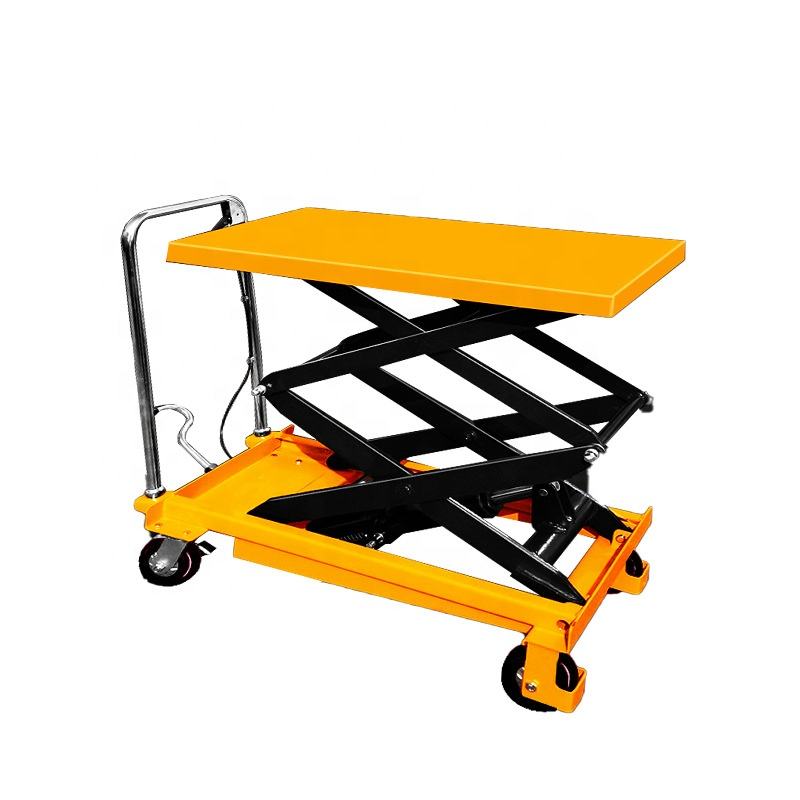
· Scissor lift tables
· Hydraulic jacks
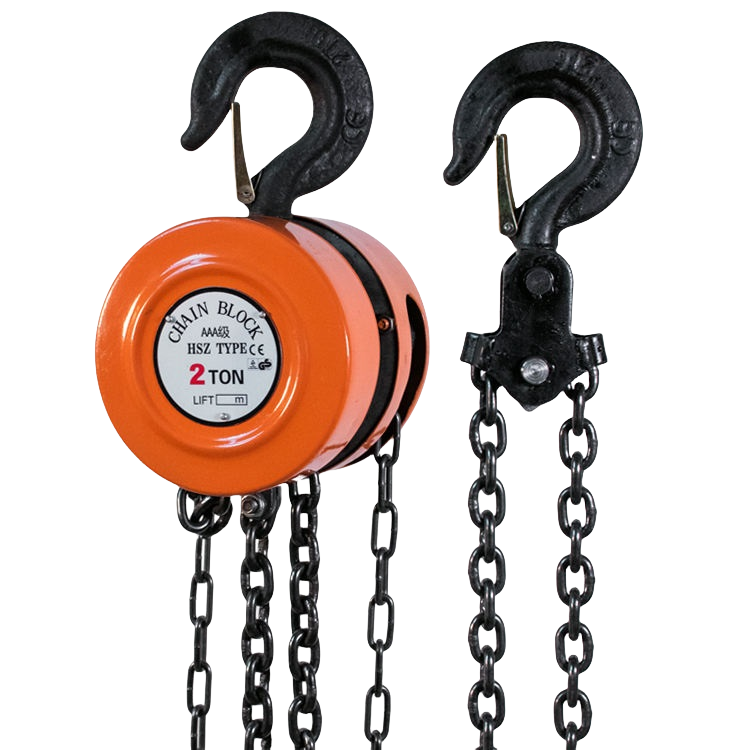
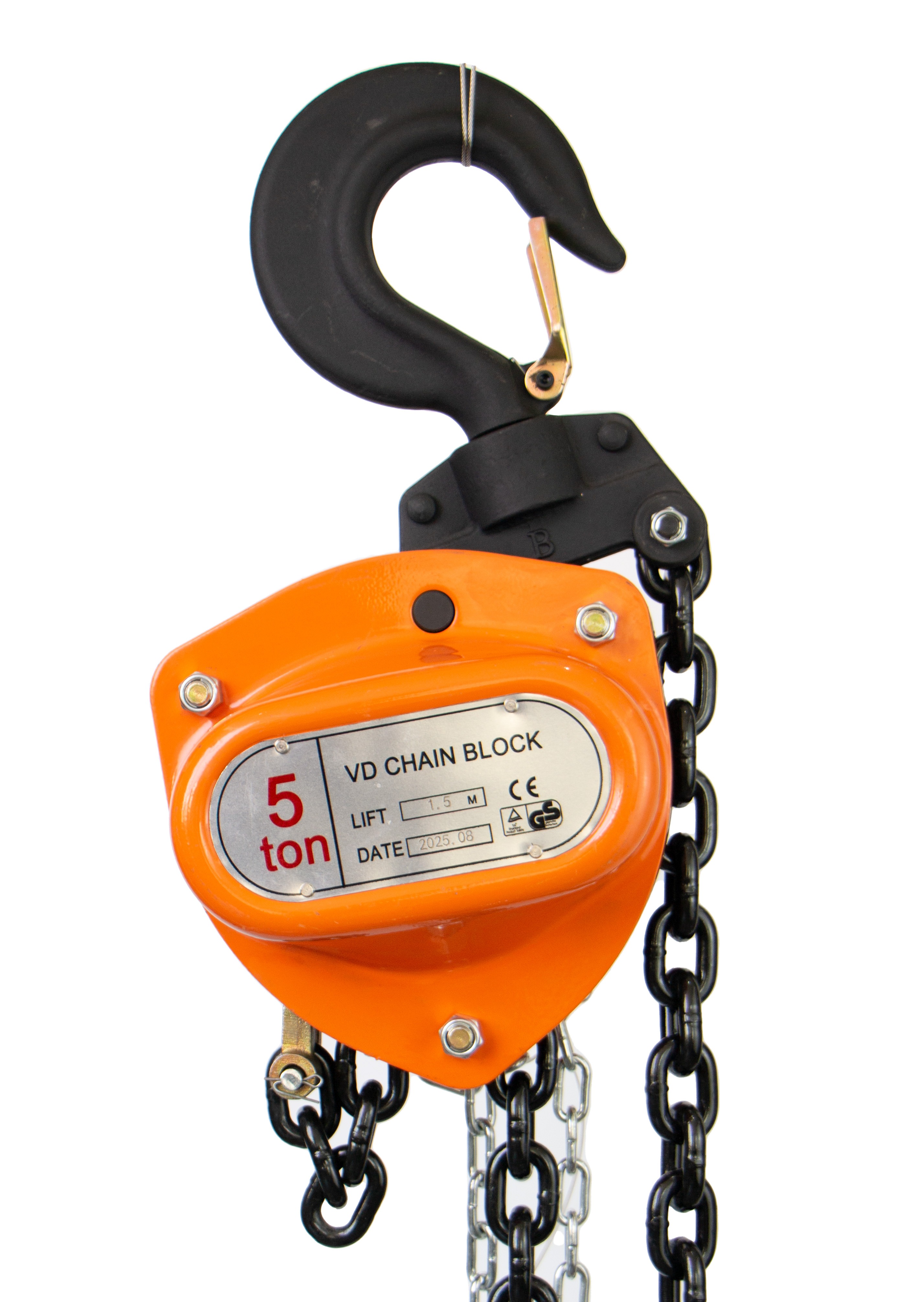
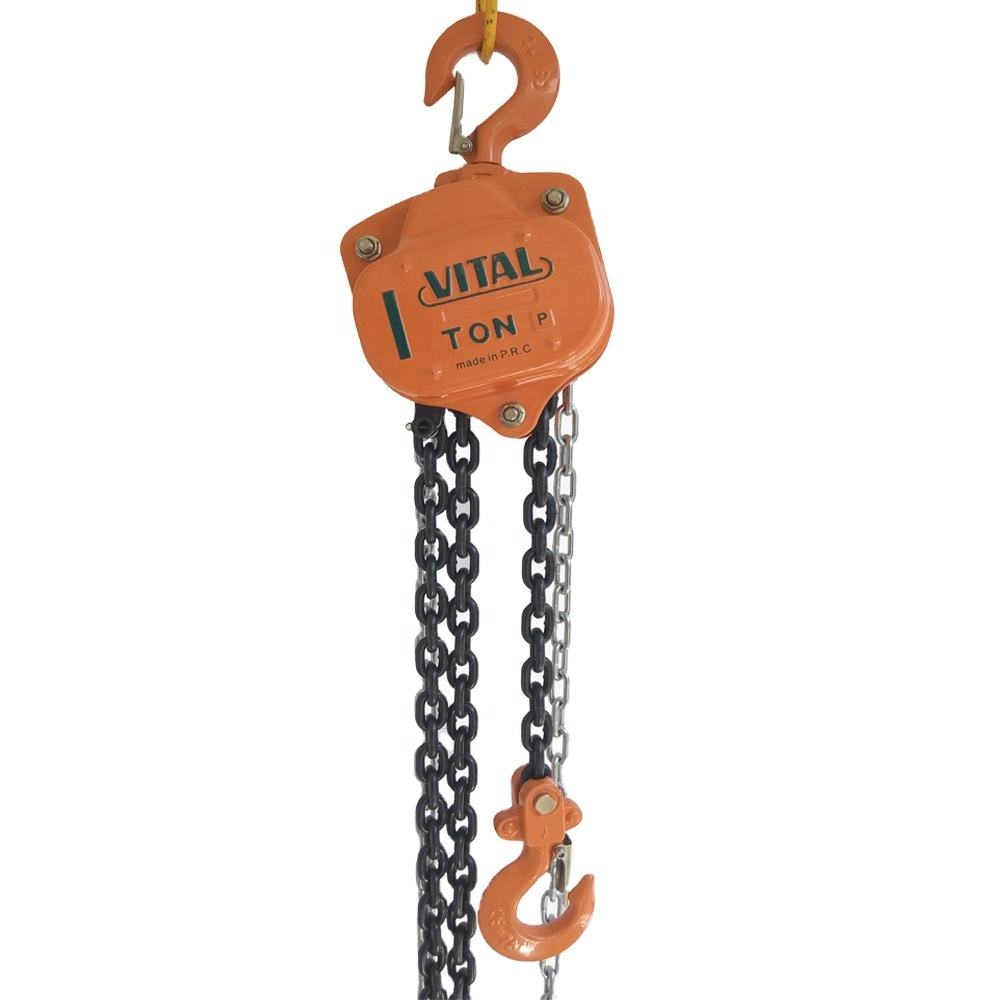
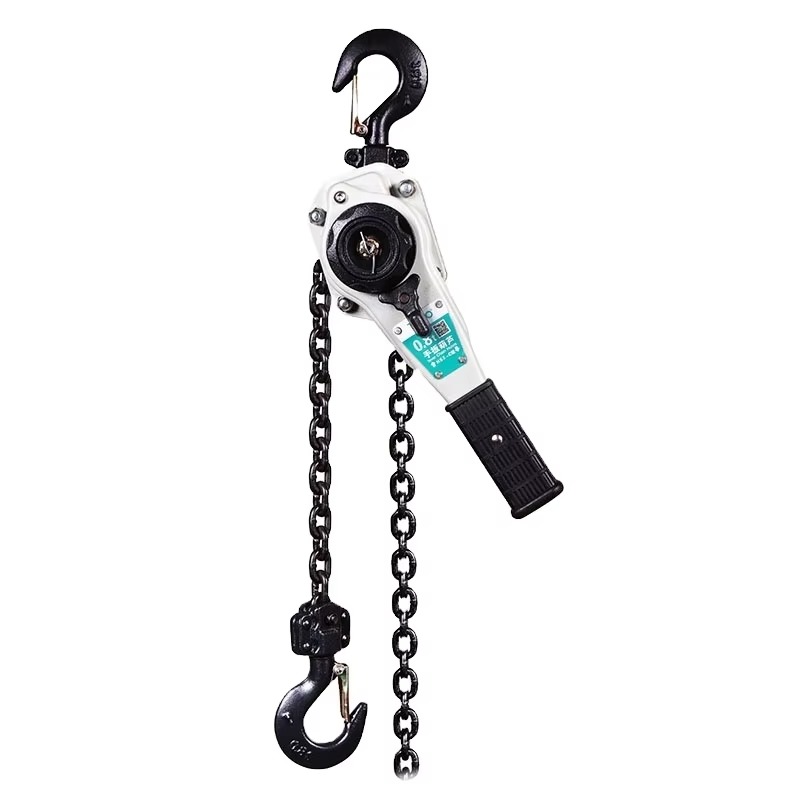
· Hand chain hoists
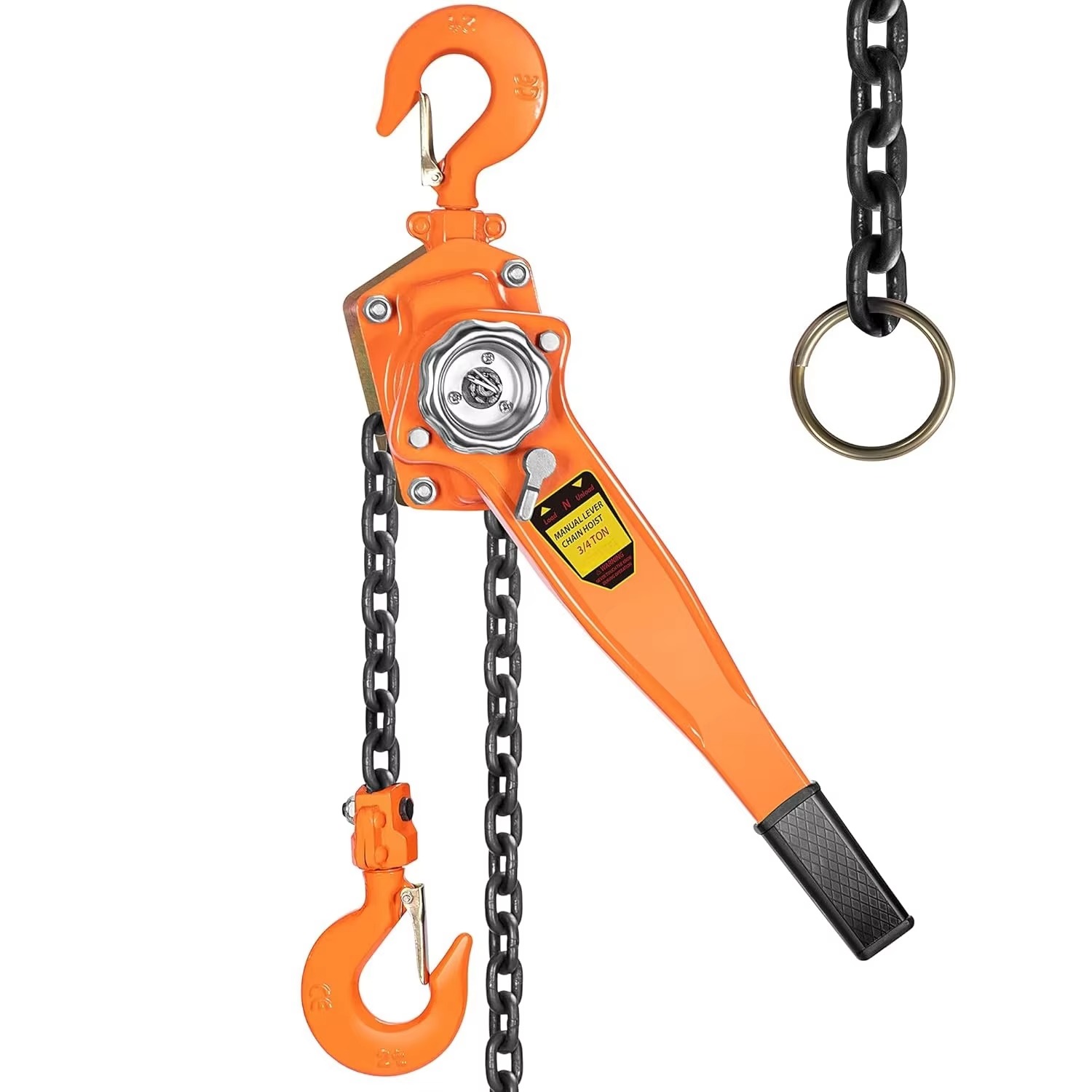
· Lever hoists
· Electric hoists
This creates opportunities for distributors to provide complete material handling solutions rather than selling a single product.
For dealers, the correct model mix can include different capacities, lifting heights, battery configurations, and operating styles to serve different warehouse applications.
Warehouse operations are becoming increasingly efficient, space-conscious, and technology-driven. Electric handling equipment, lithium battery technology, smart warehouse systems, and automation are influencing how companies move and store materials.
Electric stackers remain relevant because they provide a practical middle ground between manual handling equipment and larger forklifts.
They are particularly attractive for:
· Indoor warehouse operations
· Frequent pallet stacking
· Narrower working areas
· Medium-duty handling applications
· Businesses seeking to reduce manual effort
· Operations where a full-size forklift is unnecessary
At the same time, higher-volume warehouses may combine electric stackers with electric pallet trucks, forklifts, reach trucks, and automated systems to create a flexible material handling solution.
The best equipment choice depends on the actual workflow, load requirements, storage height, aisle dimensions, and operating frequency.
An Electric Stacker is a practical solution for warehouses and industrial facilities that need to move and stack palletized goods while reducing operator effort.
Its combination of battery-powered operation, electric lifting, compact design, and vertical handling capability makes it suitable for a wide range of indoor material handling applications.
When choosing an electric stacker, buyers should carefully evaluate load capacity, lifting height, fork dimensions, mast configuration, battery type, wheel material, overall dimensions, safety features, operating environment, and expected workload.
For distributors and wholesalers, electric stackers also offer strong market potential because they can serve logistics, manufacturing, retail, warehousing, and distribution customers.
A correctly selected electric stacker can help make pallet handling faster, easier, and more efficient.
Modern warehouses, distribution centers, and manufacturing facilities need efficient ways to lift, move, and stack palletized goods. As businesses handle more products and work to optimize storage space, choosing the right material handling equipment becomes increasingly important.
2026-10-21View More →
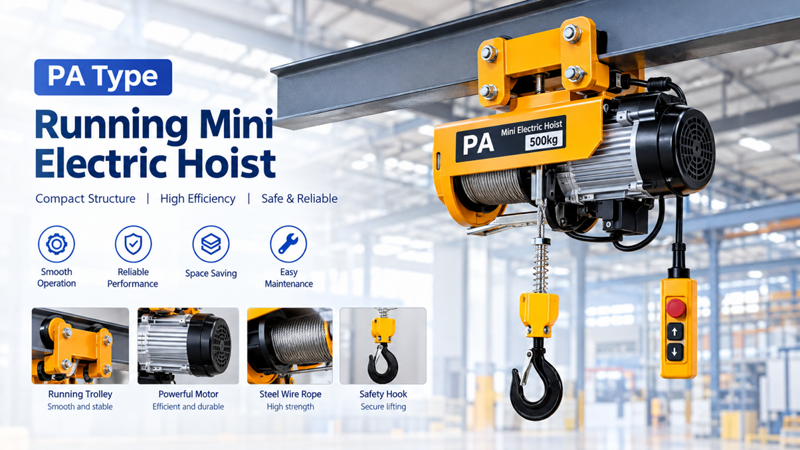
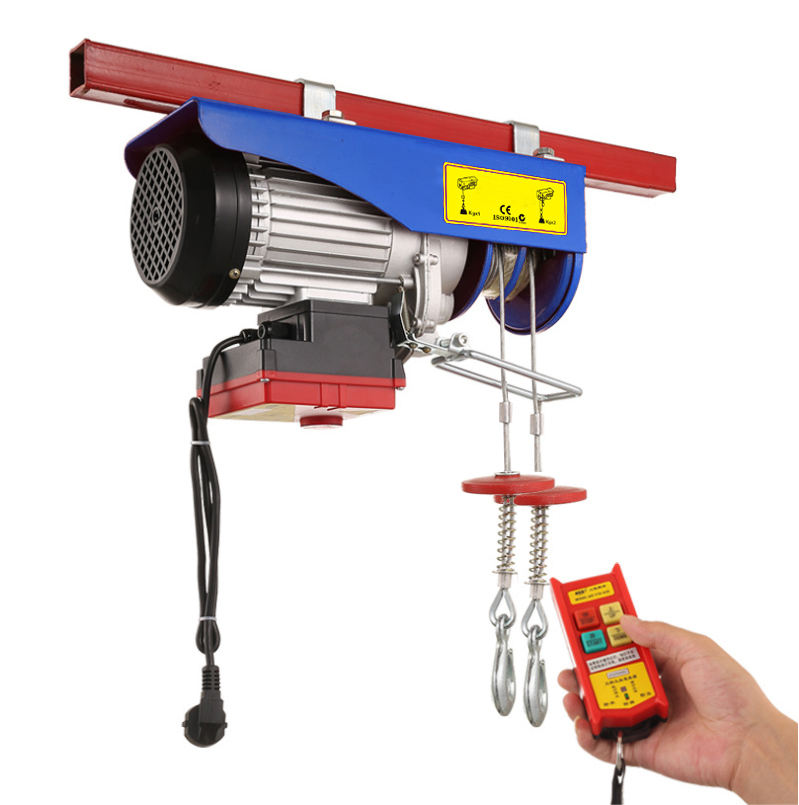
Learn about PA type running mini electric hoist, including key selection factors, typical applications, safety operation tips for small lifting jobs.
2026-10-20View More →
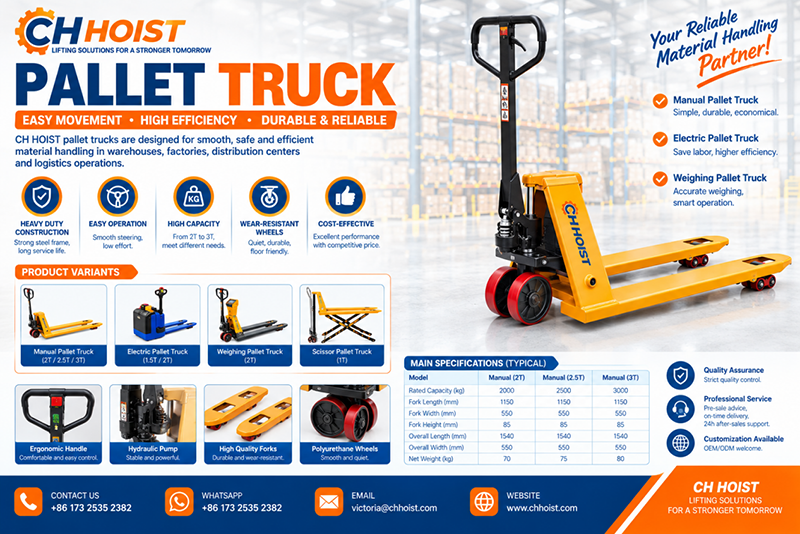
A pallet truck, also known as a pallet jack or pallet trolley, is one of the most practical tools for transporting palletized materials over short distances. Compared with moving goods manually, pallet trucks help reduce physical effort, improve workflow, and make warehouse operations more efficient.
2026-10-19View More →


 Tel:
+8613653129869
 Whatsapp:
+8613653129869
 Email:
chuanghehoist@gmail.com
 Address:Donglu Village, Donglu Township, Qingyuan District, Baoding City, Hebei Province

 English
 Français
 Español



 Email
 +8613653129869
 +8613653129869

 Home
 Whatsapp
 chuanghehoist@gmail.com