


If you have any questions, please contact our online customer service staff immediately
 Click:161
Edit: Chuanghe Hoisting
 Time:2026-10-08 16:10:04
Safe and efficient lifting is essential in construction sites, factories, warehouses, shipyards, workshops, logistics facilities, and industrial maintenance operations. When heavy loads need to be lifted, positioned, or moved, the lifting chain is one of the most widely used load-bearing components.
A lifting chain is designed to handle demanding lifting applications where strength, durability, flexibility, and controlled load handling are required. Depending on the application, lifting chains can be used as chain slings, in lifting assemblies, with hooks and master links, or as part of material-handling systems.
For professional users and distributors, selecting the correct chain is not simply a matter of choosing a chain with a large breaking load. Chain grade, working load limit, configuration, hook type, sling angle, load shape, environment, inspection condition, and operating method all affect safe use.
This guide explains the main types, specifications, applications, selection factors, inspection points, and safety practices associated with industrial lifting chains.
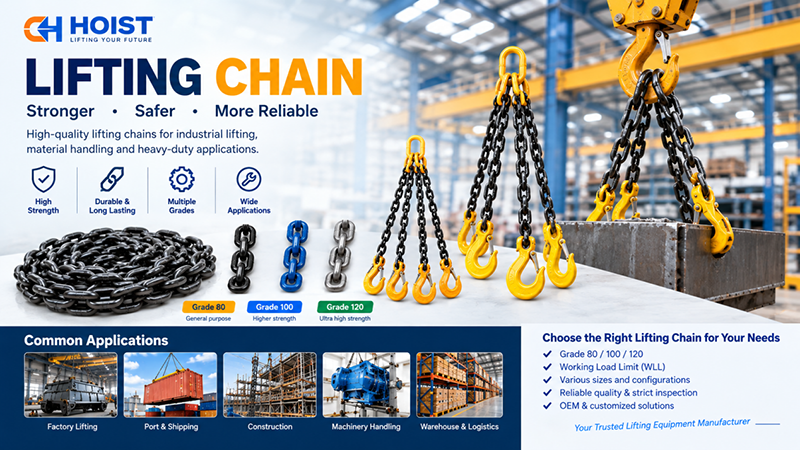
A lifting chain is a high-strength chain designed for lifting, suspending, securing, or positioning loads. Unlike ordinary commercial chain, lifting chain is manufactured and rated for controlled load-bearing applications.
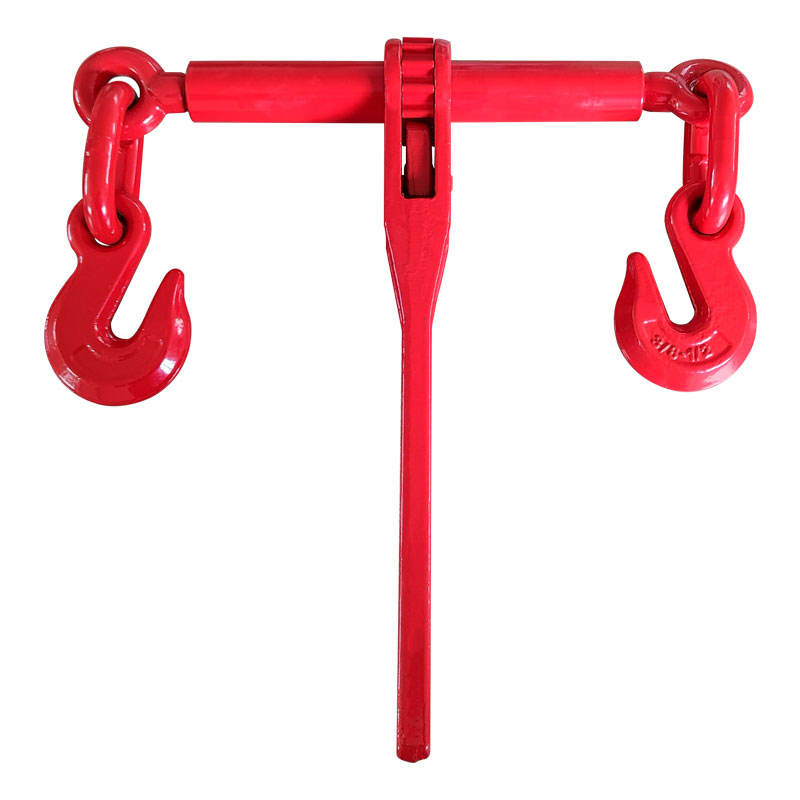
A typical lifting chain assembly may include the chain itself together with master links, connecting links, hooks, shortening devices, or other compatible components.
The basic structure of a lifting chain consists of interconnected steel links. The link geometry and material properties allow the chain to remain flexible while carrying substantial tensile loads.
Lifting chains are commonly used in single-leg, double-leg, triple-leg, and four-leg chain sling configurations. The final working load limit depends not only on the chain size but also on the number of legs, sling angle, hitch configuration, and the weakest component in the assembly.
• Alloy lifting chain
• Master link or master-link assembly
• Connecting links
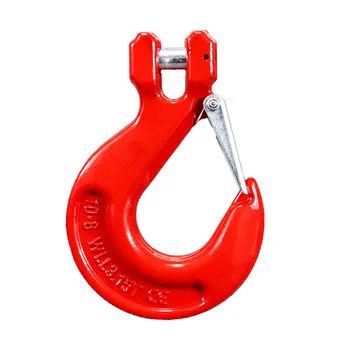
• Lifting hooks
• Shortening hooks or grab hooks
• Safety latches where applicable
• Identification tag showing key rated information
Each component must be compatible with the chain grade and rated capacity of the complete lifting assembly. Components should never be mixed simply because their dimensions appear similar.
Understanding how a lifting chain transfers load helps operators select and use lifting equipment correctly.
The operator first identifies suitable lifting points on the load. Hooks or other approved end fittings are connected to those points in a way that keeps the load stable.
The upper end of the chain sling is connected to the crane hook or another approved lifting point using a compatible master link or assembly.
The chain should be arranged so that it does not twist, kink, cross over sharp edges without protection, or become trapped under the load.
The lifting equipment gradually takes tension. Operators should observe the chain, hooks, connection points, and load before the load leaves the ground.
The load should be lifted smoothly and kept under control. Sudden shock loading, dragging, side loading, or uncontrolled swinging can create forces significantly higher than the static load.
After the load reaches its destination, tension should be released in a controlled manner before the chain is disconnected and stored.
Alloy lifting chains are designed for high-load applications and can provide a high strength-to-weight ratio when correctly selected.
Chain slings can be configured in different leg arrangements and can accommodate many industrial lifting geometries.
Properly manufactured lifting chain can withstand demanding industrial handling when used within its rated conditions and maintained correctly.
Shortening components can allow the effective working length of a chain sling to be adjusted for different loads and lifting points.
Lifting chains are widely used for machinery, steel products, fabricated structures, construction materials, molds, engines, and other heavy loads.
Chain links and fittings are visible components, making routine visual inspection practical. Inspection should be performed by competent personnel according to applicable requirements.
Grade 80 alloy chain is widely used for general industrial lifting and chain sling assemblies. It is commonly selected where a proven balance of strength, availability, and cost is required.
Grade 100 chain provides a higher working load capacity for a given nominal chain size than lower-grade lifting chain. It is often selected when users want greater capacity or more compact lifting assemblies.
Grade 120 represents a higher-strength class used in applications where high capacity and compact equipment are important. Exact ratings and compatibility should always be confirmed from the manufacturer's data and applicable standard.
A single-leg sling is suitable where one lifting point and the load geometry permit a stable lift.
Two-leg, three-leg, and four-leg assemblies can distribute load between multiple lifting points, but their rated capacity depends strongly on the included angle and load distribution.
Chain grade is one of the most important specifications when selecting a lifting chain. The grade identifies the performance class of the chain and is directly related to rated capacity and application suitability.
• Chain grade
• Nominal chain diameter
• Working Load Limit (WLL)
• Proof test information
• Breaking force or minimum breaking load, where specified
• Chain length
• Number of sling legs
• Hook and fitting type
• Manufacturer identification and traceability
• Applicable standard or certification
Industrial lifting chains are available in a broad range of nominal diameters. The correct diameter should never be selected by appearance alone; users should select according to the manufacturer's rated capacity tables and the complete sling configuration.
A professional lifting chain or chain sling should have clear identification appropriate to the product and applicable requirements. Identification helps users confirm capacity, grade, configuration, and traceability before use.
Exact working load limits vary by manufacturer, chain grade, configuration, and applicable standard. Always use the manufacturer's current rating chart for purchasing and operation.
Working Load Limit, commonly abbreviated as WLL, is the maximum load that a lifting product is rated to handle under specified conditions of use.
Breaking load refers to the load at which a component may fail during a destructive test. It is not an operating capacity. The WLL is the value that should be used when planning normal lifting operations.
• Chain grade and diameter
• Number of sling legs
• Sling angle
• Hitch type
• Hook and fitting configuration
• Load distribution
• Edge contact and bending
• Temperature and environmental conditions
• Condition of the chain and fittings
For multi-leg chain slings, the angle between the sling legs can have a major effect on the force carried by each leg. As the included angle increases, the tension in individual legs can increase.
Operators should use the manufacturer's capacity table for the exact configuration rather than calculating a capacity from memory or assuming that adding more sling legs always increases capacity.
The complete lifting assembly must be rated for the intended load. The capacity of the weakest compatible component effectively limits the safe capacity of the assembly.
Lifting chains are used for steel structures, machinery, pipes, construction components, and other heavy materials.
Factories use chain slings for moving molds, machine parts, dies, motors, fabricated components, and finished equipment.
Heavy steel products often require robust lifting arrangements. Chain slings can be configured to suit different shapes and lifting points.
During equipment maintenance or installation, lifting chains can be used to position motors, pumps, gearboxes, and other components when suitable lifting points are available.
Marine environments can involve heavy and irregular loads. Chain selection must account for corrosion, contamination, temperature, and other environmental conditions.
Industrial warehouses may use lifting chains with overhead cranes and other lifting equipment for heavy load handling.
Fabrication shops can use chain slings for moving welded structures, frames, machine assemblies, and other fabricated products.
Feature | Lifting Chain | Wire Rope Sling | Webbing Sling |
Strength / durability | High; suited to demanding industrial lifting | High; suited to many heavy lifting applications | Lightweight; suited to controlled lifting applications |
Flexibility | Good | Good | Very good |
Abrasion resistance | Generally strong for industrial use | Good, depending on construction | More sensitive to cuts and abrasion |
Load protection | May mark load surfaces | May mark load surfaces | Soft contact can protect many surfaces |
Sharp-edge sensitivity | Requires proper protection | Requires proper protection | Requires careful edge protection |
Typical use | Heavy industrial lifting and chain slings | General heavy lifting | Machinery and applications needing soft contact |
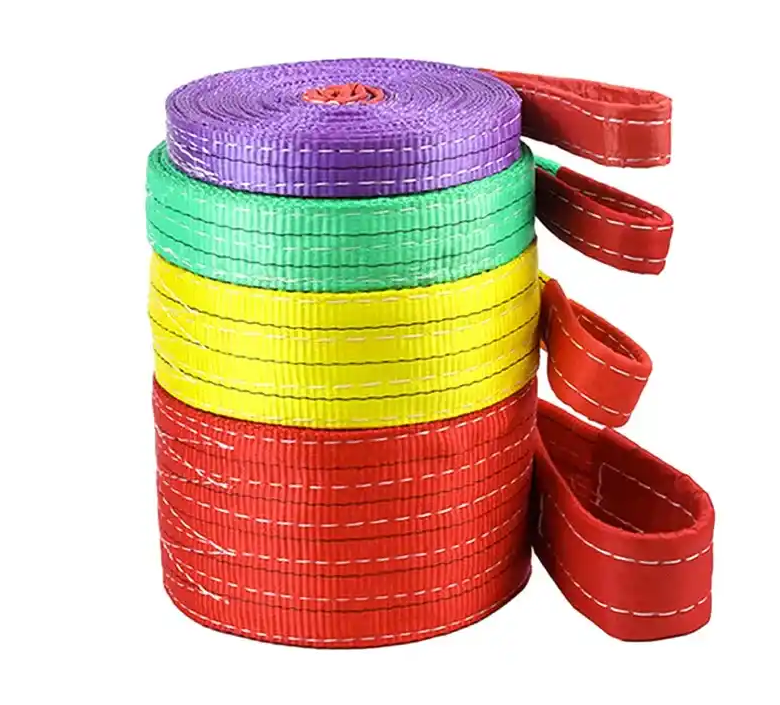
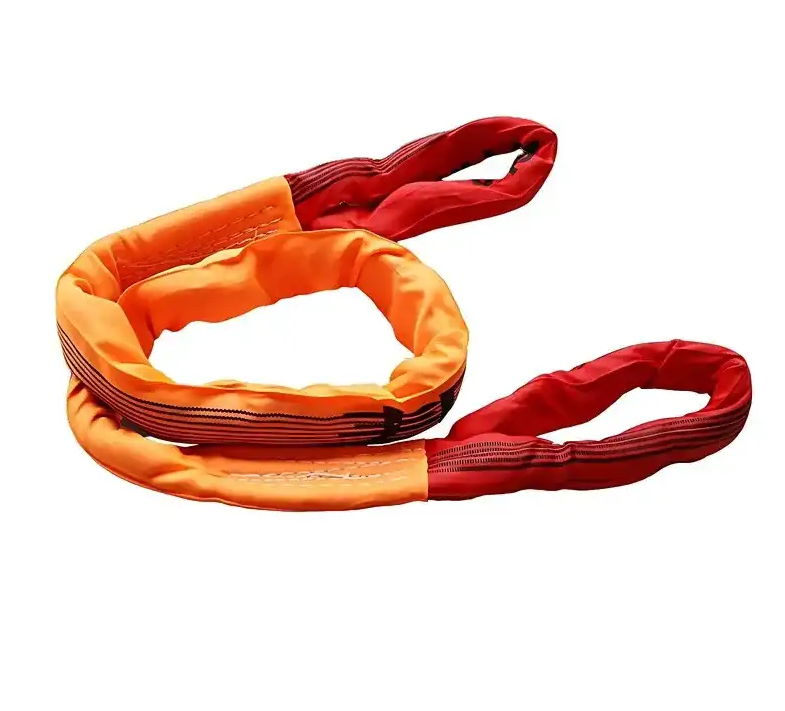
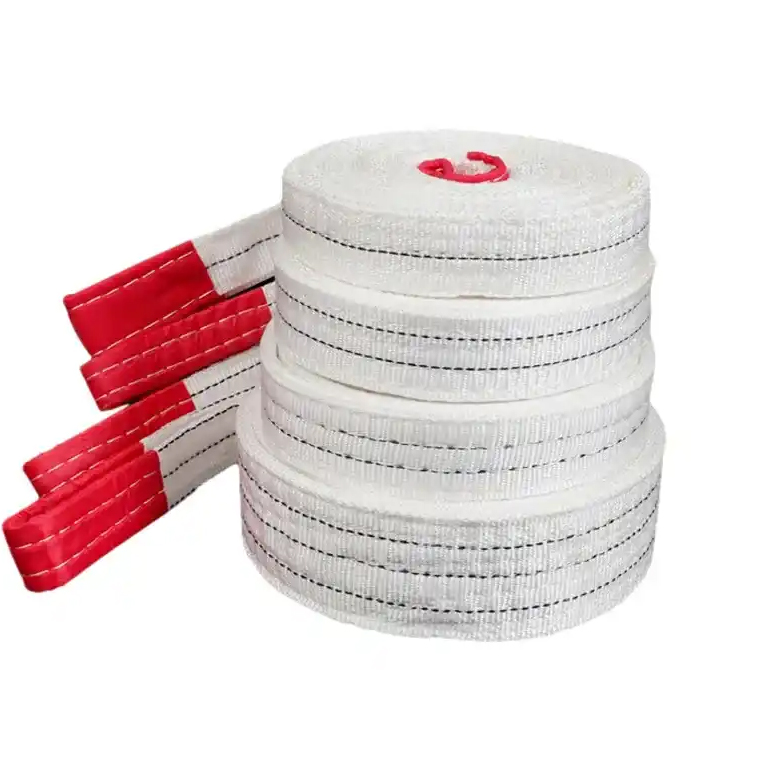
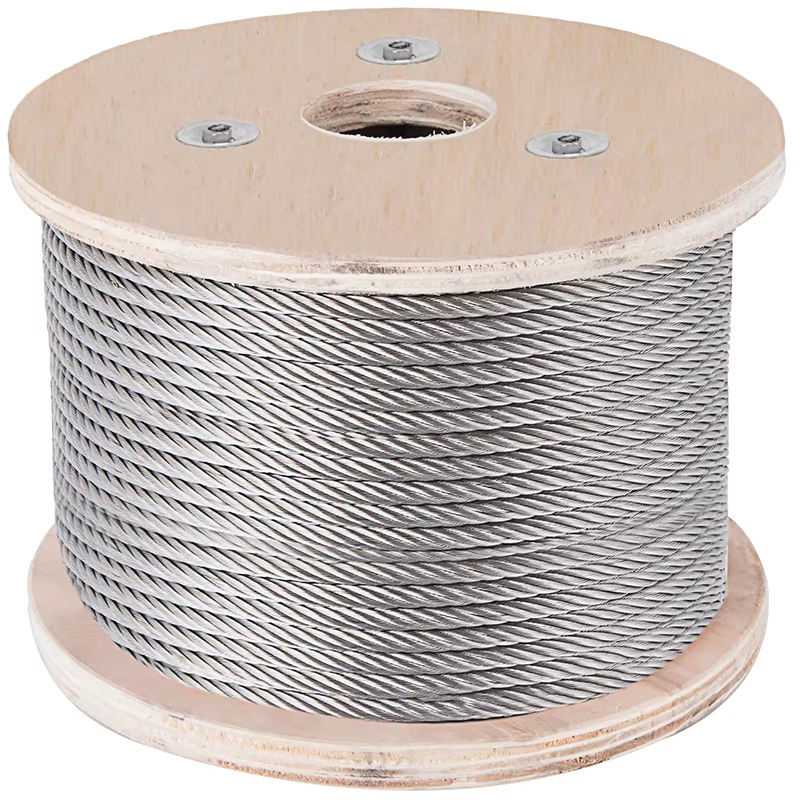
Different lifting slings are suited to different load shapes, environments, and handling requirements.
Identify the maximum actual load weight and avoid selecting equipment solely from an average or estimated load.
Confirm that the load has suitable lifting points or that an approved lifting method can be used without damaging the load.
Choose the chain grade according to the required WLL, application, applicable standards, and manufacturer's recommendations.
Use the manufacturer's rating chart to match chain diameter to the required capacity and sling configuration.
Choose a single-leg or multi-leg assembly based on the load geometry and available lifting points.
Confirm the WLL for the actual sling angle. Do not assume that a multi-leg sling has its full nominal capacity at every angle.
Hooks, master links, connectors, and shortening devices must be compatible with the chain grade and rated for the intended load.
Temperature, corrosion, chemicals, sharp edges, impact, and outdoor exposure can influence the suitability and service life of lifting equipment.
Lifting chains are safety-critical equipment. Correct selection, inspection, and operation are essential.
• Confirm the load weight.
• Check the chain identification and WLL.
• Inspect every link and fitting.
• Check hooks, latches, master links, and connectors.
• Confirm the lifting points are suitable.
• Protect the chain from sharp edges where required.
• Ensure the lifting path is clear.
• Lift smoothly and avoid shock loading.
• Keep personnel away from suspended loads.
• Keep the load balanced and controlled.
• Avoid side loading hooks unless the product is specifically rated for it.
• Do not twist or knot the chain.
• Do not drag a loaded chain across the floor.
• Do not exceed the rated capacity.
• Never use a damaged or unidentified chain.
• Never stand under a suspended load.
• Never shorten chain by tying knots.
• Never use makeshift connections.
• Never exceed the WLL.
• Never use a chain in conditions outside its rated limits.
Operators should follow the manufacturer's instructions, workplace procedures, applicable regulations, and relevant lifting standards.
Regular inspection and proper maintenance help identify damage before a lifting chain becomes unsafe.
• Check for cracks or visible fractures.
• Look for excessive wear.
• Inspect for stretching or deformation.
• Check for gouging, nicks, or corrosion.
• Look for bent or twisted links.
• Check the hook body for cracks or deformation.
• Inspect the throat opening for abnormal enlargement.
• Check safety latches where fitted.
• Confirm the hook is not twisted or side-loaded.
Master links, connecting links, shortening devices, and other fittings should be inspected for deformation, wear, cracking, and compatibility.
Keep lifting chains reasonably clean so damage can be identified. Store chains in a dry, organized location where they will not be exposed unnecessarily to corrosive chemicals, impact, or mechanical damage.
Any chain or fitting showing unacceptable damage, deformation, excessive wear, identification loss, or other conditions defined by the applicable requirements should be removed from service and evaluated by a competent person.
Heavy-duty applications require more than a strong chain. The complete lifting assembly must be designed around the load, lifting points, configuration, and working conditions.
• High-strength alloy lifting chain
• Reinforced master-link assemblies
• Heavy-duty lifting hooks
• Shortening or grab hooks where appropriate
• Traceable identification
• Configuration matched to the required WLL
• Steel structures
• Heavy machinery
• Industrial molds
• Engines and motors
• Pipes and fabricated components
• Construction equipment
• Industrial equipment for installation and maintenance
For demanding projects, the lifting plan should be reviewed by competent personnel and the selected chain sling should be supported by appropriate product documentation and capacity information.
For lifting and material-handling distributors, lifting chains are a practical product category because they can serve construction, manufacturing, logistics, maintenance, fabrication, and industrial customers.
• Lifting equipment distributors
• Industrial supply companies
• Construction companies
• Factories and workshops
• Steel fabrication companies
• Logistics and warehousing companies
• Crane service companies
• Maintenance contractors
• Hand chain hoists
• Lever hoists
• Electric chain hoists
• Wire rope hoists
• Lifting slings
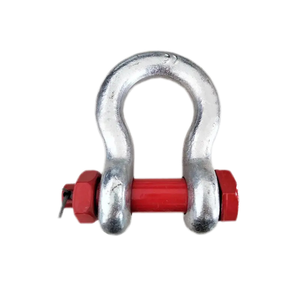
• Shackles and lifting hooks
• Hydraulic jacks
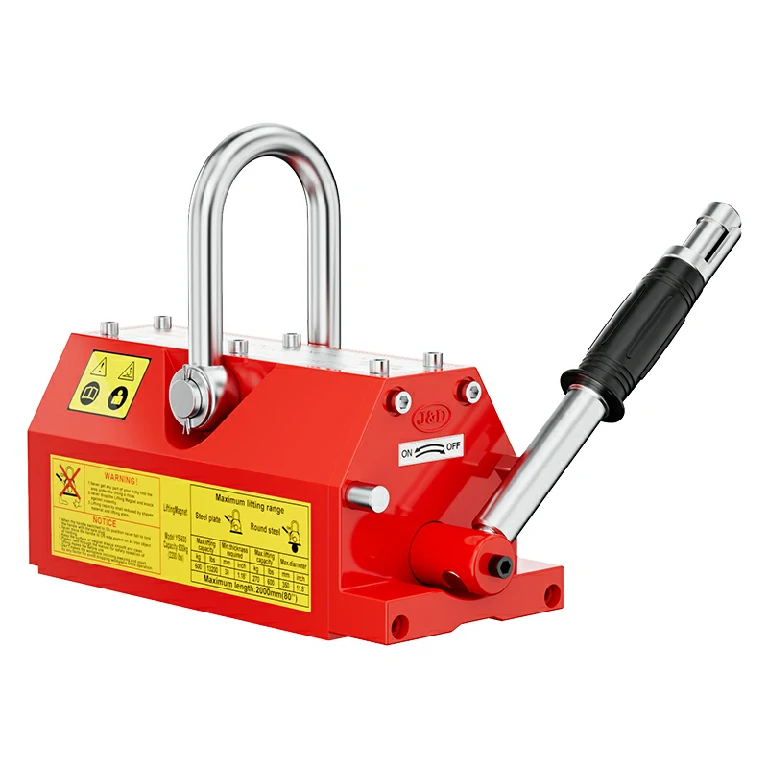
• Magnetic lifters
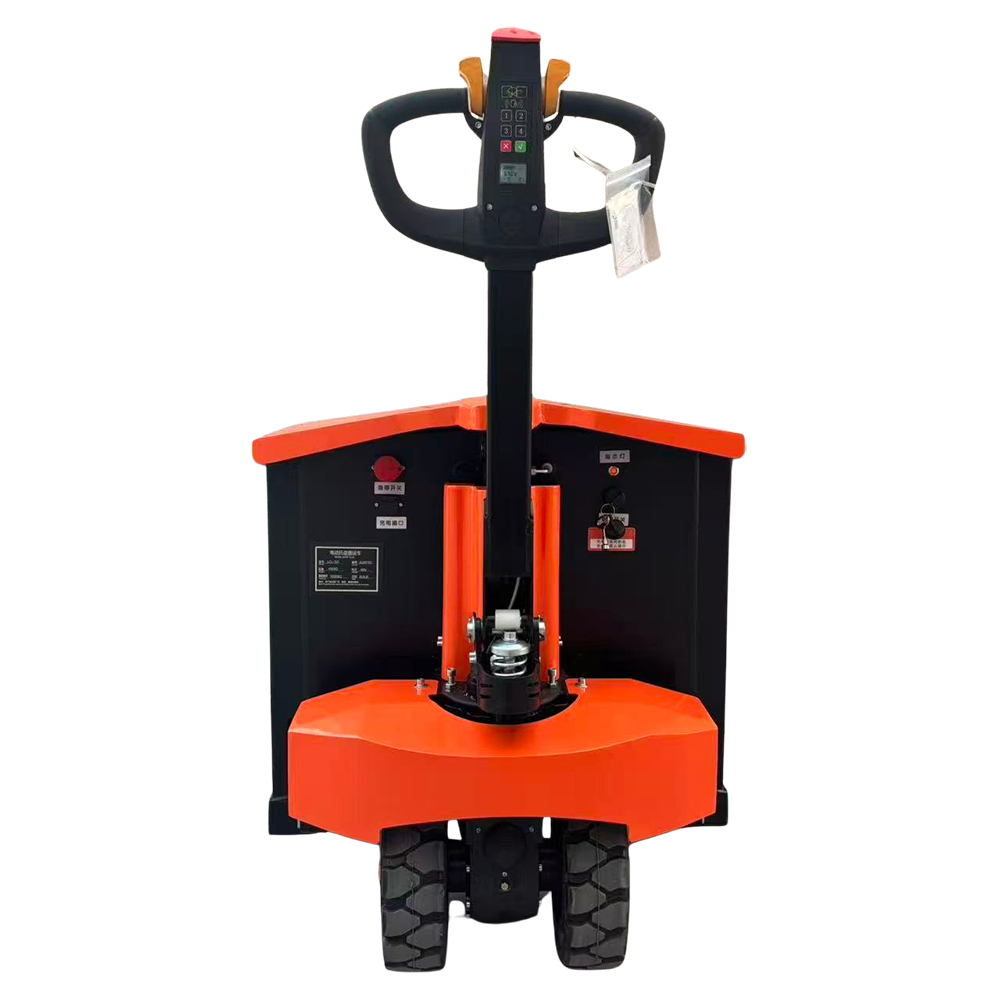
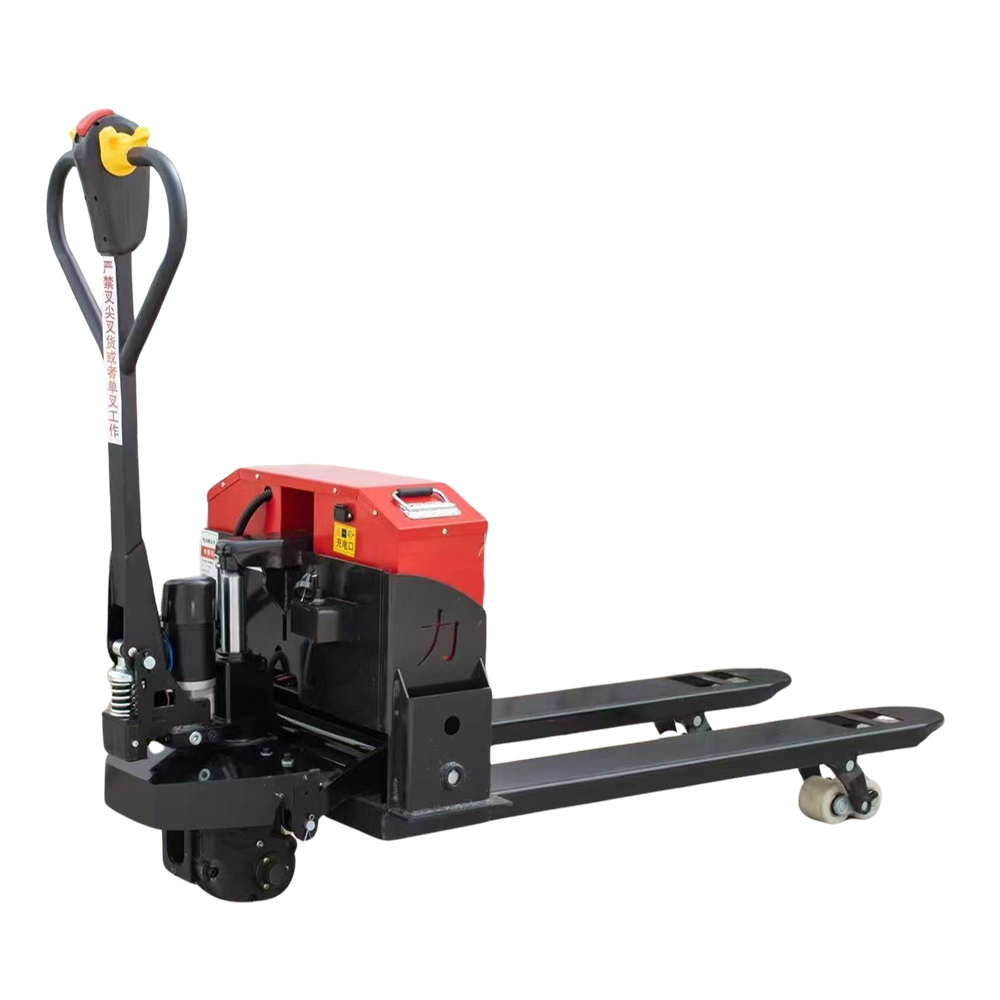
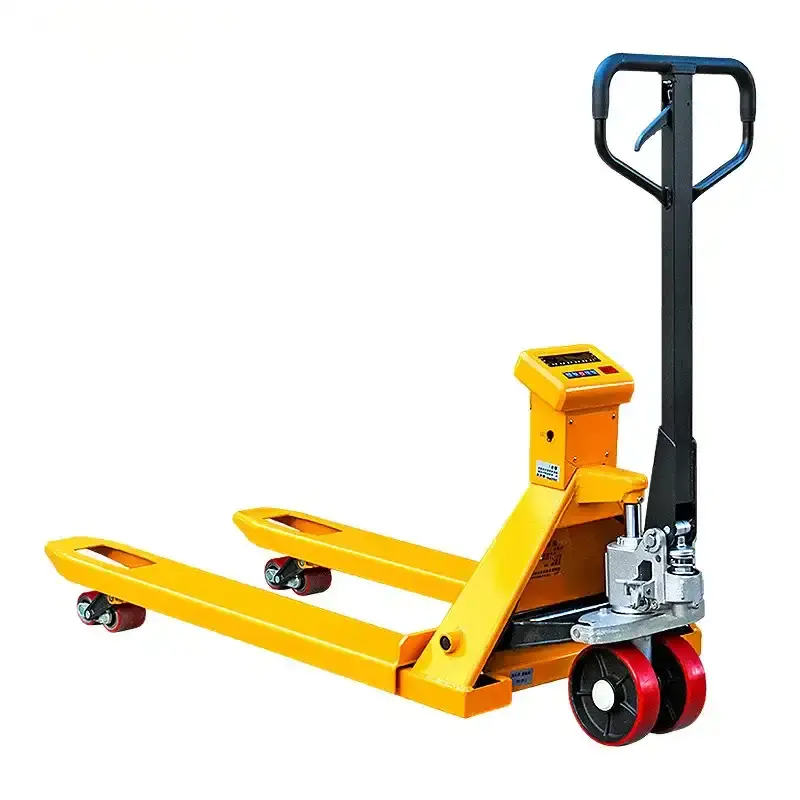
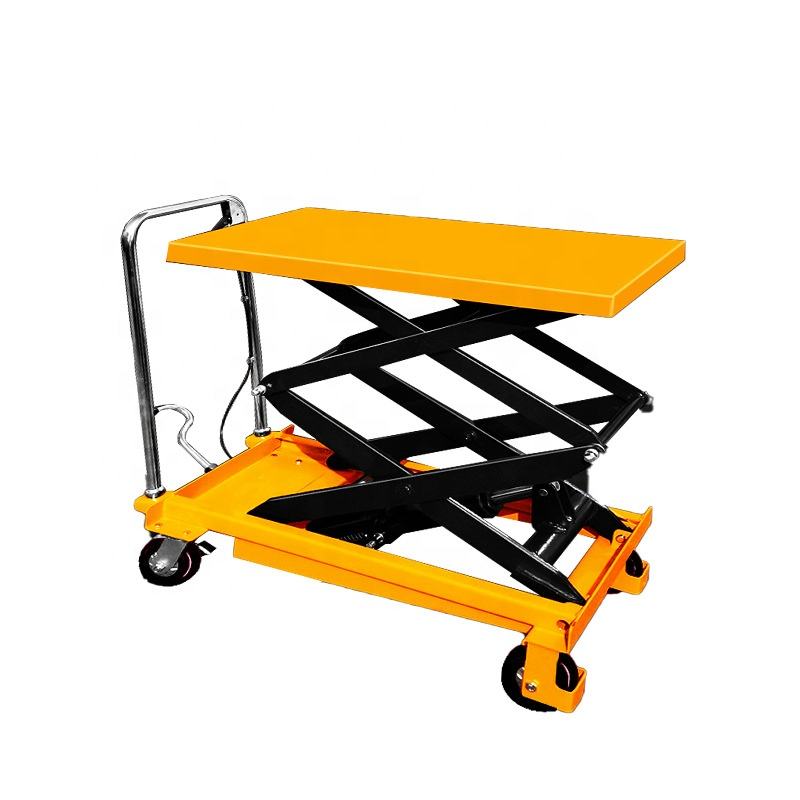
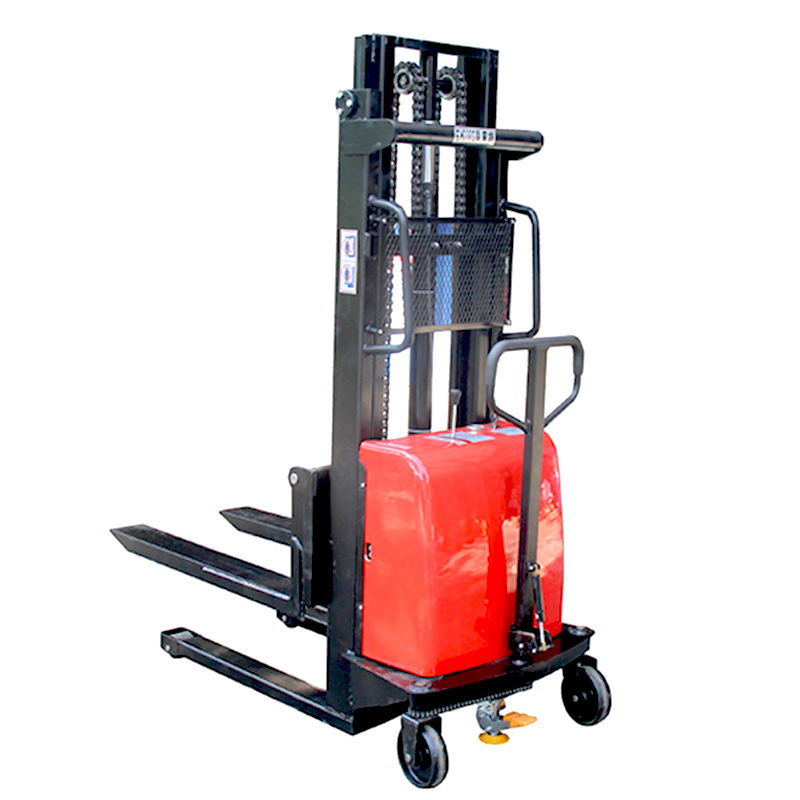
• Manual and electric pallet trucks
A distributor can therefore offer a broader lifting solution rather than selling a single chain product. Stocking different grades, diameters, lengths, and sling configurations can also help serve customers with different lifting requirements.
Industrial lifting is becoming increasingly focused on safety, traceability, efficiency, and standardized equipment selection. Lifting chains remain important because they combine flexibility with high load-bearing capability.
Professional buyers increasingly expect clear product identification, capacity information, inspection records, and consistent documentation.
Higher-strength chain grades can allow users to achieve required capacities with compact lifting assemblies when the application and applicable requirements permit their use.
Customers increasingly prefer suppliers that can provide compatible chains, hooks, hoists, slings, and other lifting equipment from a coordinated product range.
Price remains important, but professional lifting customers also consider reliability, documentation, component compatibility, service support, and long-term supply stability.
For manufacturers and distributors, this creates an opportunity to build long-term relationships by supplying complete, clearly specified lifting solutions.
A Lifting Chain is a fundamental component of professional lifting equipment. When correctly selected and used, it provides a flexible and durable method for lifting and positioning heavy industrial loads.
When choosing a lifting chain, buyers should carefully evaluate chain grade, diameter, working load limit, sling configuration, lifting angle, hooks and fittings, load geometry, operating environment, and inspection requirements.
Safety should always take priority over price or convenience. The complete lifting assembly must be suitable for the intended load, and operators should follow the manufacturer's instructions and applicable lifting requirements.
For distributors and industrial customers, lifting chains can also form an important part of a broader material-handling portfolio, together with chain hoists, lever hoists, electric hoists, slings, hooks, jacks, and other lifting equipment.
A properly selected lifting chain is not simply a steel chain—it is a safety-critical lifting component that supports controlled, efficient, and reliable material handling.
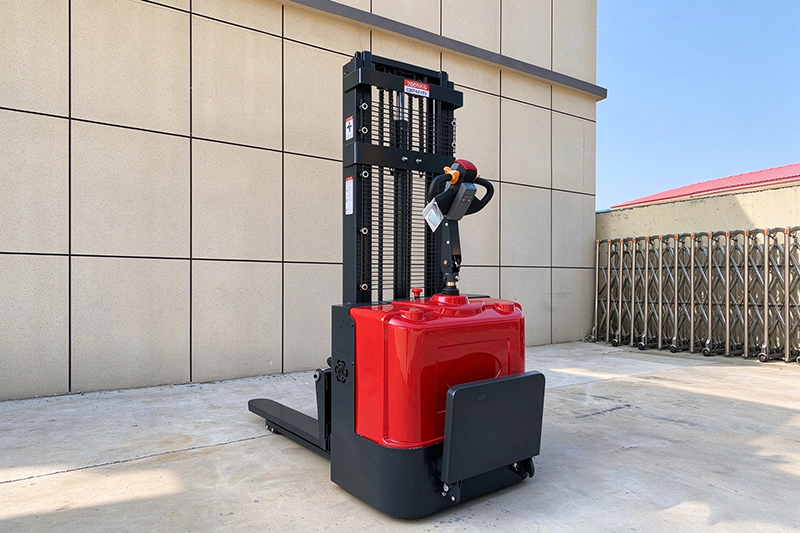
Modern warehouses, distribution centers, and manufacturing facilities need efficient ways to lift, move, and stack palletized goods. As businesses handle more products and work to optimize storage space, choosing the right material handling equipment becomes increasingly important.
2026-10-21View More →
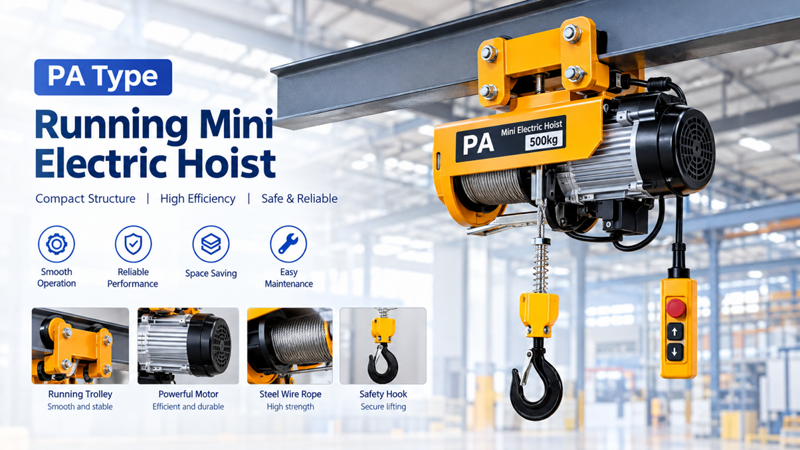
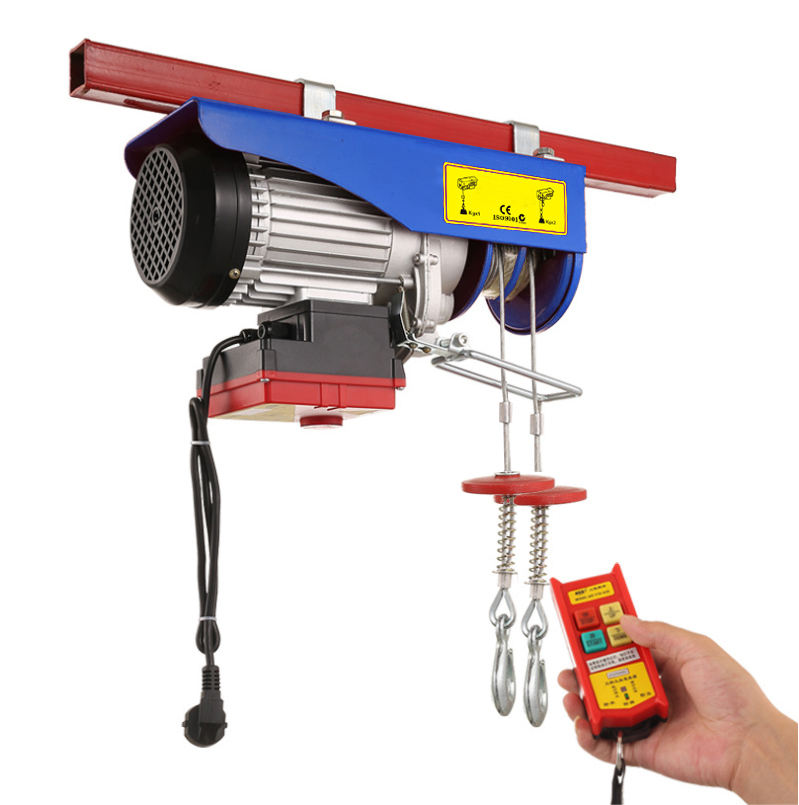
Learn about PA type running mini electric hoist, including key selection factors, typical applications, safety operation tips for small lifting jobs.
2026-10-20View More →
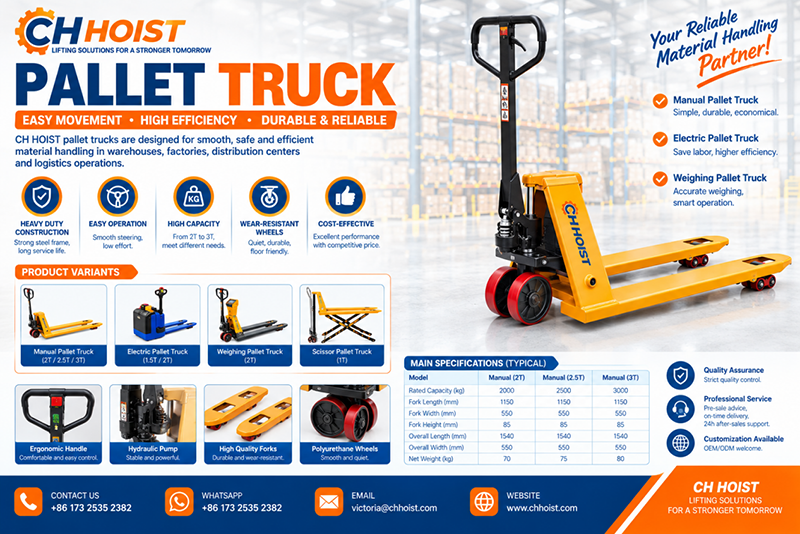
A pallet truck, also known as a pallet jack or pallet trolley, is one of the most practical tools for transporting palletized materials over short distances. Compared with moving goods manually, pallet trucks help reduce physical effort, improve workflow, and make warehouse operations more efficient.
2026-10-19View More →


 Tel:
+8613653129869
 Whatsapp:
+8613653129869
 Email:
chuanghehoist@gmail.com
 Address:Donglu Village, Donglu Township, Qingyuan District, Baoding City, Hebei Province

 English
 Français
 Español

 Email
 +8613653129869
 +8613653129869

 Home
 Whatsapp
 chuanghehoist@gmail.com