

If you have any questions, please contact our online customer service staff immediately
 Click:274
Edit: Chuanghe Hoisting
 Time:2026-09-21 14:39:24
Efficient vertical material handling is essential for factories, construction sites, warehouses, logistics centers, shipyards, and production workshops. As industrial loads become heavier and production cycles demand higher speed and precision, businesses increasingly need reliable overhead lifting equipment that can move heavy materials vertically and horizontally while eliminating manual strain.
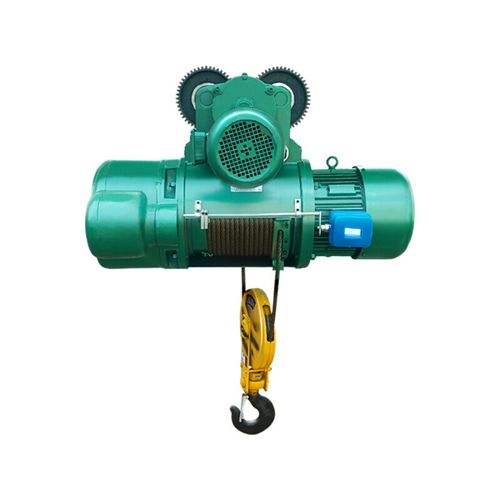
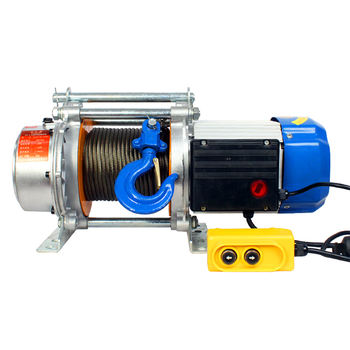
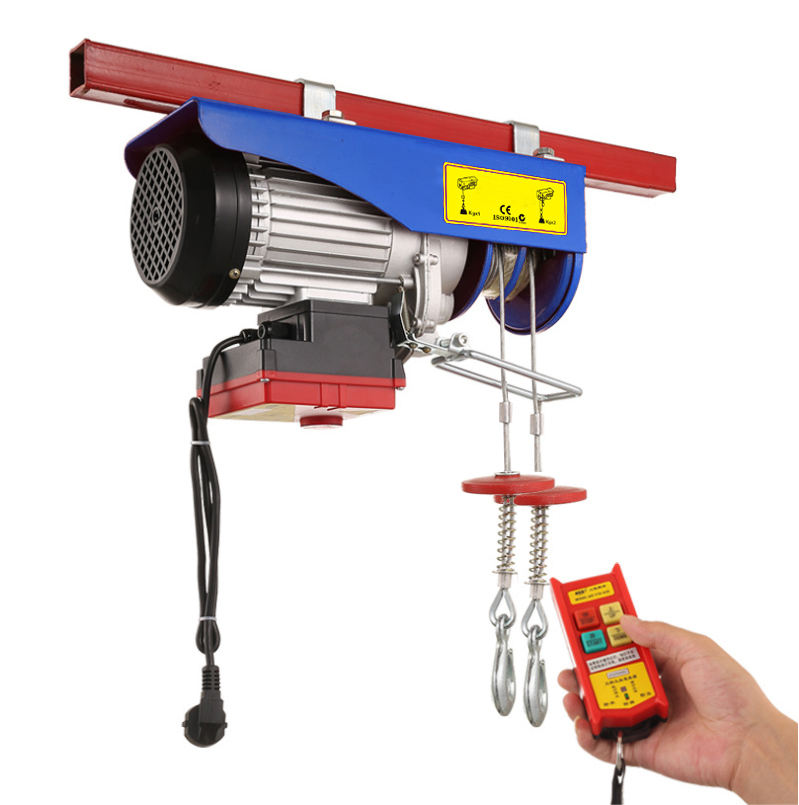
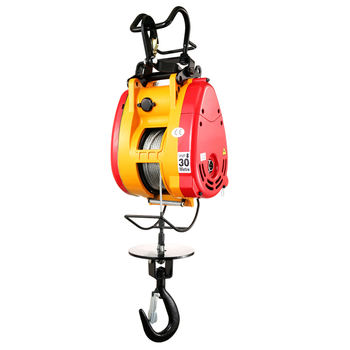
An Electric Hoist is a powered mechanical lifting device designed to raise, lower, and move heavy loads along a beam or rail. Utilizing an electric motor, precision gearing, electromagnetic braking system, and high-strength lifting medium (load chain or steel wire rope), electric hoists streamline heavy lifting tasks across industrial environments.
For companies that require safe, high-capacity, and effort-free vertical lifting for assembly lines, workstations, or overhead cranes, an electric hoist is an indispensable solution.
What Is an Electric Hoist?
An electric hoist is an electric-powered machine mounted on overhead beams, monorails, jib cranes, or gantry structures to lift and lower heavy palletized goods, raw materials, machinery components, and industrial equipment. Depending on the lifting medium used, electric hoists are primarily categorized into Electric Chain Hoists and Electric Wire Rope Hoists.
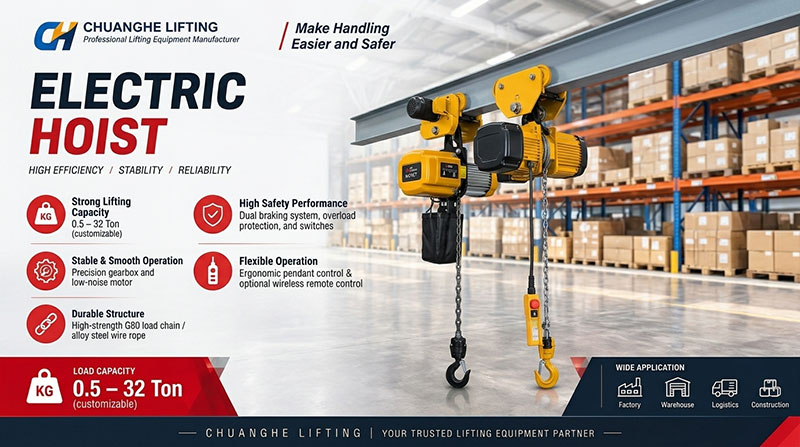
● Electric Motor: High-torque motor designed for heavy duty cycles and frequent start-stops.
● Gearbox / Transmission: Heat-treated precision alloy steel gears providing smooth torque transmission.
● Dual Braking System: Electromagnetic brake combined with a mechanical load brake for instant stopping power.
● Hoisting Drum / Sprocket: Precision-machined steel drum (for wire rope) or load sprocket (for chain).
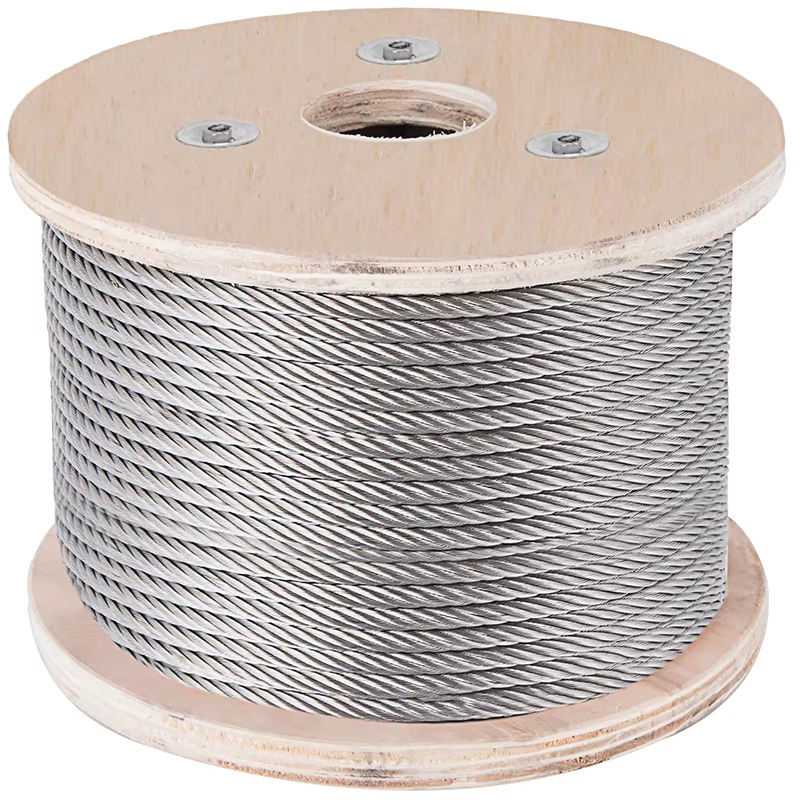
● Lifting Medium: High-tensile G80/G100 alloy chain or heavy-duty galvanized steel wire rope.
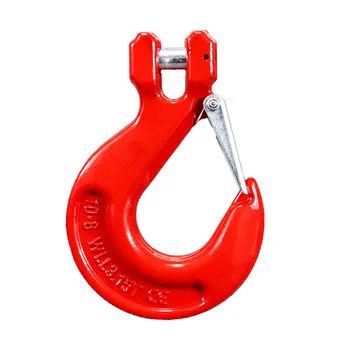
● Hook Assembly: Drop-forged alloy steel hook with 360-degree rotation and heavy-duty safety latch.
● Limit Switches: Upper and lower position switches to prevent over-winding and hook over-travel.
● Control System: Pushbutton pendant control station (IP65) or long-range wireless radio control.
● Electric Motorized Trolley (Optional): Powered trolley allowing smooth horizontal traverse along I-beams or crane girders.
The operator positions the hook over the load, secures the slings or rigging hardware, and uses the push-button control station to lift, move, and position the load with millimetric precision.
Understanding the basic operational workflow ensures optimal equipment selection, smooth factory operations, and high safety standards.
1. Position & Rig the Load: The operator maneuvers the hoist and hook directly above the load's center of gravity to prevent side-pulling. Certified rigging slings, shackles, or lifting clamps are securely connected to the forged safety hook.
2. Inspect & Engage: The safety latch on the hook snaps shut to prevent accidental sling disengagement. The operator checks that the lifting chain or wire rope is aligned without twists or kinks.
3. Lift the Load: Activating the "UP" button energizes the electric motor and releases the electromagnetic brake. The gearbox drives the drum or sprocket, smoothly coiling the wire rope or chain and lifting the load. Upper limit switches safeguard against over-travel.
4. Traverse the Load (Optional): If equipped with an electric motorized trolley, the operator presses the direction controls (East/West or Forward/Reverse) to travel along the monorail or overhead crane bridge to the destination.
5. Position, Lower & Release: The operator positions the load accurately over the target area, depresses the "DOWN" button for controlled descent, lands the load, releases tension, and unhooks the rigging.
Electric hoists are globally trusted in manufacturing and industrial handling due to their performance, high efficiency, and safety compliance.
● Elimination of Manual Labor: Powered lifting completely replaces manual chain blocks, protecting workers from musculoskeletal injuries and extreme fatigue.
● High Precision & Controlled Speed: Dual-speed motors or Variable Frequency Drives (VFD) allow smooth inching and micro-positioning for delicate assembly work.
● Versatile Installation Options: Can be mounted to stationary hook suspensions, push trolleys, motorized trolleys, jib cranes, gantry cranes, and single/double girder overhead cranes.
● Superior Safety Standards: Equipped with automatic fail-safe brakes, electronic thermal motor protection, overload limiters, and emergency stop switches.
● High Operational Efficiency: High lifting speeds significantly shorten material handling cycle times in high-volume production lines.
Manufacturing & Assembly Facilities
Electric hoists transport raw materials, engine blocks, machine dies, and heavy fabrications between machining centers and assembly lines.
Machinery Repair & Automotive Workshops
Used for pulling engines, positioning heavy gearboxes, and handling automotive chassis with fine control.
Warehouses & Logistics Hubs
Used on monorails and gantry systems to load and unload heavy wooden crates, structural steel, and oversized goods.
Construction Sites & Infrastructure
Deployed on gantry cranes and scaffolding structures to raise building materials, steel rebar, and concrete forms to elevated working platforms.
Shipyards, Ports & Mining
Heavy-duty wire rope hoists handle marine components, pipe assemblies, and mining equipment under demanding conditions.
Feature | Manual Chain Block | Electric Chain Hoist | Electric Wire Rope Hoist |
Power Source | Manual hand power | Electric motor (1-Phase / 3-Phase) | Electric motor (3-Phase) |
Lifting Capacity | 0.5t – 10t | 0.5t – 5t (up to 10t) | 2t – 32t+ (Heavy tonnage) |
Lifting Speed | Slow / Manual effort | Medium to Fast (4–8 m/min) | High Speed (8–12+ m/min) |
Duty Rating | Light / Intermittent | Medium to Heavy (M4 / M5) | Heavy to Severe (M5 / M6) |
Headroom & Space | Compact | Very Compact | Standard / Low Headroom options |
Typical Use | Occasional maintenance | Workstations, Jib Cranes, Factories | Overhead Cranes, Heavy Industry |
Operator Effort | High | Low (Push-button control) | Low (Push-button / Remote control) |
Selecting the proper electric hoist requires evaluating load weight, lifting height, duty cycle, facility layout, and ambient conditions:
1. Rated Load Capacity: Always select a hoist capacity that exceeds your heaviest expected load (e.g., 1t, 2t, 3t, 5t, 10t, 20t). Avoid operating continuously at 100% capacity.
2. Lifting Height & Speed: Determine the total elevation needed from floor level to maximum hook position. Choose dual-speed or VFD control if precise positioning is needed.
3. Hoist Type Selection:
○ Electric Chain Hoist: Best for loads under 5 tons, compact spaces, workstation jib cranes, and high-frequency vertical lifting.
○ Electric Wire Rope Hoist: Best for heavy loads (above 5 tons), high lift heights, high speeds, and severe heavy-duty overhead crane duty.
4. Power Supply & Voltage: Match local electrical supply (e.g., 3-Phase 380V/415V/440V 50/60Hz or Single-Phase 110V/220V).
5. Duty Class / Working Grade: Select according to FEM/ISO classifications (M3, M4, M5, M6) based on daily operating hours and average load factors.
6. Trolley & Mounting Configuration:
○ Fixed Type (Hook / Lug Mount): Stationary vertical lifting.
○ Manual Push Trolley: Manual horizontal positioning along I-beam.
○ Electric Motorized Trolley: Powered horizontal travel controlled via pendant/remote.
7. Operating Environment:
○ Standard Indoor: Dust-proof IP54/IP55 protection.
○ Explosion-Proof (ATEX): Required for chemical plants, gas, and oil refineries.
○ Corrosion-Resistant / Food Grade: Stainless steel chain and food-grade lubricants for cleanrooms/food processing.
Safety is paramount when handling suspended heavy loads overhead. Standard safety systems include:
● Electromagnetic DC Motor Brake: Automatically engages immediately when power is cut or interrupted.
● Mechanical Load Brake: Secondary friction brake preventing load free-fall even if primary power fails.
● Friction Clutch / Overload Protection: Slipping clutch prevents lifting if load exceeds rated capacity.
● Upper & Lower Limit Switches: Automatically cuts motor power at top and bottom travel limits to prevent structural damage.
● Emergency Stop Switch: Red mushroom button on pendant/remote instantly shuts off main contactor power.
● Phase Error Relay: Prevents motor startup in case of incorrect electrical phase wiring.
For demanding industrial environments, specialized configurations are available:
● Low Headroom Electric Hoist: Designed for buildings with low ceiling clearance to maximize lifting height.
● Explosion-Proof Electric Hoist: Built with spark-resistant copper-plated hooks, flameproof motors, and sealed electrical enclosures.
● Metallurgical / Foundry Hoist: Features high-temperature resistant wire rope, dual lifting brakes, and heat insulation shields.
● European-Style (FEM Standard) Hoist: Compact, light self-weight, modular design, low noise, and stepless frequency inverter control.
All powered lifting equipment should be operated only by trained, authorized personnel following safety regulations.
Pre-Operation Checks
● ✔ Inspect the hook for cracks or latch deformation.
● ✔ Check load chain or wire rope for wear, fraying, twists, or lack of lubrication.
● ✔ Test the upper/lower limit switches and emergency stop function before lifting.
● ✔ Ensure the travel beam and lifting path are free of obstacles and personnel.
During Operation
● ✔ Keep load strictly vertical under the hoist (NO side pulls).
● ✔ Perform a short test lift (10–15 cm) to verify braking capacity before full lift.
● ✔ Warn bystanders and never move suspended loads over personnel.
● ✔ Maintain clear line of sight to the load at all times.
Absolute Prohibitions
● ✖ NEVER exceed rated load capacity.
● ✖ NEVER use electric hoist to transport people.
● ✖ NEVER leave suspended loads unattended.
● ✖ NEVER use damaged lifting chain or kinked wire rope.
Routine preventive maintenance ensures long service life, high reliability, and operational safety.
Load Chain / Steel Wire Rope Maintenance
● Clean and apply designated gear lubricant to load chain or wire rope weekly.
● Inspect wire rope for broken wires, strand flattening, or corrosion. Replace immediately if wear limits are reached.
Braking System & Clutch
● Regularly check brake disc clearance and pad wear.
● Inspect overload slipping clutch torque settings according to manufacturer specifications.
Gearbox & Motor
● Inspect gearbox oil level periodically and perform complete oil change after initial running-in period.
● Check motor cooling fins for dust buildup to prevent thermal overheating.
Electrical Controls & Cable
● Inspect pendant control pushbuttons, emergency stop button, and pendant cord strain relief cable.
● Check electrical contactors for arcing or loose wiring terminals.
For material handling equipment distributors, machinery dealers, and industrial supply wholesalers, electric hoists are a high-margin, high-demand product category.
High Demand Across Diverse Sectors
● Manufacturing Plants & Metal Fabrication Shops
● Construction Contractors & Crane Builders
● Warehouses, Ports & Mining Corporations
Excellent Cross-Selling & Solution Bundling
Electric hoists can be sold alongside complementary material handling equipment:
● Overhead Cranes & Gantry Cranes
● Workstation Jib Cranes & Monorails
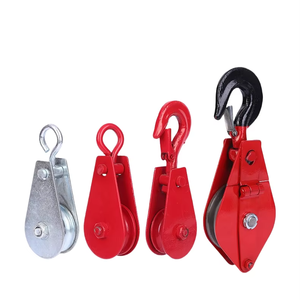
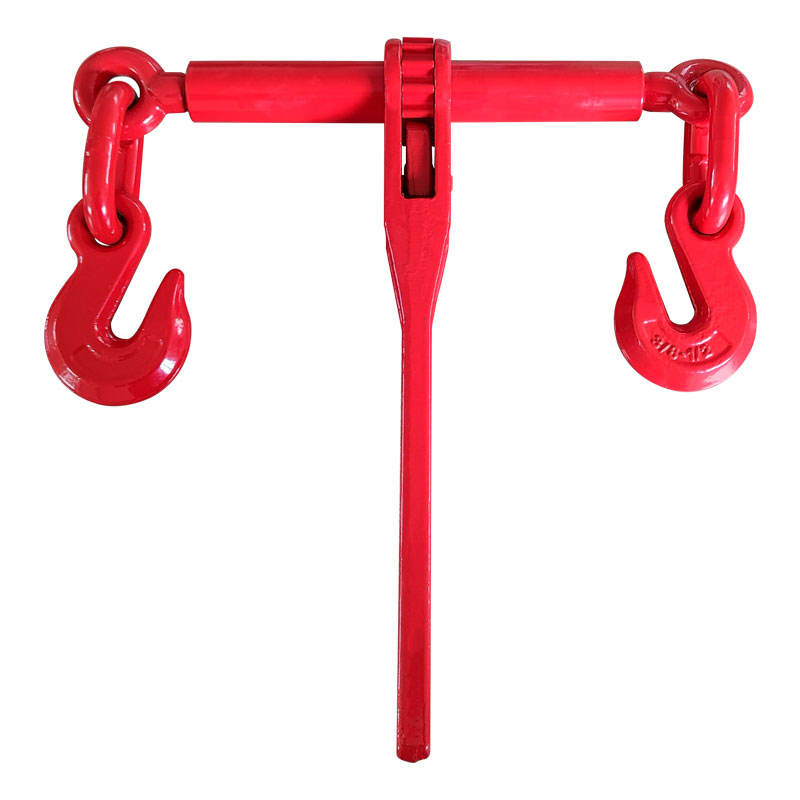
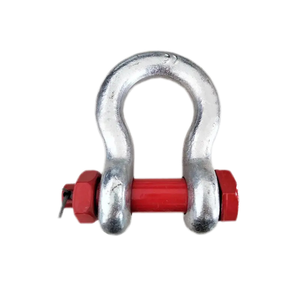
● Lifting Slings, Shackles & Rigging Hardware
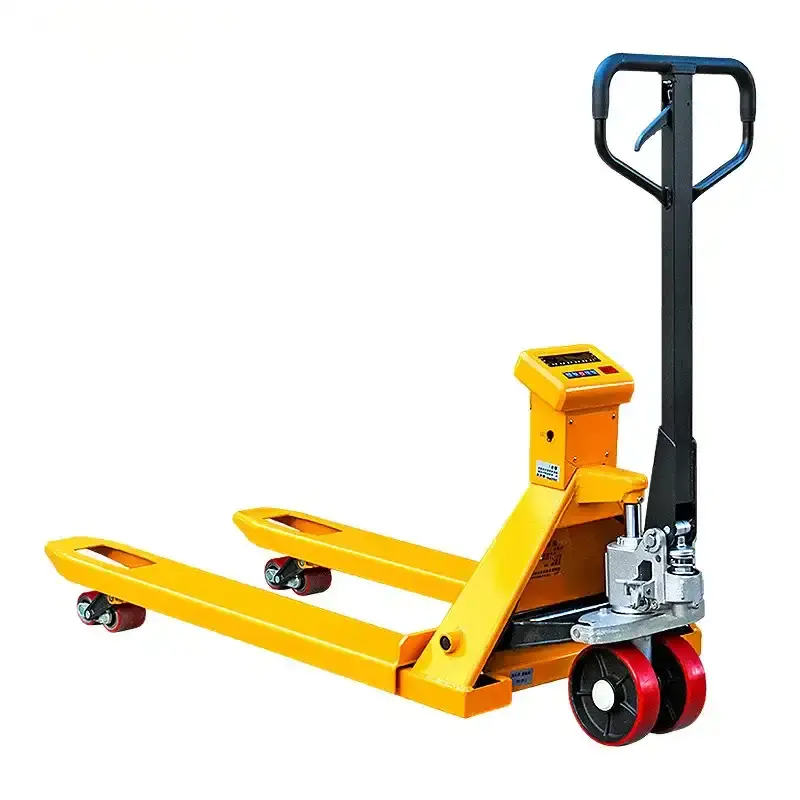
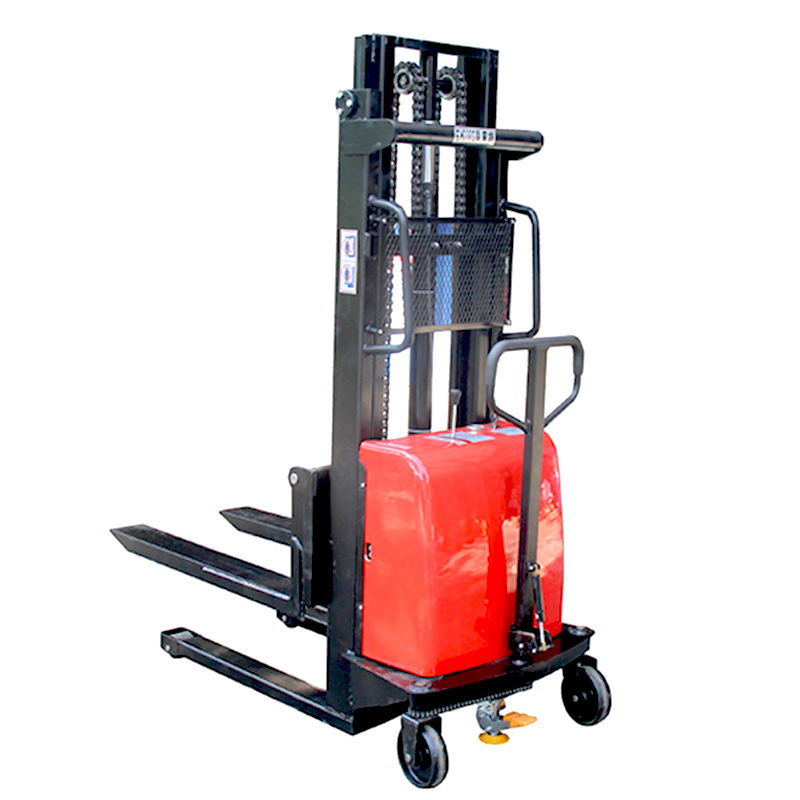
● Electric Stackers & Pallet Trucks
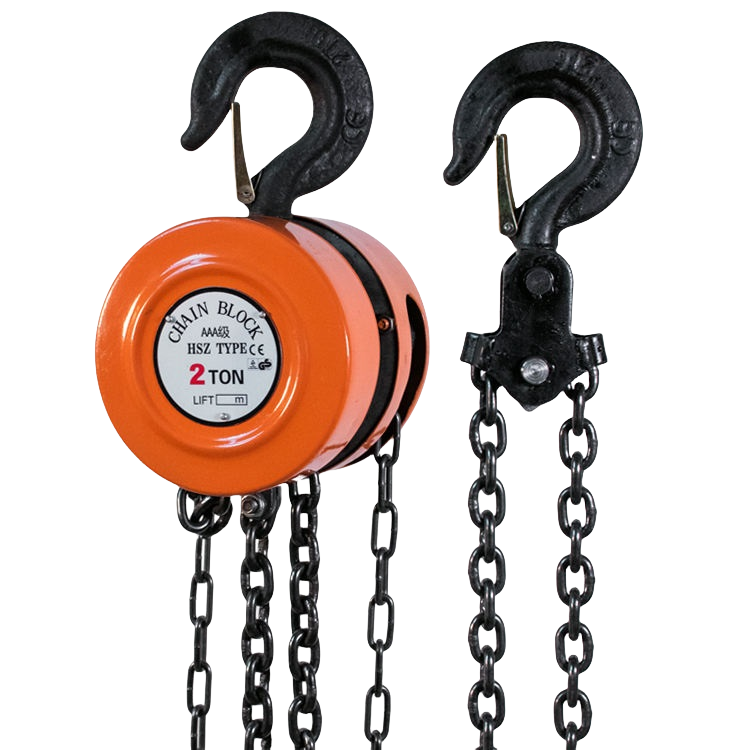
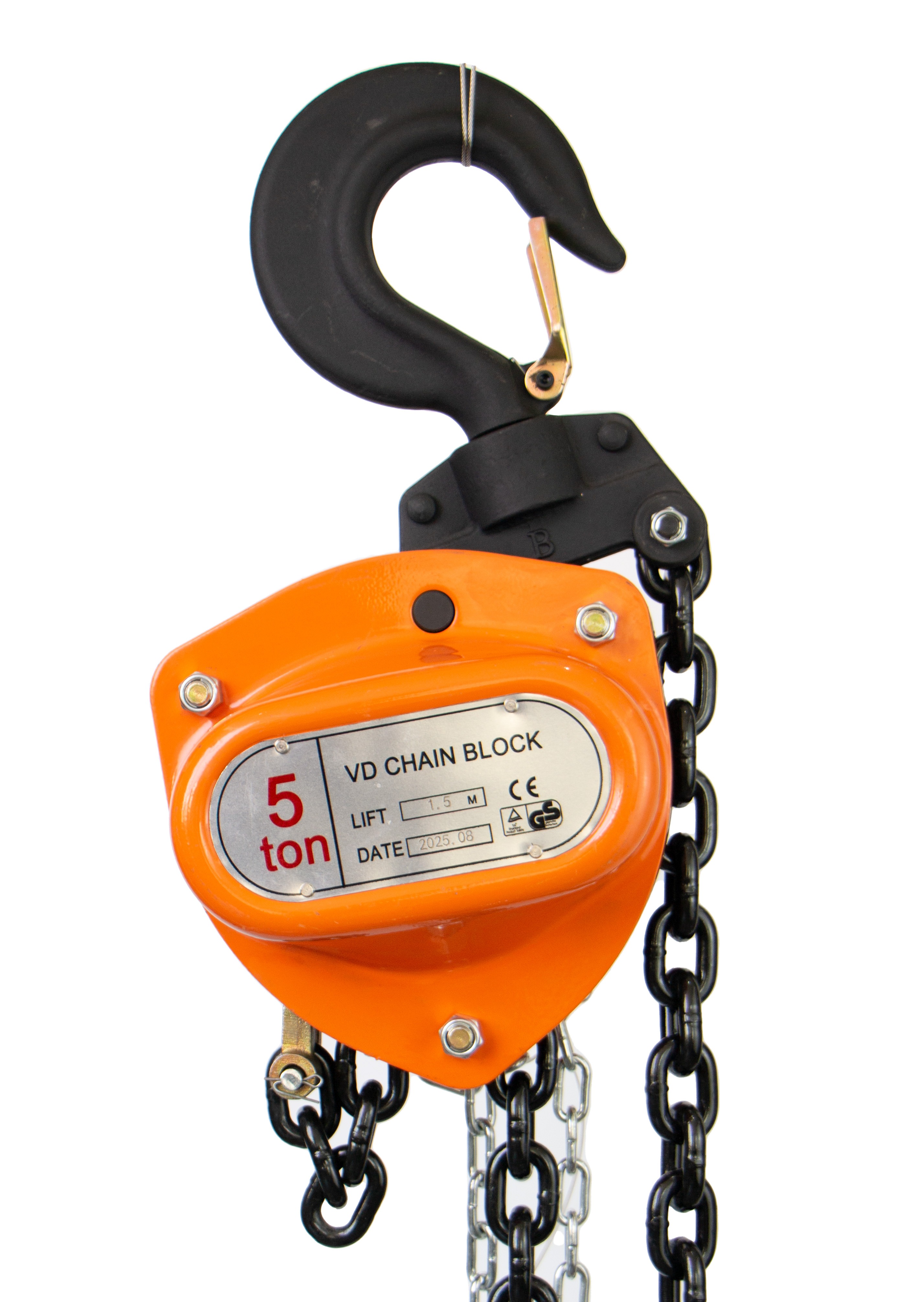
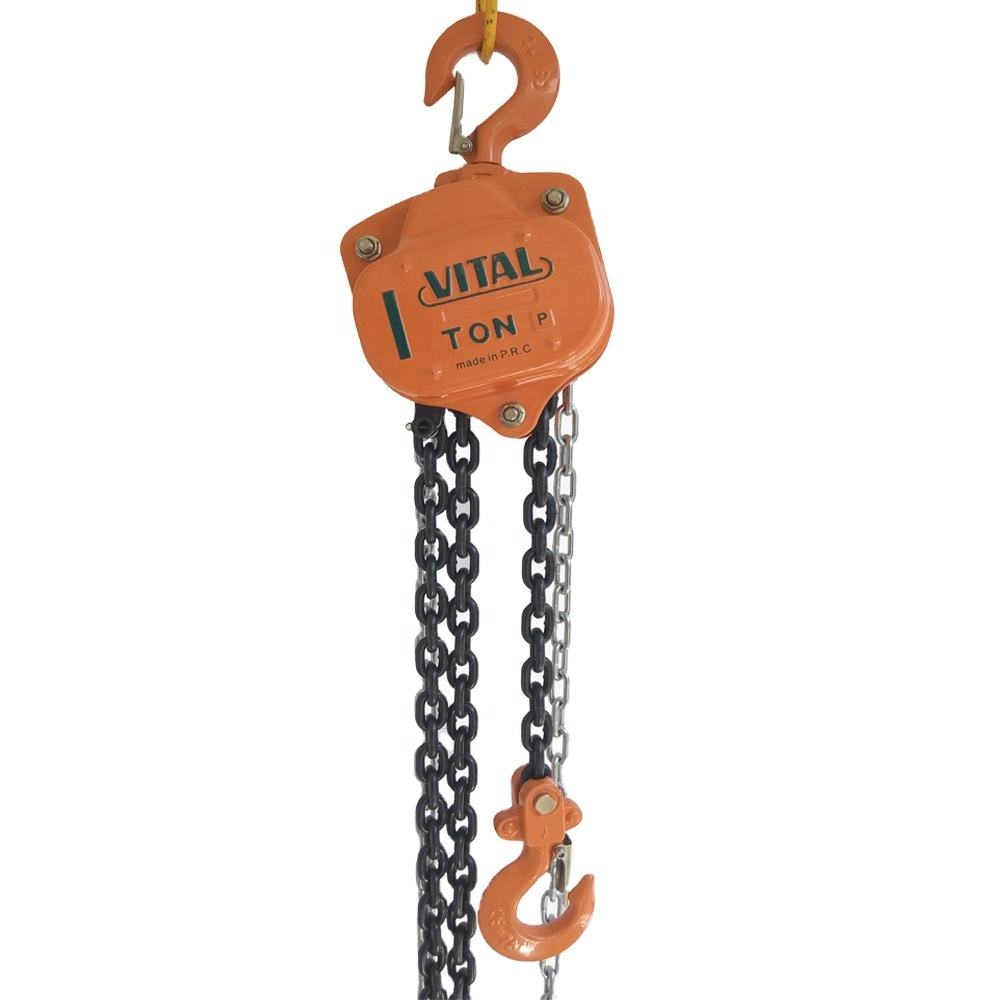
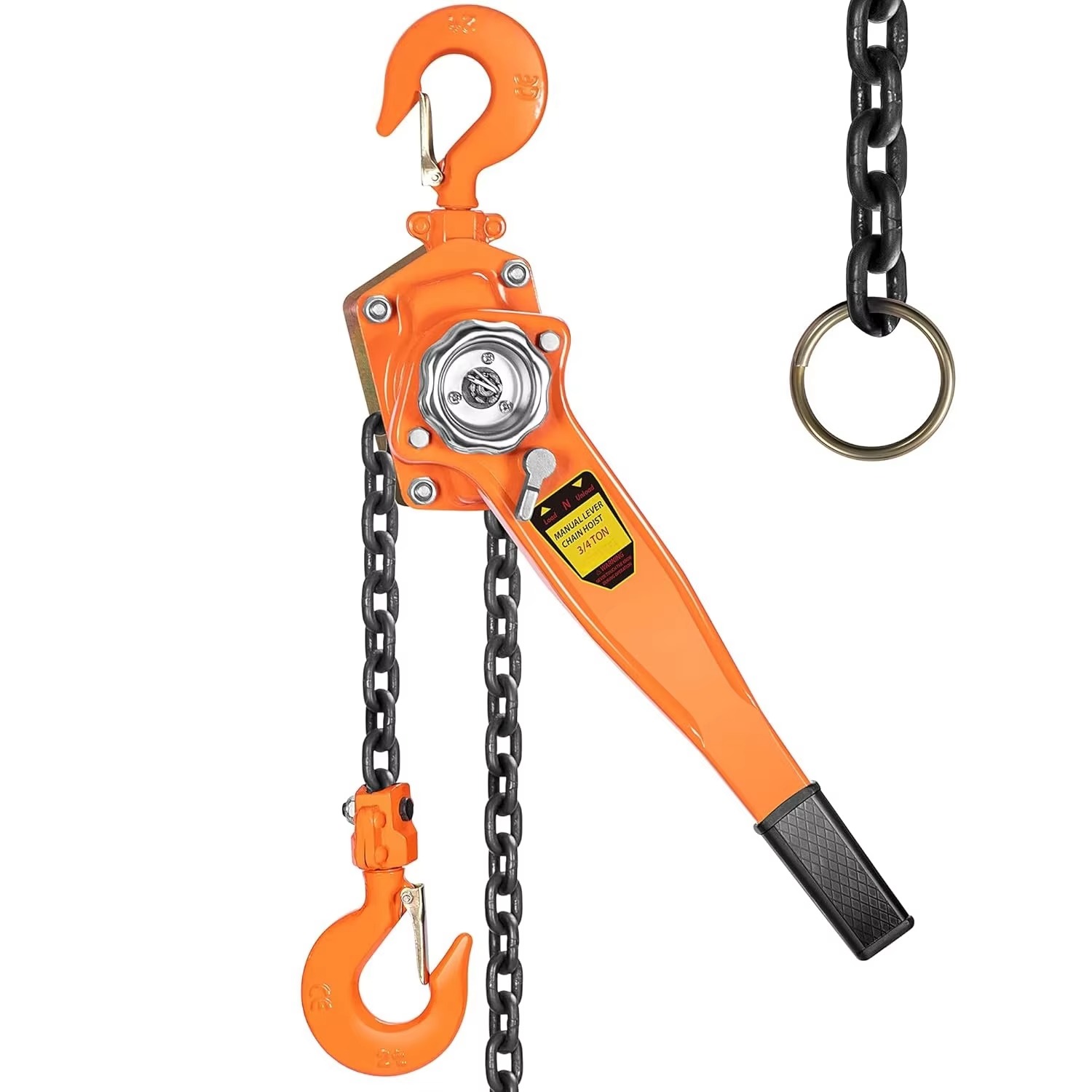
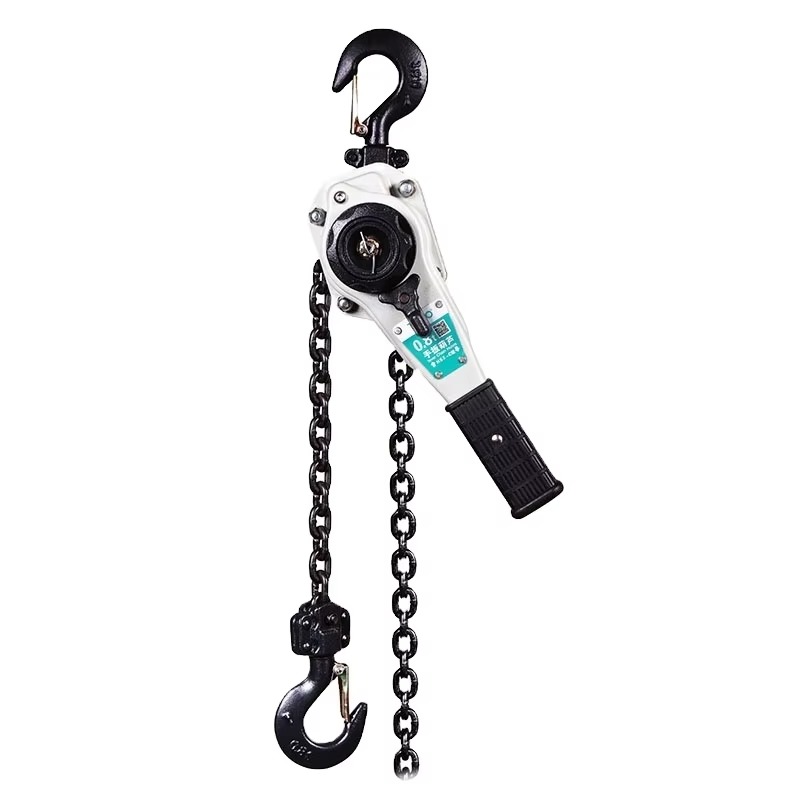
● Manual Hand Chain Blocks & Lever Hoists
Offering complete overhead lifting systems enables distributors to deliver full-service solutions rather than single-item sales.
Modern material handling is evolving toward intelligent automation, remote diagnostics, and energy efficiency.
Key Technological Trends
● Smart Diagnostics & IoT Monitoring: Real-time tracking of motor runtime, overload events, brake wear, and maintenance alerts.
● Variable Frequency Drive (VFD) Integration: Stepless speed control providing smooth acceleration, anti-sway control, and precise positioning.
● Energy-Efficient Motors & Compact Modular Designs: Higher power efficiency and reduced dead weight for lighter crane structures.
An Electric Hoist is an indispensable vertical lifting solution for modern factories, warehouses, and industrial job sites requiring high efficiency, heavy load handling, and uncompromising operator safety.
When selecting an electric hoist, buyers should evaluate load capacity, lifting height, lifting speed, hoist type (chain vs. wire rope), power supply, duty cycle, environment, and trolley mounting options.
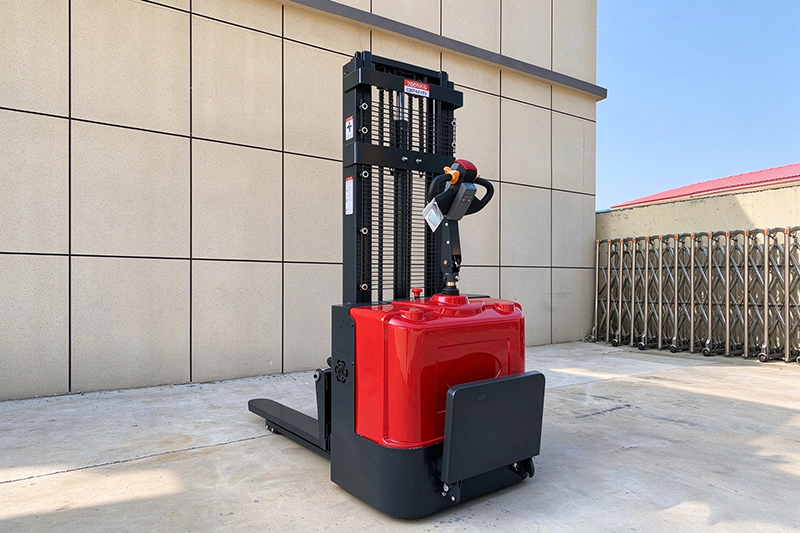
Modern warehouses, distribution centers, and manufacturing facilities need efficient ways to lift, move, and stack palletized goods. As businesses handle more products and work to optimize storage space, choosing the right material handling equipment becomes increasingly important.
2026-10-21View More →
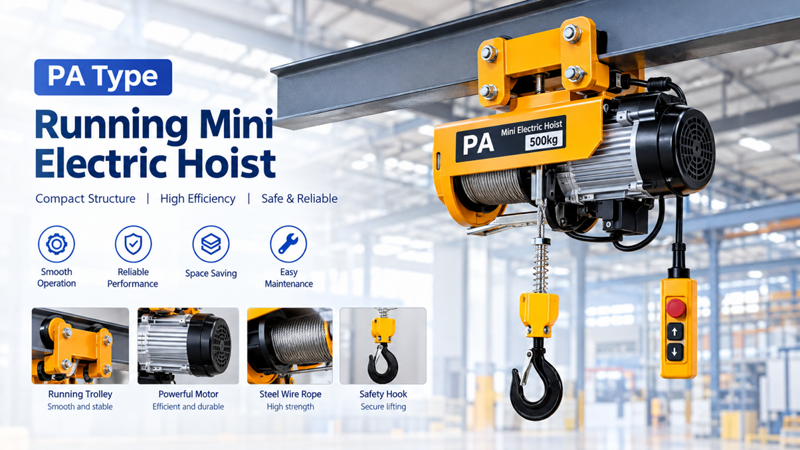
Learn about PA type running mini electric hoist, including key selection factors, typical applications, safety operation tips for small lifting jobs.
2026-10-20View More →
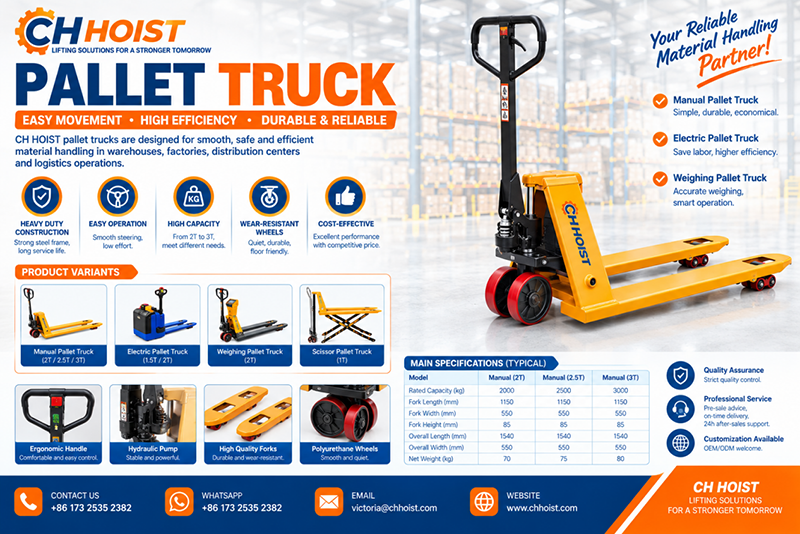
A pallet truck, also known as a pallet jack or pallet trolley, is one of the most practical tools for transporting palletized materials over short distances. Compared with moving goods manually, pallet trucks help reduce physical effort, improve workflow, and make warehouse operations more efficient.
2026-10-19View More →


 Tel:
+8613653129869
 Whatsapp:
+8613653129869
 Email:
chuanghehoist@gmail.com
 Address:Donglu Village, Donglu Township, Qingyuan District, Baoding City, Hebei Province

 English
 Français
 Español




 Email
 +8613653129869
 +8613653129869

 Home
 Whatsapp
 chuanghehoist@gmail.com