


If you have any questions, please contact our online customer service staff immediately
 Click:222
Edit: Chuanghe Hoisting
 Time:2026-09-29 11:22:41
Heavy lifting operations require reliable lifting accessories that can handle demanding working conditions.
Whether lifting steel structures, machinery, construction materials, industrial components or heavy equipment, the chain connecting the load to the crane or hoist is an important part of the overall lifting system.
One widely used category of lifting chain is the G80 Lifting Chain, also known as Grade 80 Alloy Steel Chain.
G80 chain is manufactured from high-strength alloy steel and is designed specifically for lifting applications. It is commonly used in chain slings, lifting assemblies and other industrial material-handling applications.
Compared with ordinary general-purpose chains, lifting chains are manufactured and selected according to requirements related to strength, durability, dimensions and working load limits.
For industrial buyers, understanding the characteristics of G80 chain is important when selecting lifting accessories for cranes, hoists and rigging systems.
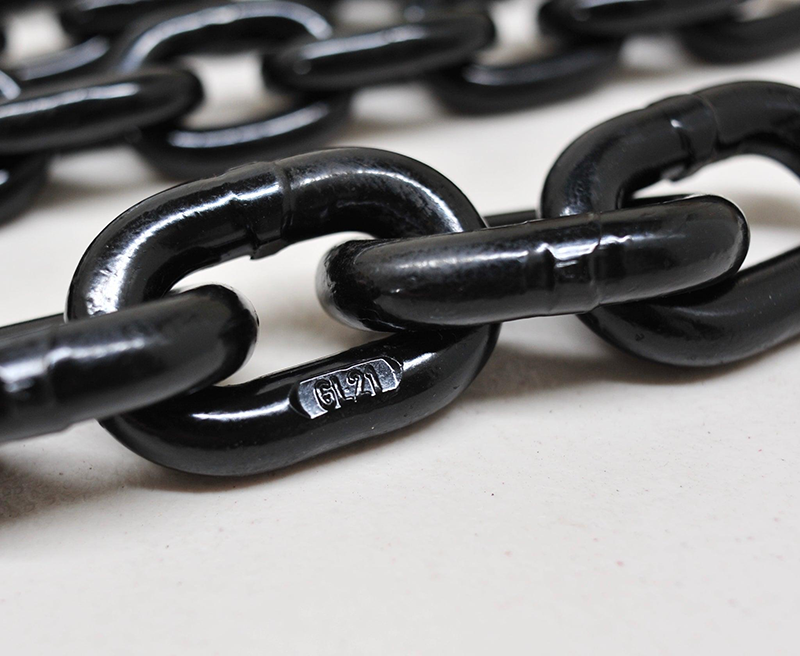
G80 lifting chain is a high-strength alloy steel chain designed for lifting and load-handling applications.
The term G80 refers to the chain's grade classification and its minimum breaking strength relative to its nominal size.
G80 chains are commonly manufactured from alloy steel and heat treated to achieve the mechanical properties required for lifting applications.
Typical uses include:
l Chain slings
l Heavy machinery lifting
l Steel structure handling
l Construction lifting
l Industrial rigging
l Cargo securing applications where specifically permitted
l Crane and hoist lifting systems
A G80 chain should not be confused with ordinary hardware chain.
A chain used for lifting suspended loads must be appropriately rated and selected for the intended application.
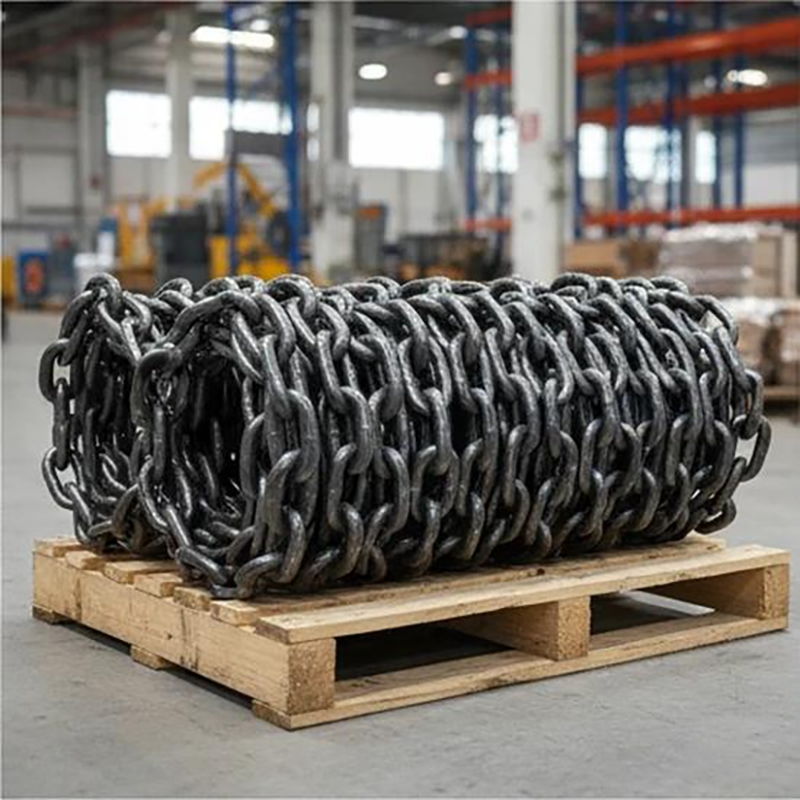
The primary reason G80 chain is widely used in lifting applications is its combination of:
Strength + Durability + Flexibility + Wear Resistance
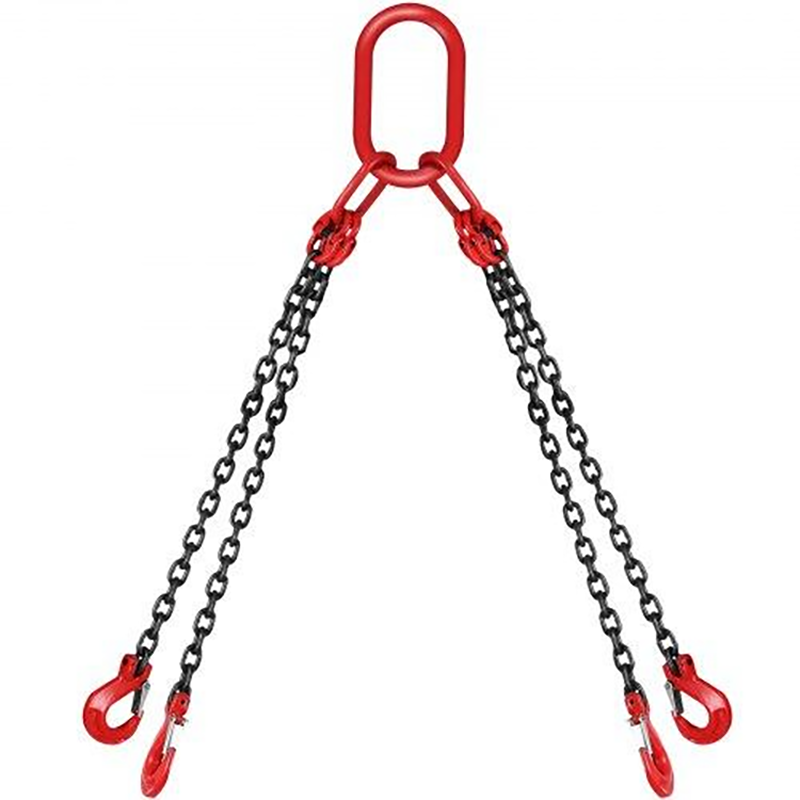
Chain has an important advantage over some other lifting accessories because it can be configured in different ways.
For example, a chain sling can be configured as:
l Single-leg sling
l Two-leg sling
l Three-leg sling
l Four-leg sling
The configuration depends on the load and the lifting arrangement.
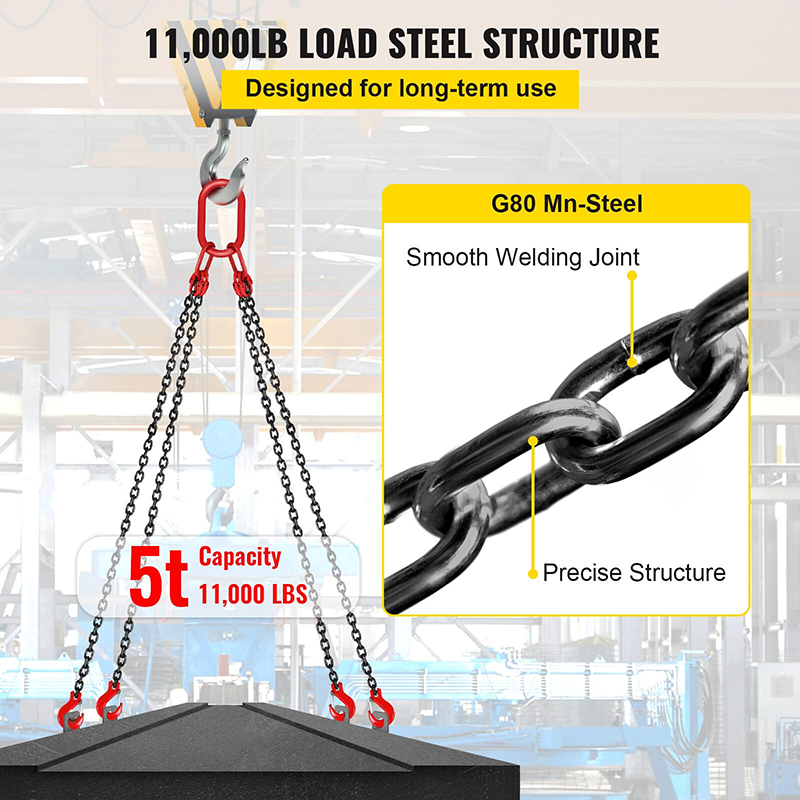
A typical G80 lifting chain consists of interconnected alloy steel links.
Each link is manufactured to specific dimensional and mechanical requirements.
The manufacturing process can include:
· Alloy steel material preparation
· Chain link forming
· Welding
· Heat treatment
· Calibration
· Surface treatment
· Dimensional inspection
· Mechanical testing
· Final inspection
Heat treatment is particularly important because the chain needs to achieve a suitable balance between strength and toughness.
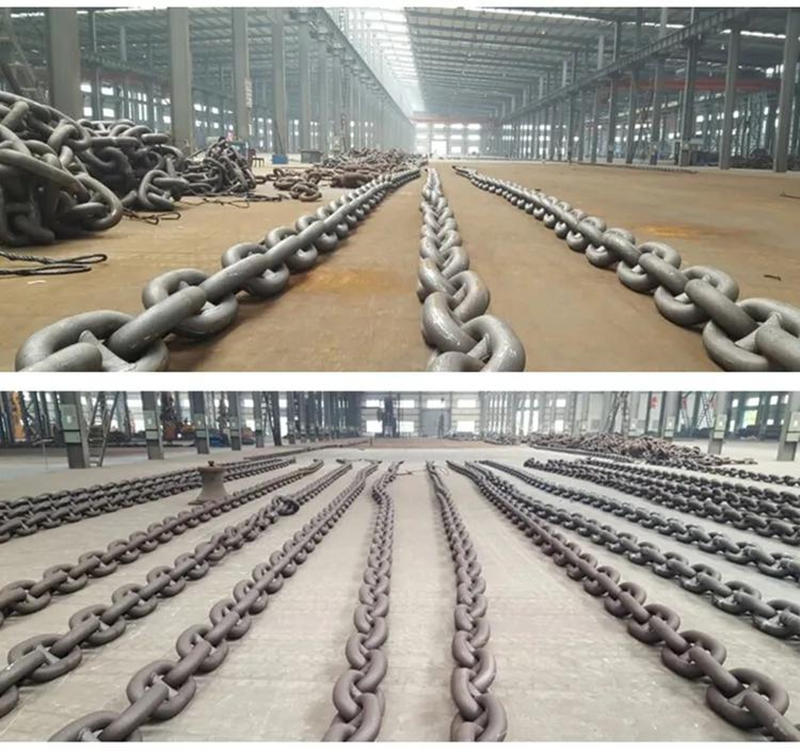
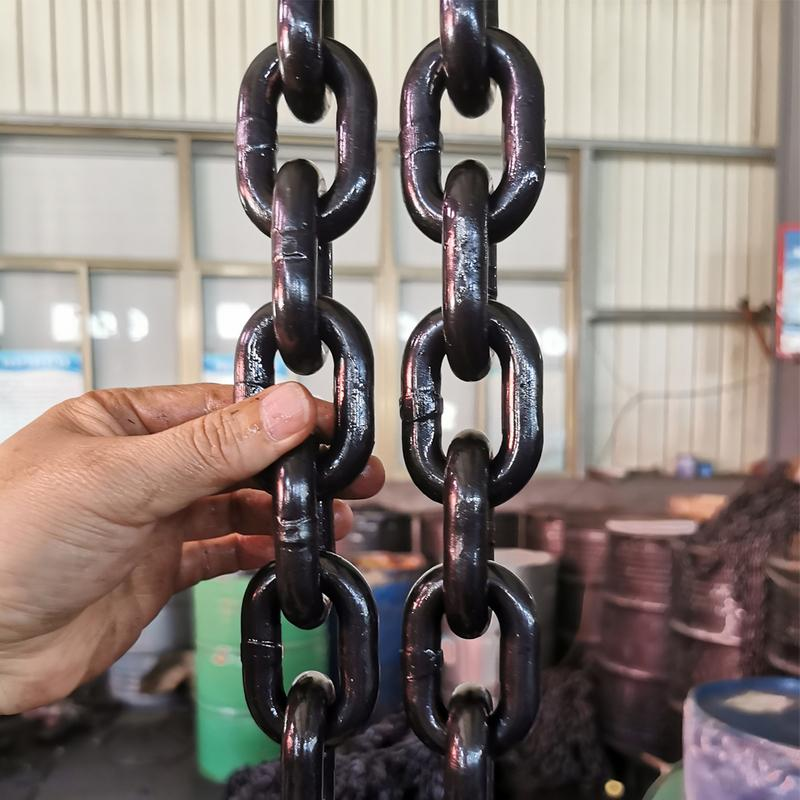
G80 alloy steel chain is designed to withstand significant tensile forces.
This makes it suitable for heavy industrial lifting when correctly selected.
The actual working load limit depends on:
l Chain diameter
l Chain configuration
l Sling angle
l Hitch type
l Load conditions
l Manufacturer specifications
G80 chains are commonly produced from alloy steel.
This provides the mechanical properties required for heavy lifting applications.
Proper material selection is especially important because lifting chains may be exposed to repeated loading and demanding industrial environments.
Chain is flexible compared with rigid lifting components.
It can be configured into different sling arrangements and can adapt to various load shapes.
This flexibility makes chain slings popular in:
l Steel fabrication
l Construction
l Shipyards
l Machinery installation
l Industrial maintenance
Lifting chains can experience contact with:
l Steel surfaces
l Hooks
l Shackles
l Load edges
l Other chain links
A properly manufactured and maintained G80 chain can provide good resistance to normal industrial wear.
However, excessive wear can reduce the chain's safe working capacity and must be monitored.
Steel fabrication companies frequently move heavy plates, beams and structures.
G80 chain slings can be used as part of lifting systems for suitable loads
Construction projects often require the lifting of:
l Steel beams
l Machinery
l Pipes
l Structural components
l Construction materials
G80 chain is commonly used in rigging systems for these applications.
Heavy machinery may need to be moved into factories or positioned during installation.
Chain slings provide flexible connection options for suitable lifting points.
Shipyards handle large steel structures and components.
Heavy-duty chain slings can form part of the rigging equipment used for appropriate lifting operations.
During equipment maintenance, machinery components may need to be removed, repositioned or installed.
G80 chain can be used with compatible hooks and lifting equipment when the application is properly assessed.
A G80 chain is often used as the basic chain component of a chain sling.
A typical chain sling assembly may include:
l G80 chain
l Master link
l Clevis sling hook
l Connecting link
l Shortening hook
Safety latch
The components must be compatible and appropriately rated.
A chain sling's capacity is determined by more than the chain diameter alone.
The complete assembly must be considered.
G80 lifting chains are available in different diameters.
Common sizes can include:
l 6 mm
l 8 mm
l 10 mm
l 13 mm
l 16 mm
l 20 mm
l 22 mm
l 26 mm
l 32 mm
Actual available sizes vary according to the manufacturer and standard.
Larger diameter does not automatically mean that the chain is suitable for every lifting application.
The correct chain should be selected according to the required working load limit and configuration.
One of the most important concepts in lifting equipment is the Working Load Limit, commonly abbreviated as WLL.
WLL is the maximum load that the equipment is designed to lift under specified conditions.
For example, the WLL of a chain sling can be affected by:
l Chain diameter
l Number of legs
l Sling angle
l Hitch configuration
l Load distribution
l Hook type
l Connecting components
Therefore, buyers should never select a chain solely based on diameter.
When using multi-leg chain slings, sling angle becomes particularly important.
As the angle changes, the tension in each sling leg can change.
For example, a two-leg sling operating at a relatively small angle from the horizontal can experience greater tension than the same sling operating closer to vertical.
Therefore, the lifting plan should take sling geometry into account.
A qualified lifting professional should determine the appropriate configuration for critical lifting operations.
G80 and G70 chains are different grades designed for different applications.
Feature | G80 Chain | G70 Chain |
Typical classification | Grade 80 | Grade 70 |
Typical use | Lifting | Often load securement / tie-down |
Lifting sling applications | Common | Not interchangeable automatically |
Alloy steel | Common | Common |
Application | Heavy lifting | Cargo securing and specific applications |
One important point is that G70 should not simply be substituted for G80 in a lifting sling application.
The chain grade, standard, configuration and manufacturer's intended use must be considered.
Both G80 chain and wire rope are widely used in lifting.
Advantages can include:
l High flexibility
l Easy length adjustment
l Good resistance to abrasion
l Suitable for chain sling configurations
l Good adaptation to irregular loads
Advantages can include:
l Long lengths
l Smooth operation over sheaves
l Common use in cranes and hoists
l Suitable for high-speed lifting systems
The choice depends on the lifting equipment and application.
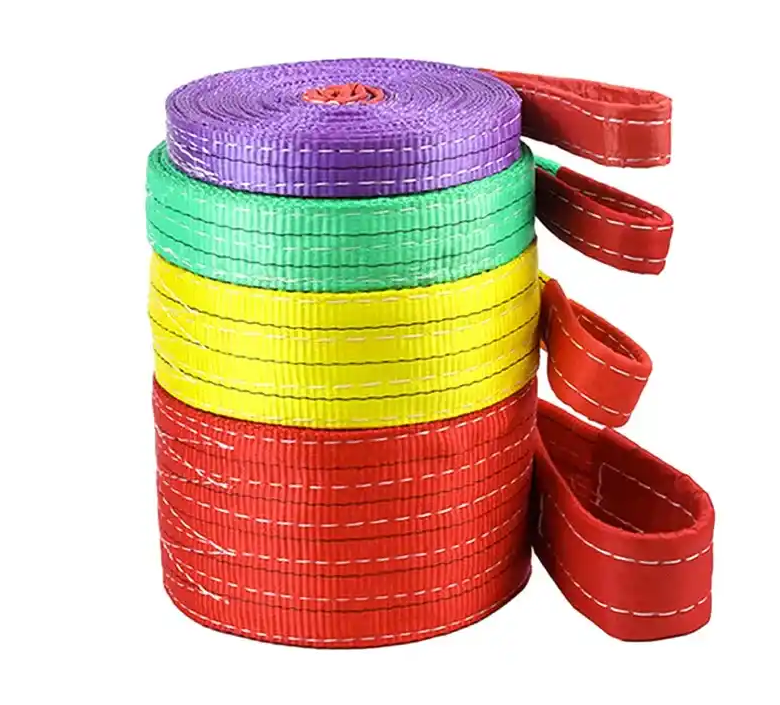
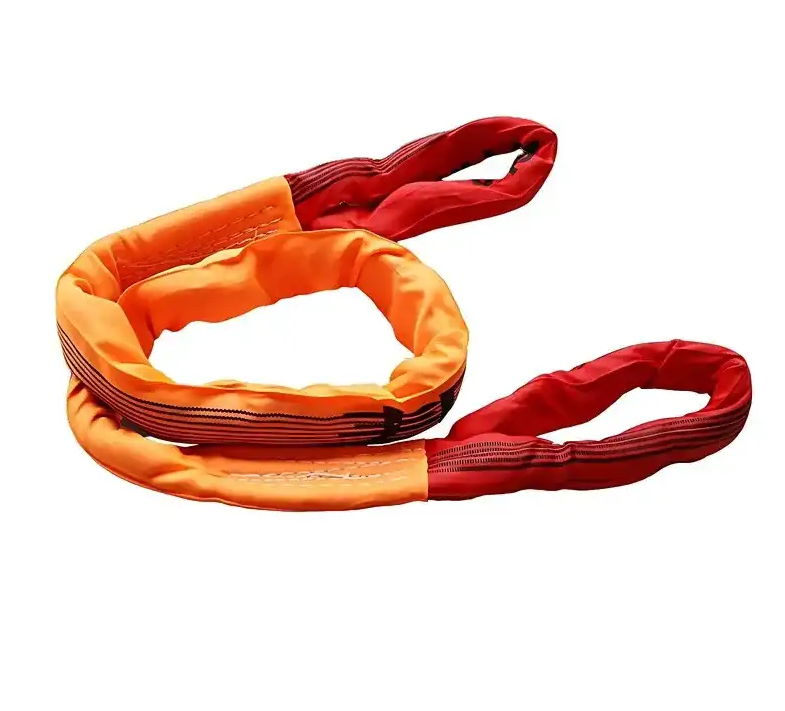
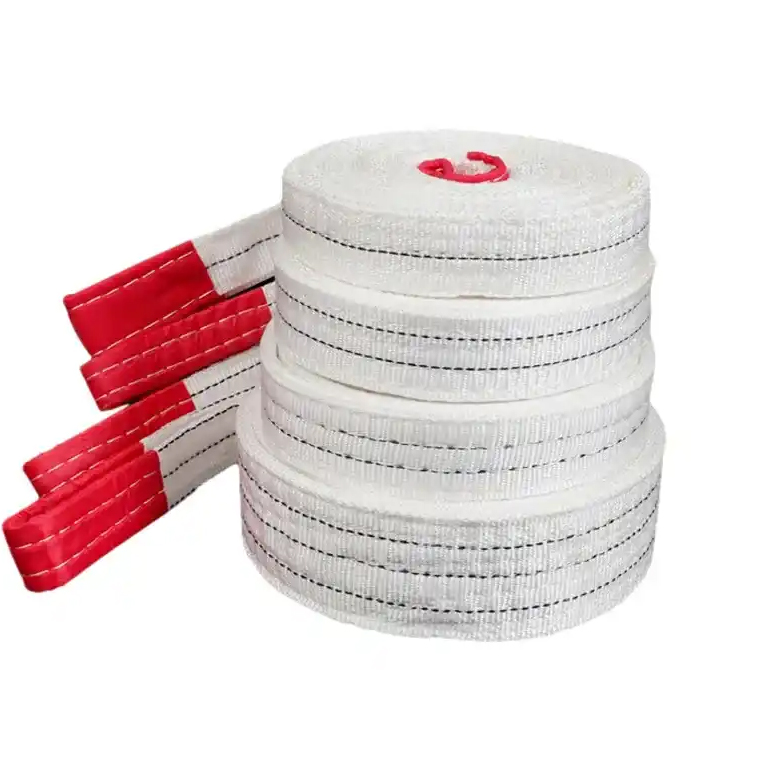
Webbing slings are lightweight and flexible.
They are particularly useful when the load surface needs protection.
G80 chain, on the other hand, offers strong resistance to abrasion and can be advantageous when handling rough or heavy industrial loads.
Feature | G80 Chain Sling | Webbing Sling |
Material | Alloy steel | Synthetic fiber |
Weight | Heavier | Lightweight |
Abrasion resistance | High | More sensitive |
Flexibility | High | Very high |
Load surface protection | May require protection | Generally softer |
Heavy industrial lifting | Common | Common for suitable loads |
Neither is universally better; the correct choice depends on the load and working environment.
Start by identifying the heaviest load that needs to be lifted.
For example:
2 tons → 5 tons → 10 tons → 20 tons
The chain and complete sling assembly must have an appropriate WLL for the actual lifting configuration.
Chain diameter affects the lifting capacity.
However, the diameter should be selected based on the complete manufacturer's rating rather than an assumption that a particular diameter always has the same capacity.
Decide whether the application requires:
l Single-leg sling
l Two-leg sling
l Three-leg sling
l Four-leg sling
The configuration affects load distribution and capacity.
For multi-leg slings, calculate the expected sling angle.
Avoid assuming that increasing the number of sling legs automatically increases lifting capacity.
Load distribution may not be equal between all legs.
Hooks, master links, connecting links and other fittings must be compatible with the chain.
All components should have suitable ratings.
Safety is one of the most important considerations when using lifting chains.
The WLL must not be exceeded.
Overloading can result in permanent deformation or failure.
Check the chain for:
l Cracks
l Excessive wear
l Bent links
l Elongation
l Corrosion
l Twisting
l Damaged welds
l Deformation
Any chain showing unacceptable damage should be removed from service.
Sudden loading can generate forces significantly greater than the static weight of the load.
Operators should avoid:
l Jerking
l Sudden acceleration
l Sudden braking
l Dropping loads onto the chain
Sharp load edges can damage or deform chain links.
Appropriate edge protection and lifting techniques should be used where necessary.
Chains should not be tied into knots to shorten or modify them.
Use appropriate shortening hooks or approved chain components.
Regular inspection is an important part of lifting equipment management.
A basic visual inspection should check for:
Look for excessive reduction in link diameter.
Abnormally stretched links may indicate overloading or damage.
Severe corrosion can reduce the effective strength of the chain.
Bent or twisted links should be evaluated before further use.
Any visible cracks are serious defects.
Welded areas should be inspected for visible damage.
For critical lifting operations, inspection should follow applicable local regulations, standards and competent-person procedures.
Proper maintenance can extend service life.
After use:
l Clean excessive dirt
l Inspect the chain
l Remove contaminants where appropriate
l Store in a dry environment
l Prevent unnecessary exposure to corrosive substances
Lubrication requirements depend on the chain design, manufacturer instructions and operating environment.
Proper storage is often overlooked.
Chains should ideally be stored:
l In a dry location
l Away from corrosive chemicals
l Away from excessive moisture
l Protected from unnecessary impact
l Properly organized to avoid deformation
Do not leave lifting chains lying in areas where forklifts, vehicles or heavy machinery can run over them.
For importers and distributors, G80 lifting chain is an important category within the lifting accessories market.
Potential customers include:
l Crane companies
l Rigging companies
l Construction equipment suppliers
l Industrial distributors
l Shipyards
l Steel companies
l Machinery installation companies
l Oil and gas service companies
l Mining equipment suppliers
l Heavy equipment dealers
A distributor can also combine G80 chain with other lifting products.
For example:
G80 Chain + Master Link + Sling Hook + Connecting Link
can form a complete chain sling solution.
A lifting equipment distributor often needs more than one product category.
Customers who purchase electric hoists may also require:
l Chains
l Hooks
l Shackles
l Slings
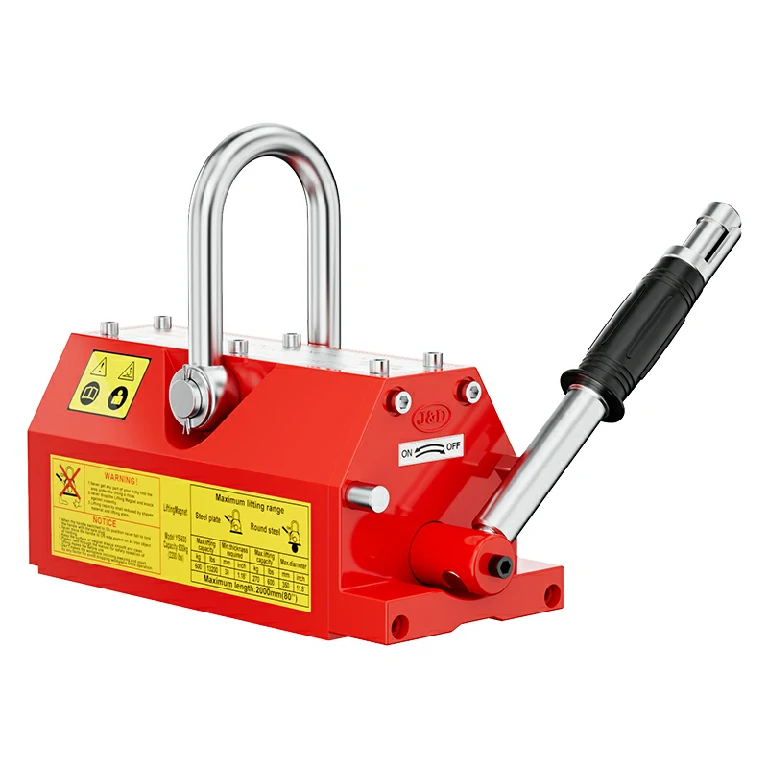
l Magnetic lifters
l Clamps
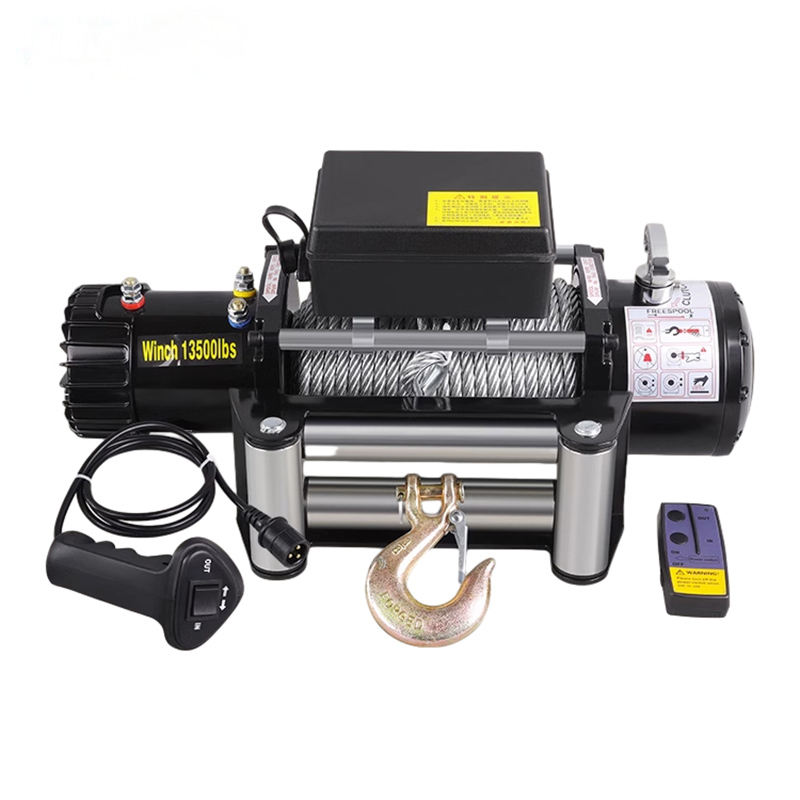
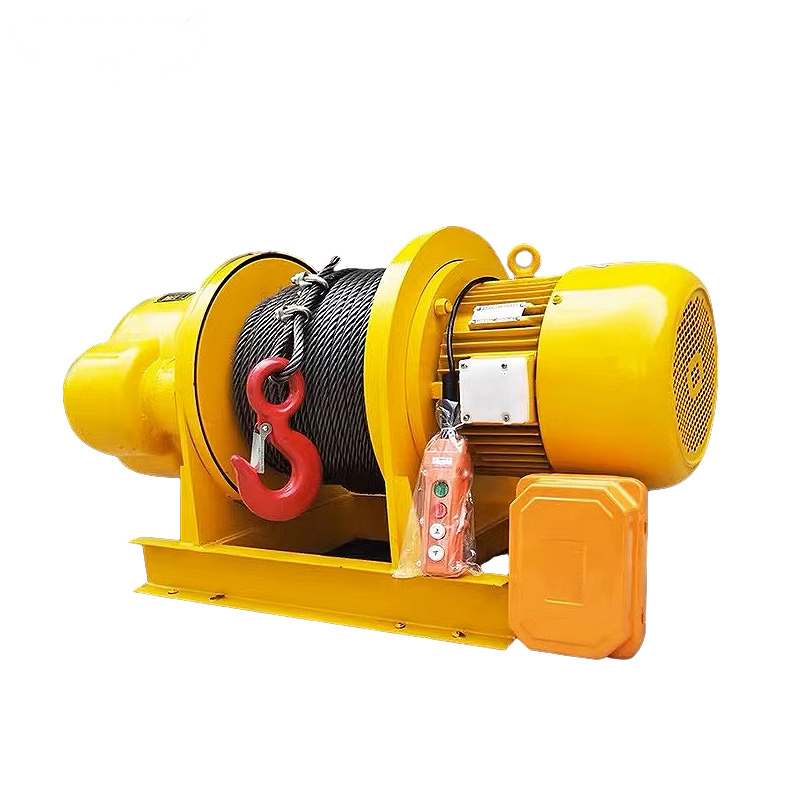
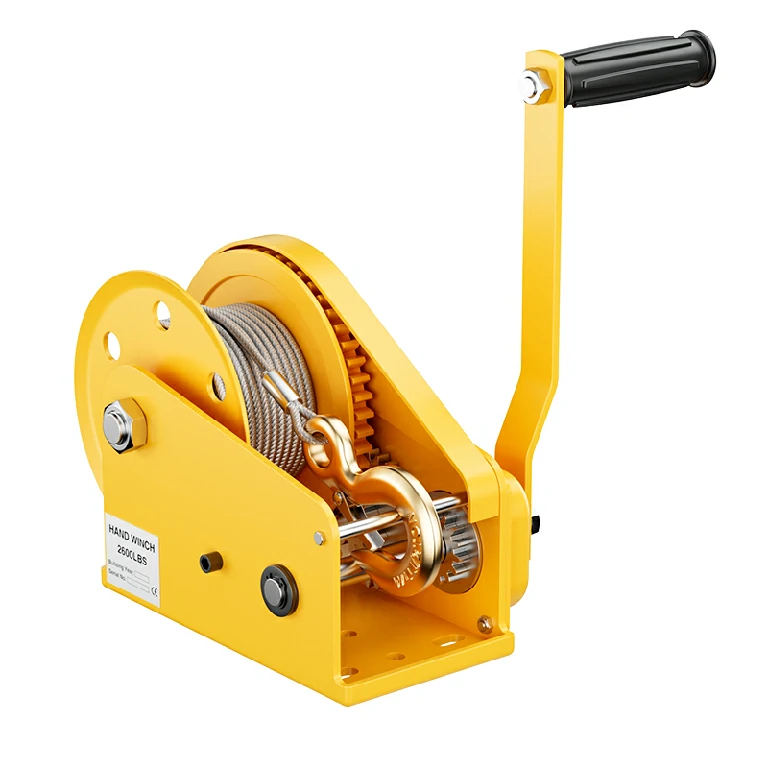
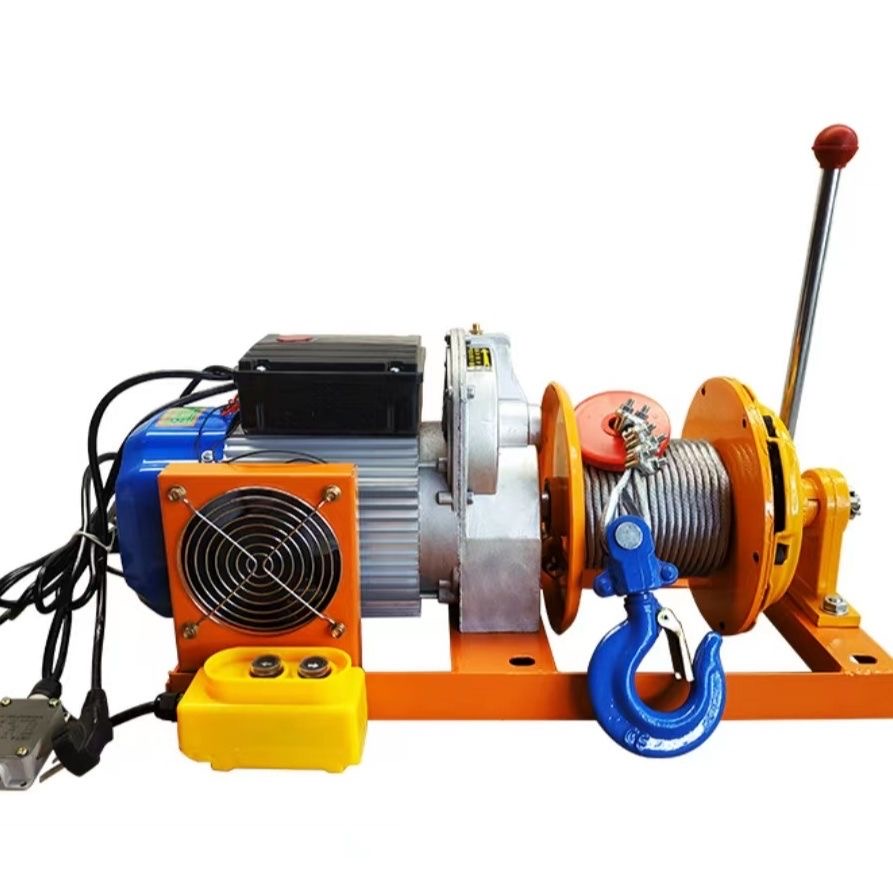
l Winches
l Manual hoists
Therefore, G80 chain can complement a broader lifting equipment product portfolio.
This allows distributors to provide customers with more complete rigging solutions.
CH HOIST supplies lifting equipment and rigging accessories for industrial material handling applications.
Its product range includes:
l G80 Lifting Chain
l Chain Slings
l Manual Chain Hoists
l Lever Hoists
l Wire Rope Hoists
l Winches
l Webbing Slings
l Lifting Clamps
l Permanent Magnetic Lifters
l Shackles and Rigging Accessories
For customers sourcing lifting equipment from China, combining lifting machinery with compatible accessories can simplify procurement.
CH HOIST can also discuss specifications and customized requirements with distributors and industrial buyers.
G80 refers to a Grade 80 classification for high-strength lifting chain. It is commonly associated with alloy steel lifting chains designed for industrial lifting applications.
Yes, G80 chain is specifically used for suitable lifting applications when the chain, configuration and working load limit are appropriate.
G80 lifting chain is manufactured and rated for lifting applications. Ordinary general-purpose chain may not have the required mechanical properties or certification for lifting suspended loads.
G80 chain can form part of a rigging system used with cranes or hoists, provided all components are compatible and appropriately rated.
Consider maximum load, chain diameter, WLL, sling configuration, sling angle, load shape, edge conditions and the required fittings.
Inspect for wear, elongation, cracks, corrosion, bending, twisting, deformation and other visible damage before use and according to applicable inspection requirements.
G80 Lifting Chain is an important component of modern industrial lifting and rigging systems.
Its high-strength alloy steel construction, flexibility and durability make it suitable for many heavy lifting applications when correctly selected and used.
The key factors to consider are:
Grade + Chain Diameter + Working Load Limit + Sling Configuration + Sling Angle + Load Condition
For importers, distributors and industrial users, G80 chain can also be combined with hooks, master links, shackles and other rigging components to create complete lifting solutions.
Most importantly, lifting chain should never be selected based only on appearance or diameter.
The complete lifting system must be evaluated, including the chain, fittings, load, lifting configuration and working environment.
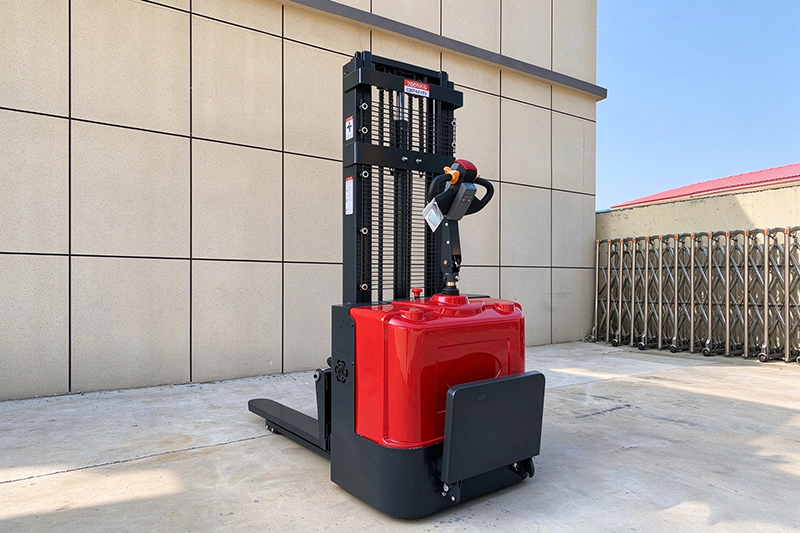
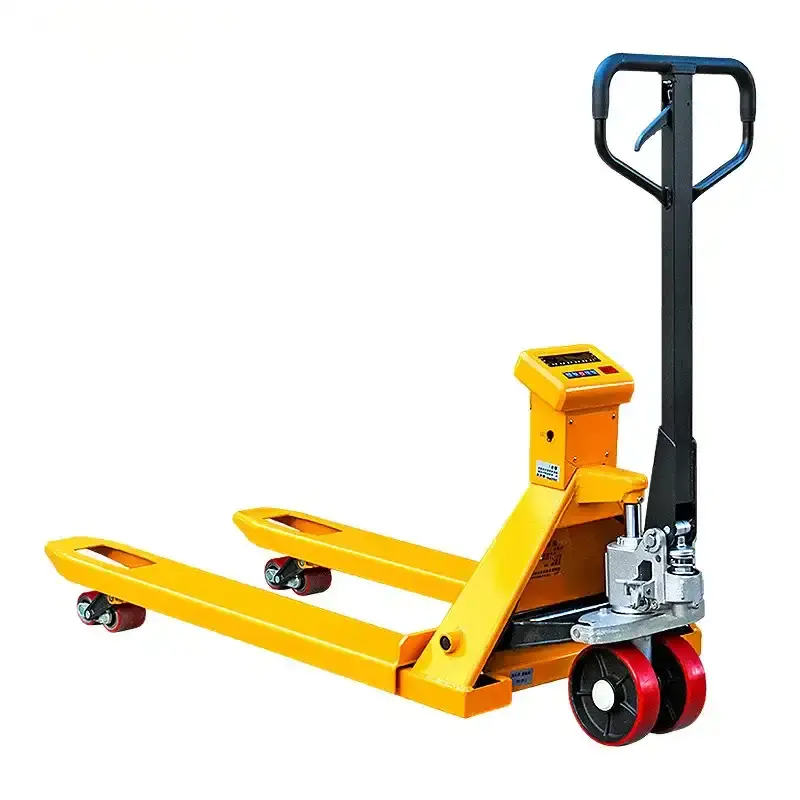
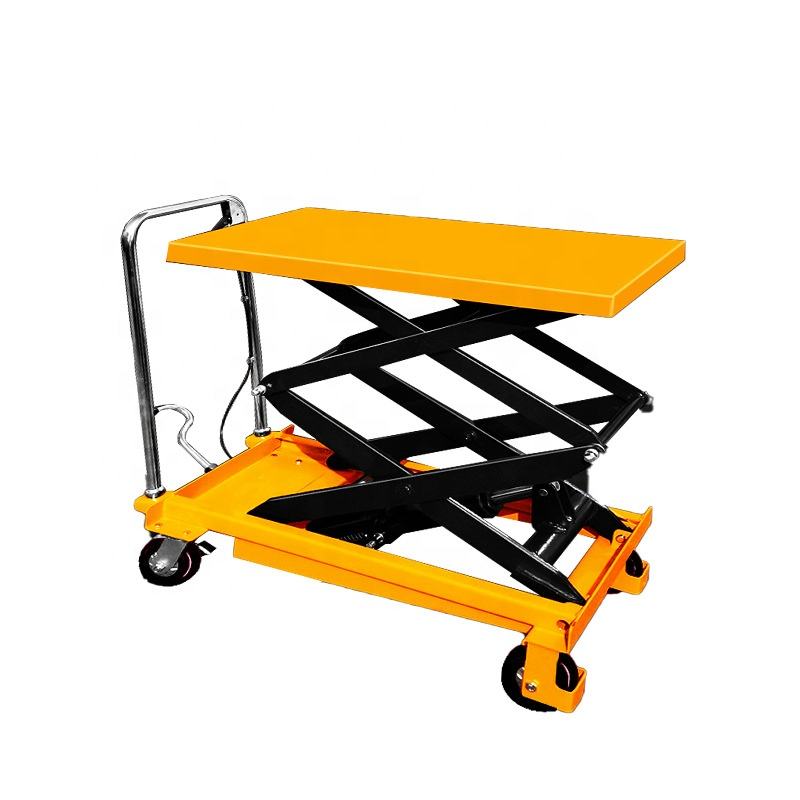
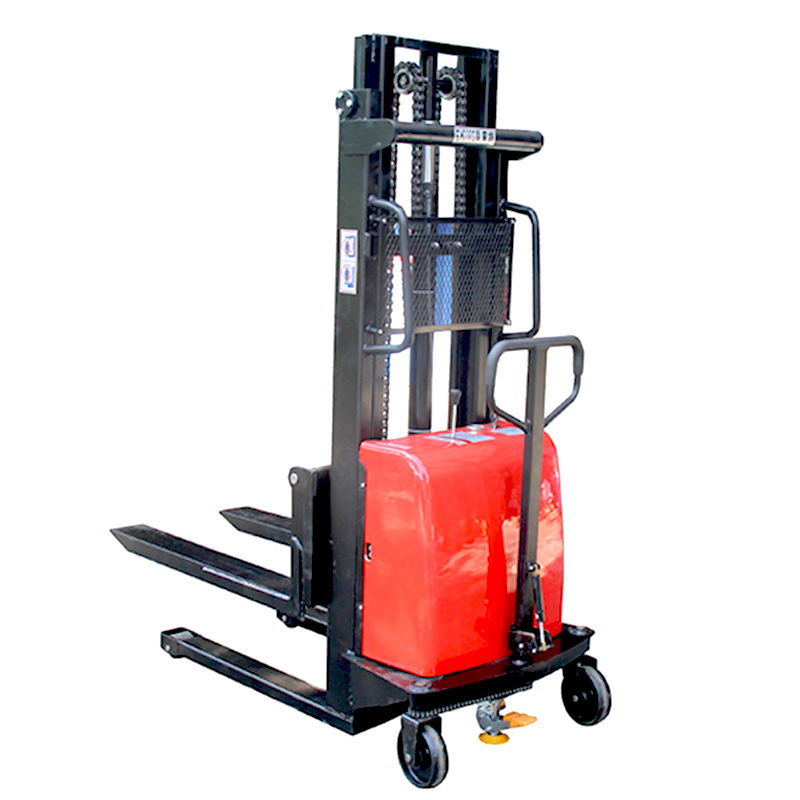
Modern warehouses, distribution centers, and manufacturing facilities need efficient ways to lift, move, and stack palletized goods. As businesses handle more products and work to optimize storage space, choosing the right material handling equipment becomes increasingly important.
2026-10-21View More →
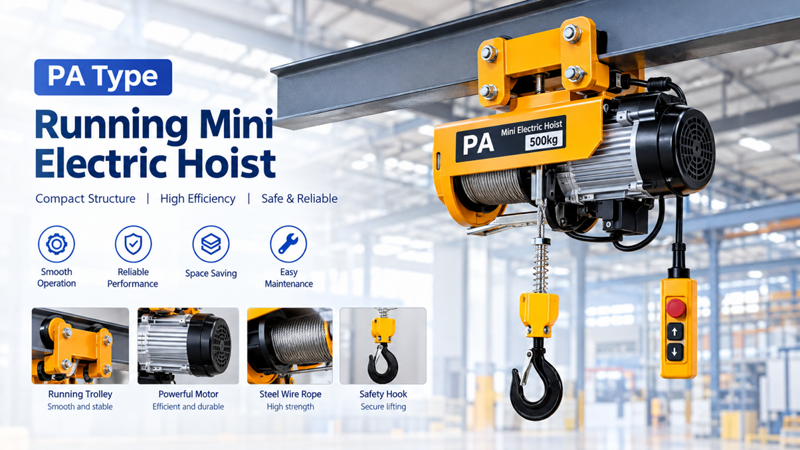
Learn about PA type running mini electric hoist, including key selection factors, typical applications, safety operation tips for small lifting jobs.
2026-10-20View More →
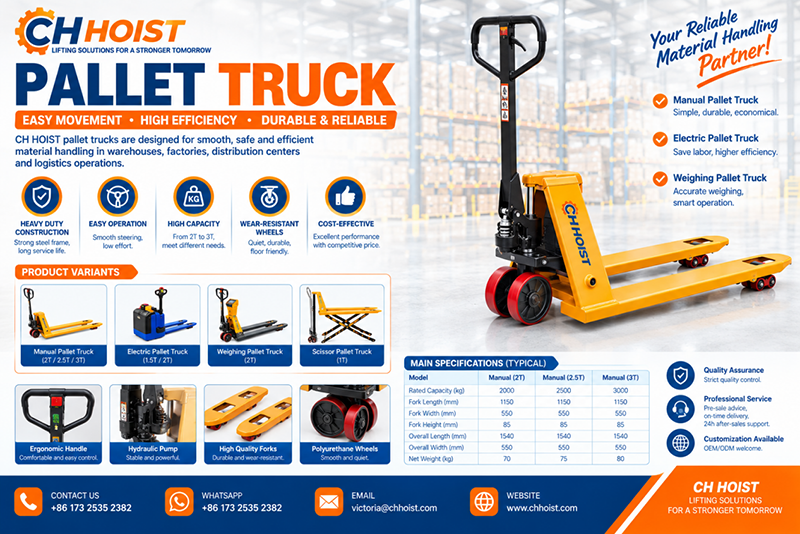
A pallet truck, also known as a pallet jack or pallet trolley, is one of the most practical tools for transporting palletized materials over short distances. Compared with moving goods manually, pallet trucks help reduce physical effort, improve workflow, and make warehouse operations more efficient.
2026-10-19View More →


 Tel:
+8613653129869
 Whatsapp:
+8613653129869
 Email:
chuanghehoist@gmail.com
 Address:Donglu Village, Donglu Township, Qingyuan District, Baoding City, Hebei Province

 English
 Français
 Español

 Email
 +8613653129869
 +8613653129869

 Home
 Whatsapp
 chuanghehoist@gmail.com