


If you have any questions, please contact our online customer service staff immediately
 Click:234
Edit: Chuanghe Hoisting
 Time:2026-09-28 09:49:21
Efficient lifting and positioning are essential in factories, workshops, construction sites, maintenance facilities, warehouses, shipyards, and industrial projects. Many lifting tasks require equipment that is compact, portable, reliable, and able to operate without electricity.
A Lever Hoist, also known as a Manual Lever Hoist, Lever Block, or Ratchet Lever Hoist, is a practical solution for lifting, pulling, tensioning, and positioning loads. Its mechanical design allows operators to generate lifting force manually through a lever handle and chain mechanism.
For companies looking for a flexible and cost-effective manual lifting solution, the lever hoist remains an important piece of lifting equipment.
Explore CH HOIST lifting and material handling equipment.
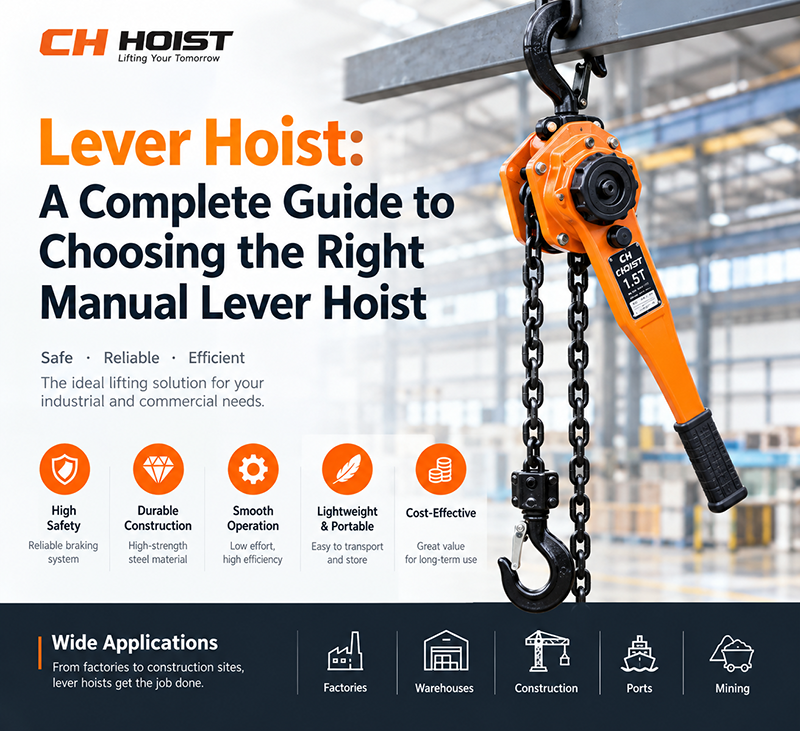
A lever hoist is a manually operated lifting device designed to lift, pull, lower, and position loads. Unlike an electric hoist, it does not require electricity, a motor, or a charging system.
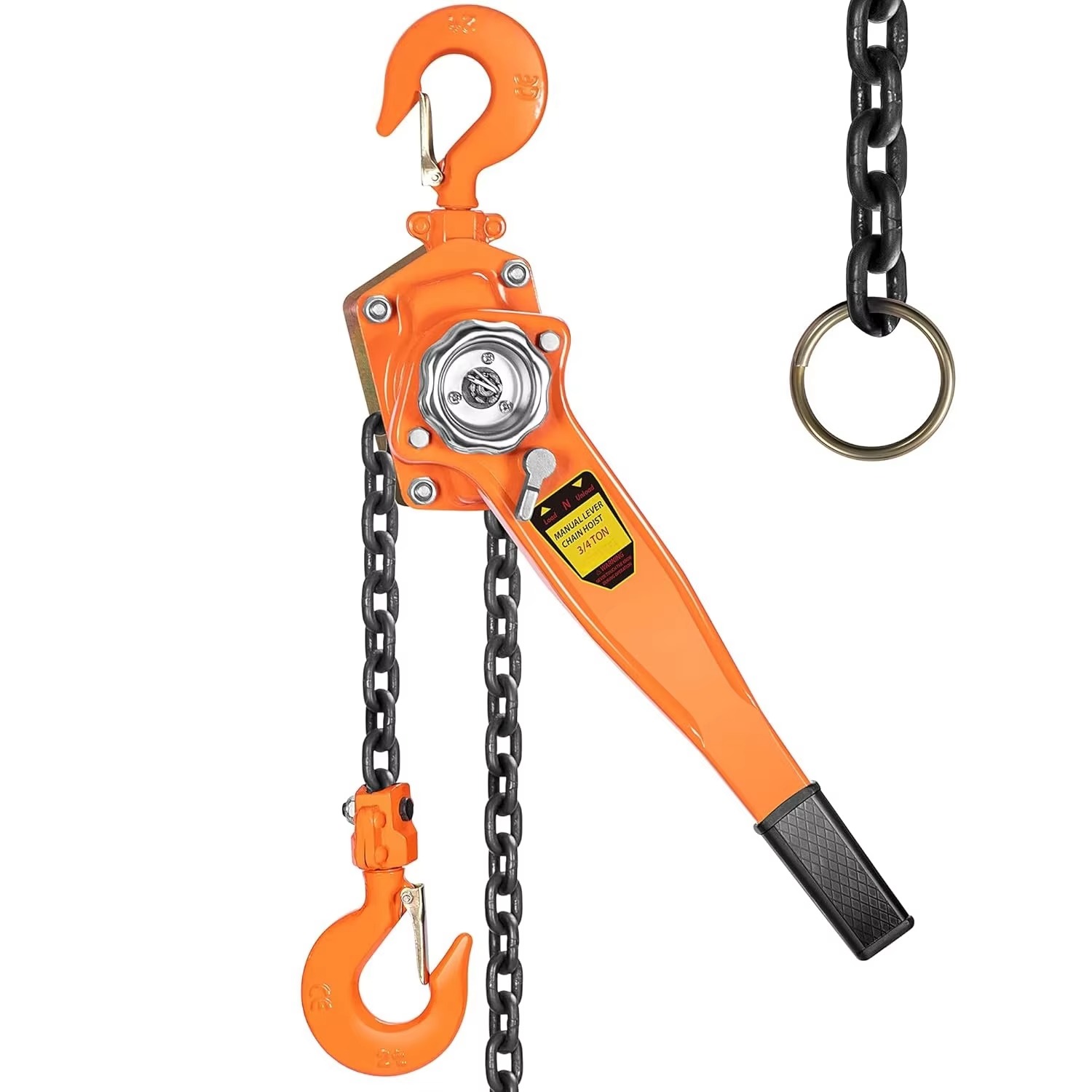
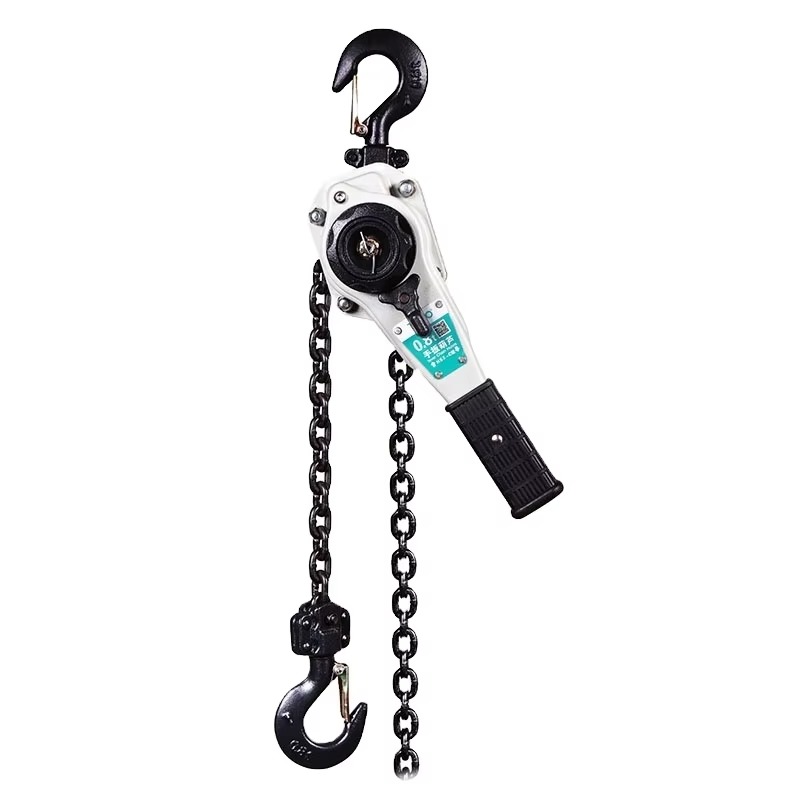
The basic structure consists of:
· Load chain
· Hand lever
· Ratchet and pawl mechanism
· Gear mechanism
· Load sheave
· Top hook
· Bottom hook
· Hook latches
· Brake mechanism
· Load chain guide
The operator attaches the upper hook to a suitable support and connects the lower hook to the load. By moving the hand lever back and forth, the internal mechanism drives the load chain and raises or lowers the load.
This operating principle makes lever hoists particularly useful where lifting equipment must be moved between work locations or used in areas without electrical power.
Before operation, inspect the hooks, load chain, brake, lever, body, and hook latches. Confirm that the hoist and supporting structure are suitable for the intended load.
Connect the top hook to a properly rated lifting point. The support must be capable of safely carrying the load and the forces generated during operation.
Attach the bottom hook to the load using an appropriate connection method. Make sure the load is balanced and the hook is correctly engaged.
Move the lever in controlled strokes. The internal gears and ratchet mechanism transmit the operator's input to the load chain, producing lifting or pulling force.
Raise the load gradually and keep it under control. For positioning work, use short and controlled lever movements.
Use the hoist's lowering function according to the manufacturer's instructions. Lower the load slowly and keep personnel away from the suspended load.
The exact operating procedure can vary by model. Always follow the manufacturer's operating instructions.
A lever hoist operates without electricity or fuel. This makes it useful for field work, maintenance, construction, and emergency lifting applications.
The compact structure allows a lever hoist to be carried between different work locations. It can be useful where a larger lifting machine cannot easily be positioned.
Compared with powered lifting equipment, manual lever hoists generally require a lower initial investment and do not need electrical infrastructure.
A lever hoist can be used not only for vertical lifting but also for pulling, tensioning, alignment, and positioning when the application and manufacturer's instructions permit.
With fewer electrical components than powered hoists, routine maintenance focuses mainly on the chain, hooks, brake, gears, lubrication, and general mechanical condition.
· Equipment installation
· Structural positioning
· Material lifting
· Alignment and adjustment
· Machine maintenance
· Equipment positioning
· Component installation
· Repair work
· Occasional lifting
· Load positioning
· Maintenance operations
· Handling equipment
· Equipment installation
· Maintenance work
· Component positioning
· Pulling and alignment
· Remote maintenance
· Equipment adjustment
· Tensioning work
· Emergency lifting tasks
Feature | Manual Lever Hoist | Electric Hoist |
Power | Manual | Electric |
Operation | Hand lever | Motor/control |
Portability | High | Lower |
Initial Cost | Generally lower | Generally higher |
Power Supply | Not required | Required |
Typical Use | Lifting, pulling, positioning | Frequent powered lifting |
Operator Effort | Higher | Lower |
For remote, intermittent, or positioning work where electrical power is unavailable, a manual lever hoist can be practical. For frequent lifting and higher handling volumes, an electric hoist may be more suitable.
Common lever hoist capacities vary by model and manufacturer. Typical industrial models may include 0.75 ton, 1 ton, 1.5 ton, 2 ton, 3 ton, 6 ton, and higher capacities.
Select a rated capacity that is appropriate for the maximum load to be handled. Do not exceed the rated capacity.
Chain length should match the required lifting height and working environment. Buyers should consider the lifting height, installation position, and available working space.
A compact and lightweight design can be important when operators need to carry the hoist between work locations. Heavier-duty models may provide greater capacity and durability.
The load chain is a critical load-bearing component. Buyers should consider chain grade, diameter, heat treatment, surface condition, and compatibility with the hoist mechanism.
A reliable braking mechanism helps control the load during lifting and lowering. Buyers should evaluate brake performance, holding ability, and service requirements.
Hooks should be suitable for the rated load and equipped with appropriate safety latches where specified. Inspect hooks for deformation, cracks, and excessive wear.
Consider whether the hoist will be used indoors, outdoors, in dusty areas, in humid environments, or in demanding industrial conditions. Environmental requirements may affect material, surface treatment, lubrication, and maintenance.
For demanding industrial applications, heavy-duty lever hoists can provide additional strength and durability.
· Reinforced housing
· High-strength load chain
· Durable gears
· Reliable mechanical brake
· Robust hooks
· Compact industrial design
These models can be suitable for machinery installation, steel fabrication, construction, maintenance, shipyards, and other demanding lifting or positioning operations.
Although a lever hoist is mechanically simple, safe operation is essential.
· Check the rated capacity.
· Inspect the load chain.
· Inspect both hooks and safety latches.
· Check the brake and operating mechanism.
· Confirm the support point is properly rated.
· Check that the load is stable and correctly attached.
· Make sure the lifting area is clear.
· Lift smoothly and avoid shock loading.
· Keep the load controlled.
· Do not stand under a suspended load.
· Keep hands clear of moving parts and the load chain.
· Avoid side loading unless the manufacturer specifically permits it.
· Stop operation if abnormal noise, slipping, deformation, or other defects appear.
· Exceed the rated capacity.
· Use a damaged or deformed hook.
· Use a damaged or excessively worn chain.
· Modify the hoist without authorization.
· Leave a suspended load unattended.
· Allow personnel underneath a suspended load.
The lever hoist should always be operated according to the manufacturer's instructions and applicable workplace lifting procedures.
Regular inspection and maintenance help improve reliability and extend equipment life.
· Check for deformation.
· Check for excessive wear.
· Check for cracks or corrosion.
· Keep the chain properly lubricated where required.
· Inspect for cracks.
· Check for deformation or excessive opening.
· Confirm the safety latch operates correctly.
· Check holding performance.
· Inspect for abnormal noise or slipping.
· Lubricate mechanical components according to the manufacturer's requirements.
· Check the housing for damage.
· Inspect the lever and operating mechanism.
· Make sure controls move correctly.
For lifting equipment distributors, the manual lever hoist is a practical product to include in an industrial lifting portfolio.
Potential customers include:
· Industrial equipment distributors
· Construction companies
· Factories and workshops
· Maintenance contractors
· Steel fabrication companies
· Shipyards
· Warehouses
· Machinery installation companies
· Rental companies
Lever hoists can also be sold together with complementary equipment such as:
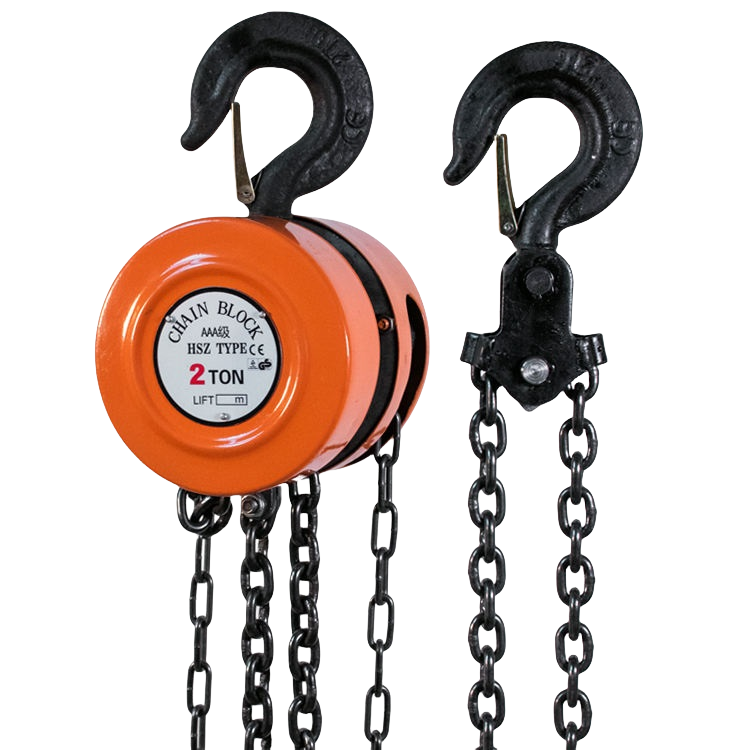
· Hand chain hoists
· Electric chain hoists
· Wire rope hoists
· Lifting slings
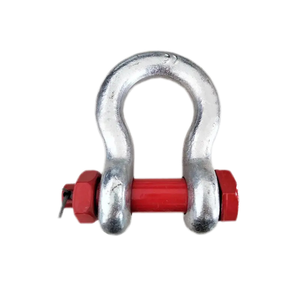
· Shackles
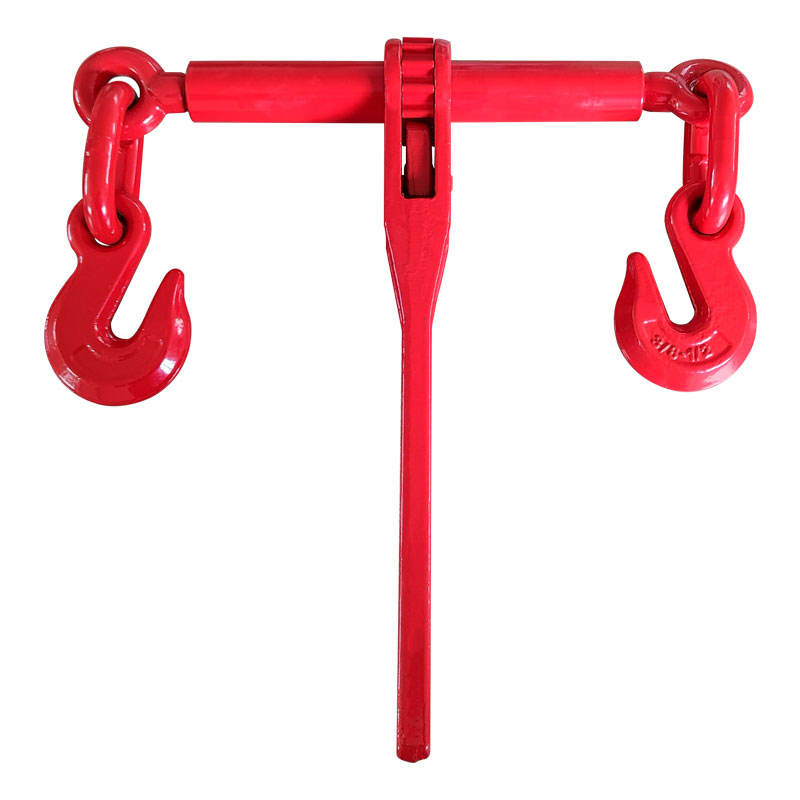
· Load binders
· Hydraulic jacks
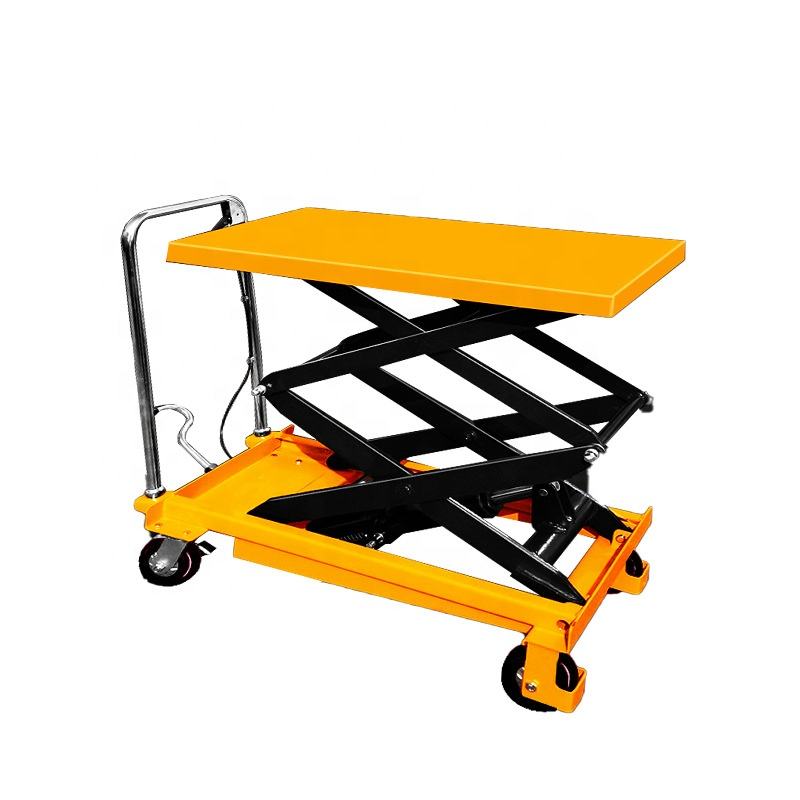
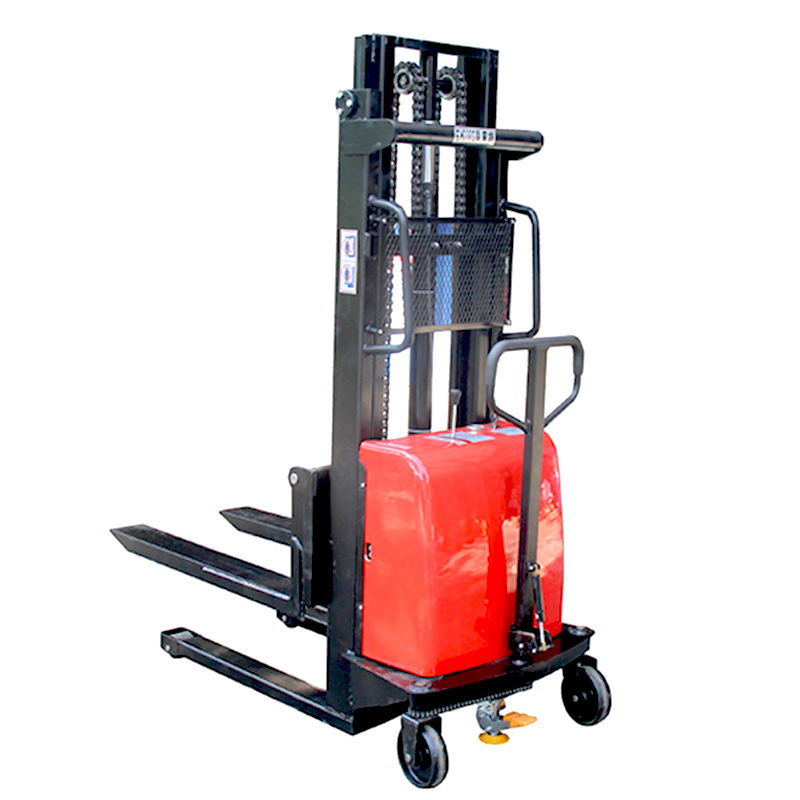
· Material handling equipment
This creates opportunities for distributors to provide complete lifting and material-handling solutions rather than selling a single product.
Industrial lifting is increasingly combining manual equipment with electric and automated technologies. Electric hoists, cranes, powered material-handling equipment, and smart lifting systems are expanding in high-frequency applications.
However, manual lever hoists continue to have a role where portability, independence from electricity, simple operation, and controlled positioning are important.
· Remote work locations
· Maintenance and repair
· Low-frequency lifting
· Equipment positioning
· Construction work
· Backup lifting applications
Different lifting technologies can be combined according to the load, work environment, lifting frequency, and available infrastructure.
A Lever Hoist is a compact and versatile manual lifting device for lifting, pulling, positioning, and tensioning applications.
Its portable design, independence from electricity, mechanical simplicity, and broad application range make it useful across construction, manufacturing, maintenance, warehouses, shipyards, and industrial projects.
When choosing a lever hoist, buyers should carefully evaluate rated capacity, lifting height, chain specifications, brake performance, hook design, body weight, working environment, and expected workload.
For distributors and wholesalers, lever hoists can also complement hand chain hoists, electric hoists, lifting slings, jacks, and other lifting products to create a broader industrial equipment portfolio.
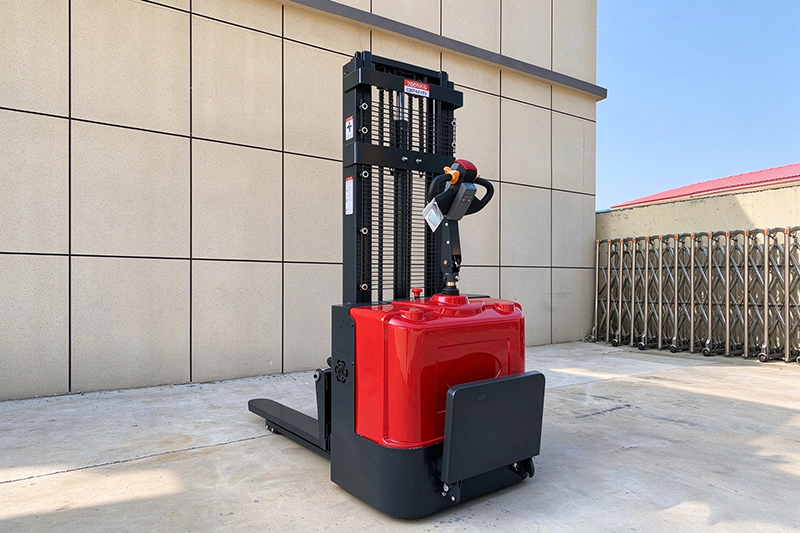
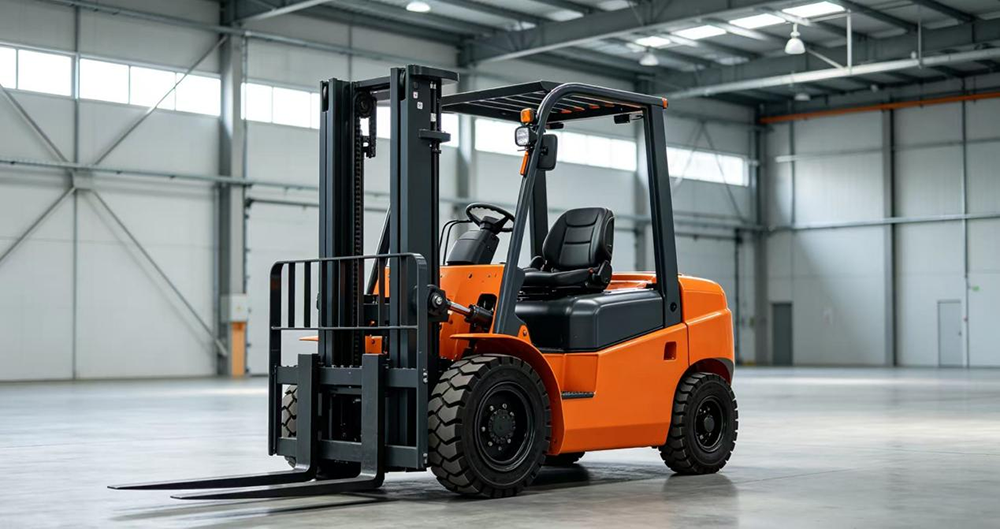
Modern warehouses, distribution centers, and manufacturing facilities need efficient ways to lift, move, and stack palletized goods. As businesses handle more products and work to optimize storage space, choosing the right material handling equipment becomes increasingly important.
2026-10-21View More →
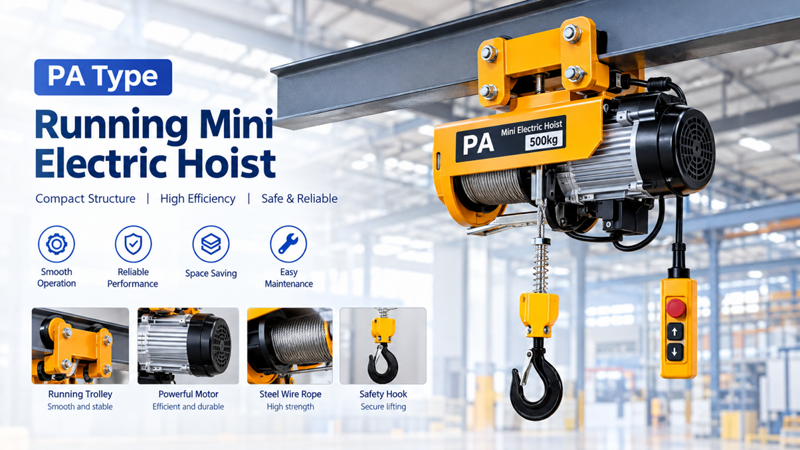
Learn about PA type running mini electric hoist, including key selection factors, typical applications, safety operation tips for small lifting jobs.
2026-10-20View More →
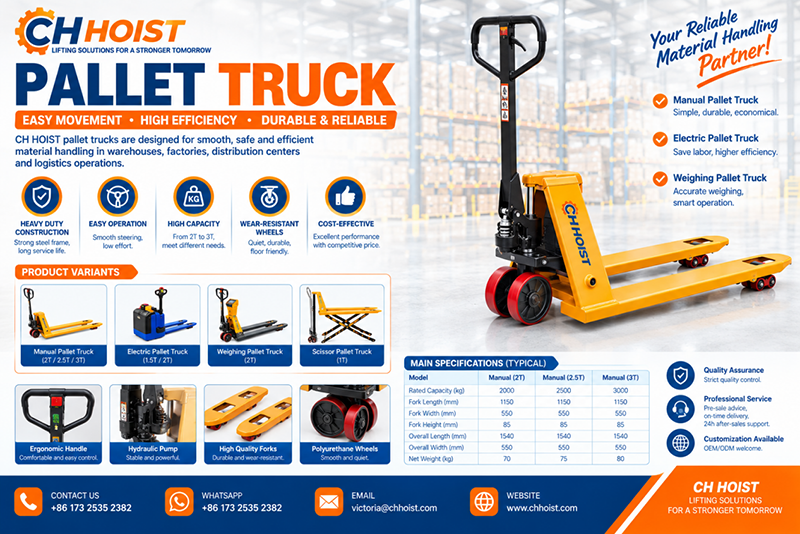
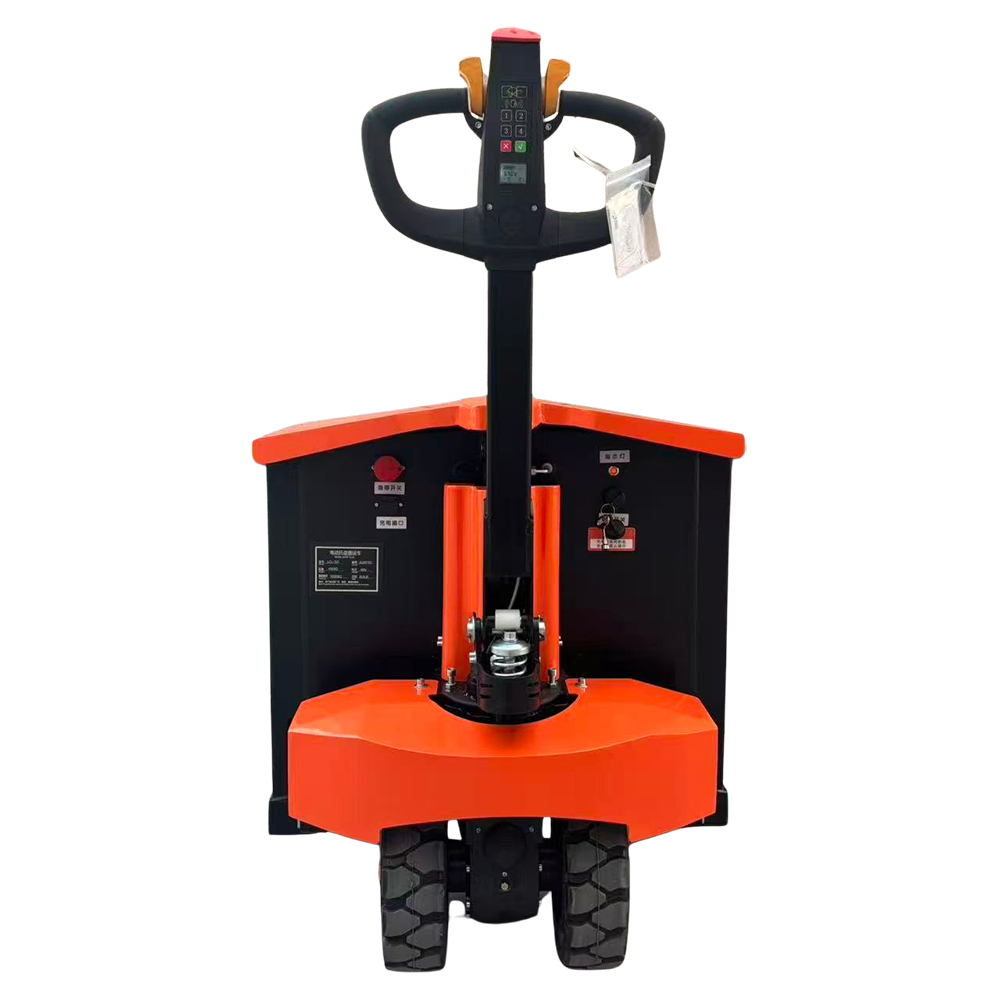
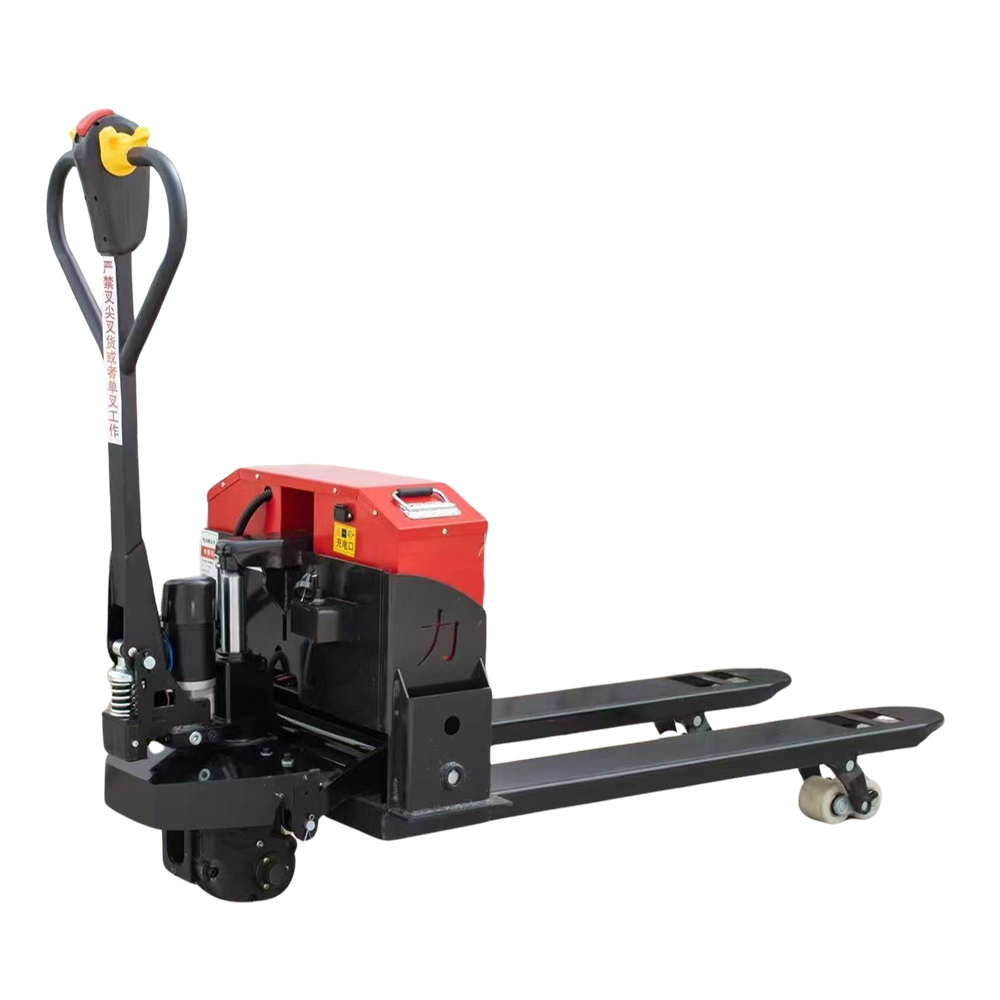
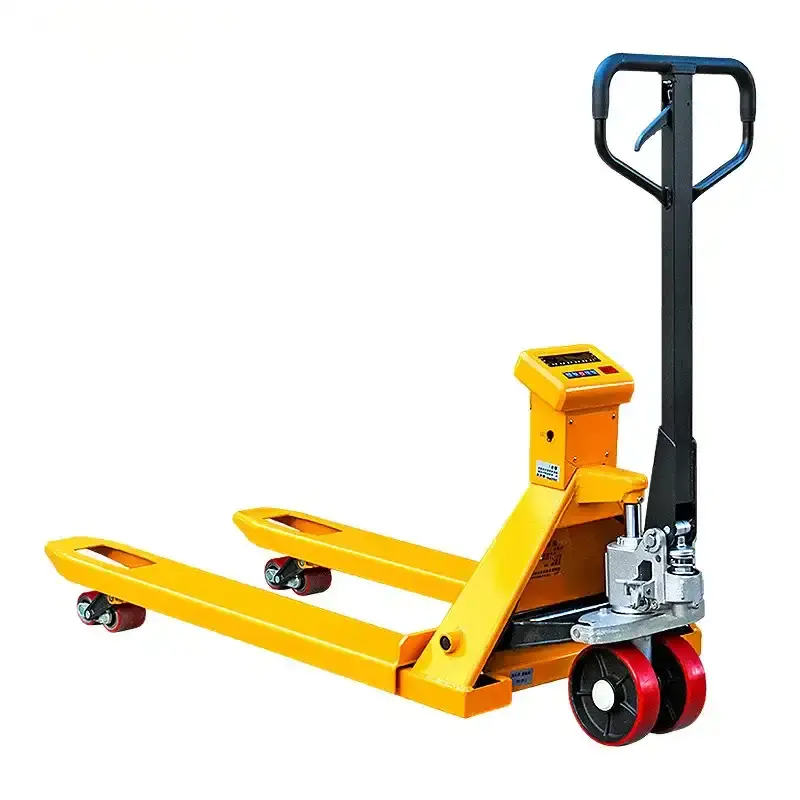
A pallet truck, also known as a pallet jack or pallet trolley, is one of the most practical tools for transporting palletized materials over short distances. Compared with moving goods manually, pallet trucks help reduce physical effort, improve workflow, and make warehouse operations more efficient.
2026-10-19View More →


 Tel:
+8613653129869
 Whatsapp:
+8613653129869
 Email:
chuanghehoist@gmail.com
 Address:Donglu Village, Donglu Township, Qingyuan District, Baoding City, Hebei Province

 English
 Français
 Español




 Email
 +8613653129869
 +8613653129869

 Home
 Whatsapp
 chuanghehoist@gmail.com