


If you have any questions, please contact our online customer service staff immediately
 Click:278
Edit: Chuanghe Hoisting
 Time:2026-09-23 15:57:42
Moving heavy steel plates, blocks, pipes and other ferromagnetic materials can be difficult when conventional slings, clamps or hooks are used.
Workers may need to position lifting accessories manually around the load, which can take time and make material handling more complicated.
A Permanent Magnetic Lifter, also known as a Permanent Magnetic Lifting Magnet, Magnetic Lifter, or Magnetic Chuck, provides an alternative solution.
It uses permanent magnetic force to attach to suitable ferromagnetic materials and allows the load to be lifted by a crane, hoist or other compatible lifting system.
One of the key characteristics of a permanent magnetic lifter is that it does not require an external electrical power supply to maintain magnetic force. CH HOIST describes its permanent magnetic lifter as an electricity-free lifting solution designed for steel plates, blocks and round materials.
This makes magnetic lifting equipment particularly useful in steel fabrication, machinery manufacturing, workshops, warehouses and metal processing facilities.
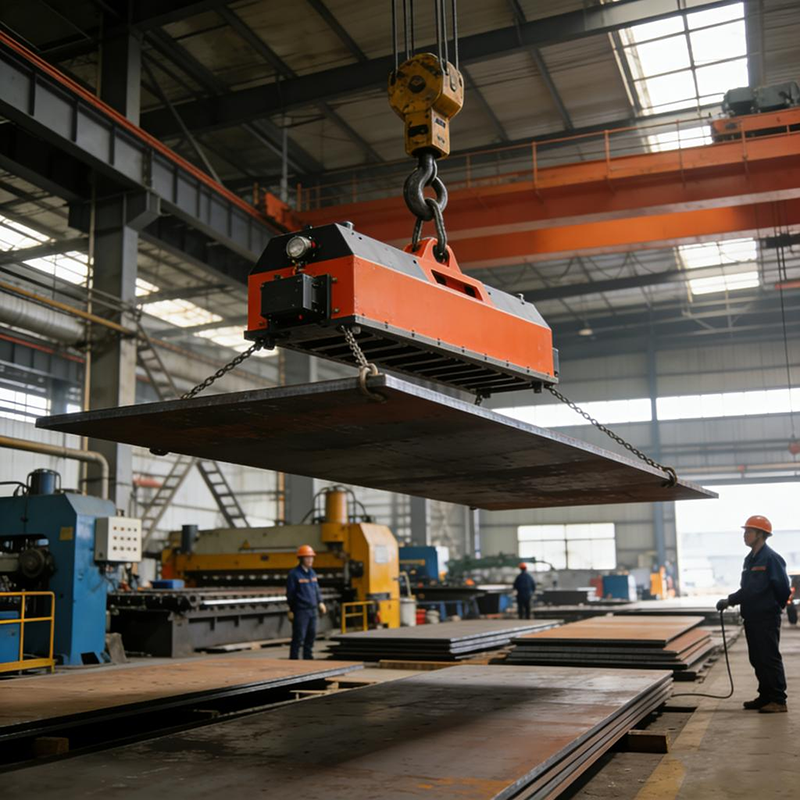
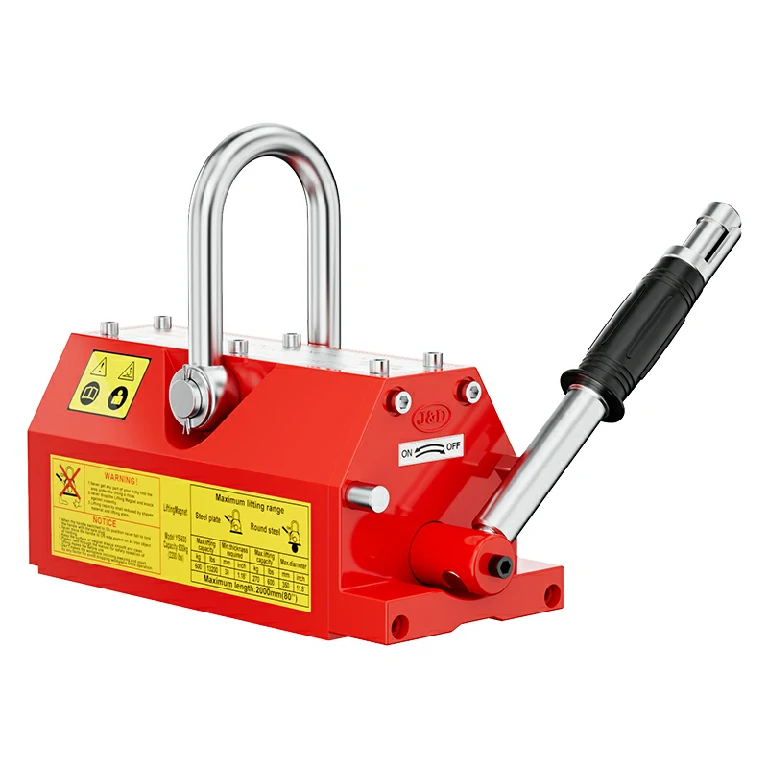
A permanent magnetic lifter is a mechanical lifting device that uses permanent magnets to generate magnetic attraction.
The magnetic lifter is normally equipped with:
· Permanent magnetic system
· Magnetic circuit
· ON/OFF operating handle
· V-shaped magnetic contact surface
· Lifting eye or shackle
· Steel housing
· Safety mechanism
The operator places the magnetic surface against a suitable steel load and activates the magnetic system.
Once the magnet is properly engaged, the lifting eye can be connected to a crane hook, hoist or other compatible lifting equipment.
The load can then be lifted and transported.
When the load has been safely positioned, the operator disengages the magnetic system according to the manufacturer's operating procedure.
CH HOIST's published product description states that its magnetic lifter uses NdFeB magnets, has an ON/OFF handle, and incorporates a V-shaped bottom design for lifting both steel plates and round steel.
How Does a Permanent Magnetic Lifter Work?
The operating principle is based on a controlled magnetic circuit.
Permanent magnets create a magnetic field that passes through the magnetic contact surface and into the ferromagnetic load.
When the magnetic system is activated, the magnetic circuit provides attraction between the lifter and the steel material.
The basic operating process is:
Inspect the load → Position the magnet → Activate magnetic force → Confirm secure attachment → Lift vertically → Move the load → Position the load → Release the magnet
The process is relatively simple, but correct operation is extremely important.
A magnetic lifter should never be treated as a simple accessory that can be used without checking the load, surface condition and rated capacity.
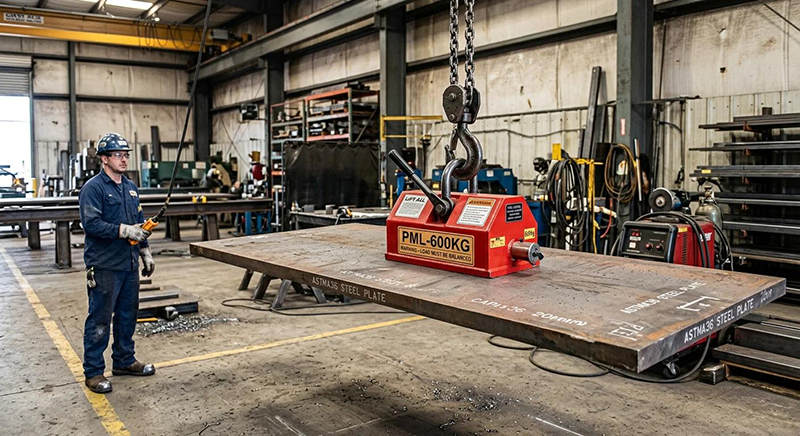
The permanent magnet is the core component.
CH HOIST states that its permanent magnetic lifter uses NdFeB magnet material, designed to provide strong magnetic force in a compact structure.
The quality of the magnetic system directly affects lifting performance.
The operating handle allows the operator to activate or release the magnetic system.
A properly designed handle should provide clear operation and reduce the risk of accidental switching.
A V-shaped contact surface provides flexibility when lifting different types of steel material.
This design can help the lifter contact:
· Flat steel plates
· Round bars
· Pipes
· Cylindrical steel
· Steel blocks
However, the actual rated capacity for flat and round materials can be different.
The upper lifting point connects the magnetic lifter to the crane hook, hoist or sling system.
The connection should be compatible with the lifting equipment and inspected before use.
The external housing protects the magnetic system and provides structural support.
A robust housing is important because the lifter is frequently exposed to industrial environments.
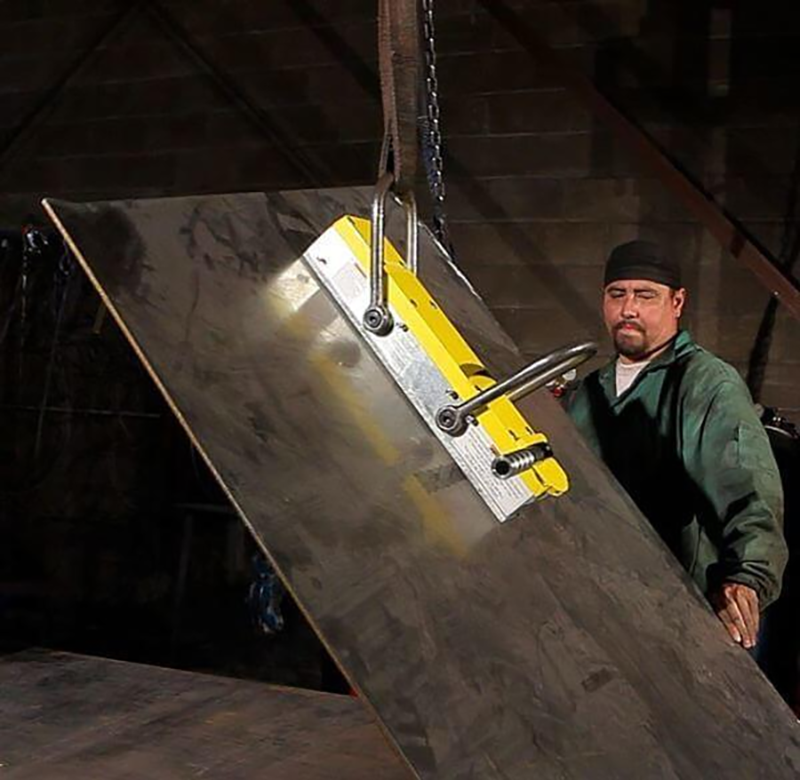
One of the biggest advantages is that permanent magnetic lifters do not require a continuous electrical power supply to generate their holding force.
This means there is no:
· Battery charging
· Power cable
· Electrical motor
· External electrical connection
required for the magnetic holding function.
This can make them convenient for factories and workshops where steel material needs to be moved regularly.
A magnetic lifter can attach to suitable steel material without manually wrapping a sling around every load.
This can make repetitive steel handling more convenient.
For example:
Traditional sling handling:
Position sling → Wrap around load → Connect hook → Adjust sling → Lift
Magnetic lifting:
Position magnet → Activate → Lift
The actual procedure must still follow the manufacturer's instructions and safety requirements.
A V-shaped magnetic contact surface can make a magnetic lifter useful for different types of steel products.
Possible applications include:
· Steel plates
· Steel blocks
· Round bars
· Steel pipes
· Cylindrical components
CH HOIST specifically describes its magnetic lifter as suitable for steel sheets, blocks, rods and other magnetic materials.
Compared with some traditional lifting accessories, a permanent magnetic lifter can provide substantial lifting capability within a relatively compact structure.
This makes it convenient to store and transport between work areas.
There is no complicated electrical control system involved in the basic magnetic holding function.
The operator mainly needs to:
1. Position the magnet correctly.
2. Activate the magnetic system.
3. Confirm secure attachment.
4. Lift within the rated capacity.
5. Release only after the load is safely positioned.
Magnetic lifters and lifting clamps can both be used for steel handling, but their operating principles are different.
Feature | Permanent Magnetic Lifter | Lifting Clamp |
Holding principle | Magnetic force | Mechanical clamping |
Electricity required | No | No |
Steel plate handling | Yes | Yes |
Round material | Certain models | Certain models |
Surface requirement | Ferromagnetic material | Depends on clamp |
Attachment method | Magnetic | Mechanical |
Typical use | Steel and metal handling | Steel plate/beam handling |
Contact with load | Magnetic surface | Clamp jaws |
The appropriate solution depends on the load type, surface condition, material characteristics and lifting method.
Slings remain widely used in industrial lifting.
However, magnetic lifters can offer a different handling method for suitable steel loads.
Advantages can include:
· Flexible configuration
· Suitable for many material types
· Can wrap around irregular loads
· Available in different capacities and lengths
Potential disadvantages:
· More manual positioning
· Requires correct sling configuration
· Can take more time to attach and remove
Advantages can include:
· Fast attachment
· No wrapping around the load
· No external power supply
· Suitable for many steel handling applications
However, magnetic lifting requires appropriate ferromagnetic material and sufficient contact conditions.
Steel fabrication workshops frequently need to move plates, bars and other steel products.
A magnetic lifter can be connected to an overhead crane or hoist to facilitate material positioning.
During cutting, drilling, welding and machining operations, steel components may need to be repositioned.
Magnetic lifting equipment can help move suitable steel components between workstations.
Heavy steel components can be difficult to handle manually.
Magnetic lifters can be used as part of an integrated lifting system for suitable ferromagnetic components.
Steel warehouses may need to move:
· Steel plates
· Steel bars
· Steel blocks
· Pipes
· Metal components
A permanent magnetic lifter can be used with compatible overhead lifting equipment.
Large steel structures and plates require specialized material handling solutions.
Depending on the load size and lifting requirements, multiple lifting points or other specialized lifting systems may be necessary.
Maintenance teams may need to move heavy steel components during equipment repair.
A compact magnetic lifter can be useful when appropriate lifting equipment is available.
One of the most important points when selecting a permanent magnetic lifter is rated capacity.
Capacity is not necessarily the same for every type of load.
For example, CH HOIST's published catalog provides separate specifications for flat capacity and round capacity. Models shown include PML1500, PML2000, PML3000 and PML5000.
The catalog lists, for example:
Model | Flat Capacity | Round Capacity | Proof Load |
PML1500 | 1500 kg | 750 kg | 4500 kg |
PML2000 | 2000 kg | 1000 kg | 6000 kg |
PML3000 | 3000 kg | 1500 kg | 9000 kg |
PML5000 | 5000 kg | 2500 kg | 15000 kg |
These figures are manufacturer-published specifications for the listed models; buyers should confirm the exact current configuration and applicable operating conditions before ordering.
This difference between flat and round capacity is extremely important.
Do not assume that a magnet rated for 2000 kg on flat steel can automatically lift 2000 kg of round steel.
Rated capacity depends on more than the magnet's model number.
Important factors can include:
The load must have suitable magnetic properties.
Permanent magnetic lifters are designed primarily for ferromagnetic materials.
Very thin steel may not provide the same magnetic performance as thick steel.
Rust, paint, dirt, scale, oil and other materials between the magnet and the steel can affect contact and magnetic performance.
A clean, flat contact surface is generally preferable.
Air Gap
An air gap between the magnetic surface and the load can reduce effective magnetic force.
Even a small gap caused by:
· Paint
· Rust
· Dirt
· Scale
· Debris
can affect performance.
Flat steel and round steel behave differently.
The geometry of the load can influence how effectively the magnetic circuit engages with the material.
Magnetic lifting equipment handles potentially heavy loads, so safety must always come first.
The rated capacity must be respected.
The capacity should be evaluated according to:
· Model
· Material
· Thickness
· Shape
· Surface condition
· Contact area
· Operating conditions
Before attaching the magnet, inspect the material.
Check for:
· Excessive rust
· Oil
· Dirt
· Paint
· Deformation
· Cracks
· Insufficient thickness
The contact surface should be clean and properly positioned.
A poor contact condition can reduce magnetic performance.
Before raising the load from the ground, confirm that the magnet is correctly positioned and engaged according to the manufacturer's operating procedure.
Where possible, the lifting point should be positioned so that the load is lifted vertically.
Avoid unnecessary side loading or dragging.
Never allow people to stand underneath a suspended load.
The lifting area should be controlled and appropriate safety procedures should be followed.
For buyers, choosing the correct model requires more than simply selecting the highest capacity.
Determine whether the material is:
· Mild steel
· Carbon steel
· Steel plate
· Steel block
· Round bar
· Steel pipe
Confirm that the material is compatible with magnetic lifting.
Identify the heaviest load that will be handled.
For example:
500 kg → 1000 kg → 1500 kg → 2000 kg → 3000 kg → 5000 kg
Select a suitable model according to the manufacturer's rated capacity and operating conditions.
Thickness is important because magnetic performance can vary with material thickness.
Provide the supplier with the actual minimum and maximum thickness.
If you are lifting flat plates, use the manufacturer's flat-load capacity.
If you are lifting pipes or round bars, check the specific round-load capacity.
Tell the supplier whether the steel is:
· Painted
· Galvanized
· Rusty
· Oily
· Machined
· Clean
This information can help determine whether magnetic lifting is appropriate.
A magnetic lifter is usually not a standalone transportation system.
It works as a lifting accessory connected to equipment such as:
· Overhead cranes
· Gantry cranes
· Jib cranes
· Electric hoists
· Wire rope hoists
· Chain hoists
The basic system can therefore be:
Crane → Hoist → Hook → Magnetic Lifter → Steel Load
This combination allows a crane system to handle suitable steel materials without requiring the operator to manually attach conventional slings around every load.
Permanent magnetic lifters are a useful product category for lifting-equipment distributors.
Potential customers include:
· Crane companies
· Steel distributors
· Metal processing companies
· Welding workshops
· Machinery manufacturers
· Industrial equipment dealers
· Warehouse equipment suppliers
· Construction equipment suppliers
A distributor can also sell magnetic lifters together with:
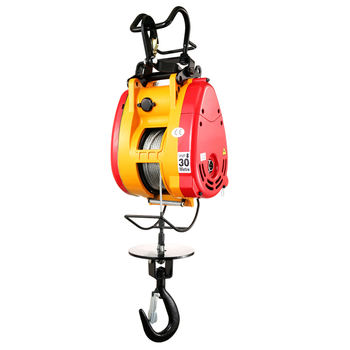
· Electric hoists
· Manual chain hoists
· Wire rope hoists
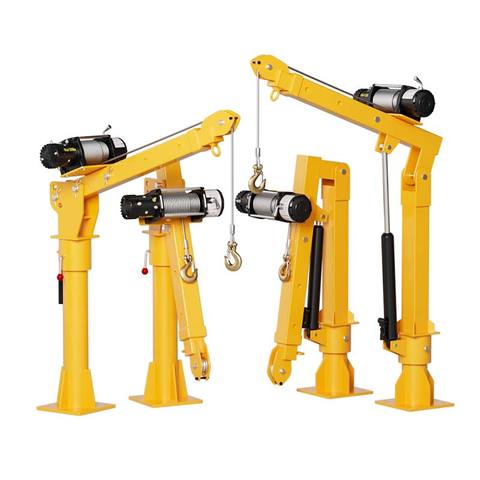
· Cranes
· Lifting clamps
· Shackles
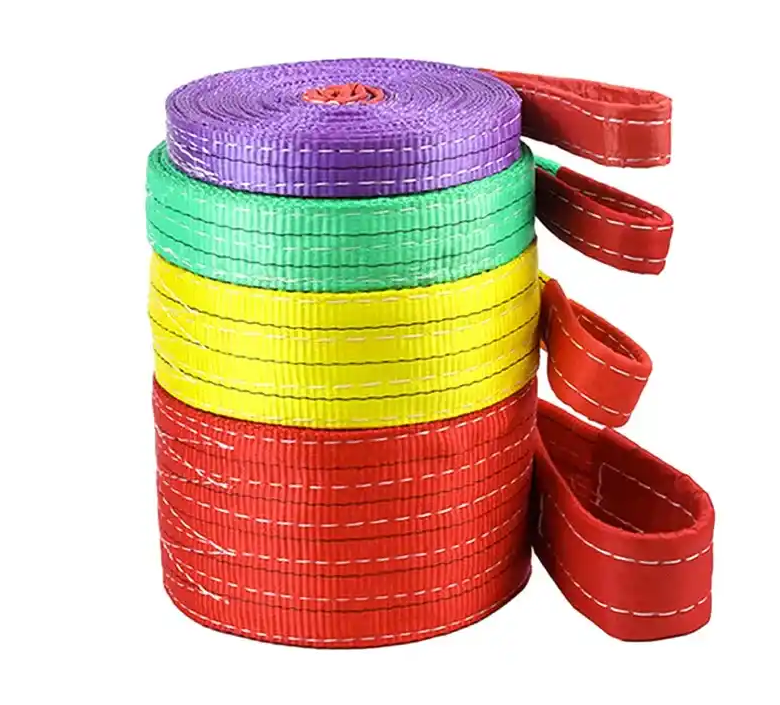
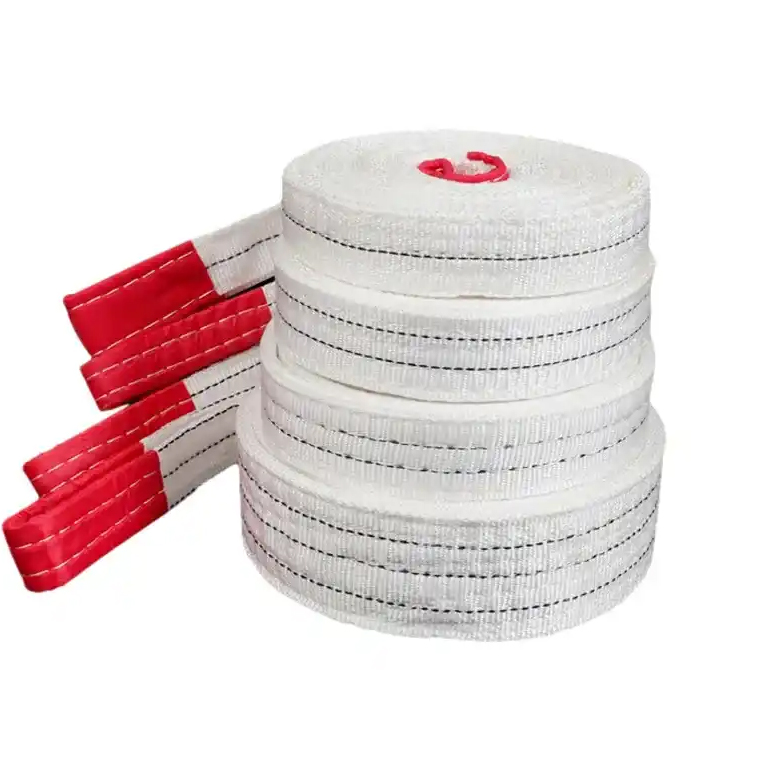
· Webbing slings
· Wire rope
· Other rigging accessories
This allows the distributor to provide a more complete material handling solution.
CH HOIST lists Permanent Magnetic Lifter under its permanent magnetic chuck product category. The company describes the product as using NdFeB magnetic material, a V-shaped design, an ON/OFF handle and an optimized magnetic circuit.
Its published catalog also provides different magnetic lifter models and separate flat/round lifting capacities.
CH HOIST's broader product portfolio includes:
· Permanent Magnetic Lifters
· Electric Hoists
· Manual Chain Hoists
· Lever Hoists
· Winches
· Cranes
· Webbing Slings
· Rigging Equipment
· Lifting Clamps
· Material Handling Equipment
The company describes itself as a manufacturer specializing in small lifting equipment and accessories.
For distributors and industrial buyers, sourcing multiple product categories from one supplier can simplify product selection and communication.
A permanent magnetic lifter is a lifting accessory that uses permanent magnetic force to attach to suitable ferromagnetic materials and lift them with a crane or hoist.
No. A permanent magnetic lifter uses permanent magnets and does not require an external electrical power supply for its basic magnetic holding function.
It is primarily intended for suitable ferromagnetic materials such as certain steel plates, blocks, bars and pipes. Non-magnetic materials such as aluminum and many stainless steels may not be suitable.
Yes, certain models are designed for round materials, but the rated capacity for round steel can be lower than the flat-load capacity. The manufacturer's specifications must be checked for the specific model.
A properly selected and correctly operated magnetic lifter can be an effective lifting accessory. However, safe operation depends on rated capacity, material properties, thickness, surface condition, correct attachment and compliance with the manufacturer's operating instructions.
Confirm the maximum load weight, steel type, material thickness, flat or round shape, surface condition and lifting environment before selecting a model.
The Permanent Magnetic Lifter provides a convenient method for handling suitable steel materials without requiring electrical power or manually wrapping a sling around every load.
Its main advantages include:
Electricity-Free Operation | Fast Attachment | Compact Design | Flat & Round Steel Handling | Easy Integration with Cranes and Hoists
For steel fabrication workshops, metal processing companies, machinery manufacturers, warehouses and industrial distributors, magnetic lifting equipment can be a valuable part of a complete lifting system.
However, selecting the correct capacity is critical.
Buyers should always consider:
Load Weight + Material Type + Material Thickness + Surface Condition + Load Shape + Rated Capacity
For example, a magnetic lifter's rated capacity for flat steel may be significantly different from its capacity for round steel. CH HOIST's published specifications demonstrate this distinction clearly.
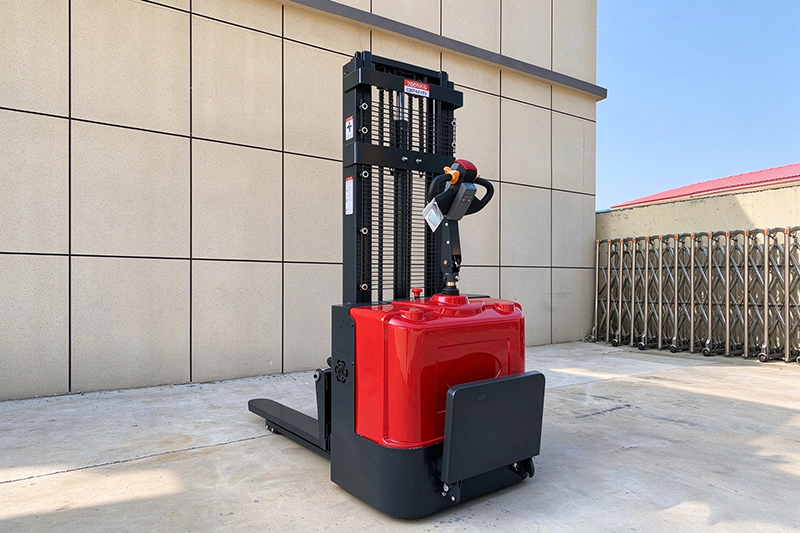
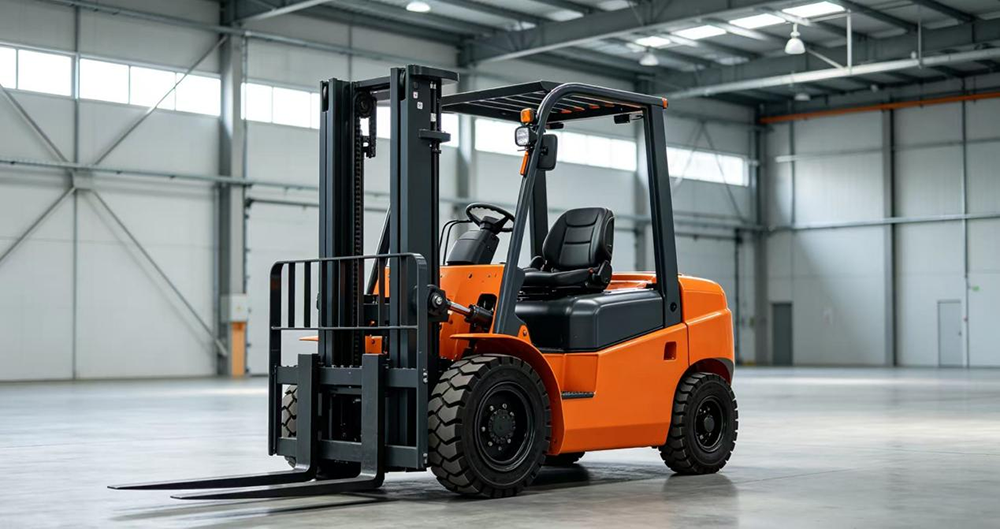
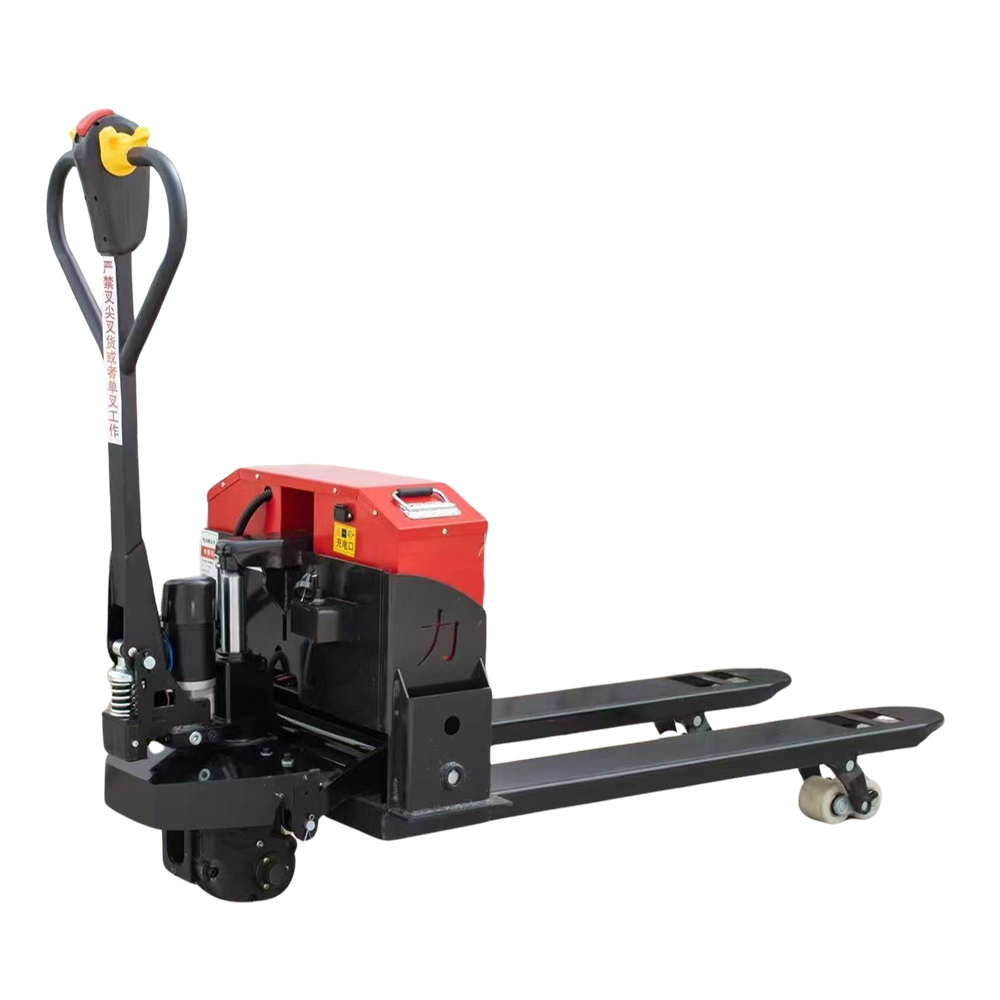
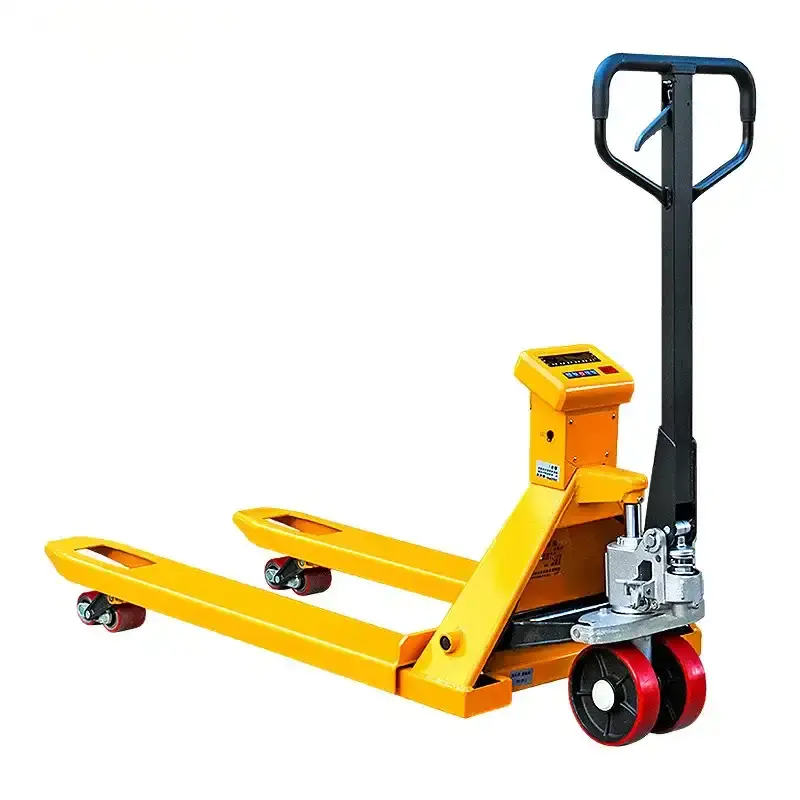
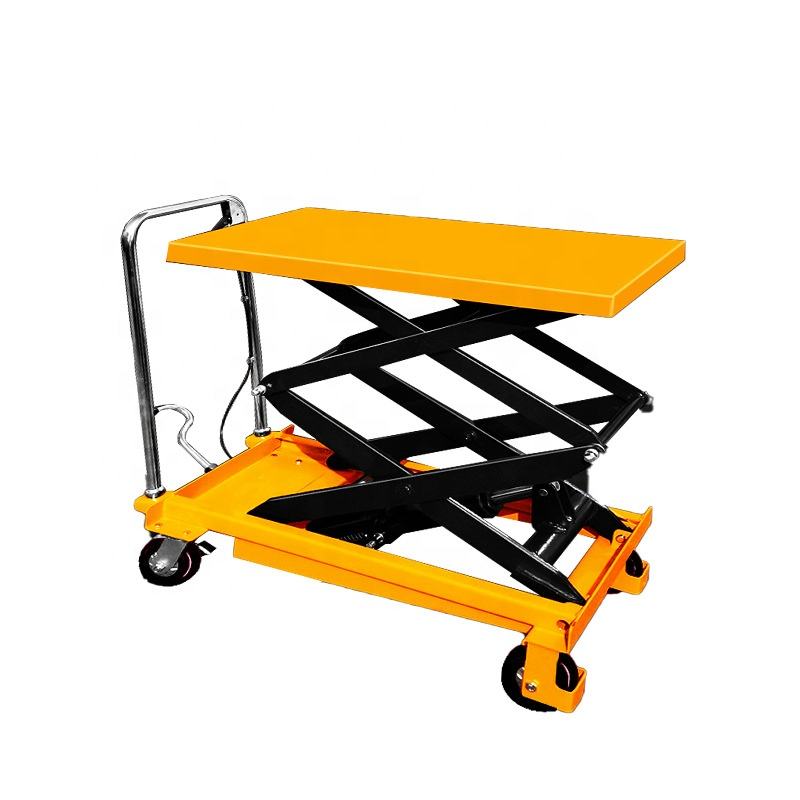
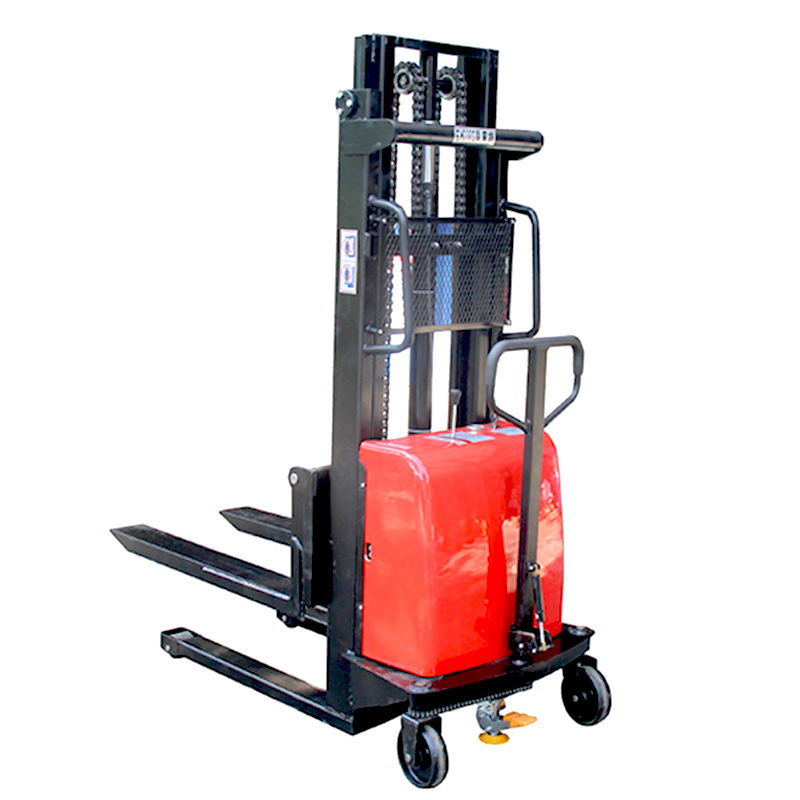
Modern warehouses, distribution centers, and manufacturing facilities need efficient ways to lift, move, and stack palletized goods. As businesses handle more products and work to optimize storage space, choosing the right material handling equipment becomes increasingly important.
2026-10-21View More →
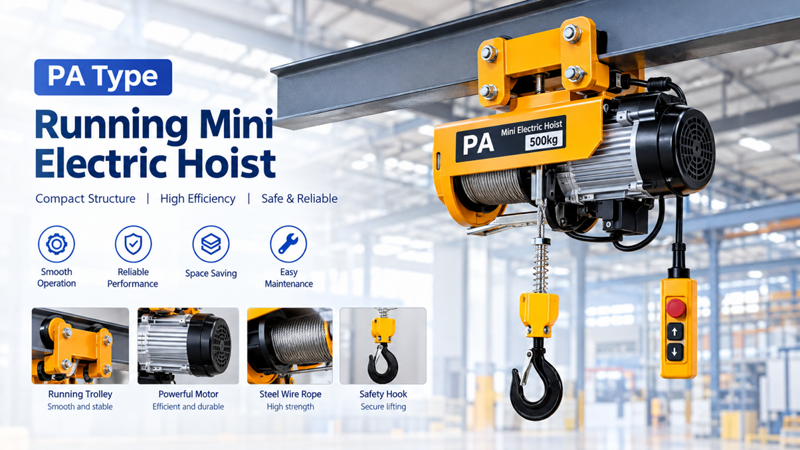
Learn about PA type running mini electric hoist, including key selection factors, typical applications, safety operation tips for small lifting jobs.
2026-10-20View More →
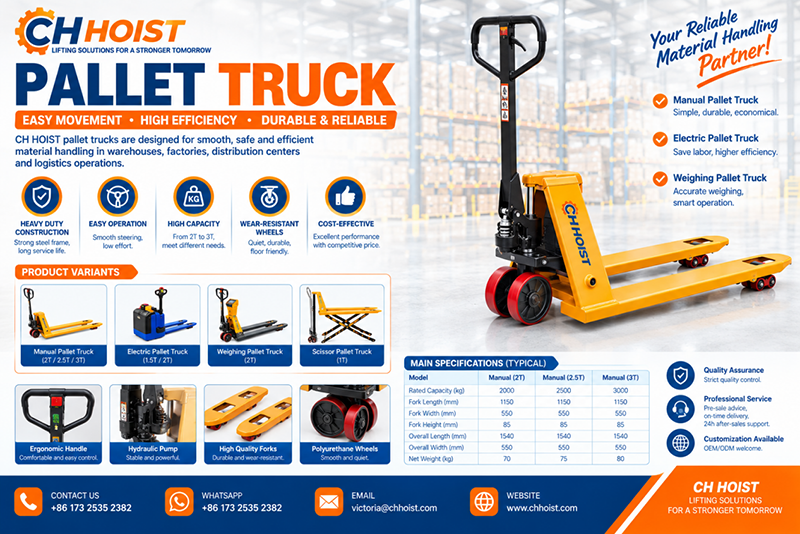
A pallet truck, also known as a pallet jack or pallet trolley, is one of the most practical tools for transporting palletized materials over short distances. Compared with moving goods manually, pallet trucks help reduce physical effort, improve workflow, and make warehouse operations more efficient.
2026-10-19View More →


 Tel:
+8613653129869
 Whatsapp:
+8613653129869
 Email:
chuanghehoist@gmail.com
 Address:Donglu Village, Donglu Township, Qingyuan District, Baoding City, Hebei Province

 English
 Français
 Español


 Email
 +8613653129869
 +8613653129869

 Home
 Whatsapp
 chuanghehoist@gmail.com