


If you have any questions, please contact our online customer service staff immediately
 Click:2630
Edit: Chuanghe Hoisting
Click:2630
Edit: Chuanghe Hoisting Time:2025-12-10 15:44:09
When I walked into the warehouse this morning, I noticed something unusual. The old manual stacker parked in the corner—usually quiet, coated with a thin layer of dust—looked almost expectant. Maybe it was the light hitting its hydraulic pump just right, or maybe it was the way its steel frame stood a bit straighter. Either way, it felt like the little workhorse knew its moment had finally arrived.
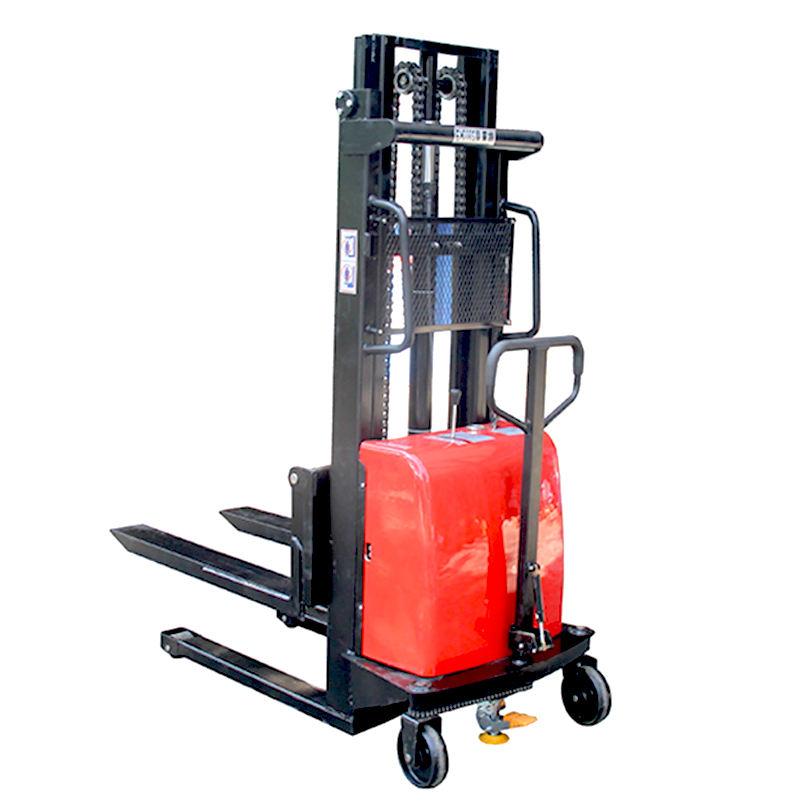
Over the past few months, more warehouse managers have been asking for equipment that’s simple, reliable, and cost-effective. Not every facility needs a high-priced electric stacker. Sometimes, all they need is a manual pallet stacker that can lift 1000kg or 1500kg without breaking a sweat… or breaking the budget.
That’s where this humble machine steps in.
With supply chains shifting and small businesses tightening budgets, the manual hydraulic stacker is becoming a practical favorite again. I’ve seen customers choose it not just because of price, but because it’s predictable—no batteries, no charging downtime, no surprise repairs.
One warehouse supervisor even told me, “Your hand stacker doesn’t complain. It just works.”
He wasn’t wrong. If machines had personalities, the manual stacker would be the steady type—always ready to roll, always lifting without fuss.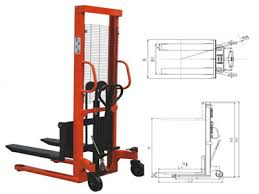
the walk-behind stacker quietly fills roles that used to demand more expensive gear.
The Machine That Doesn’t Try to Be Anything Else
There’s a kind of honesty in that.
Why This Matters Now
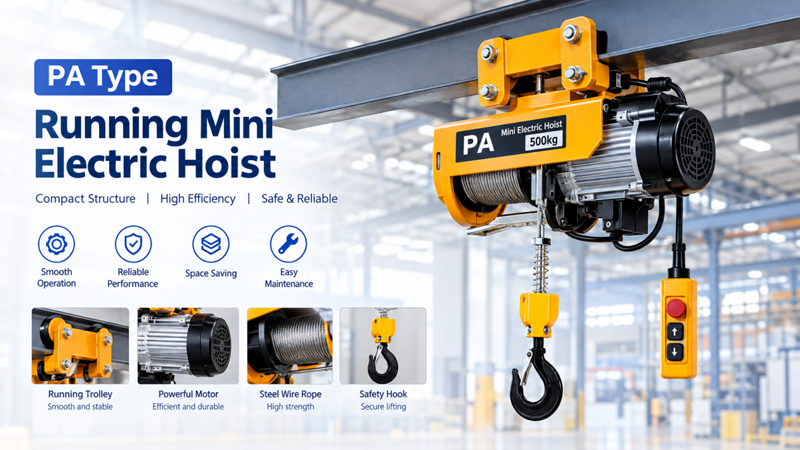
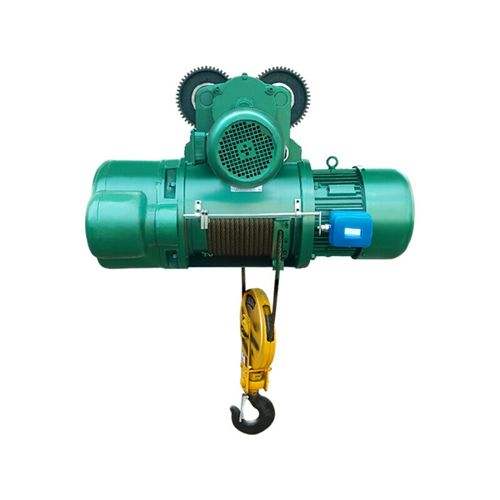
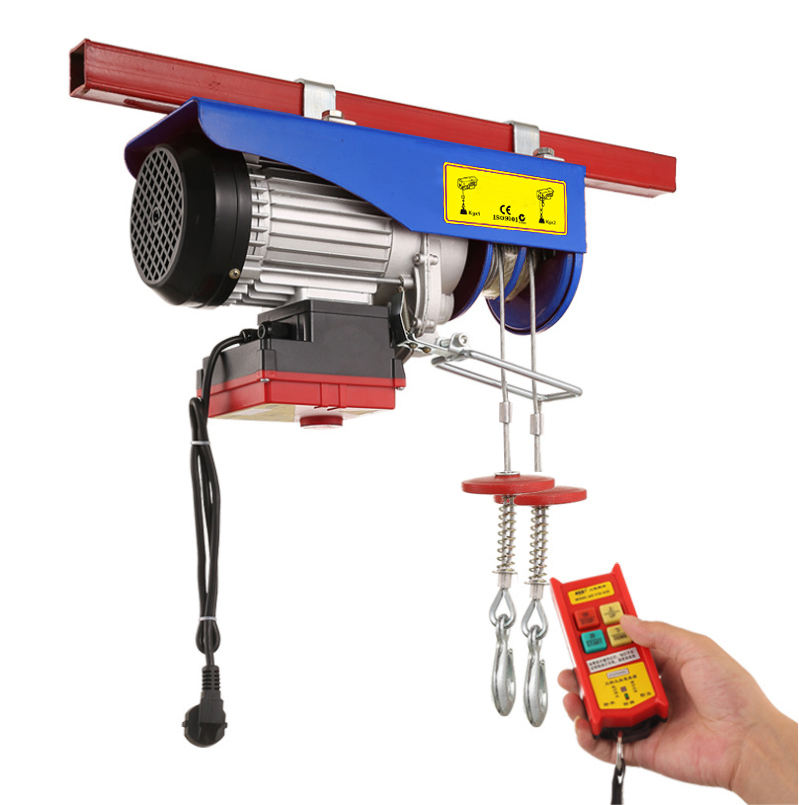
Learn about PA type running mini electric hoist, including key selection factors, typical applications, safety operation tips for small lifting jobs.
2026-10-20View More →
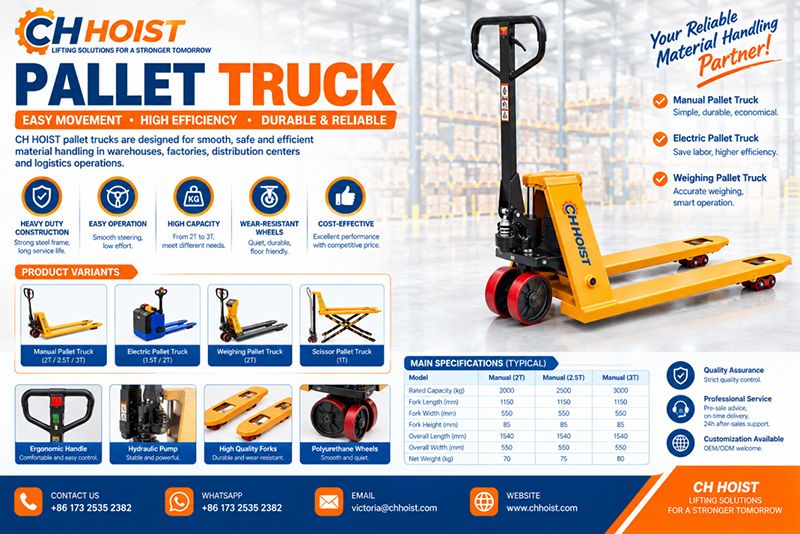
A pallet truck, also known as a pallet jack or pallet trolley, is one of the most practical tools for transporting palletized materials over short distances. Compared with moving goods manually, pallet trucks help reduce physical effort, improve workflow, and make warehouse operations more efficient.
2026-10-19View More →
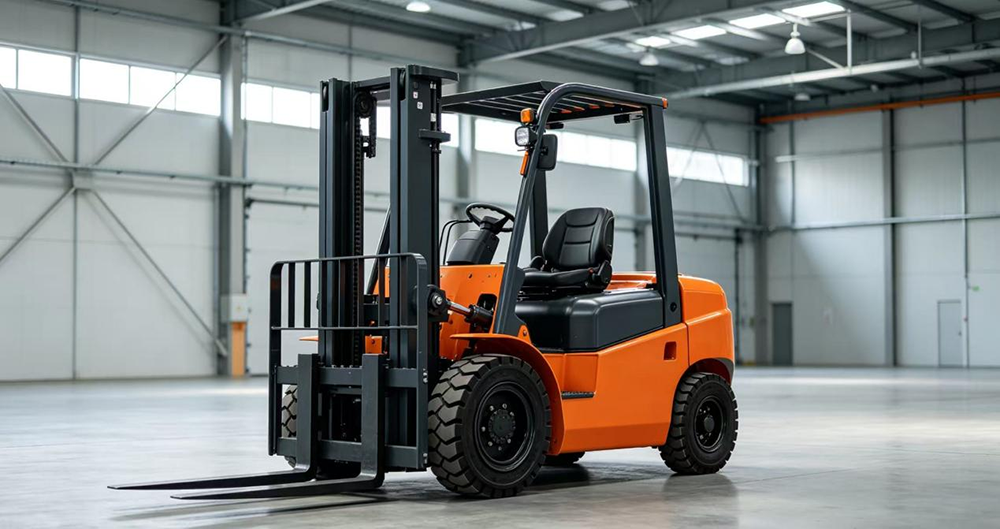
In recent years, with the continuous global promotion of green manufacturing, low-carbon industrial policies, intelligent warehouse transformation and rapid expansion of cross-border e-commerce logistics, the traditional diesel forklift market has shown obvious shrinking trends. At the same time, electric counterbalance forklifts have ushered in explosive growth worldwide.
2026-10-16View More →


 Tel:
+8613653129869
Tel:
+8613653129869
 Whatsapp:
+8613653129869
Whatsapp:
+8613653129869
 Email:
chuanghehoist@gmail.com
Email:
chuanghehoist@gmail.com
 Address:Donglu Village, Donglu Township, Qingyuan District, Baoding City, Hebei Province

 English
 Français
 Español
 Email
Email +8613653129869
 +8613653129869
 Home
Home Whatsapp
 chuanghehoist@gmail.com