In lifting and pulling jobs, real‑world experience tells lessons that product brochures seldom cover.
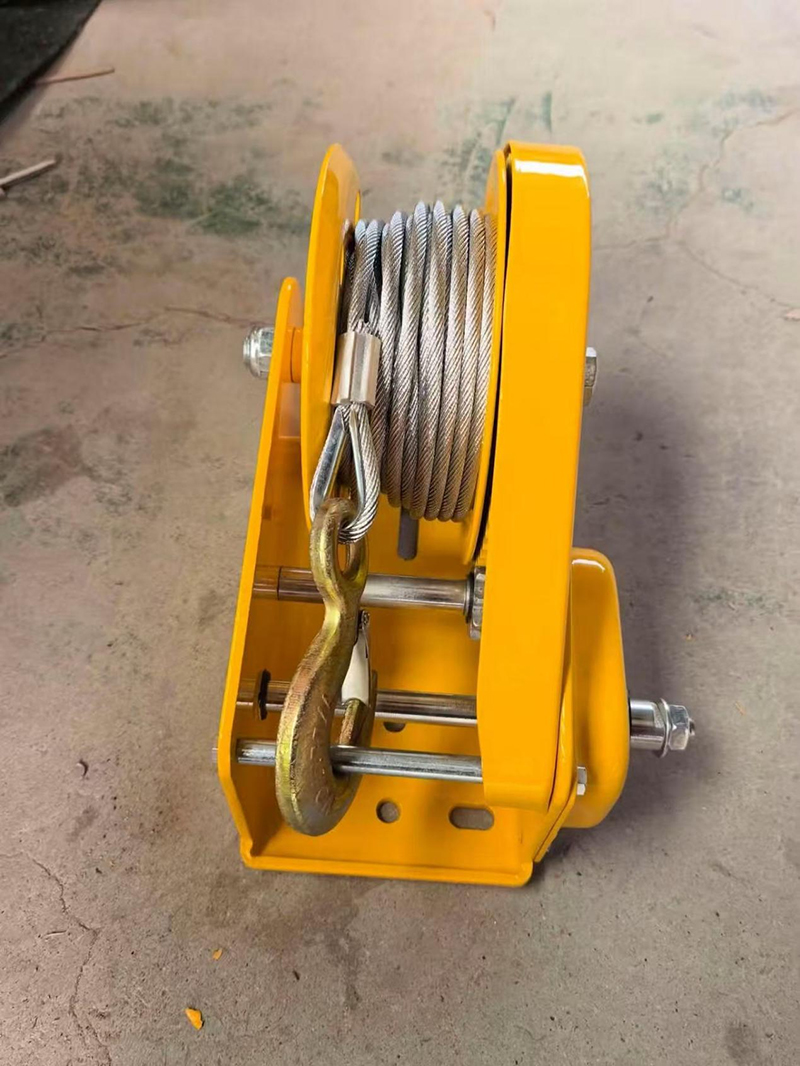
Over the years, I find most online buyers keep asking these practical questions:
• Reliable
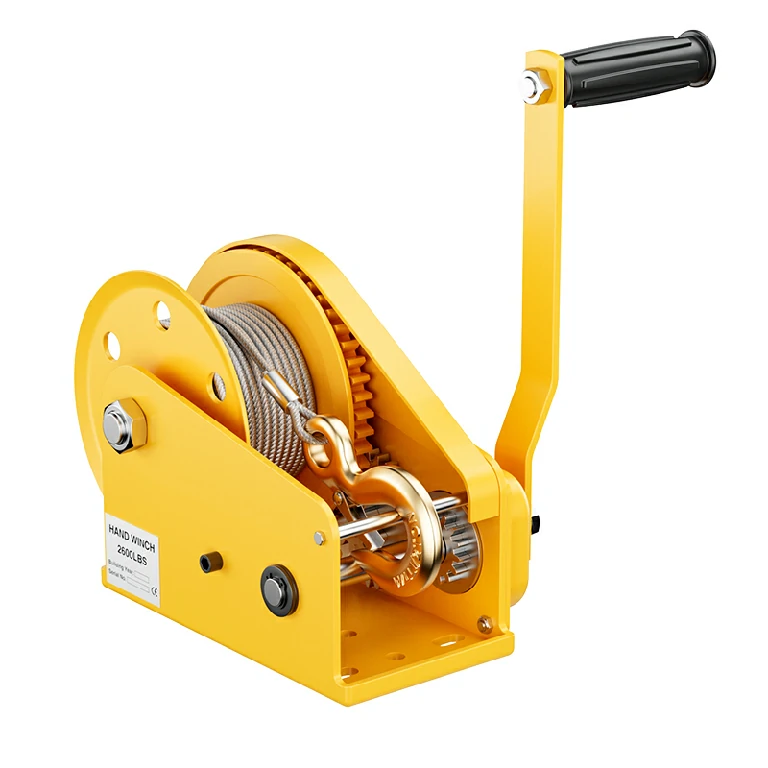
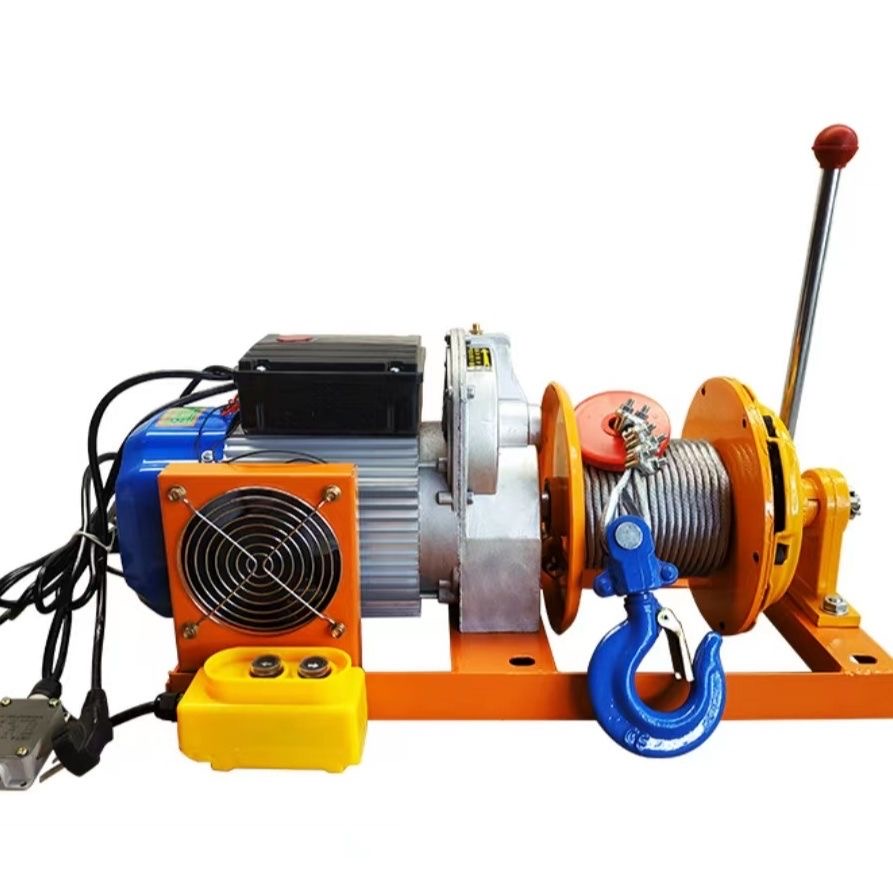
hand winch brands for industrial pulling & lifting
• How to select the right hand winch for site operation
• Self‑locking hand winch vs ordinary hand winch comparison
• Hand winch load capacity selection tips
• Safety guidelines for manual hand winch operation
Instead of theoretical textbook knowledge, I would like to share practical experience from real‑site projects.
Reliable Hand Winch Brands for Industrial Pulling Work
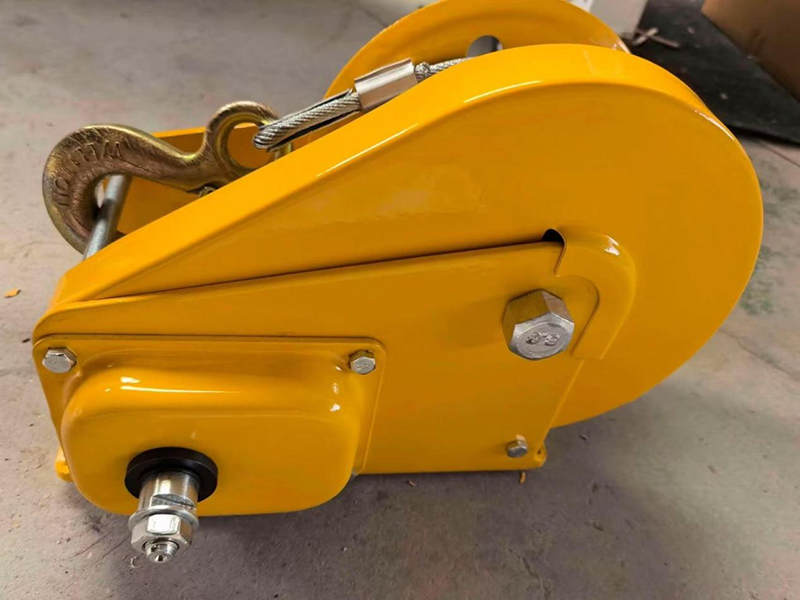
For industrial pulling and lifting, brand reputation counts, yet practical performance matters more.
Well‑recognized brands around the globe:
• Tractel: Stable self‑locking brake system, durable steel wire rope
• Yale: Strict manufacturing standard, good heavy‑load performance
How to Choose Suitable Hand Winch for Site Work
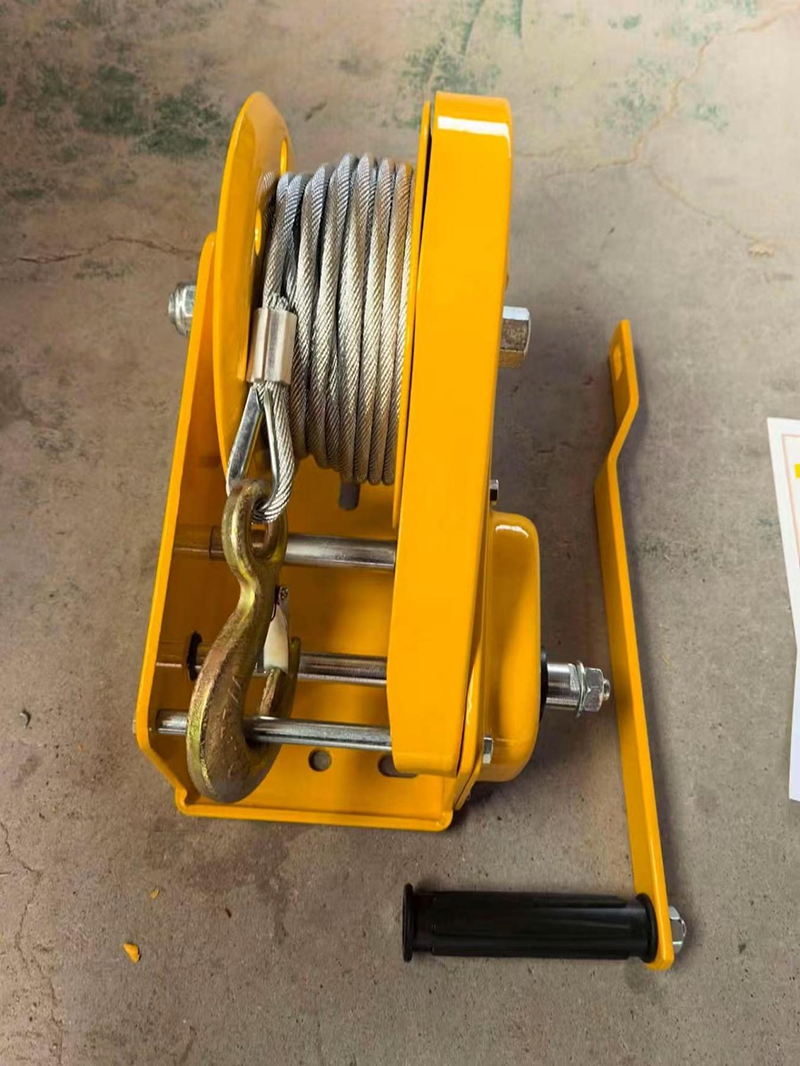
Working sites are tough conditions: dust, moisture, impact and complex installation positions all test the equipment.
When helping customers select hand winches, I focus on these practical points:
1. Actual working load
Many buyers simply mention “1 ton or 2 ton”.
I always confirm: Is it static weight? Will there be pulling movement? Is angle pulling required?
When adjusting or moving heavy objects, dynamic pulling force can exceed rated load. Under such conditions, pick one higher capacity for better safety.
2. Working frequency
• Occasional use for installation: Standard self‑locking hand winch meets demand
• Frequent daily pulling jobs: Must choose thickened housing, heavy‑duty steel wire rope model
Frequent operation speeds up internal gear wear. Picking proper quality at first saves later repair and maintenance cost.
3. Rope length requirement
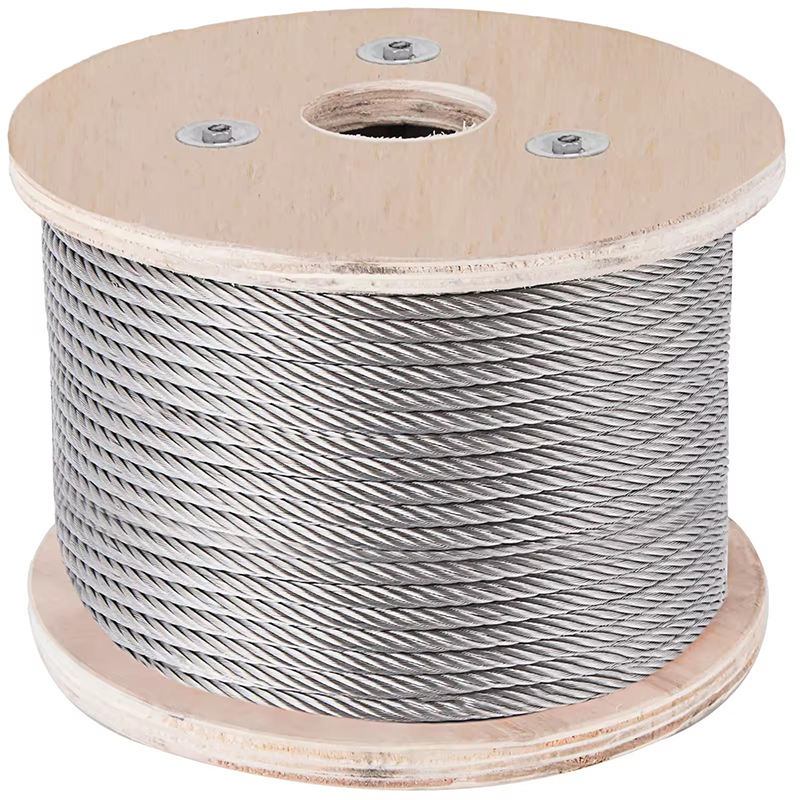
Standard steel wire rope length is usually 10 meters.
For truck loading, trailer rescue or high‑position installation projects, longer wire rope is needed.
Key Safety Operating Tips
Lots of onsite accidents happen due to careless shortcuts. Please stick to these operating rules:
Pre‑operation check
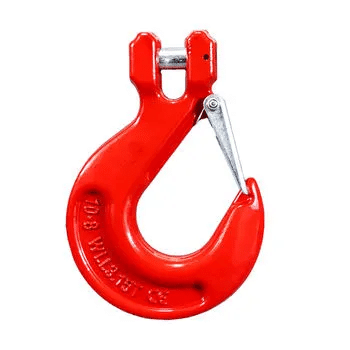
• Check hook deformation and safety latch condition
• Confirm self‑locking brake works well
• Inspect steel wire rope for broken wires, kinks or wear
• Test brake function before full‑load operation
A 2‑minute pre‑use check can avoid serious safety accidents.
Never overload
Some operators try to pull slightly overweight loads “just for once”.
That single operation may cause permanent damage to the self‑locking brake.
Avoid side‑angle pulling
Hand winches are designed mainly for straight pulling.
Angle pulling will create extra stress on wire rope and internal gears.
Operate smoothly
Do not jerk the hand crank. Sudden jerk creates shock load which multiplies actual force beyond rated capacity.
Do not stand in the line of pulling
This basic rule is often ignored on busy working sites. Keep away from wire rope during operation.
Practical point of view
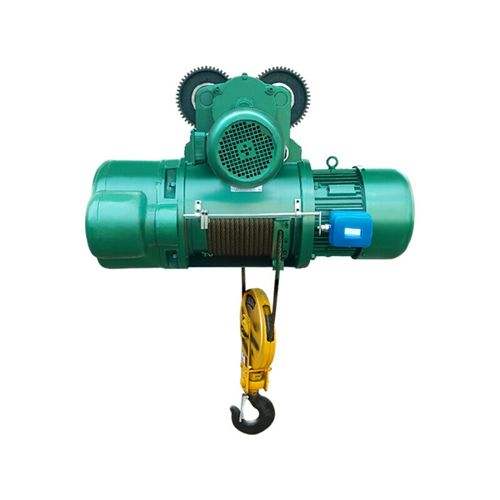
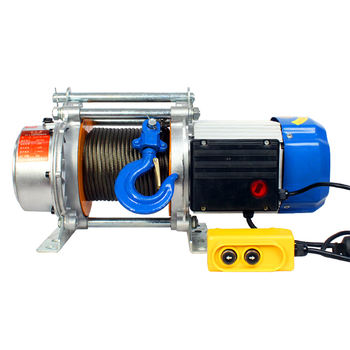
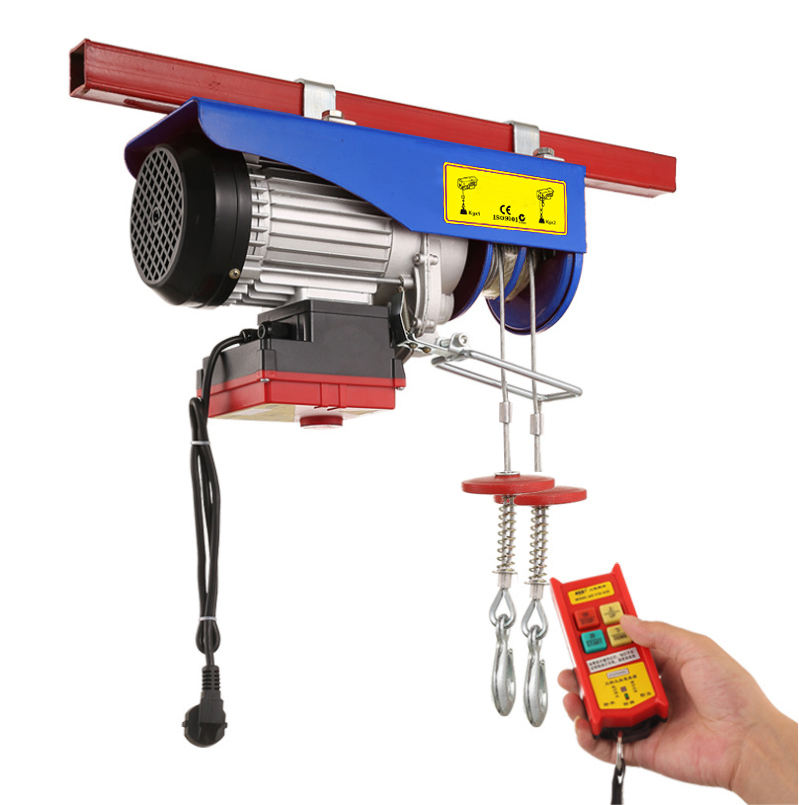
Hand winches are indispensable manual tools for pulling & lifting work, advantages include:
• No electricity required
• Compact & portable for transport
• Easy maintenance
• Works reliably for outdoor and remote sites
From practical experience: The best hand winch is not always the most expensive one. It is the unit matching your working condition and keeps safe performance for years.
Pulling and lifting work is not complicated, but safety must be highly valued.
If you are sourcing hand winches for construction, trailer, warehouse or onsite projects and need practical advice based on your real working condition, feel free to discuss your specific case.



 Click:573
Edit: Chuanghe Hoisting
Click:573
Edit: Chuanghe Hoisting Time:2026-08-21 17:08:14


 Tel:
+8613653129869
Tel:
+8613653129869 Whatsapp:
+8613653129869
Whatsapp:
+8613653129869 Email:
chuanghehoist@gmail.com
Email:
chuanghehoist@gmail.com Address:Donglu Village, Donglu Township, Qingyuan District, Baoding City, Hebei Province
 English
 Français
 Español
 Email
Email +8613653129869
 +8613653129869
 Home
Home Whatsapp
 chuanghehoist@gmail.com