Modern warehouses are under increasing pressure to move goods faster, use storage space more efficiently, and reduce unnecessary manual labor.
As warehouse operations become more demanding, material handling equipment has also evolved.
For businesses that need to lift, stack, transport, and organize palletized goods, a forklift is not always the most economical or practical solution.
In many applications, a Walkie Fully Electric Stacker can provide a compact, flexible, and cost-effective alternative.
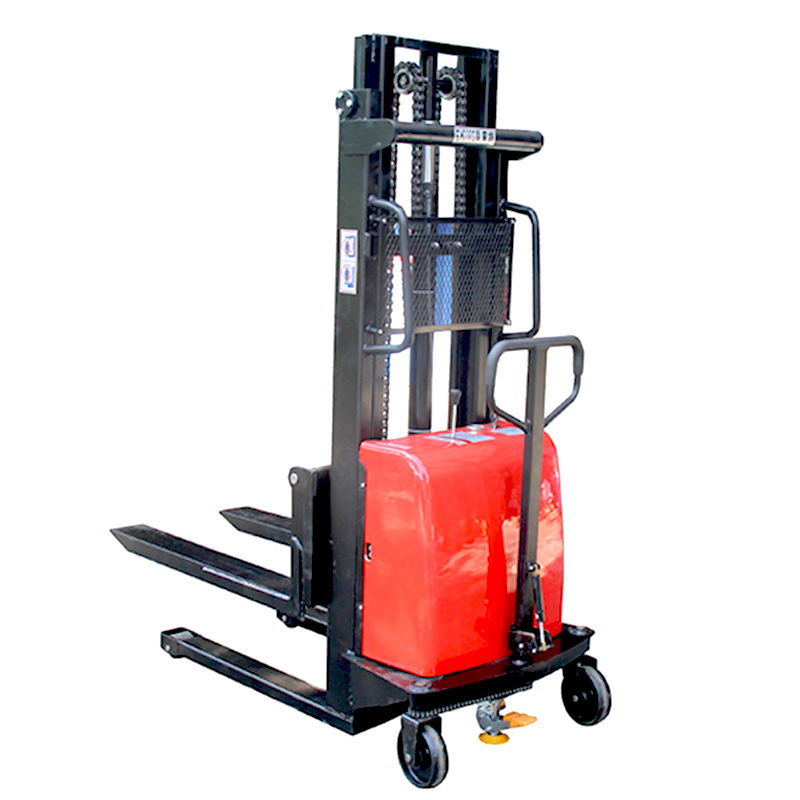
Also known as a Walkie Electric Stacker, Full Electric Stacker, Electric Pallet Stacker, Electric Stacker Forklift, or Pedestrian Electric Stacker, this type of equipment combines electric travel and electric lifting in one compact machine.
The operator walks behind or alongside the equipment while controlling its travel and lifting functions through the handle.
This makes the walkie fully electric stacker particularly suitable for:
Warehouses
Logistics centers
Manufacturing plants
Supermarkets
Distribution centers
Workshops
Loading and unloading areas
Small and medium-sized storage facilities
CH HOIST currently offers an
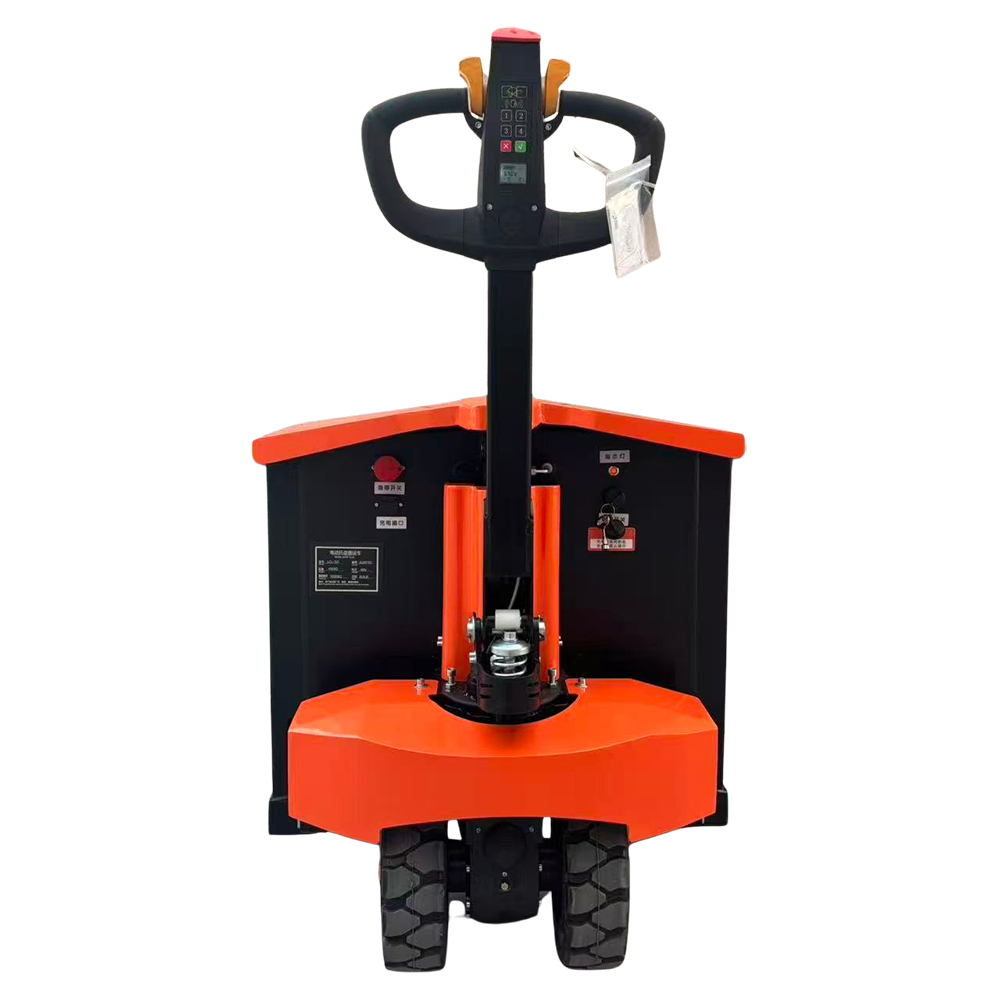
Electric Stacker Crane designed for pallet stacking, loading and unloading, and short-distance transportation. The manufacturer's published configuration includes a two-stage mast, polyurethane tires, electric power, and warehouse material-handling applications.
For more material handling solutions, visit the CH HOIST official website.
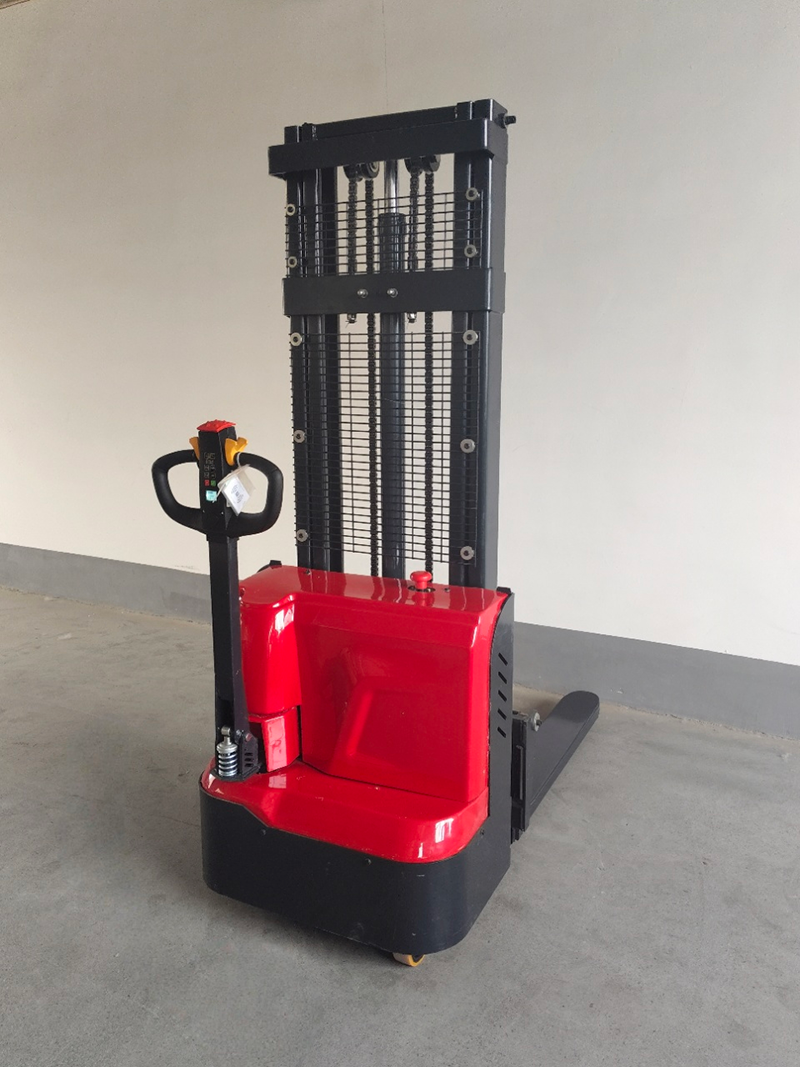
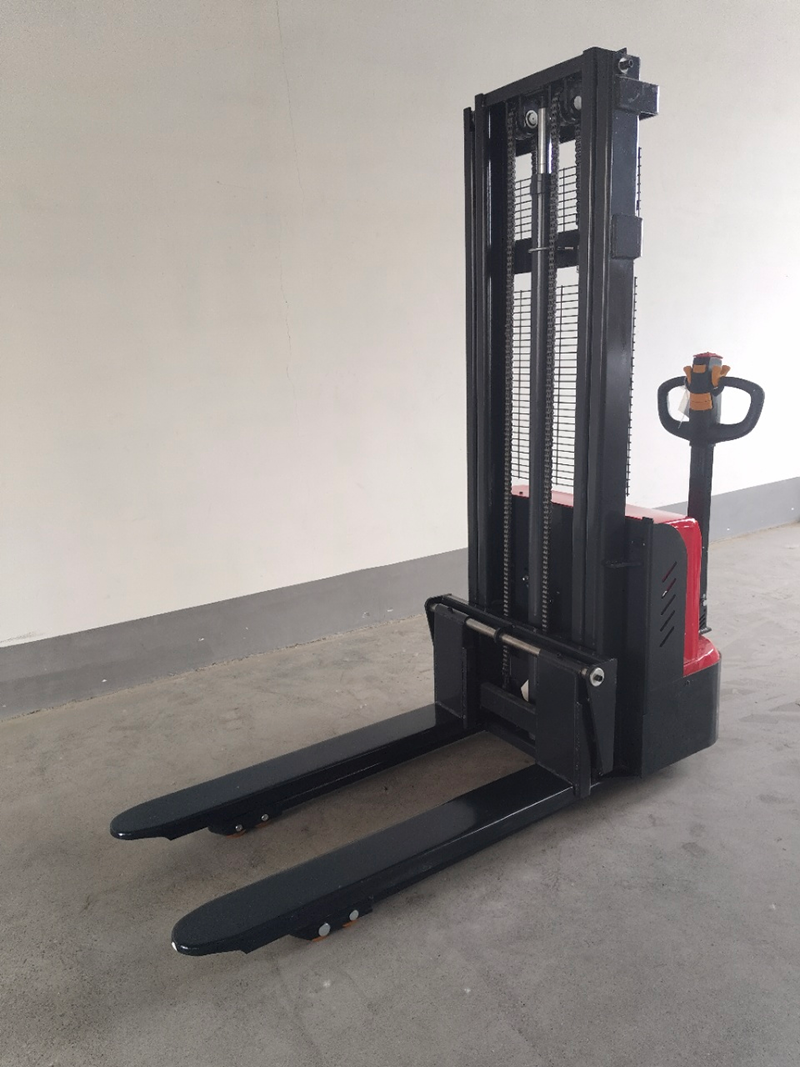
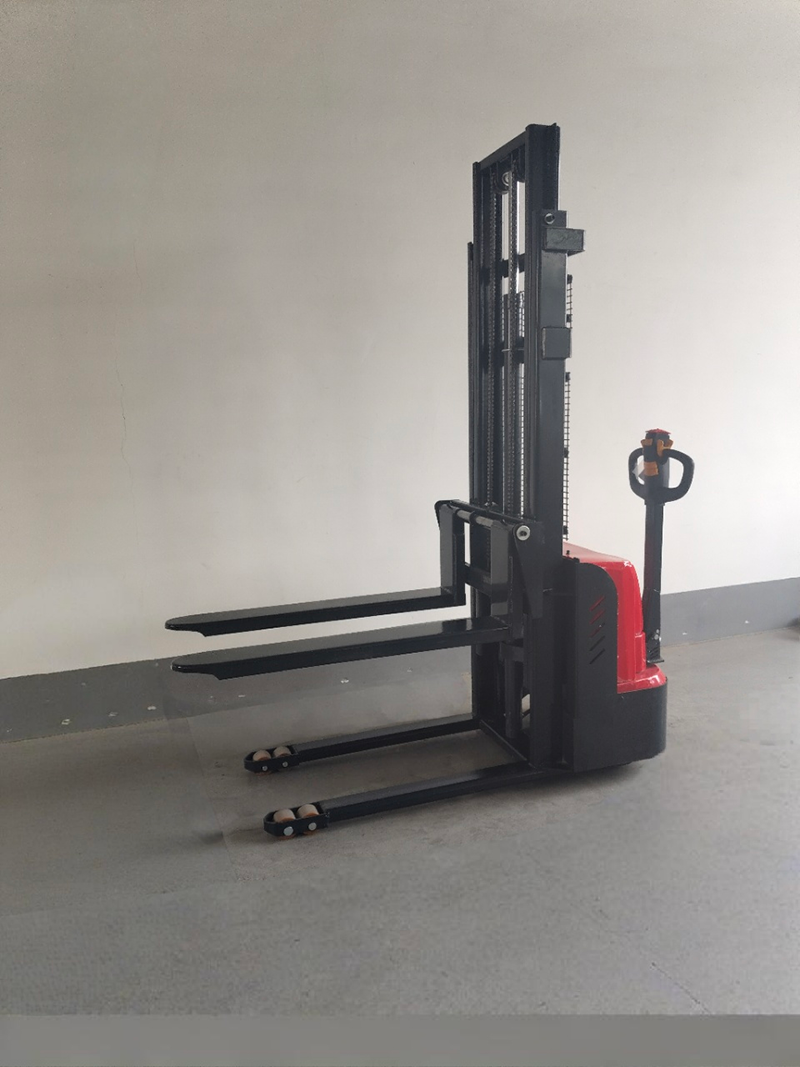
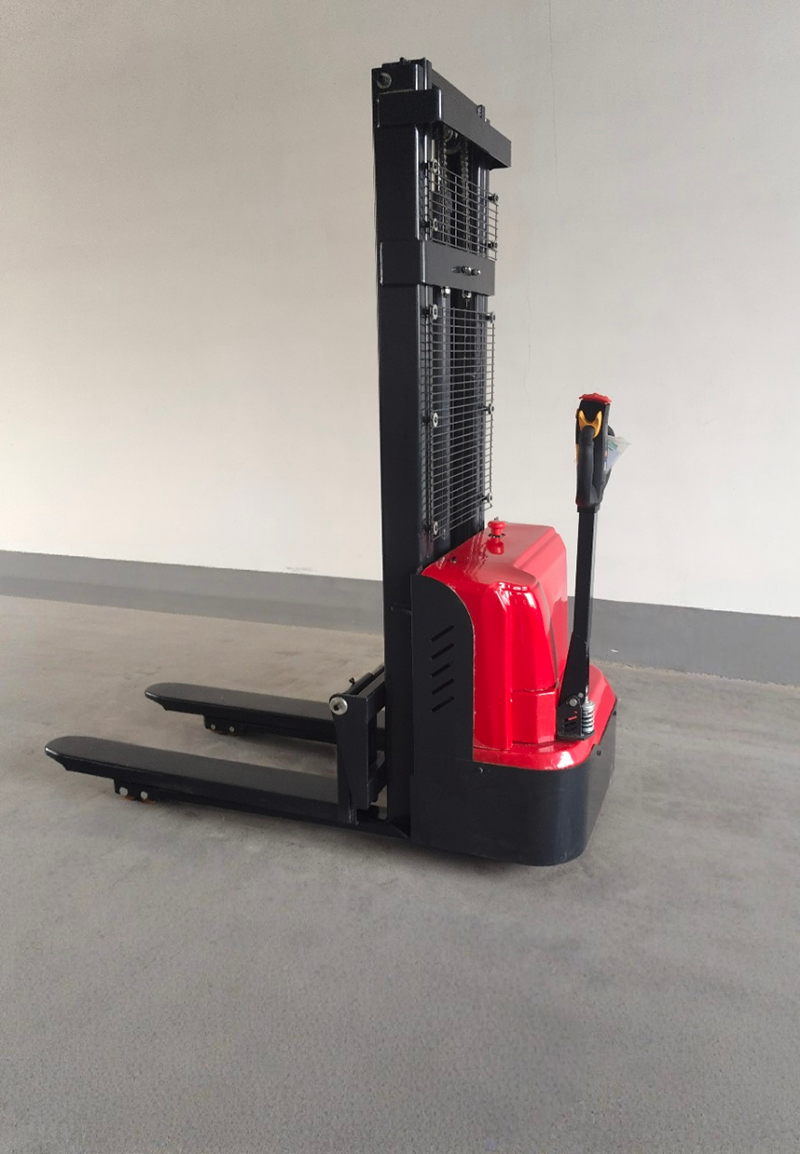
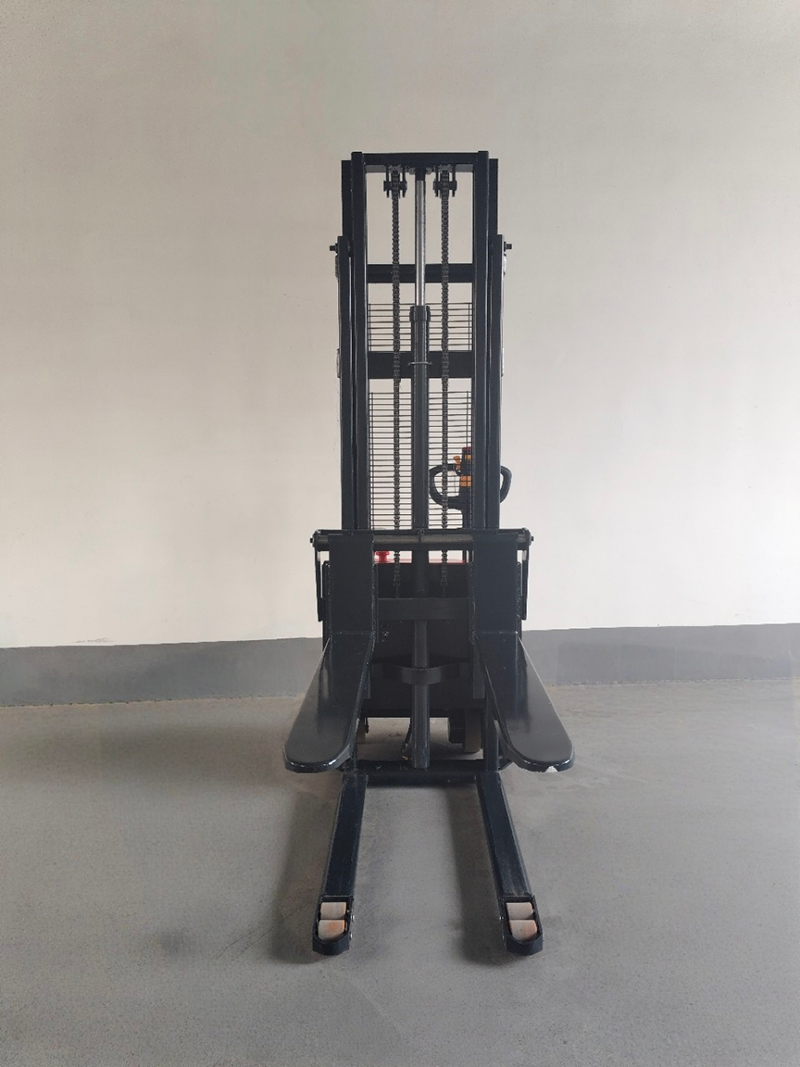
What Is a Walkie Fully Electric Stacker?
A Walkie Fully Electric Stacker is a compact powered material handling machine designed to lift and transport palletized loads.
The word “walkie” means that the operator normally walks with the machine instead of sitting inside a traditional forklift.
The term “fully electric” generally means that the main travel and lifting functions are powered electrically rather than requiring the operator to manually push the equipment or manually pump the hydraulic handle.
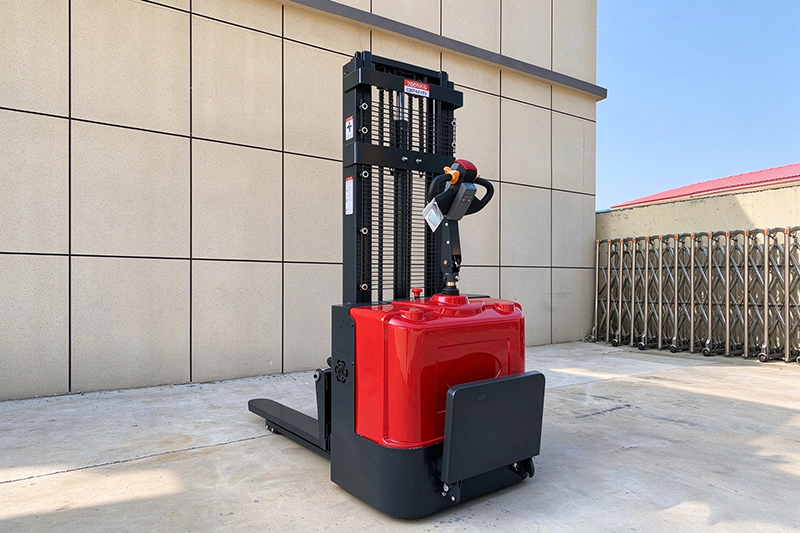
A typical electric stacker consists of:
Electric drive motor
Electric lifting system
Mast
Forks
Battery
Controller
Control handle
Drive wheel
Load wheels
Hydraulic lifting components
Emergency stop
Safety protection system
The operator can control the machine using the ergonomic handle.
Depending on the specific configuration, the handle may provide controls for:
Forward travel
Reverse travel
Lifting
Lowering
Braking
Horn
Emergency stop
Speed control
The result is a material handling machine that can perform more work with significantly less physical effort than a traditional manual stacker.
Why Are Walkie Electric Stackers Becoming More Popular?
One of the biggest changes in warehouse operations is the increasing demand for electrification.
A manual stacker may be suitable for occasional lifting, but when operators need to move and stack pallets repeatedly throughout the day, manual operation can become physically demanding.
A walkie fully electric stacker changes this process.
Instead of manually pushing a heavy machine and manually operating a hydraulic pump, the operator uses powered controls.
This can help:
Reduce physical effort
Improve handling efficiency
Increase operational consistency
Reduce operator fatigue
Improve warehouse workflow
Make pallet stacking easier
CH HOIST's electric pallet truck industry content also highlights the broader trend toward electrified material handling as warehouses seek higher productivity and lower labor intensity.
How Does a Walkie Fully Electric Stacker Work?
Understanding how the machine works can help buyers select the right configuration.
1. Battery Supplies Electrical Power
The battery provides power for the drive and lifting systems.
Depending on the model, different battery capacities and technologies can be selected according to operating requirements.
Battery selection should consider:
Working hours
Number of lifting cycles
Travel distance
Load capacity
Charging conditions
2. Electric Motor Provides Travel Power
Unlike a manual stacker, the operator does not need to push or pull the machine manually.
The electric drive motor moves the stacker.
The operator controls the travel direction using the handle.
This is especially useful when moving heavier palletized loads.
3. Electric Lifting System Raises the Forks
When the operator activates the lifting control, the lifting system raises the forks.
The forks can then position the pallet at the required stacking height, subject to the specific mast configuration and rated capacity.
4. Mast Supports Vertical Lifting
The mast is the main vertical structure of the stacker.
A two-stage mast configuration is listed for CH HOIST's Electric Stacker Crane.
The mast provides the structural support required for vertical lifting and stacking.
5. Control Handle Manages Operation
The control handle provides the operator interface.
A well-designed handle should allow the operator to control the machine without complicated procedures.
Good ergonomics are particularly important when the equipment is used repeatedly throughout the working day.
Walkie Electric Stacker vs Manual Stacker
One of the most important comparisons for buyers is between an electric stacker and a manual stacker.
Feature | Walkie Fully Electric Stacker | Manual Stacker |
Travel | Electric | Manual |
Lifting | Electric | Manual / hydraulic |
Operator effort | Low | Higher |
Productivity | Higher | Moderate |
Repetitive operation | Excellent | Less suitable |
Battery | Required | Usually not required |
Initial investment | Higher | Lower |
Maintenance | Moderate | Simple |
Best application | Frequent handling | Occasional handling |
A manual stacker can still be an excellent choice for businesses with low handling frequency.
However, when operators need to move and stack loads repeatedly, the electric model can provide significant ergonomic and productivity advantages.
Walkie Electric Stacker vs Electric Pallet Truck
Another important question is:
What is the difference between an electric pallet truck and a walkie electric stacker?
The answer is mainly related to lifting height and application.
Electric Pallet Truck
An electric pallet truck is primarily designed for horizontal transportation.
Typical applications include:
Moving pallets
Loading and unloading
Internal warehouse transportation
Short- and medium-distance movement
Electric Stacker
An electric stacker is designed for both transportation and vertical stacking.
It can be used to:
Lift pallets
Stack pallets
Load and unload
Move pallets
Organize warehouse storage
Therefore, if your main requirement is moving pallets across the warehouse floor, an electric pallet truck may be sufficient.
If you also need to lift pallets to storage levels, an electric stacker is generally the more appropriate solution.
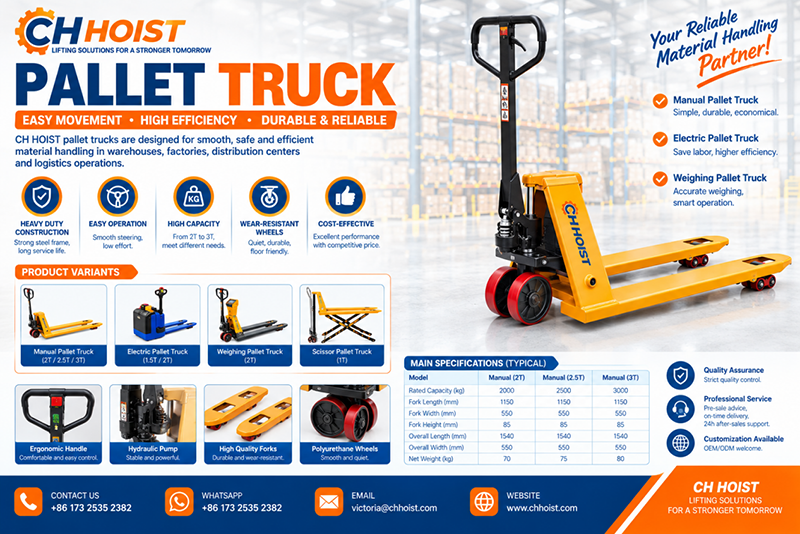
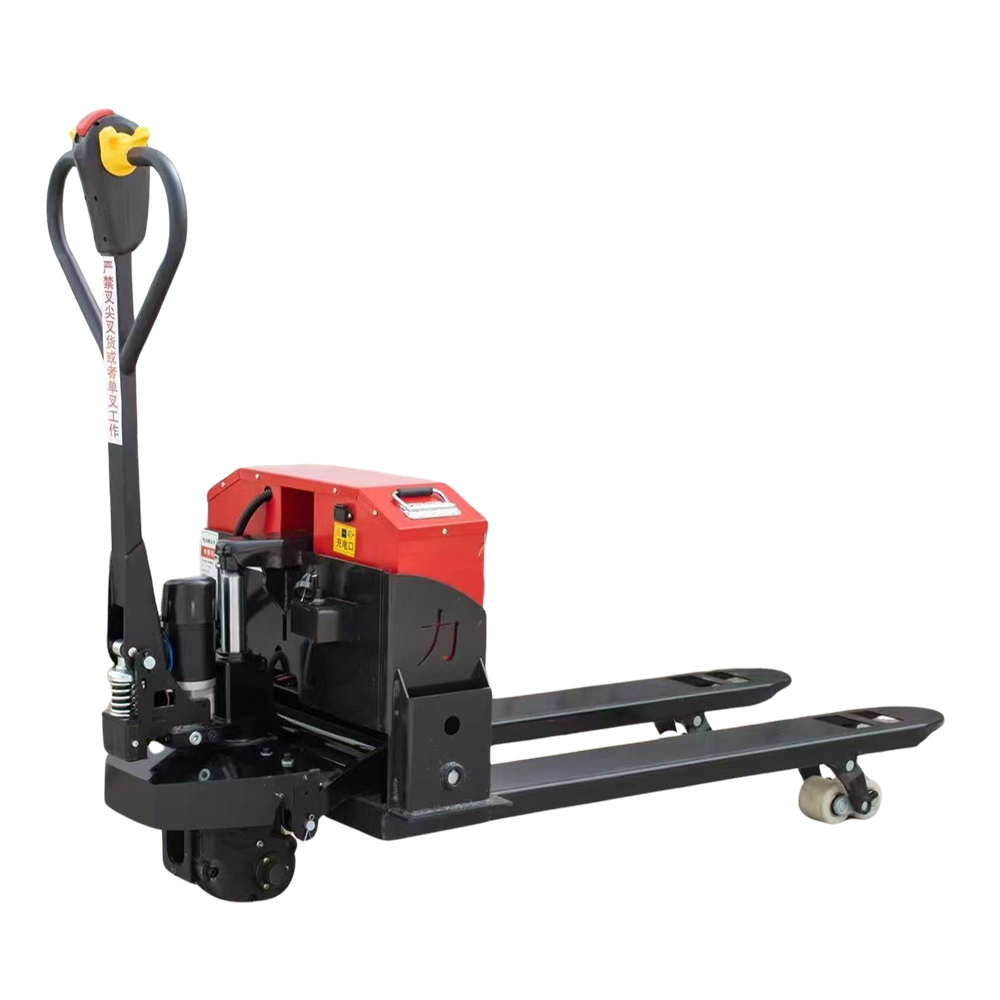
CH HOIST's current product portfolio includes both Electric Pallet Trucks and an Electric Stacker Crane, allowing buyers to select equipment according to their actual handling requirements.
Key Advantages of a Walkie Fully Electric Stacker
1. Reduced Physical Labor
The electric drive system eliminates much of the pushing and pulling effort associated with manual handling.
This is particularly valuable when operators work with heavy loads throughout the day.
2. Efficient Pallet Stacking
Unlike a basic pallet truck, an electric stacker is designed for vertical lifting.
This makes it useful for warehouse storage and pallet organization.
3. Compact Structure
Walkie electric stackers are generally more compact than many conventional forklifts.
This can make them suitable for smaller warehouses and areas where space is limited.
CH HOIST specifically describes its electric stacker as suitable for narrow aisles and small warehouses.
4. Easy Operation
The operator controls the machine through the handle.
Forward, reverse, lifting, lowering, and other basic functions can be integrated into the control system.
5. Lower Operating Complexity Than a Forklift
For basic pallet stacking applications, a compact electric stacker may be a more appropriate solution than using a larger forklift.
This can be particularly useful for businesses that do not require high-capacity outdoor forklift operations.
Main Components of an Electric Stacker
Electric Drive System
The drive motor determines how efficiently the machine moves.
A good drive system should provide:
Smooth acceleration
Stable movement
Reliable performance
Appropriate torque
Controlled speed
Battery System
The battery is the energy source of the machine.
Buyers should consider:
Voltage
Battery capacity
Charging time
Operating hours
Battery life
Charging frequency
The CH HOIST published electric stacker specification includes a 12V battery configuration for the listed model.
Actual battery specifications should always be confirmed according to the exact model and configuration being ordered.
Mast
The mast determines the lifting structure and available lifting configuration.
The published CH HOIST electric stacker specification uses a two-stage mast.
Different warehouse applications may require different lifting heights, so buyers should confirm the required maximum lift before purchasing.
Forks
Fork dimensions should match the pallet.
The published specification lists:
Fork length: 1000/1150 mm
Fork width: 150 mm
for the referenced electric stacker configuration.
For other applications, customized or alternative dimensions may be available depending on the model.
Wheels
Wheel material directly affects:
Noise
Wear resistance
Floor protection
Stability
Maneuverability
The CH HOIST published configuration uses polyurethane tires, which are commonly suitable for indoor warehouse environments.
Where Can Walkie Fully Electric Stackers Be Used?
1. Warehouses
Warehouses are the most obvious application.
Electric stackers can help operators:
Stack pallets
Reorganize inventory
Move goods
Load and unload
Supply production areas
2. Logistics Centers
Logistics centers need fast and organized material movement.
Electric stackers can support pallet handling between:
Receiving areas
Storage areas
Sorting areas
Loading docks
3. Manufacturing Plants
Factories often need to move raw materials and finished products between production lines and storage areas.
A walkie electric stacker can be useful for:
Raw material handling
Finished product storage
Production line supply
Packaging material movement
4. Supermarkets and Distribution Centers
Large retail facilities often receive palletized products.
An electric stacker can assist with moving goods from receiving areas to storage locations.
5. Small Warehouses
Not every warehouse has enough space for a conventional forklift.
A compact walkie electric stacker can be a practical solution for smaller storage facilities.
How to Choose the Right Walkie Electric Stacker?
Choosing the right electric stacker requires more than simply comparing prices.
1. Determine the Load Capacity
The first question is:
What is the maximum pallet weight?
The stacker must be selected according to the actual load requirements.
The published CH HOIST configuration provides different capacity information depending on the listed specification fields, including a 0.4 ton full-load capacity and a general 1000 kg capacity field. Buyers should confirm the exact rated capacity of the specific configuration before ordering.
This is important because rated capacity can change according to lifting height and load center.
Never assume that a machine can lift its nominal maximum load at every lifting height.
2. Determine the Required Lifting Height
The required lifting height depends on the warehouse rack system.
For example:
Floor-level pallet movement
Low-level stacking
Medium-height storage
High-level rack storage
The higher the required lift, the more carefully the mast and residual capacity need to be evaluated.
3. Check the Load Center
Load center is another important factor.
The farther the center of gravity of the load is from the fork face, the greater the overturning moment.
Therefore, buyers should provide the supplier with:
Pallet dimensions
Load dimensions
Load weight
Load center
This allows the correct equipment to be selected.
4. Measure Warehouse Aisles
Before purchasing, measure:
Aisle width
Door width
Turning area
Rack spacing
Loading dock dimensions
A compact machine can provide significant advantages in smaller spaces.
5. Consider Daily Operating Hours
A machine used for one or two hours per day has different battery requirements from a machine used continuously for an entire shift.
Buyers should tell the supplier:
Daily operating time
Number of lifting cycles
Average travel distance
Number of shifts
This helps determine the appropriate battery configuration.
Safety Considerations
An electric stacker is a powered lifting machine and must be operated responsibly.
Before use:
✔ Inspect the forks.
✔ Check the mast.
✔ Inspect the wheels.
✔ Check the battery.
✔ Test the controls.
✔ Test the emergency stop.
✔ Confirm the load weight.
✔ Check the pallet condition.
During operation:
✔ Keep the load stable.
✔ Drive at a controlled speed.
✔ Avoid sudden turns.
✔ Keep people away from the lifting area.
✔ Keep the travel route clear.
✔ Follow the manufacturer's operating instructions.
Never:
Exceed rated capacity.
Lift unstable loads.
Carry unauthorized passengers.
Stand underneath raised forks.
Operate damaged equipment.
Make unauthorized modifications.
Safety must always take priority over speed.
Maintenance of a Walkie Fully Electric Stacker
Regular maintenance helps maintain reliable performance.
Battery
Check:
Battery condition
Charging system
Connectors
Cable condition
Abnormal heating
Follow the battery manufacturer's charging and maintenance instructions.
Forks
Inspect for:
Bending
Cracks
Excessive wear
Deformation
Damaged forks should not be used.
Mast
Check:
Mast rollers
Chains
Guides
Lubrication
Abnormal noise
Hydraulic System
Inspect for:
Oil leakage
Slow lifting
Abnormal lowering
Unusual sounds
Wheels
Check for:
Excessive wear
Cracks
Flat spots
Loose components
Wheel condition affects stability and maneuverability.
Why Electric Stackers Are Important for Warehouse Efficiency
Warehouse efficiency is not simply about increasing travel speed.
It is about improving the entire material flow.
Consider a warehouse where operators need to move and stack dozens of pallets every day.
With manual equipment, workers must provide much of the physical force.
With a fully electric stacker:
The machine provides the travel power.
The machine provides the lifting power.
The operator controls the process.
This division of work can make repetitive operations easier and more consistent.
It can also help businesses reduce unnecessary manual labor and improve operator ergonomics.
Walkie Electric Stacker for Importers and Distributors
For material handling equipment distributors, electric stackers represent an attractive product category.
Potential customers include:
Forklift dealers
Warehouse equipment distributors
Logistics companies
Industrial equipment suppliers
Supermarket equipment suppliers
Factory equipment dealers
E-commerce warehouse operators
A distributor can also combine electric stackers with:
Manual pallet trucks
Electric pallet trucks
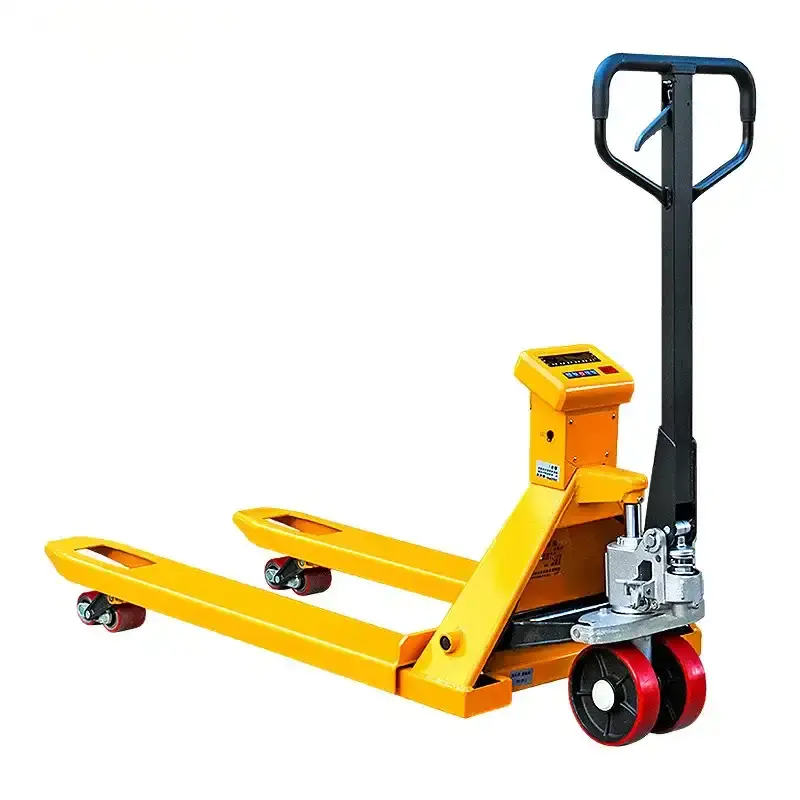
Hand pallet trucks with scales
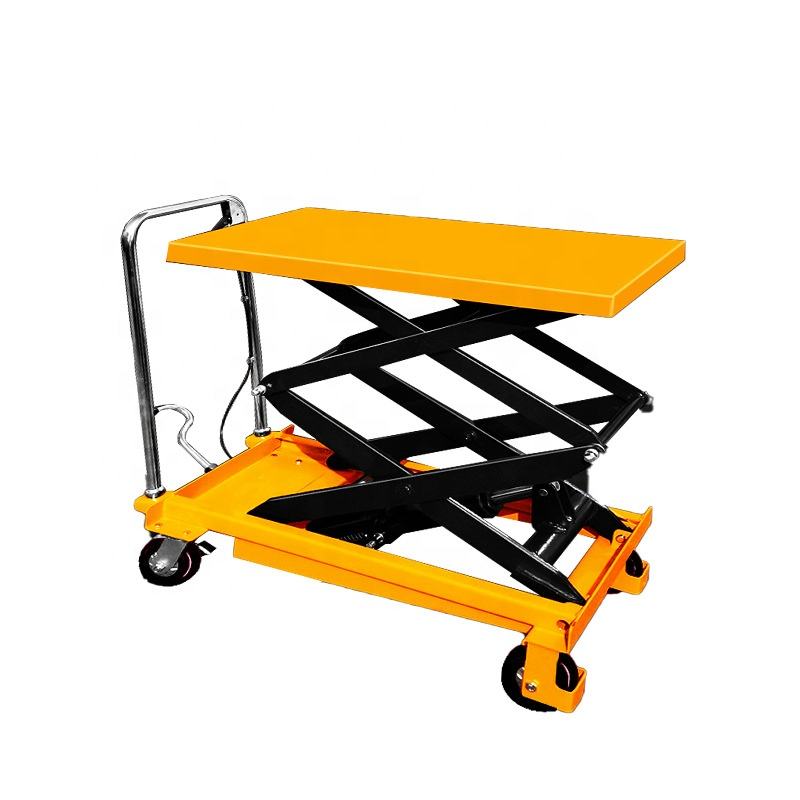
Hydraulic lift tables
Hand chain hoists
Lever hoists
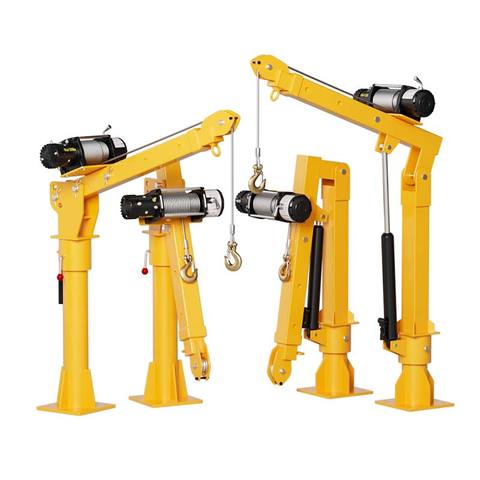
Electric hoists
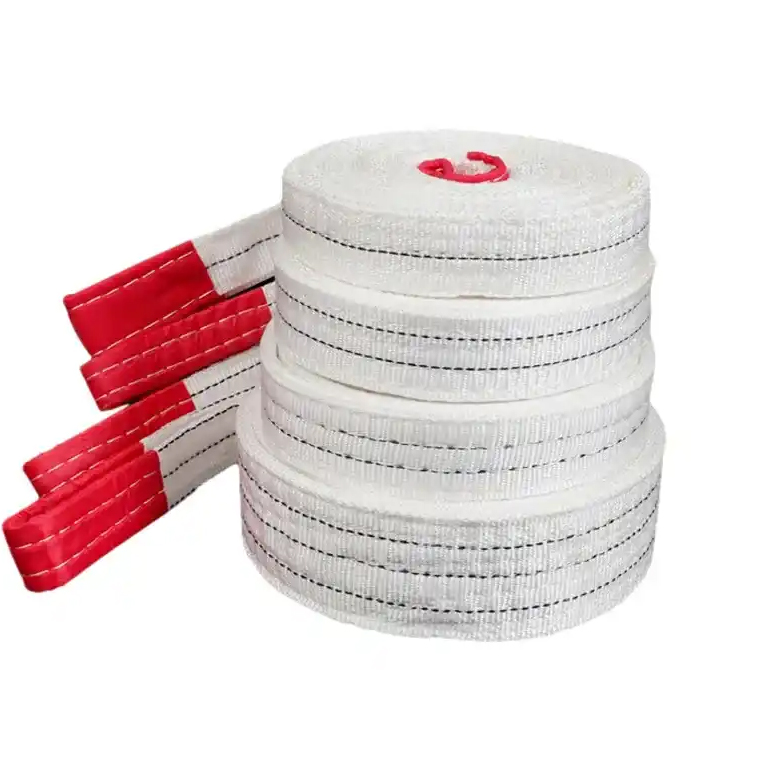
Lifting slings
CH HOIST's product catalog currently includes Electric Pallet Truck, Hand Pallet Truck With Scale, Hydraulic Lift Table, Electric Stacker Crane, and Hydraulic Manual Stacker Forklift.
This gives distributors the opportunity to build a broader material handling product portfolio.
OEM and Customization Opportunities
Different countries and industries have different requirements.
For distributors, customization can be an important part of product development.
Potential customization areas may include:
Brand logo
Product color
Fork dimensions
Fork length
Battery configuration
Charger
Wheel material
Packaging
Product labels
Capacity configuration
For example, a distributor may want to sell the same basic electric stacker under its own local brand.
A manufacturer with OEM capabilities can help develop a more suitable product offering.
Electric Stacker or Forklift: Which One Should You Choose?
This depends on your application.
Choose a Walkie Fully Electric Stacker When:
Loads are mainly palletized.
Indoor operation is the primary application.
Storage height is moderate.
Warehouse space is limited.
You need pallet stacking.
You want lower physical effort than manual equipment.
You do not require a large sit-down forklift.
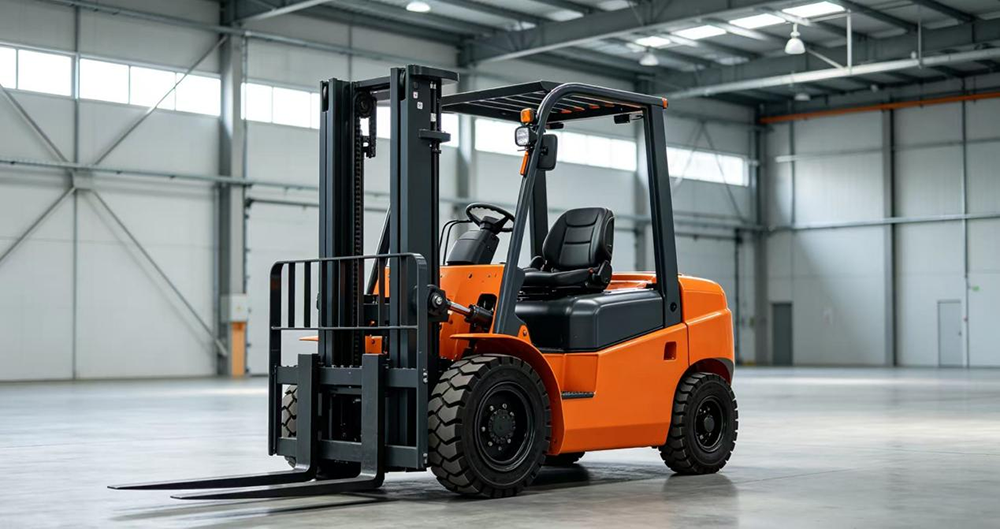
Choose a Forklift When:
Heavy loads need to be lifted frequently.
High-level rack storage is required.
Outdoor operation is important.
Long-distance transportation is required.
High ground clearance is necessary.
Attachments are needed for specialized loads.
The two types of equipment serve different purposes.
For many small and medium-sized warehouses, an electric stacker can fill the gap between a manual stacker and a conventional forklift.
The Future of Walkie Electric Stackers
The future of warehouse material handling is becoming increasingly electric.
Several trends are shaping the industry.
Electrification
Battery-powered material handling equipment is becoming increasingly common.
Lithium Battery Technology
Lithium batteries can provide advantages such as fast charging and reduced maintenance for suitable applications.
Intelligent Controllers
Electronic controllers can improve:
Speed control
Acceleration
Braking
Diagnostics
Energy management
Ergonomic Design
Future equipment will continue to focus on making operation easier and more comfortable.
Warehouse Automation
Electric stackers may increasingly work alongside:
Warehouse management systems
Automated guided vehicles
Automated storage systems
Smart inventory systems
The walkie electric stacker may therefore become part of a broader intelligent warehouse ecosystem.
Why Choose CH HOIST?
CH HOIST focuses on lifting and material handling equipment and provides products for international industrial customers.
The company's official website lists material handling equipment including Electric Pallet Trucks, Electric Stacker Crane, Hydraulic Manual Stacker Forklift, Hand Pallet Truck With Scale, and Hydraulic Lift Table.
Its published electric stacker information highlights features including:
Strong lifting power
Heavy-duty mast structure
Easy operation
Rechargeable battery
Compact design
Emergency stop
Overload protection
Safety guard
The listed application areas include warehouses, logistics centers, manufacturing plants, supermarkets, distribution centers, and truck/container loading and unloading.
For buyers who need multiple categories of lifting and material handling equipment, sourcing from a supplier with a broader product range can simplify procurement.
Conclusion
The Walkie Fully Electric Stacker is becoming an increasingly practical solution for modern warehouse material handling.
It combines the advantages of:
Electric travel
Electric lifting
Compact dimensions
Easy operation
Reduced operator effort
Pallet stacking capability
Compared with a manual stacker, it can significantly reduce physical effort.
Compared with a conventional forklift, it can provide a more compact solution for selected indoor warehouse applications.
The most important thing is to choose the equipment according to the actual working conditions.
Before purchasing, buyers should carefully evaluate:
Load capacity
Maximum lifting height
Load center
Fork dimensions
Aisle width
Battery capacity
Operating hours
Floor conditions
Wheel material
Safety features
Maintenance requirements
After-sales support
A properly selected electric stacker can help warehouses improve pallet handling efficiency while reducing unnecessary manual effort.
For distributors, importers, warehouses, factories, logistics companies, and retailers, a Walkie Fully Electric Stacker can be a valuable addition to a modern material handling equipment portfolio.


 Click:320
Edit: Chuanghe Hoisting
 Time:2026-09-08 15:19:16


 Tel:
+8613653129869
 Whatsapp:
+8613653129869
 Email:
chuanghehoist@gmail.com
 Address:Donglu Village, Donglu Township, Qingyuan District, Baoding City, Hebei Province

 English
 Français
 Español



 Email
 +8613653129869
 +8613653129869

 Home
 Whatsapp
 chuanghehoist@gmail.com