Efficient lifting and positioning are essential in warehouses, factories, workshops, logistics centers, production lines, and distribution facilities. When workers need to raise loads to a comfortable working height, a hydraulic lift table can reduce manual handling effort and improve workplace efficiency.
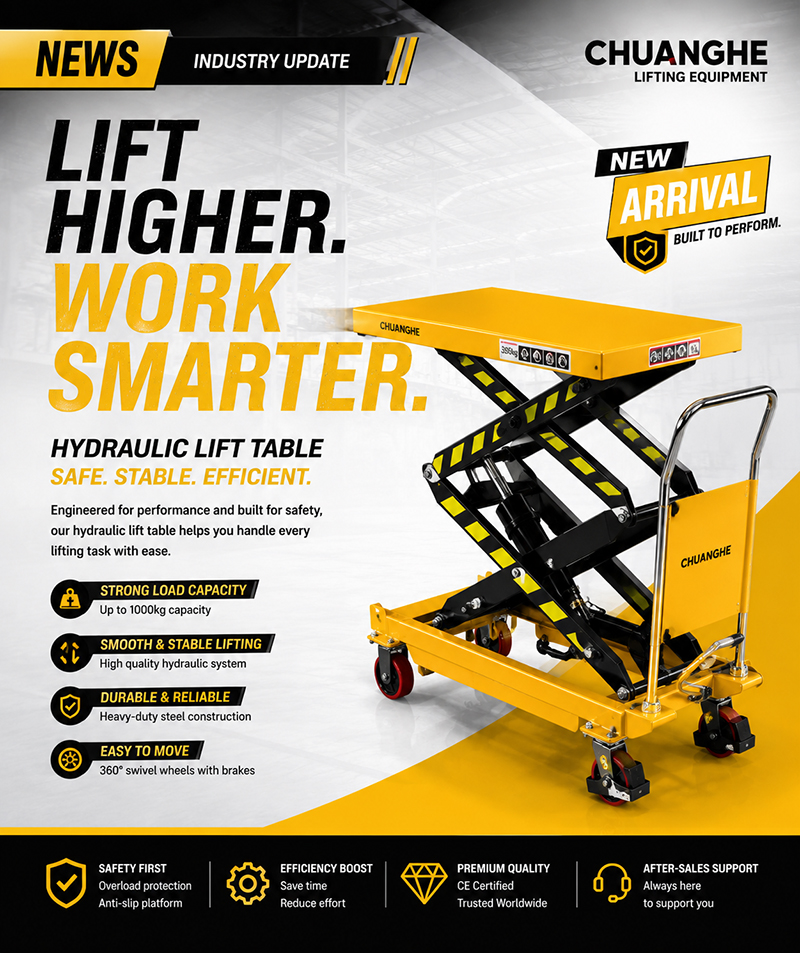
A Hydraulic Lift Table, also known as a Hydraulic Lifting Table, Lift Platform, Scissor Lift Table, or Hydraulic Work Table, is a material handling device designed to raise and lower loads through a hydraulic lifting system.
Compared with manual lifting methods, a hydraulic lift table provides controlled vertical movement and can help operators position materials at a more suitable working height. Depending on the design, lift tables may be used for loading, unloading, assembly, maintenance, order preparation, and material positioning.
Explore CH HOIST material handling equipment and hydraulic lifting solutions.
What Is a Hydraulic Lift Table?
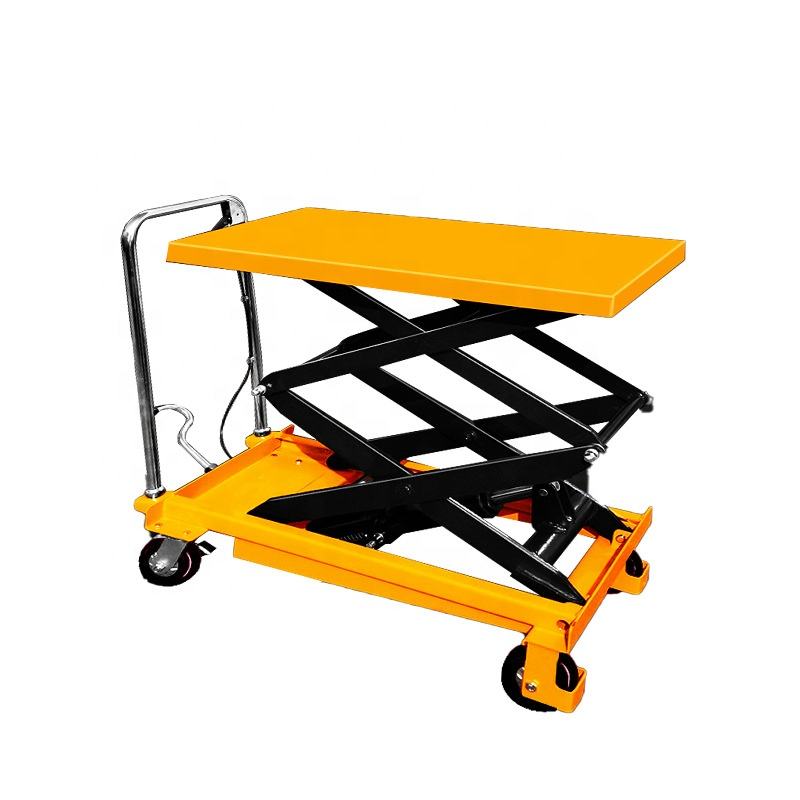
A hydraulic lift table is a lifting platform that uses a hydraulic cylinder and scissor mechanism, or another hydraulic lifting arrangement, to raise and lower loads. The platform supports the load while the hydraulic system converts mechanical input into controlled vertical movement.
The basic structure can include:
· Platform / lifting deck
· Scissor arms
· Hydraulic cylinder
· Hydraulic pump
· Hydraulic reservoir
· Wheels or casters, depending on the design
· Handle or operating control
· Safety locking or maintenance support system
· Steel frame and base
· Brake or wheel-locking mechanism, depending on the model
The operator places the load on the platform, activates the hydraulic lifting system, raises the platform to the required height, and then lowers it in a controlled manner after the task is completed.
This operating principle makes hydraulic lift tables useful wherever loads must be repeatedly positioned at different working heights.
How Does a Hydraulic Lift Table Work?
Understanding the lifting sequence helps buyers select the right model and helps operators use the equipment safely.
1. Position the Lift Table — Place the lift table on a suitable, stable floor and engage the wheel brakes when applicable.
2. Load the Platform — Center the material on the platform and make sure the load is stable before lifting.
3. Activate the Hydraulic System — Operate the pump or hydraulic control according to the table design.
4. Raise the Platform — Hydraulic pressure extends the cylinder and the scissor mechanism raises the platform.
5. Position the Load — Stop at a suitable working height and keep the load stable during handling.
6. Lower the Platform — Release the hydraulic control gradually and lower the platform in a controlled manner.
7. Unload Safely — Once the platform is at a safe height or fully lowered, remove the load according to the operating procedure.
Hydraulic System
The hydraulic system is the core lifting mechanism. Hydraulic oil, a pump, cylinder, valves, and related components work together to generate and control lifting force. Hydraulic components should be selected and maintained according to the manufacturer's requirements.
Scissor Mechanism
The scissor arms provide the lifting geometry and support the platform through the raising and lowering cycle. The structure must remain stable and properly aligned throughout operation.
Why Are Hydraulic Lift Tables So Popular?
1. Reduced Manual Lifting Effort
A lift table can raise loads to a more convenient working height, reducing the need for repeated manual lifting from low positions.
2. Improved Working Efficiency
Controlled vertical positioning can make loading, unloading, assembly, packing, and material transfer more efficient.
3. Flexible Height Positioning
Hydraulic lifting allows the platform to be positioned at different working heights within the model's rated lifting range.
4. Suitable for Many Workplaces
Lift tables can be used in warehouses, factories, workshops, logistics operations, retail back rooms, and production environments.
5. Compact Material Handling Solution
Compared with larger lifting equipment, many lift-table designs provide a relatively compact solution for localized lifting and positioning tasks.
Common Applications of Hydraulic Lift Tables
Warehouses
· Pallet and material positioning
· Packing and order preparation
· Loading and unloading assistance
· Work-height adjustment
· Staging and transfer operations
Manufacturing Plants
· Assembly-line material positioning
· Component handling
· Workstation height adjustment
· Production material transfer
· Maintenance and service tasks
Workshops and Maintenance Areas
· Machine and component positioning
· Repair and service work
· Tool and material handling
· Ergonomic work-height adjustment
Logistics and Distribution Centers
· Loading-dock support
· Pallet handling
· Sorting and staging
· Material transfer between working levels
Hydraulic Lift Table vs. Manual Handling
Feature | Manual Handling | Hydraulic Lift Table |
Lifting method | Operator force | Hydraulic lifting system |
Height adjustment | Limited / manual | Controlled vertical adjustment |
Operator effort | Higher | Lower for lifting tasks |
Load positioning | More dependent on manual handling | Platform supports controlled positioning |
Productivity | Suitable for occasional tasks | Suitable for repeated lifting and positioning |
Initial cost | Lower | Higher |
Maintenance | Simple | Hydraulic and structural components require inspection |
Best application | Light or occasional lifting | Frequent lifting and ergonomic positioning |
For occasional light handling, manual methods may provide a simple solution. For repeated lifting, height adjustment, or tasks where operator effort needs to be reduced, a hydraulic lift table may be more suitable.
How to Choose the Right Hydraulic Lift Table?
Choosing the right model requires more than simply looking at rated capacity. Buyers should evaluate the load, platform dimensions, lifting height, working environment, mobility requirements, workload, and safety conditions.
1. Load Capacity
The rated capacity should be suitable for the maximum load that will actually be handled. Buyers should consider the weight distribution as well as the total load.
Avoid regularly operating at the maximum rated capacity.
2. Platform Dimensions
Platform size should match the load footprint and the intended working method. Consider pallet dimensions, load stability, available floor space, and access around the platform.
3. Minimum and Maximum Height
The lowered height affects loading convenience, while the maximum height determines whether the table can reach the intended workstation or transfer position.
4. Lifting Stroke
The difference between the lowered and raised positions determines the usable lifting range. Select a stroke that matches the actual application.
5. Mobility
Mobile models with casters can be moved between work areas, while fixed designs may be better for dedicated workstations or production lines.
6. Working Environment
Floor condition, indoor or outdoor use, temperature, moisture, dust, and frequency of operation should all be considered before selecting a model.
Important Hydraulic Lift Table Specifications
7. Hydraulic System
Confirm the hydraulic pump, cylinder configuration, valve system, and hydraulic operating method. The hydraulic system should be appropriate for the required load and duty cycle.
8. Lifting Speed
Lifting speed affects productivity and should be considered together with load, working height, and operator safety. A controlled lifting and lowering movement is important.
9. Platform Construction
The platform should provide suitable structural strength and a stable surface for the intended load.
10. Wheel and Caster Configuration
For mobile tables, wheel material, wheel diameter, swivel function, load rating, and braking arrangement can affect maneuverability and stability.
11. Operating Method
Depending on the model, operation may be through a foot pedal, hand-operated hydraulic pump, electric-hydraulic controls, or another dedicated control system.
12. Safety Features
Depending on the model, buyers may consider safety stops, maintenance support devices, overload protection, wheel brakes, anti-slip platform surfaces, and controlled lowering functions.
Hydraulic Lift Table Features to Consider
13. Ergonomics
The table should help position materials at a suitable working height and allow convenient access to the load.
14. Stability
A stable base, properly designed scissor mechanism, suitable wheel configuration, and correct load placement are important for safe operation.
15. Load Distribution
Loads should be distributed within the manufacturer's specified limits. Concentrated or off-center loading can affect stability and component loading.
16. Portability
If the equipment needs to be shared between workstations, a mobile lift table can provide additional flexibility.
17. Durability
Steel structural components, hydraulic components, wheels, and connection points should be selected according to the expected operating frequency and environment.
Heavy-Duty Hydraulic Lift Tables
For demanding industrial applications, a heavy-duty hydraulic lift table can provide additional structural strength and durability.
· Reinforced steel structure
· Heavy-duty scissor arms
· Higher-capacity hydraulic system
· Durable platform construction
· Larger or stronger wheels where applicable
· Improved durability for frequent operation
These models can be suitable for applications involving heavier industrial materials, frequent lifting cycles, production environments, and demanding logistics operations.
When Should You Choose a Heavy-Duty Model?
· Frequent daily lifting
· Heavier loads
· Large or bulky materials
· Industrial production environments
· High utilization and demanding duty cycles
Hydraulic Lift Table Safety Tips
Although a hydraulic lift table is relatively simple to operate, safe use is essential.
Before Using the Equipment
· Check the hydraulic system for visible leakage or damage.
· Inspect the platform, frame, and scissor arms.
· Check wheels and brakes on mobile models.
· Confirm the load weight is within rated capacity.
· Make sure the load is stable and properly positioned.
· Check that the lifting and lowering controls operate correctly.
· Ensure the work area and travel path are clear.
During Operation
· Keep the load centered.
· Do not exceed the rated capacity.
· Raise and lower the platform in a controlled manner.
· Keep people away from the scissor mechanism and pinch points.
· Do not move a mobile table with an unsecured load.
· Use wheel brakes when the table is positioned for work.
· Follow the manufacturer's operating instructions.
Never
· Exceed the rated capacity.
· Carry passengers.
· Place hands, feet, or other body parts in the scissor mechanism.
· Work underneath a raised platform without the required maintenance safety support.
· Use damaged hydraulic, structural, wheel, or safety components.
· Operate with an unstable or improperly positioned load.
Hydraulic Lift Table Maintenance Guide
Regular inspection and maintenance help improve reliability and extend equipment life.
Hydraulic System
· Inspect hydraulic hoses, fittings, cylinder, and pump for visible damage or leakage.
· Check hydraulic oil according to the manufacturer's maintenance schedule.
· Keep hydraulic components clean.
· Investigate abnormal lifting or lowering behavior before continued use.
Wheels and Brakes
· Check for cracks and excessive wear.
· Confirm smooth wheel rotation.
· Check that brakes or wheel locks operate correctly.
· Replace damaged wheels or brake components as required.
Platform, Frame and Scissor Mechanism
· Inspect for bending, cracks, or visible damage.
· Check pins, rollers, fasteners, and structural connection points.
· Keep moving parts clean and lubricated according to manufacturer instructions.
· Do not use a lift table with damaged structural components.
Controls and Safety Devices
· Check lifting and lowering response.
· Check emergency or safety functions where provided.
· Confirm controlled lowering behavior.
· Verify maintenance safety supports before servicing raised equipment.
Why Should Distributors Stock Hydraulic Lift Tables?
For material handling equipment distributors, hydraulic lift tables are a practical product category because warehouses, factories, logistics companies, workshops, and production facilities often need compact lifting and positioning equipment.
Potential customers include:
· Logistics companies
· Manufacturing companies
· Retailers
· Warehouses
· Packaging companies
· Industrial equipment distributors
· Factories and production facilities
· Maintenance and workshop businesses
Complementary Product Opportunities
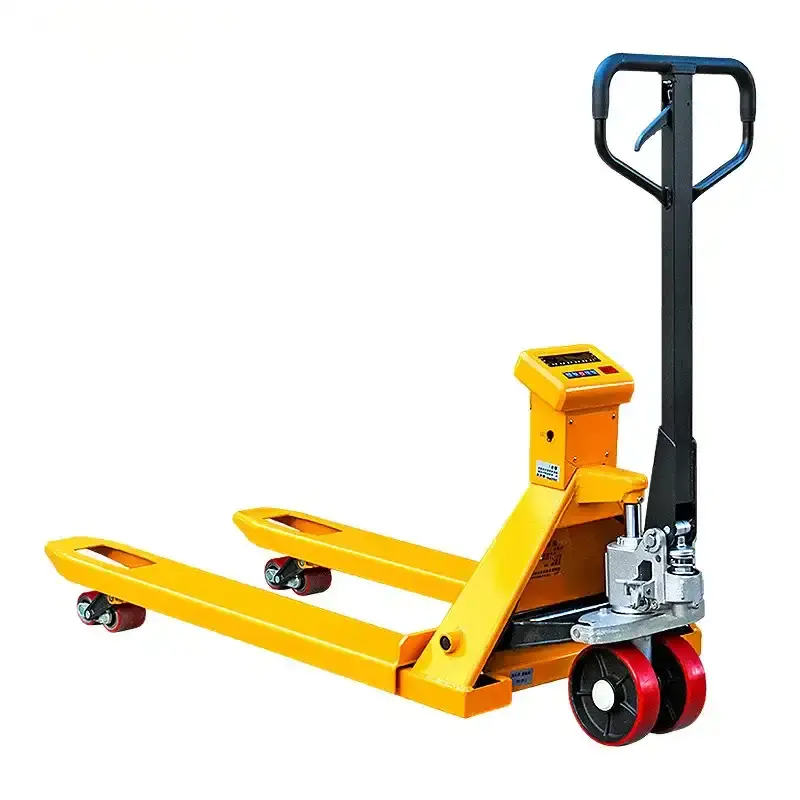
· Manual Pallet Trucks
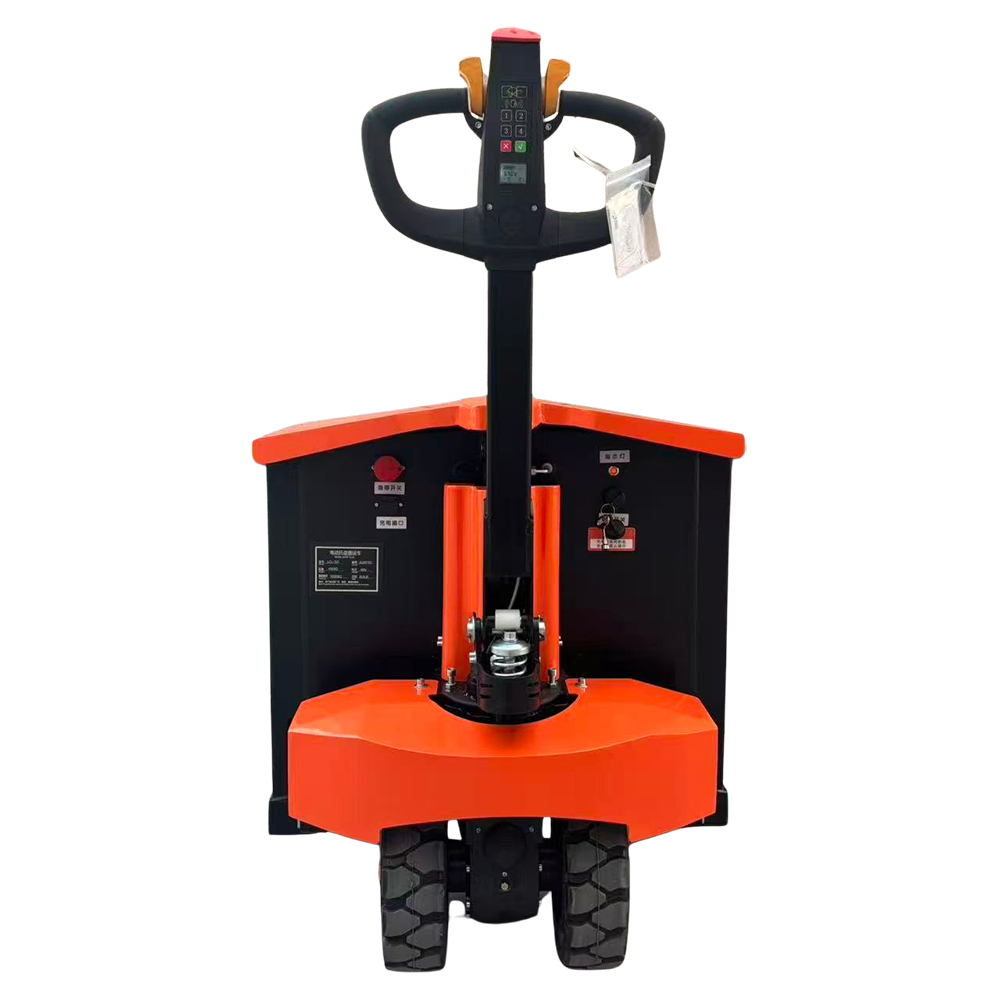
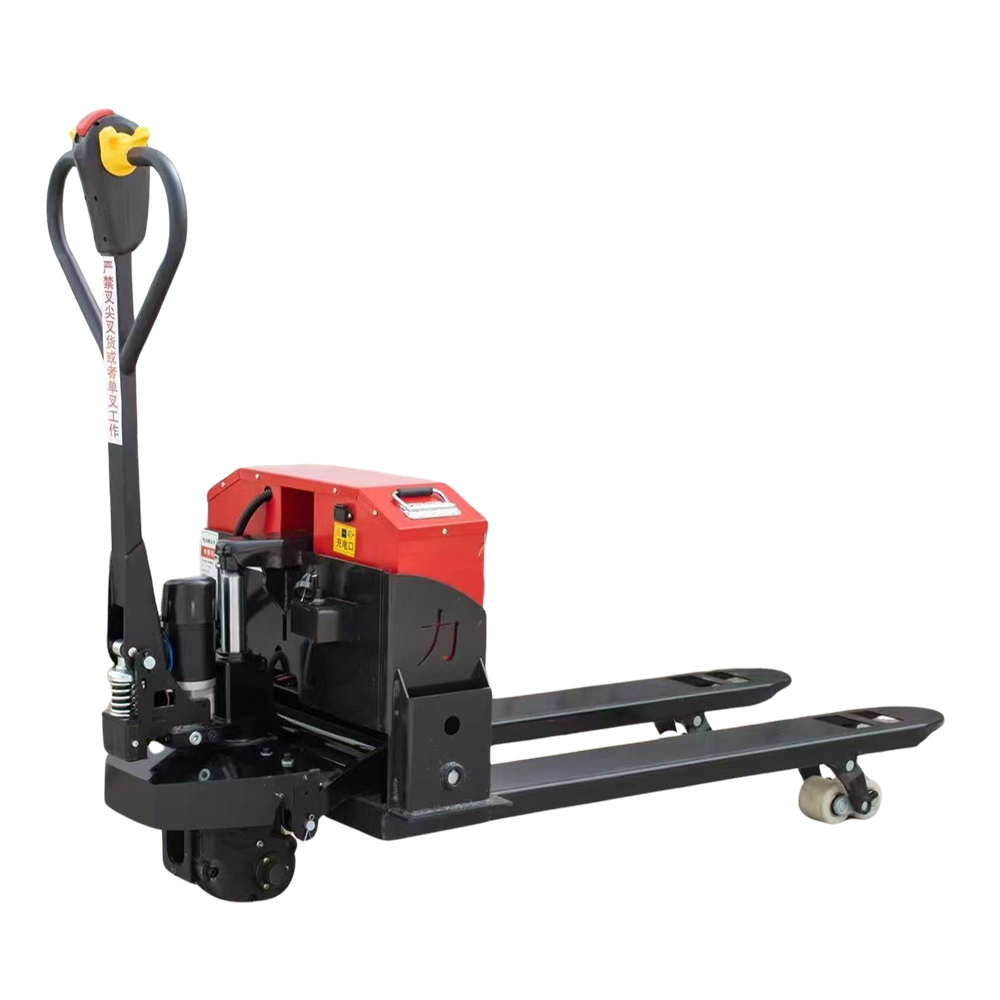
· Electric Pallet Trucks
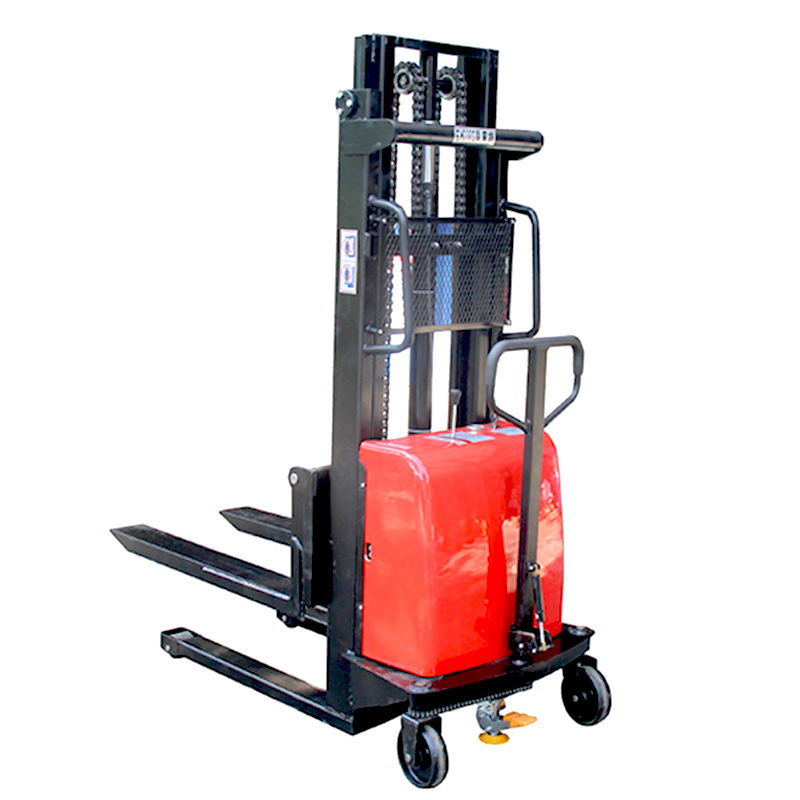
· Electric Stackers
· Manual Stackers
· Hydraulic Jacks
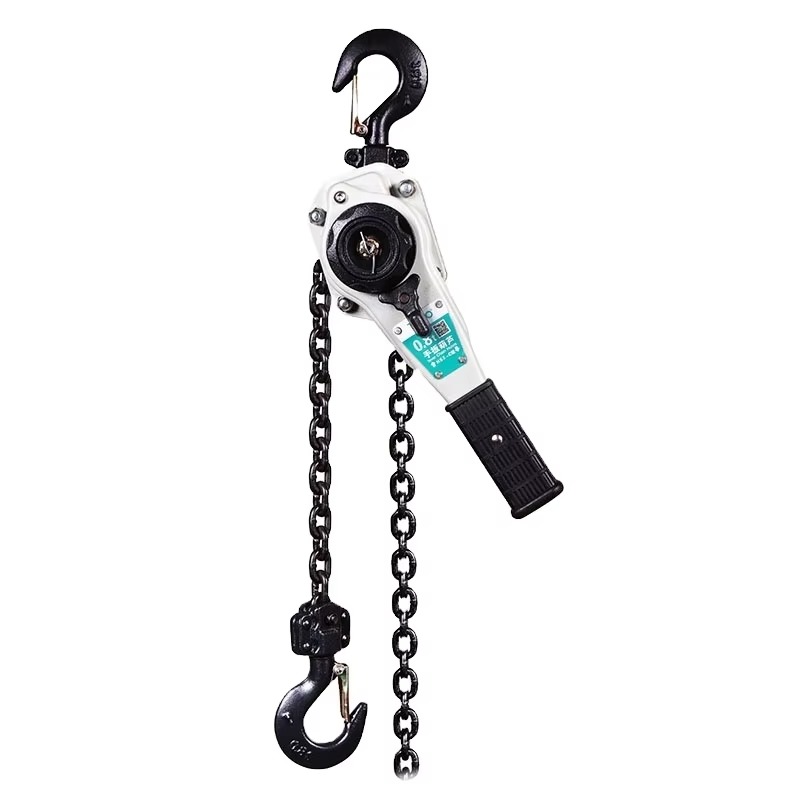
· Hand Chain Hoists
· Lever Hoists
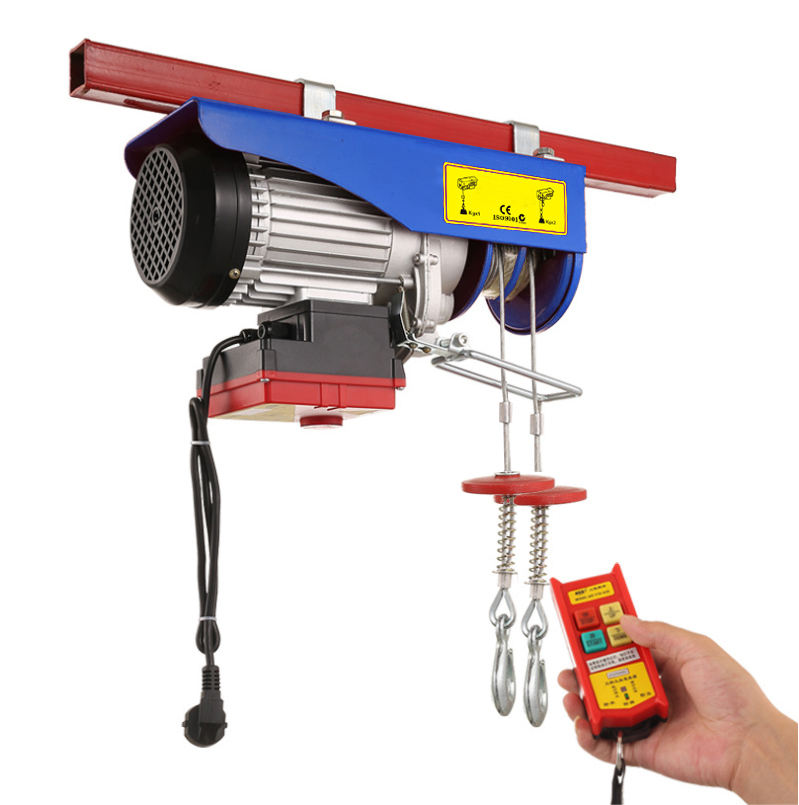
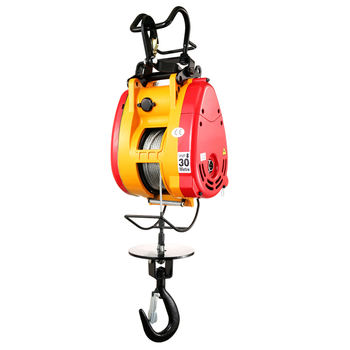
· Electric Hoists
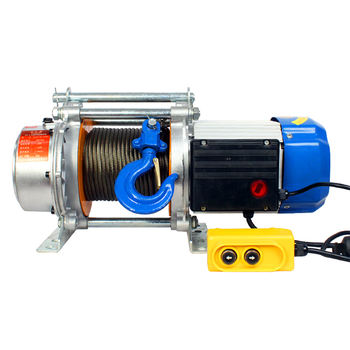
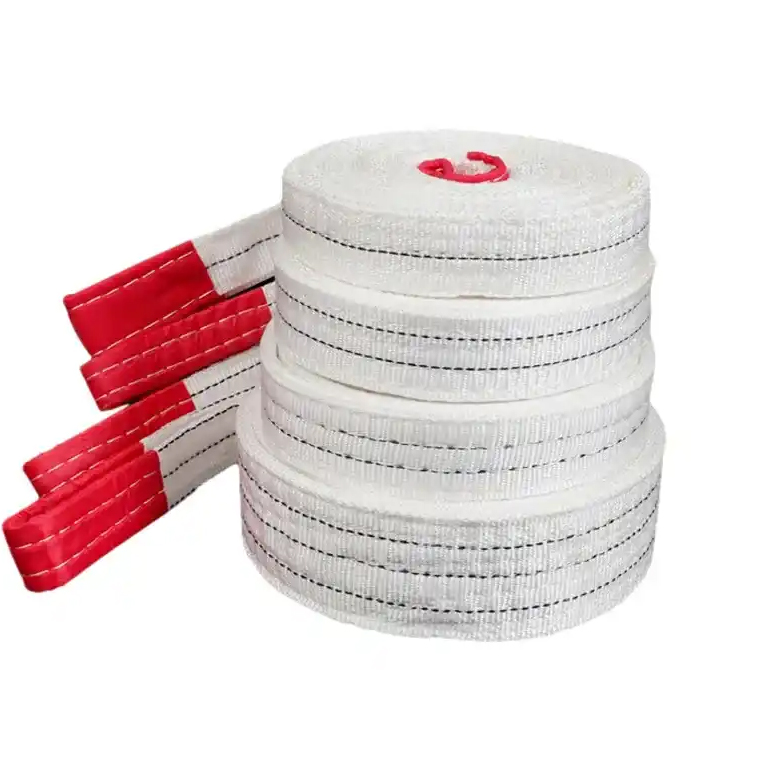
· Lifting Slings
Distributors can combine these products to provide broader material handling solutions rather than relying on a single equipment category.
Hydraulic Lift Tables and the Future of Material Handling
Material handling operations are becoming increasingly focused on efficiency, ergonomics, workplace safety, and flexible equipment. Hydraulic lift tables remain useful because they provide a straightforward method for raising and positioning loads without requiring a large lifting vehicle.
Hydraulic lift tables remain particularly attractive for:
· Repeated lifting and positioning
· Workstation height adjustment
· Loading and unloading support
· Warehouse and workshop applications
· Production-line material positioning
· Applications requiring compact lifting equipment
Different handling technologies can work together. A warehouse may use manual pallet trucks for occasional horizontal movement, electric pallet trucks for frequent pallet transport, stackers for vertical pallet lifting, and hydraulic lift tables for localized height adjustment.
Conclusion
A Hydraulic Lift Table is a practical lifting solution for raising and positioning materials at a suitable working height. Its hydraulic lifting system, compact structure, flexible applications, and potential to reduce manual lifting effort make it useful across warehouse, logistics, manufacturing, workshop, and production environments.
When choosing a hydraulic lift table, buyers should carefully evaluate rated capacity, platform dimensions, minimum and maximum height, lifting stroke, hydraulic system, lifting speed, mobility, wheel configuration, safety features, operating environment, and expected workload.



 Click:330
Edit: Chuanghe Hoisting
 Time:2026-09-07 10:35:04


 Tel:
+8613653129869
 Whatsapp:
+8613653129869
 Email:
chuanghehoist@gmail.com
 Address:Donglu Village, Donglu Township, Qingyuan District, Baoding City, Hebei Province

 English
 Français
 Español



 Email
 +8613653129869
 +8613653129869

 Home
 Whatsapp
 chuanghehoist@gmail.com