Why Are Portable Mini Hydraulic Stackers Becoming More Popular in Warehouses and Workshops?
As warehouses, retail stores, factories, and logistics centers continue to optimize their operations, businesses are searching for material handling equipment that is compact, affordable, and easy to use. While electric forklifts and powered stackers are ideal for high-volume operations, many companies require a simpler solution for light to medium-duty lifting.
This is where the Portable Mini Hydraulic Stacker stands out.
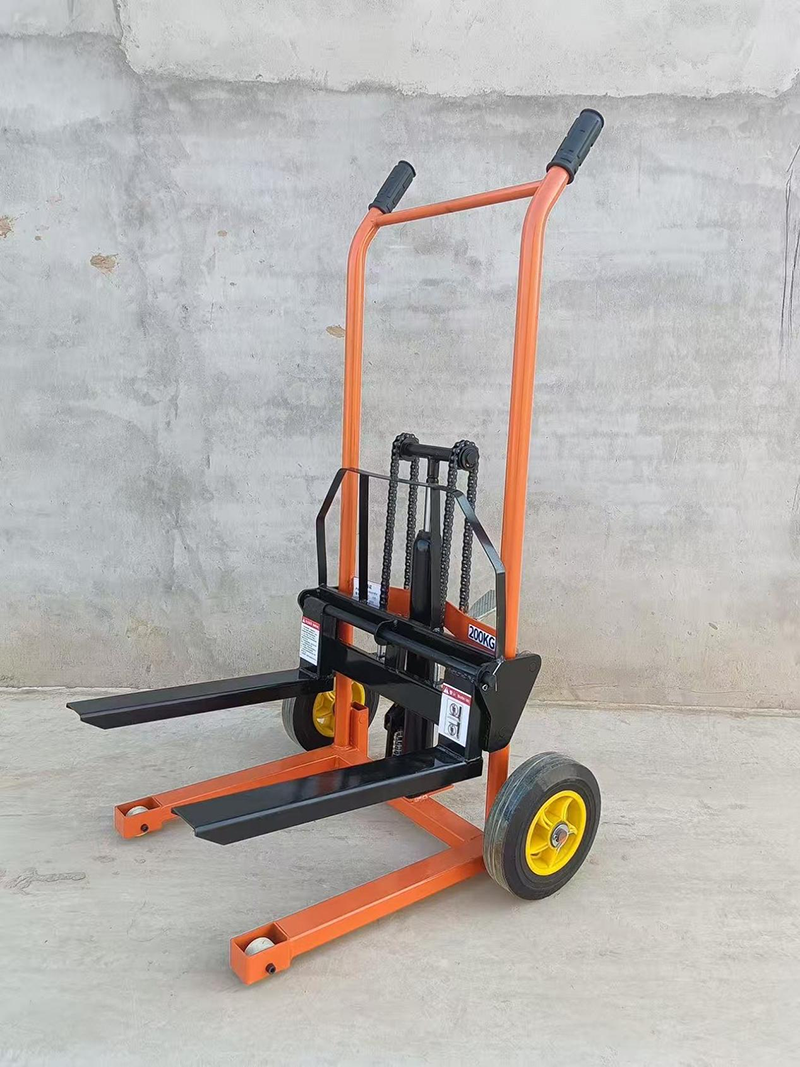
Combining the advantages of manual operation with a reliable hydraulic lifting system, this compact stacker allows operators to lift, transport, and position palletized goods safely and efficiently without the need for electricity or batteries.
Its lightweight structure, low maintenance requirements, and excellent maneuverability make it an ideal choice for warehouses with narrow aisles, workshops with limited space, and businesses looking for a cost-effective alternative to electric lifting equipment.
Whether you operate a small warehouse, supermarket, manufacturing plant, or maintenance workshop, a portable mini hydraulic stacker can significantly improve productivity while reducing manual handling risks.
What Is a Portable Mini Hydraulic Stacker?
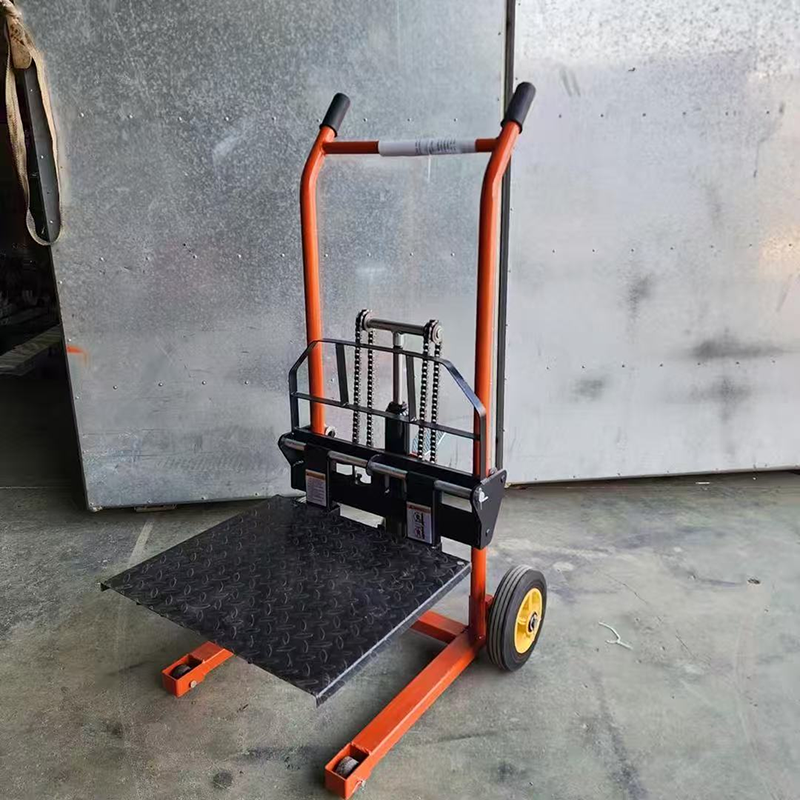
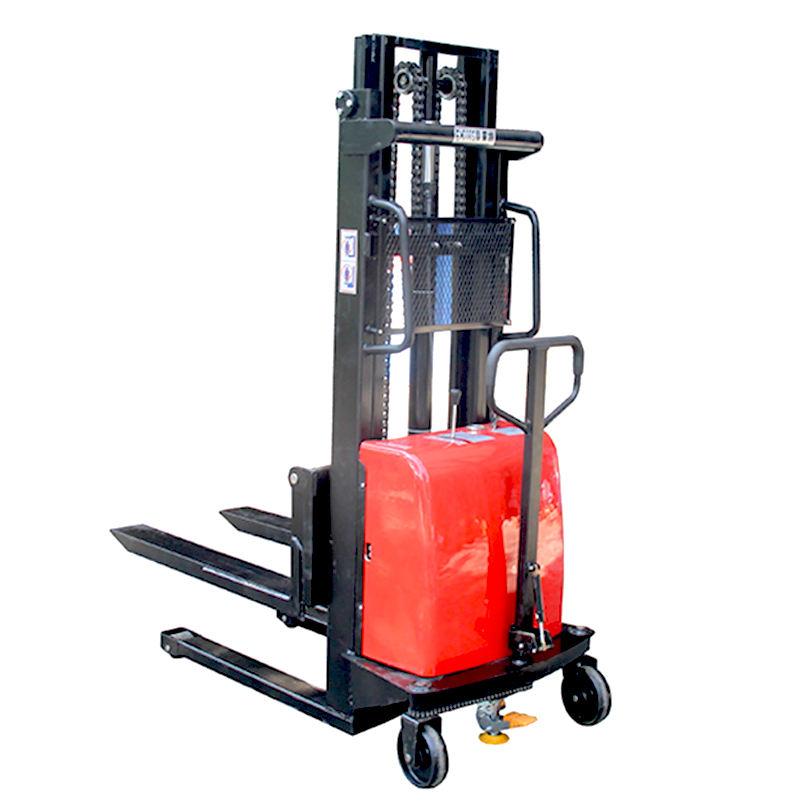
A Portable Mini Hydraulic Stacker is a manually operated lifting device designed to lift, transport, and stack palletized goods using a hydraulic pump system.
Unlike electric stackers, this equipment requires no external power source. The lifting mechanism is powered by a hydraulic pump operated through a foot pedal or manual handle, allowing operators to raise loads smoothly with minimal effort.
Because of its compact size and portable design, it is especially suitable for indoor environments where larger forklifts cannot operate efficiently.
Portable hydraulic stackers are commonly used for:
Warehouse storage
Factory production lines
Retail inventory handling
Equipment maintenance
Logistics centers
Packaging workshops
Food processing facilities
Pharmaceutical warehouses
How Does a Portable Mini Hydraulic Stacker Work?
The operation of a hydraulic stacker is simple and efficient.
1.The operator positions the forks beneath the pallet.
2.The hydraulic pump is activated using the foot pedal or handle.
3.Hydraulic pressure raises the lifting cylinder.
4.The forks lift the pallet smoothly to the desired height.
5.The operator moves the stacker to the required location.
6.The release valve lowers the load safely and gradually.
The hydraulic system provides stable lifting while requiring very little physical effort.
Main Components of a Portable Mini Hydraulic Stacker
Hydraulic Pump
The hydraulic pump is the heart of the stacker.
A high-quality hydraulic system provides:
Smooth lifting
Stable performance
Low maintenance
Long service life
Fork Assembly
The forks support palletized loads during lifting and transportation.
Features include:
Reinforced steel construction
Adjustable fork width (optional)
High load capacity
Durable powder-coated finish
Mast Structure
The mast guides the lifting movement and ensures stability during operation.
High-strength steel masts improve rigidity while minimizing deflection under heavy loads.
Steering Wheels and Load Rollers
Premium polyurethane or nylon wheels provide:
Smooth movement
Low rolling resistance
Floor protection
Excellent wear resistance
Hydraulic Cylinder
The hydraulic cylinder converts hydraulic pressure into lifting force, ensuring reliable vertical movement.
Key Advantages of Portable Mini Hydraulic Stackers
Compact Design
The compact structure allows the stacker to operate efficiently in narrow aisles and confined workspaces.
No Electricity Required
Since the lifting system is hydraulic and manually operated, there is no need for batteries, chargers, or electrical connections.
This reduces operating costs and simplifies maintenance.
Easy to Operate
Simple controls make the stacker suitable for operators with minimal training.
The ergonomic handle improves maneuverability and reduces fatigue.
Cost-Effective Investment
Compared with electric stackers or forklifts, portable hydraulic stackers offer significantly lower purchase and maintenance costs.
Reliable Performance
With fewer electrical components, hydraulic stackers are less susceptible to breakdowns and can provide years of dependable service with routine maintenance.
Common Applications
Portable mini hydraulic stackers are widely used across many industries.
Warehouses
Ideal for stacking pallets and organizing inventory.
Manufacturing Plants
Used for transporting raw materials and finished products between production stations.
Retail Stores
Perfect for stock replenishment and backroom inventory management.
Food and Beverage Industry
Suitable for handling packaged products in hygienic environments.
Pharmaceutical Facilities
Provides safe handling of cartons and palletized medical supplies.
Maintenance Workshops
Assists with lifting and positioning heavy equipment during repairs.
Typical Specifications
Common load capacities include:
200 kg
300 kg
400 kg
500 kg
1000 kg
Popular lifting heights:
900 mm
1200 mm
1500 mm
1600 mm
2000 mm
Fork dimensions and mast heights can be customized to meet specific application requirements.
How to Choose the Right Portable Mini Hydraulic Stacker
Selecting the correct stacker depends on your operational requirements.
Load Capacity
Choose a model with a rated capacity greater than the heaviest load you expect to handle.
Lifting Height
Consider the height of your storage racks or work platforms.
Always ensure the maximum lifting height meets your application.
Fork Dimensions
Fork length and width should match the pallets or containers being handled.
Wheel Material
Different wheel materials suit different floor conditions:
Polyurethane wheels for smooth warehouse floors
Nylon wheels for heavy-duty use
Rubber wheels for quieter operation
Working Environment
Indoor applications typically benefit from compact hydraulic stackers, while corrosive or humid environments may require stainless steel models.
Safety Tips for Operating a Hydraulic Stacker
Proper operation improves both safety and equipment life.
Before each use:
✔ Inspect the hydraulic cylinder.
✔ Check the wheel condition.
✔ Ensure the forks are not damaged.
✔ Verify that the load is evenly distributed.
✔ Test the release valve.
Never:
❌ Exceed the rated capacity.
❌ Lift unstable or unbalanced loads.
❌ Move the stacker with the load raised to the maximum height.
❌ Operate on steep slopes.
❌ Allow unauthorized personnel to use the equipment.
Following these guidelines helps prevent accidents and ensures stable operation.
Maintenance Recommendations
Routine maintenance extends the service life of your hydraulic stacker.
Inspect Hydraulic Oil
Check the hydraulic oil level regularly and replace it according to the manufacturer's recommendations.
Lubricate Moving Parts
Lubricate wheel bearings, mast rollers, and pivot points to minimize wear.
Check Fasteners
Inspect bolts and nuts periodically to ensure structural stability.
Clean the equipment.
Remove dust, grease, and debris after use to prevent corrosion and maintain smooth operation.
Store Properly
Keep the stacker in a dry, clean environment when not in use.
Avoid prolonged exposure to rain or corrosive chemicals.
Why Global Buyers Choose Portable Mini Hydraulic Stackers
Businesses around the world continue to invest in portable hydraulic stackers because they offer:
Compact footprint
Easy operation
Low maintenance costs
Excellent durability
High lifting stability
Affordable pricing
Wide range of applications
From small warehouses in Europe to retail stores in North America and manufacturing facilities across Asia, portable hydraulic stackers remain an efficient and practical material handling solution.
Future Trends in Manual Material Handling Equipment
Modern hydraulic stackers are evolving with features such as:
Lightweight high-strength steel frames
Stainless steel versions for food and pharmaceutical industries
Improved hydraulic sealing technology
Ergonomic operating handles
Maintenance-free wheel systems
These innovations improve efficiency while maintaining the simplicity and reliability of manual hydraulic equipment.
Conclusion
A Portable Mini Hydraulic Stacker is an excellent investment for businesses seeking a reliable, economical, and easy-to-operate lifting solution.
Its compact size, hydraulic lifting mechanism, and versatile applications make it ideal for warehouses, workshops, retail stores, and manufacturing facilities.
Whether you are a distributor, wholesaler, or industrial buyer, selecting a high-quality hydraulic stacker can improve productivity, reduce manual labor, and enhance workplace safety.
As material handling requirements continue to evolve, portable hydraulic stackers will remain one of the most practical solutions for efficient pallet handling and light-duty lifting.



 Click:652
Edit: Chuanghe Hoisting
Click:652
Edit: Chuanghe Hoisting Time:2026-07-06 15:07:33


 Tel:
+8613653129869
Tel:
+8613653129869 Whatsapp:
+8613653129869
Whatsapp:
+8613653129869 Email:
chuanghehoist@gmail.com
Email:
chuanghehoist@gmail.com Address:Donglu Village, Donglu Township, Qingyuan District, Baoding City, Hebei Province
 English
 Français
 Español
 Email
Email +8613653129869
 +8613653129869
 Home
Home Whatsapp
 chuanghehoist@gmail.com