Discover the best
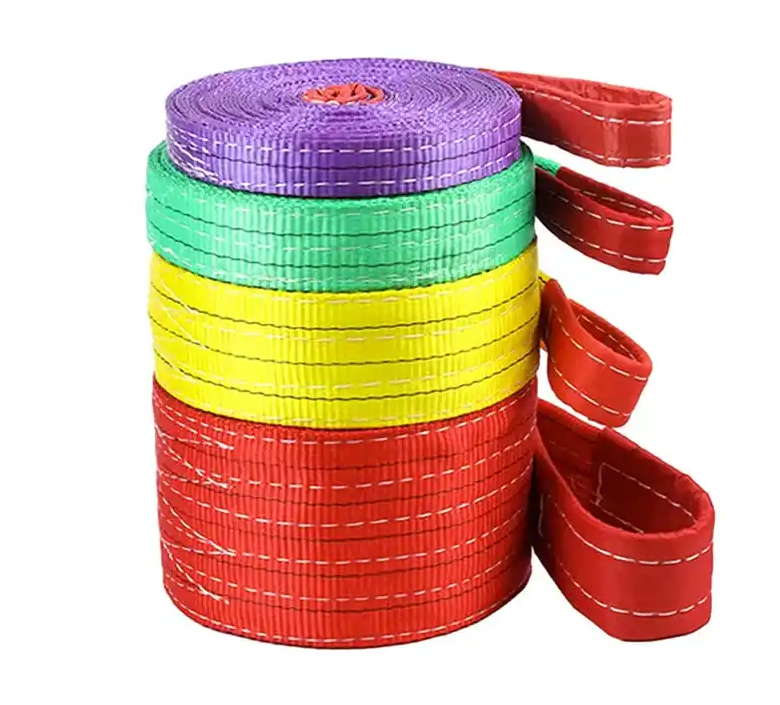
heavy-duty bundling belts for industrial applications. Learn about materials, load securing techniques, industrial vs regular straps, and where to buy durable bundling belts online.
The Ultimate Guide to Heavy-Duty Bundling Belts for Industrial Applications
In today's logistics, manufacturing, warehousing, construction, and cargo transportation industries, securing heavy loads is no longer just about convenience—it is a critical factor in workplace safety, operational efficiency, and transportation compliance.
Whether transporting steel pipes, timber, machinery components, construction materials, or palletized goods, choosing the right bundling belt can dramatically reduce product damage, improve handling efficiency, and minimize workplace accidents.
According to industry statistics, improperly secured cargo contributes to approximately 25% of freight damage claims worldwide, while improper load restraint remains one of the leading causes of transportation accidents involving commercial vehicles.
Industrial bundling belts have therefore become an essential solution for professionals seeking reliable, reusable, and cost-effective load securing systems.
This comprehensive guide explains everything buyers need to know—from selecting the best heavy-duty bundling belts to understanding material differences, proper load securing techniques, and purchasing reliable products online.
Why Heavy-Duty Bundling Belts Matter
Modern supply chains move millions of tons of goods every day. Every movement introduces vibration, shock loading, braking forces, and lateral movement.
Without proper restraint:
· Products shift
· Packaging breaks
· Workers face safety risks
· Transportation costs increase
· Insurance claims rise
Industrial bundling belts are specifically engineered to withstand repeated heavy loading cycles while maintaining consistent tension throughout transportation.
Unlike disposable plastic straps, industrial bundling belts are reusable, environmentally friendly, and designed for demanding industrial environments.
What Are Bundling Belts Usually Made From?
Selecting the correct material determines durability, strength, flexibility, and service life.
The most common materials include:
Material | Strength | Weather Resistance | Stretch | Typical Applications |
Polyester (PET) | ★★★★★ | Excellent | Very Low | Heavy cargo transportation |
Nylon | ★★★★☆ | Good | Moderate | Shock absorbing loads |
Polypropylene (PP) | ★★★☆☆ | Good | Higher | Light industrial packaging |
High-Tenacity Polyester Webbing | ★★★★★ | Excellent | Minimal | Industrial lifting & bundling |
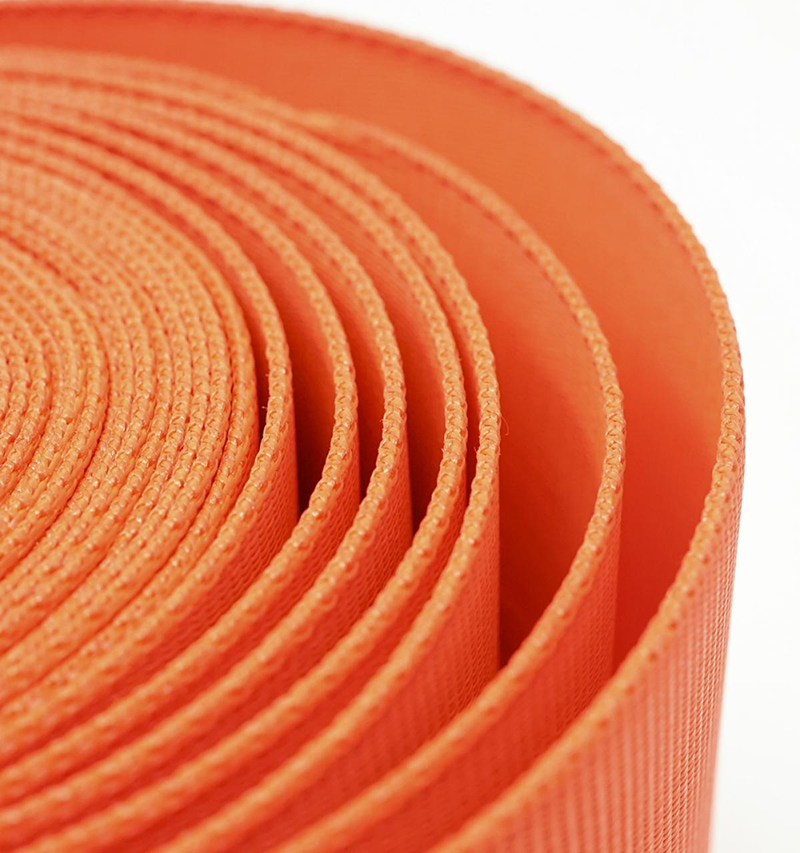
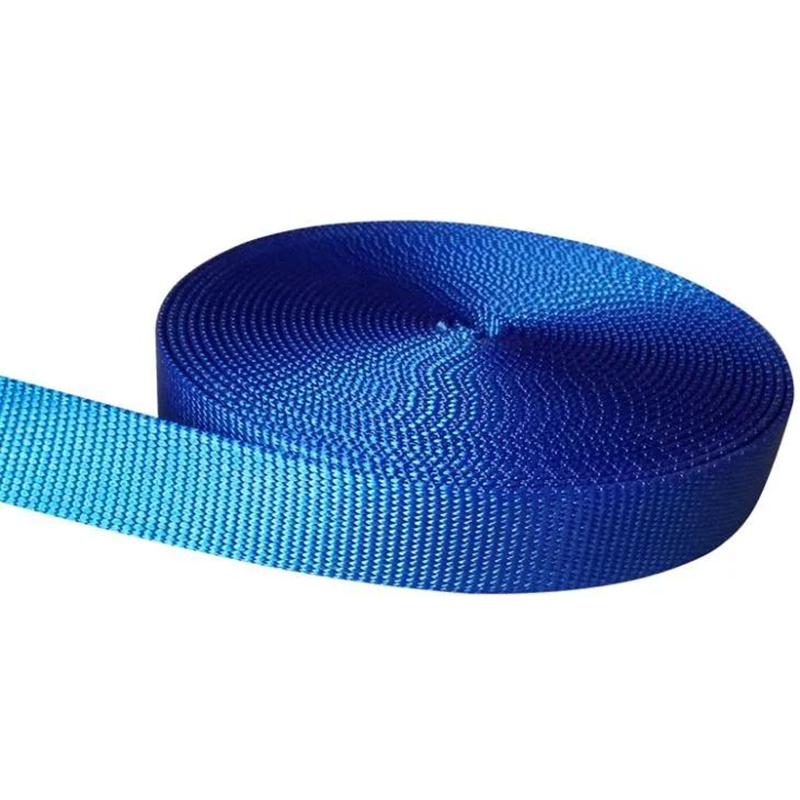
1. Polyester Webbing
Polyester is by far the preferred material for heavy-duty bundling belts.
Advantages include:
· Excellent tensile strength
· UV resistance
· Water resistance
· Chemical resistance
· Minimal elongation under load
· Long service life
It is particularly suitable for:
· Steel coils
· Lumber
· Heavy pallets
· Machinery
· Industrial equipment
· Construction materials
2. Nylon Webbing
Nylon provides excellent elasticity and impact resistance.
Its ability to absorb sudden shock loads makes it suitable for dynamic transportation environments.
However, nylon absorbs moisture, making it less desirable for long-term outdoor storage.
3. Polypropylene
Polypropylene is lightweight and economical.
It is typically used for:
· Cartons
· Plastic products
· Light palletized goods
It is generally not recommended for securing extremely heavy industrial cargo.
What Are the Best Bundling Belts for Heavy-Duty Use?
Not every bundling belt is designed for industrial environments.
Professional buyers should evaluate several key performance indicators before making a purchase.
1. High Breaking Strength
Working Load Capacity | Typical Applications |
500 kg | Light warehouse goods |
1 ton | Small machinery |
2 tons | Building materials |
3 tons | Steel products |
5 tons+ | Heavy industrial cargo |
Higher working load capacity generally translates into increased operational safety.
2. Reinforced Stitching
Premium belts feature:
· Computer-controlled stitching
· High-strength polyester thread
· Reinforced load-bearing loops
Poor stitching often becomes the weakest point during heavy loading.
3. Heavy-Duty Hardware
Industrial systems commonly include:
· Forged hooks
· Zinc-plated buckles
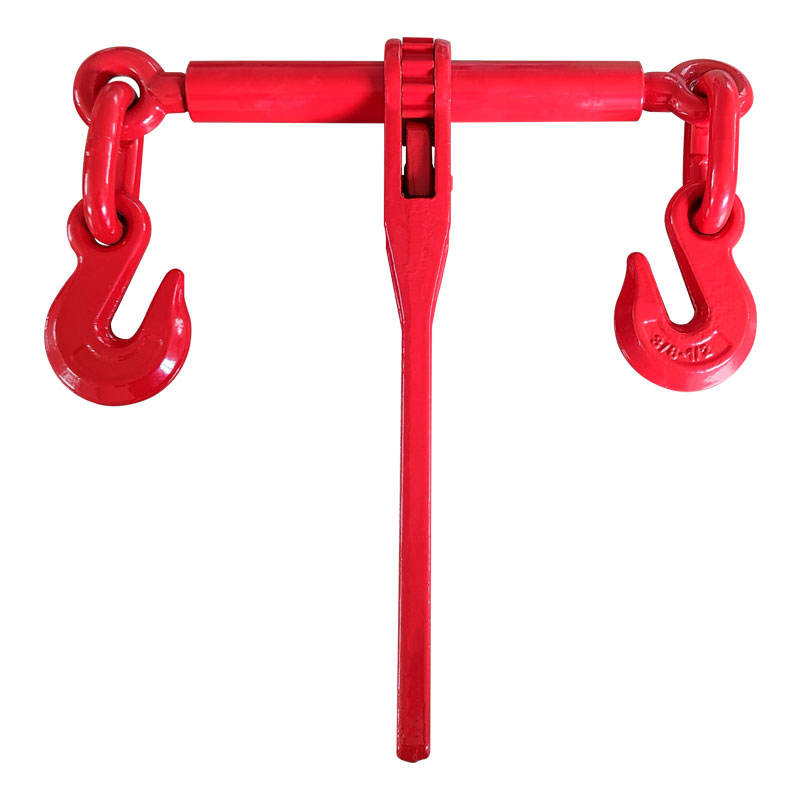
· Ratchet tensioners
· Cam buckles
· Steel end fittings
High-quality hardware significantly extends service life.
4. Abrasion Resistance
Industrial environments expose straps to:
· Rough concrete
· Steel edges
· Wooden pallets
· Sharp corners
Premium webbing incorporates abrasion-resistant fibers to minimize wear.
How to Properly Secure a Load with a Bundling Belt
Even the strongest belt can fail if used incorrectly.
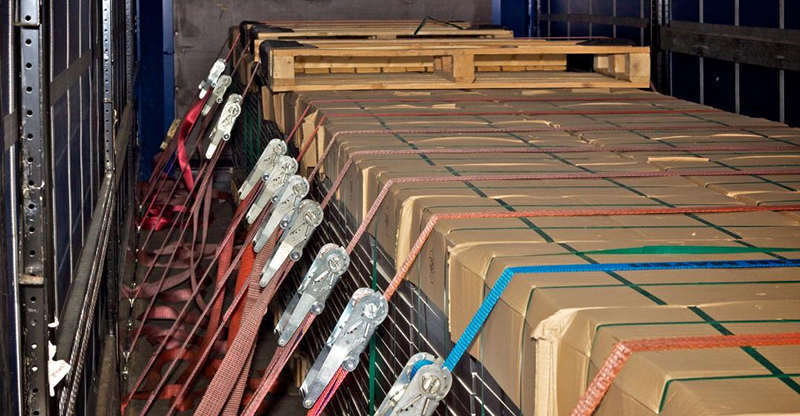
Professional cargo securing follows a systematic process.
Step 1 — Inspect the Belt
Before each use, check for:
· Cuts
· Frayed edges
· Burn marks
· Broken stitching
· Corrosion on metal components
Any damaged belt should be removed from service immediately.
Step 2 — Position the Load Correctly
Ensure cargo is:
· Balanced
· Centered
· Stable
· Properly stacked
Uneven weight distribution significantly increases strap stress.
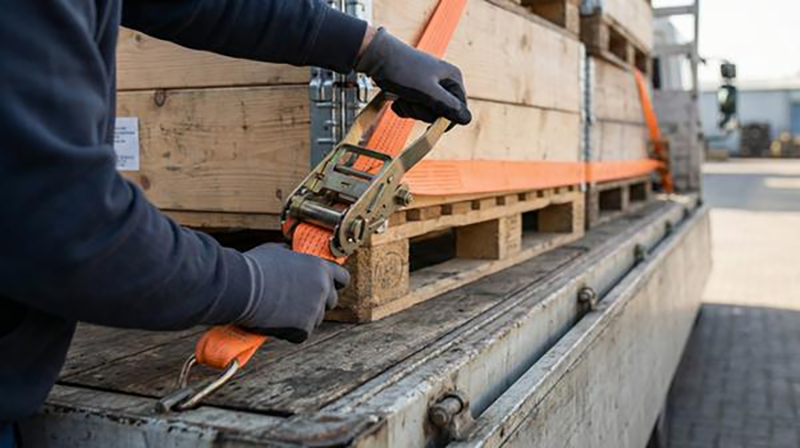
Step 3 — Apply Proper Tension
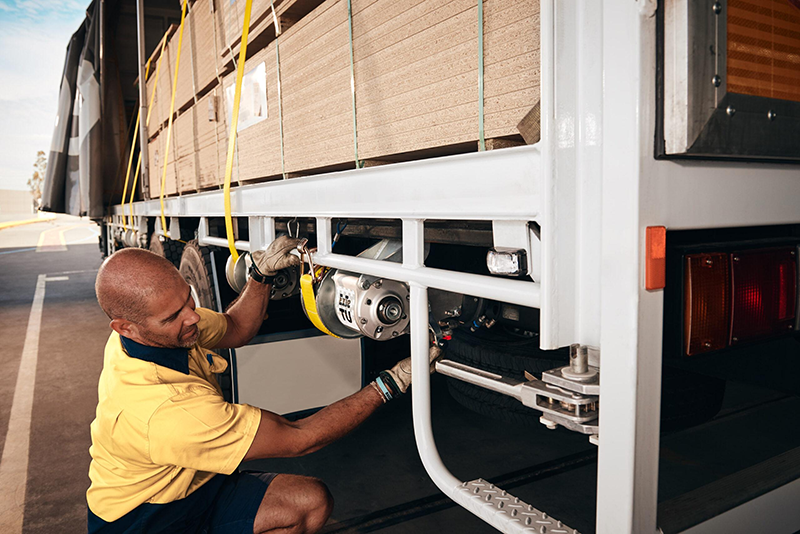
Use a ratchet mechanism to tighten the belt evenly.
Avoid:
· Over-tightening
· Twisted webbing
· Uneven tension
The belt should remain straight throughout its length.
Step 4 — Protect Sharp Edges
Heavy steel products require corner protectors to prevent cutting damage.
Edge protectors greatly extend belt lifespan.
Step 5 — Recheck During Transportation
Long-distance transportation should include periodic inspections because cargo naturally settles during transit.
Industrial Bundling Belts vs Regular Straps
Many buyers mistakenly assume all straps perform similarly.
The reality is considerably different.
Feature | Industrial Bundling Belt | Regular Strap |
Load Capacity | Very High | Low |
Reusable | Yes | Often Limited |
UV Resistance | Excellent | Moderate |
Abrasion Resistance | Excellent | Basic |
Safety Certification | Available | Usually None |
Industrial Use | Yes | Not Recommended |
Service Life | 5–10 Years (with proper maintenance) | Short |
Industrial bundling belts are specifically engineered for demanding applications where failure is not an option.
Industry Applications
Heavy-duty bundling belts are widely used across numerous industries.
Common applications include:
· Warehousing
· Logistics
· Construction
· Steel manufacturing
· Timber transportation
· Shipping
· Ports
· Mining
· Agriculture
· Machinery manufacturing
Their versatility makes them indispensable wherever heavy loads require secure restraint.
Estimated Service Life
Service life depends on operating conditions.
Proper inspection and maintenance can significantly extend the usable life of industrial bundling belts.
How to Choose the Right Supplier
When sourcing bundling belts online, buyers should consider:
· Manufacturing experience
· OEM/ODM capability
· International certifications
· Quality inspection procedures
· Custom branding options
· Export experience
· Fast delivery
· Technical support
· Competitive pricing
A reliable supplier should also provide detailed specifications, load capacity information, and testing reports.
Where Can You Buy Durable Bundling Belts Online?
Today, industrial bundling belts are available through various purchasing channels:
· Official manufacturer websites
· Industrial equipment suppliers
· B2B sourcing platforms
· Material handling equipment distributors
· OEM manufacturers
· Warehouse equipment specialists
For businesses purchasing in bulk, working directly with a manufacturer often provides better pricing, customization options, and quality assurance compared with general online marketplaces.
Maintenance Tips
To maximize belt lifespan:
· Store in dry environments
· Keep away from chemicals
· Avoid prolonged UV exposure
· Clean after use
· Replace damaged hardware
· Perform routine inspections
· Never exceed rated capacity
Proper maintenance reduces long-term operating costs while improving workplace safety.
Frequently Asked Questions
Can bundling belts be reused?
Yes. High-quality polyester bundling belts are designed for repeated industrial use when properly maintained.
Are polyester belts stronger than polypropylene?
Yes. Polyester generally provides higher tensile strength, lower elongation, and better long-term durability.
How often should belts be inspected?
Visual inspections should be performed before every use, with more comprehensive inspections conducted regularly according to operational requirements.
Can bundling belts be customized?
Absolutely. Many manufacturers offer custom lengths, widths, colors, logos, labels, and hardware configurations.
Conclusion
Heavy-duty bundling belts play an essential role in modern logistics, manufacturing, and transportation. Choosing the correct material, selecting industrial-grade hardware, following proper load securing procedures, and partnering with a reliable supplier can significantly improve cargo safety, reduce operational costs, and extend equipment lifespan.
Whether your business transports steel, machinery, construction materials, timber, or palletized goods, investing in high-quality bundling belts is an investment in safety, efficiency, and long-term performance.
CTA
Looking for High-Quality Heavy-Duty Bundling Belts?
We specialize in manufacturing durable industrial bundling belts designed for demanding applications worldwide. Whether you need standard models or fully customized OEM solutions, our experienced team is ready to help.
Contact us today to receive:
· Free product consultation
· OEM & ODM customization
· Competitive factory pricing
· Fast global delivery
· Professional technical support
Secure your cargo with confidence—choose industrial bundling belts engineered for strength, safety, and reliability.Estimated service life of bundling belt materials 


 Click:692
Edit: Chuanghe Hoisting
Click:692
Edit: Chuanghe Hoisting Time:2026-06-26 16:59:00


 Tel:
+8613653129869
Tel:
+8613653129869 Whatsapp:
+8613653129869
Whatsapp:
+8613653129869 Email:
chuanghehoist@gmail.com
Email:
chuanghehoist@gmail.com Address:Donglu Village, Donglu Township, Qingyuan District, Baoding City, Hebei Province
 English
 Français
 Español
 Email
Email +8613653129869
 +8613653129869
 Home
Home Whatsapp
 chuanghehoist@gmail.com